

Chesley “Sully” Sullenberger, the pilot who became a global hero after safely landing a passenger jet on New York’s Hudson River in 2009, announced Tuesday that he has been diagnosed with early-stage Alzheimer’s disease.
Sullenberger, 75, said he had begun treatment and was already experiencing changes in his memory and sleep.
Gallery
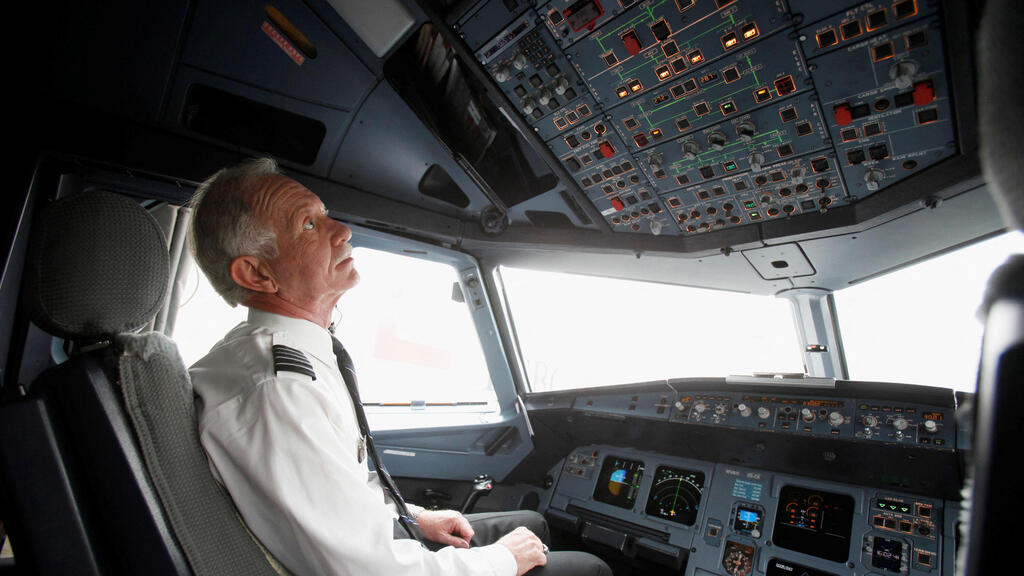
Capt. Chesley ‘Sully’ Sullenberger conducts preflight checks before a flight from New York’s LaGuardia Airport to North Carolina in October 2009
(Photo: REUTERS/Seth Wenig/Pool)
“For now, this means a name may not come easily to me, I forget a story I have recently told, or I don’t sleep as well, but I am in the beginning of this long journey,” he wrote in a statement published on his website.
He said he decided to disclose the diagnosis because he hoped that speaking publicly would help other patients and families living with the disease.
“This new phase of my life has challenged what it means to be of service,” he wrote. “And the answer is to speak up.”
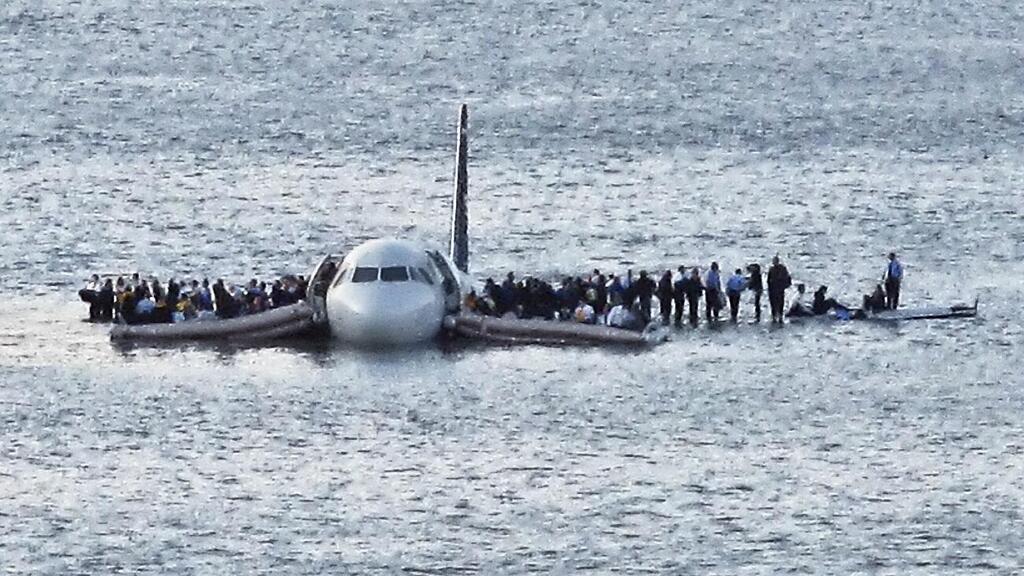
One of the most dramatic events in aviation history
(Photo: AP)
“It is my hope that by sharing this, other families living in the shadows with this disease will feel they too can step forward.”
Sullenberger said the illness might affect his recollection of the past, but he would not allow it to prevent him from looking ahead.
“It may affect my memories of the past, but it will not stop me from looking forward to and appreciating the future,” he wrote, adding that he would face the next chapter with his family by his side.
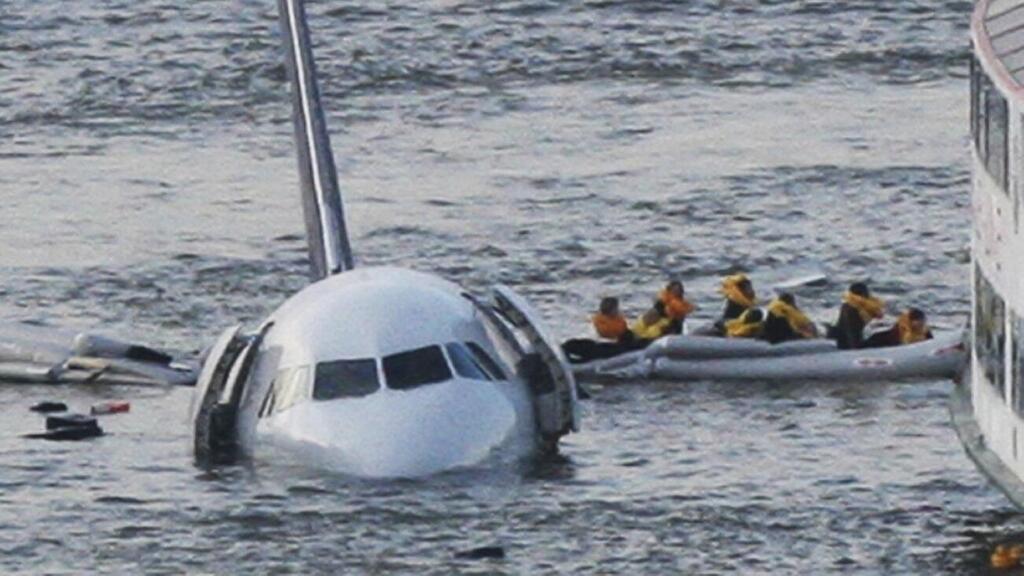
US Airways Flight 1549 after landing on the Hudson River
(Photo: AP)
He returned in his statement to a message that has accompanied him since the emergency landing that became known as the “Miracle on the Hudson.”
“Over the years I have often said that ‘courage can be contagious,’ and that day it helped everyone come together to get every person safely off the airplane,” he wrote.
“Now we need that same courage to fight this disease. I am part of a large community of people facing it, and we will face it together, with courage.”
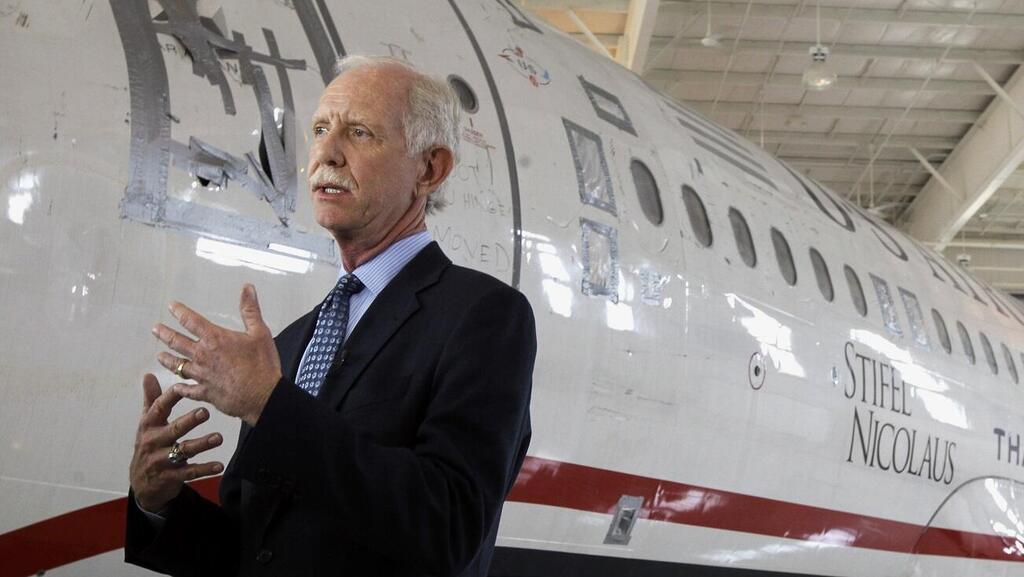
Chesley ‘Sully’ Sullenberger with a US Airways aircraft in the background
(Photo: AP)
Sullenberger entered aviation history on Jan. 15, 2009, when US Airways Flight 1549 struck a flock of geese shortly after taking off from LaGuardia Airport for Charlotte, North Carolina.
The bird strike disabled both engines of the Airbus A320. Concluding that the aircraft could not safely reach a nearby airport, Sullenberger and First Officer Jeffrey Skiles guided it onto the Hudson River.
All 155 passengers and crew members aboard survived.
The landing was widely hailed as an extraordinary feat of judgment and skill under extreme pressure. Sullenberger’s story was later adapted into the 2016 film Sully, directed by Clint Eastwood and starring Tom Hanks.
After retiring from commercial aviation in 2010, Sullenberger became a prominent aviation safety advocate.
He campaigned for stronger pilot training, adequate rest periods for flight crews, the continued requirement for two pilots in commercial cockpits and improved safety technology.
In 2019, following two fatal Boeing 737 MAX crashes, Sullenberger testified before Congress in support of additional simulator training for pilots before the aircraft returned to service.
“Our system of aircraft design and certification has failed us,” he said at the time.
Sullenberger also briefly served in 2022 as the U.S. ambassador to the International Civil Aviation Organization, where he continued advocating for global flight-safety standards.
He said his diagnosis would begin another difficult journey, but one he intended to confront with the same values that had shaped his career.
“I may have Alzheimer’s,” he wrote, “but Alzheimer’s does not have me.”