

Archaeologists uncovered the remains of a donkey sacrificed nearly 5,000 years ago at Tel Tzafit in the ancient Judah kingdom’s lowlands, with its head severed and legs bound. Found beneath a Bronze Age house, the donkey, along with three others buried nearby, likely formed part of a ritual involving work animals from ancient Egypt.
The findings, published in the PLOS One journal, suggest these animals, used by traders, were sacrificed to signify wealth or high social status during Canaan’s Early Bronze Age III (circa 2900–2550 BCE).
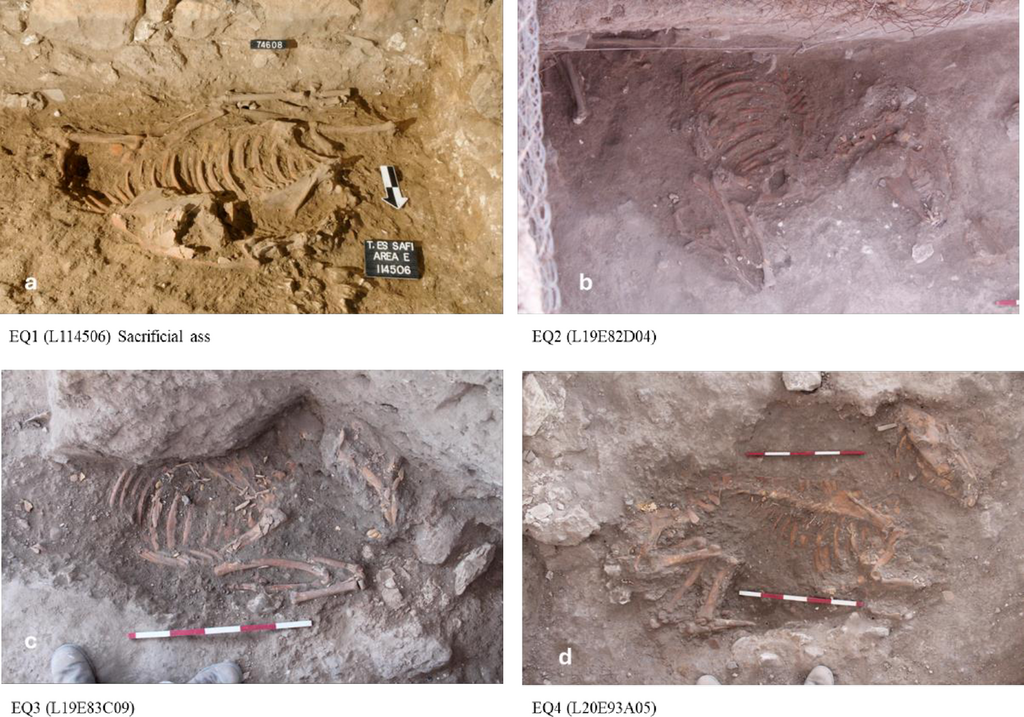
Animal remains found at Tel Tzafit
(Photo: PLOS One journal)
Tel Tzafit, located about 20 km (12 miles) from the Mediterranean coast, is identified with the Philistine city of Gath. Excavations in recent years revealed remains of work animals, with the decapitated donkey’s remains discovered in 2010. Its head, completely severed, was placed on its belly facing the opposite direction.
Get the Ynetnews app on your smartphone: Google Play: https://bit.ly/4eJ37pE | Apple App Store: https://bit.ly/3ZL7iNv
Analysis of isotopes in the donkey’s tooth enamel, detailed in a prior PLOS One study, confirmed it grew up in Egypt’s Nile Valley. Further digs revealed three additional sacrificed donkeys from ancient Egypt, buried under Bronze Age homes, their front and back legs bound but heads intact. All four donkeys’ skulls faced east, possibly linked to the sunrise, researchers suggest.
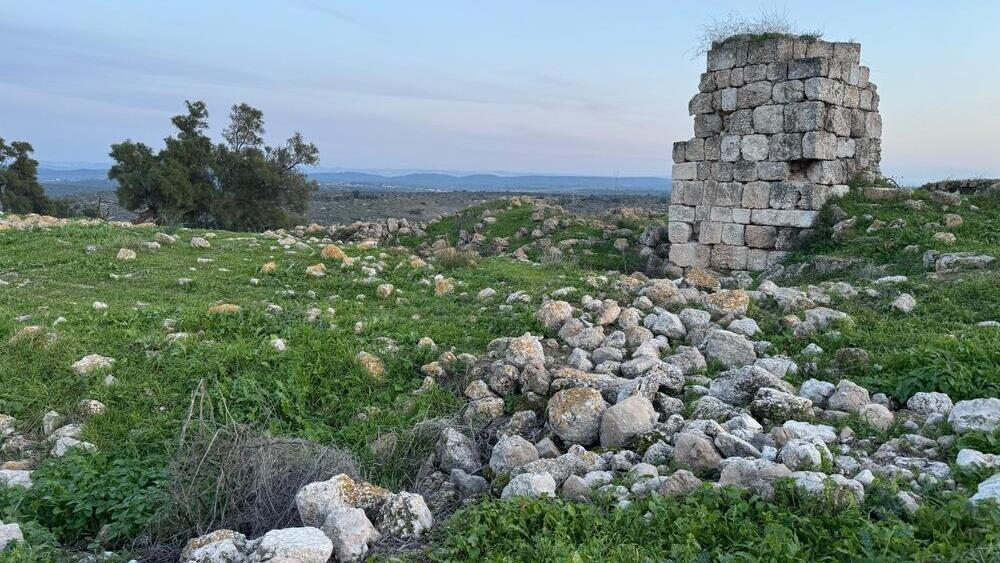
Tel Tzafit
(Photo: Yuval2/Shutterstock)
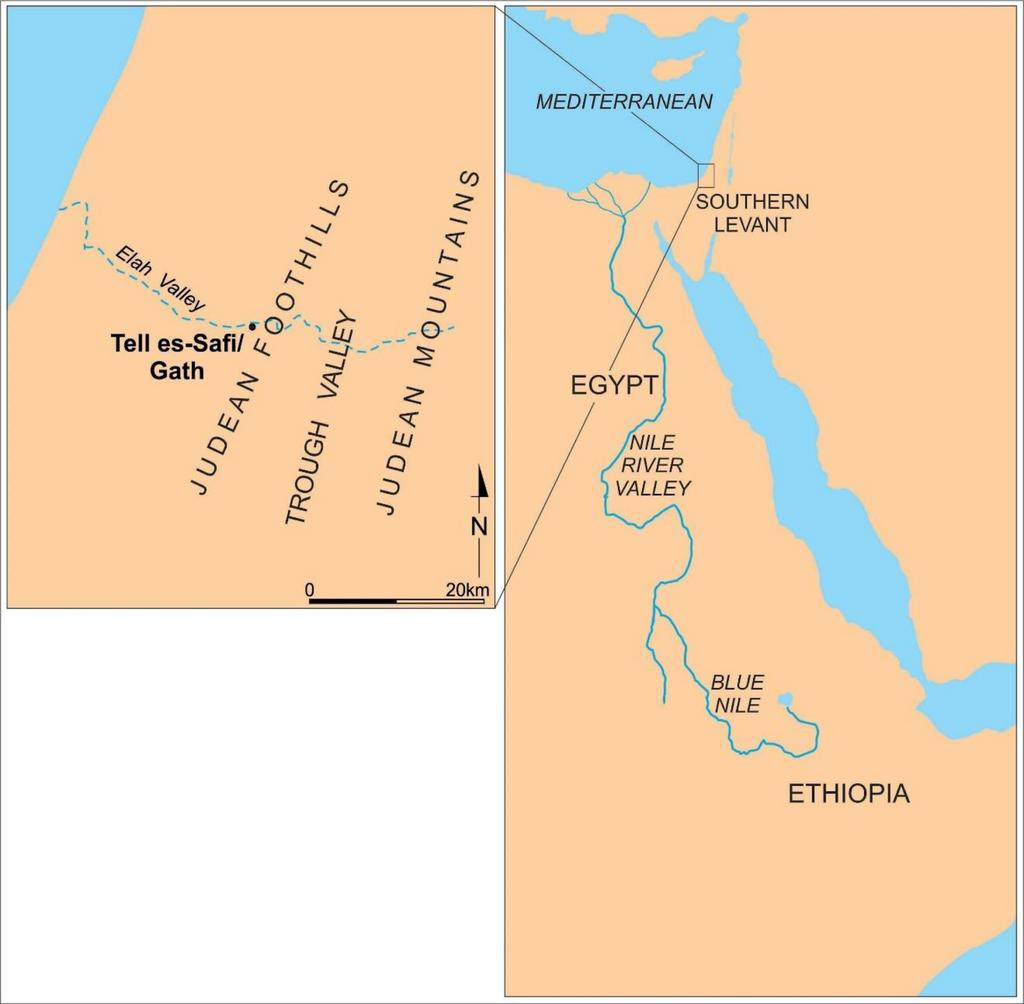
Tel Tzafit's location in Israel
(Photo: PLOS One journal)
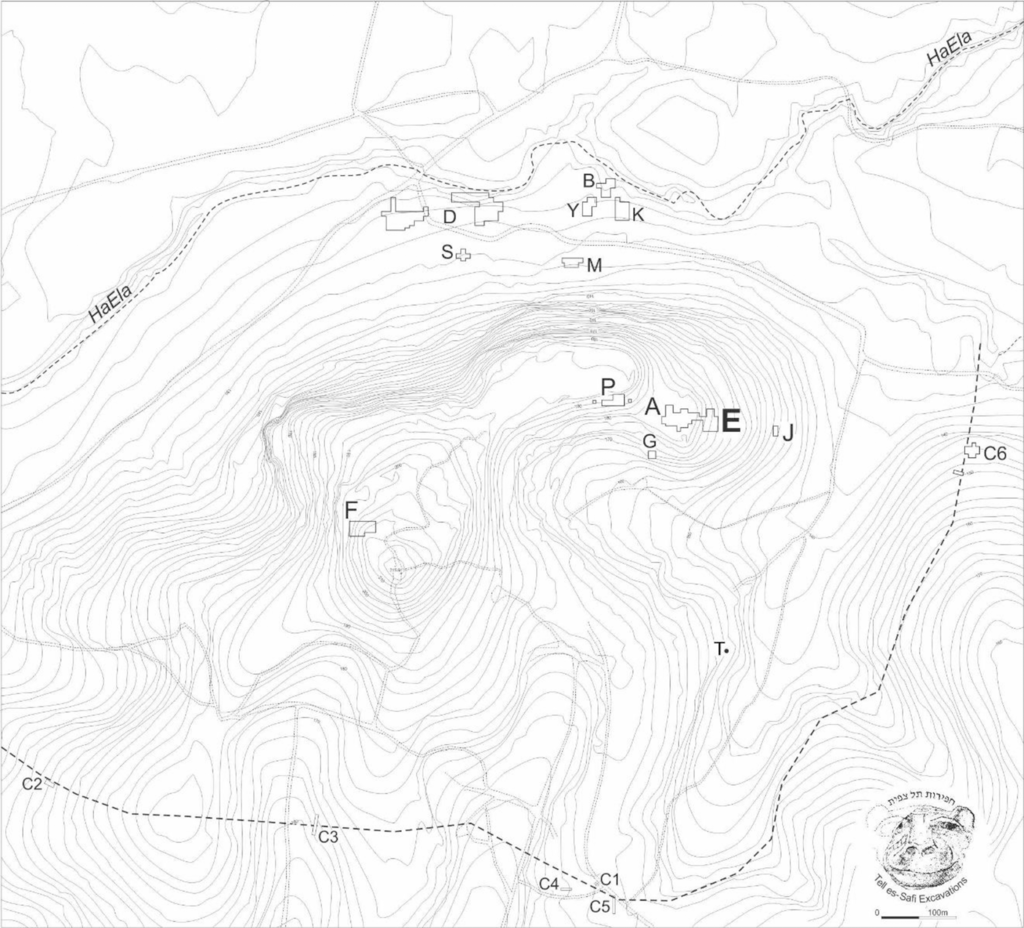
Mapping of burial sites at Tel Tzafit
(Illustration: PLOS One journal)
To contextualize the findings, researchers compared the sacrificed donkeys to other ancient animals at Tel Tzafit, once home to the Arab village Tel al-Safi, captured during Israel’s 1948 War of Independence. Isotope analyses of a donkey, sheep and goats, which were not sacrificed, showed most were local to ancient Gath, except for one Egyptian goat.
“This finding highlights the importance of donkeys in the ancient world, not only for economic and trade purposes but also for ritual practices,” Dr. Elizabeth Arnold, an anthropologist and environmental archaeologist at Grand Valley State University in Michigan, told Live Science. She noted Egypt’s dominance in the area during its Old Kingdom period (circa 2649–2150 BCE).
Donkeys and other equids were vital in the ancient world for plowing, threshing and transporting heavy loads and valuable trade goods.