

Peru is a land of contrasts: glaciers and lakes coexist alongside hot jungles, colonial cities sit alongside Indigenous villages, and Machu Picchu emerges from the mist.
On a family trip before their son’s army enlistment, Limor Zadok and her family discovered a world of breathtaking nature and a culture that had not disappeared, only waited to be truly seen.

Some countries feel like entire continents. Peru is one of them, a land of dramatic extremes: snow-capped Andes ridges, lush rainforests, wild beaches, treks through icy peaks and turquoise lakes, bustling local markets and ancient traditions still beating in the rhythm of everyday life.
But this time, we didn’t travel just to see the world; we went to be together, on a family journey before our son's military draft.
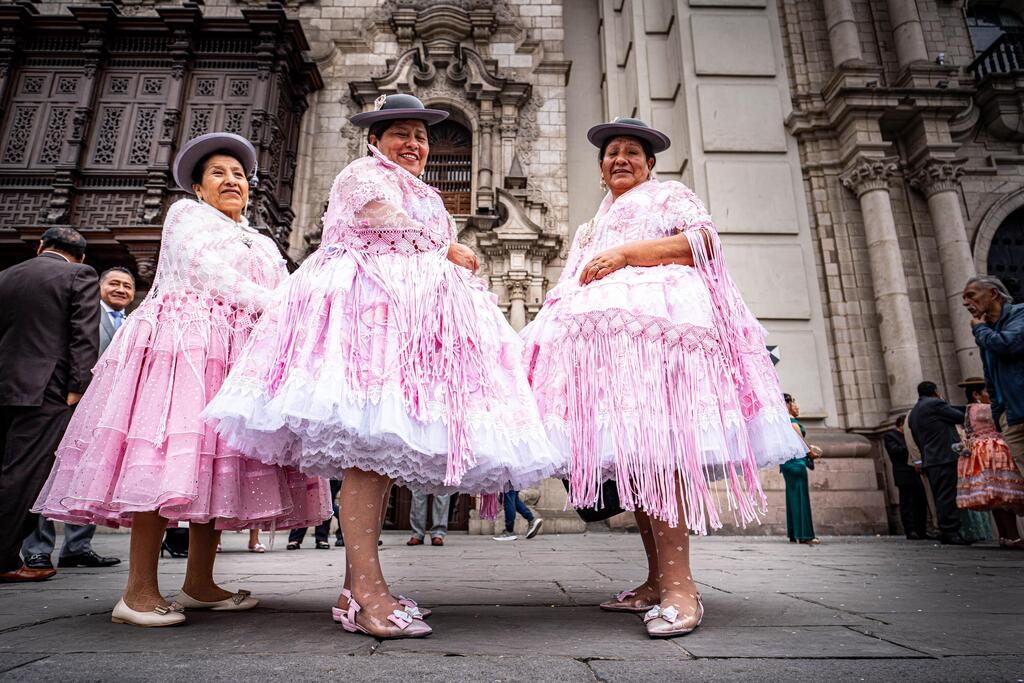
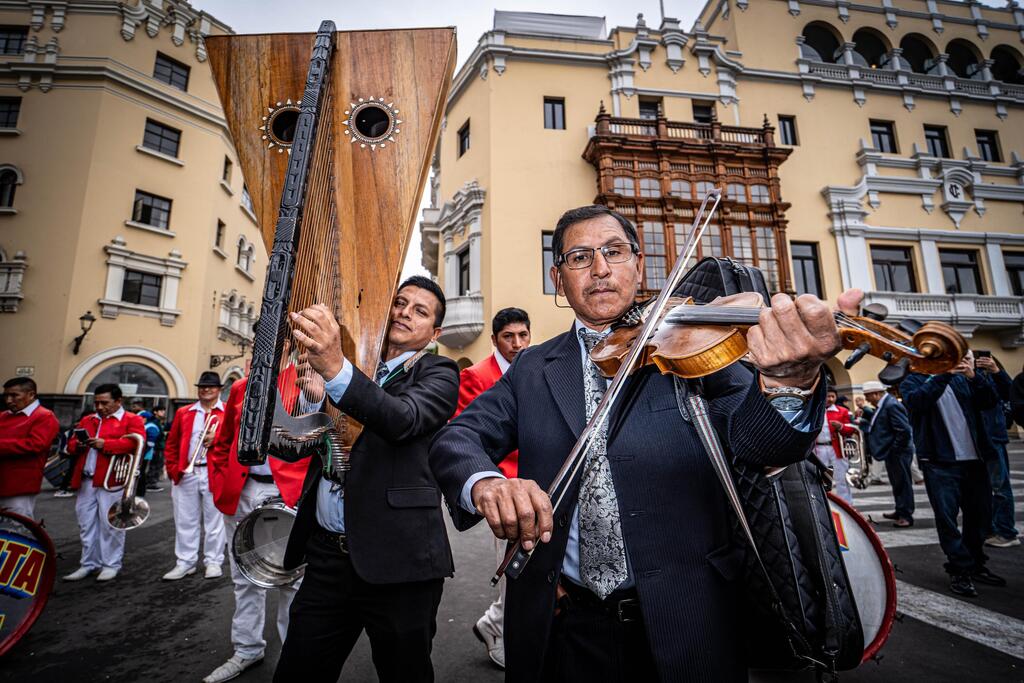
We landed in Lima and found ourselves swept into the heart of a local celebration, a wedding, where a priest offered blessings inside a cathedral while, outside, a vibrant dance of ancient Indigenous spirits unfolded. Masks, drums and a mystical atmosphere swept through the alleys. We too were caught up in the dance.
(Photo: Limor Zadok)
(Photo: Limor Zadok)
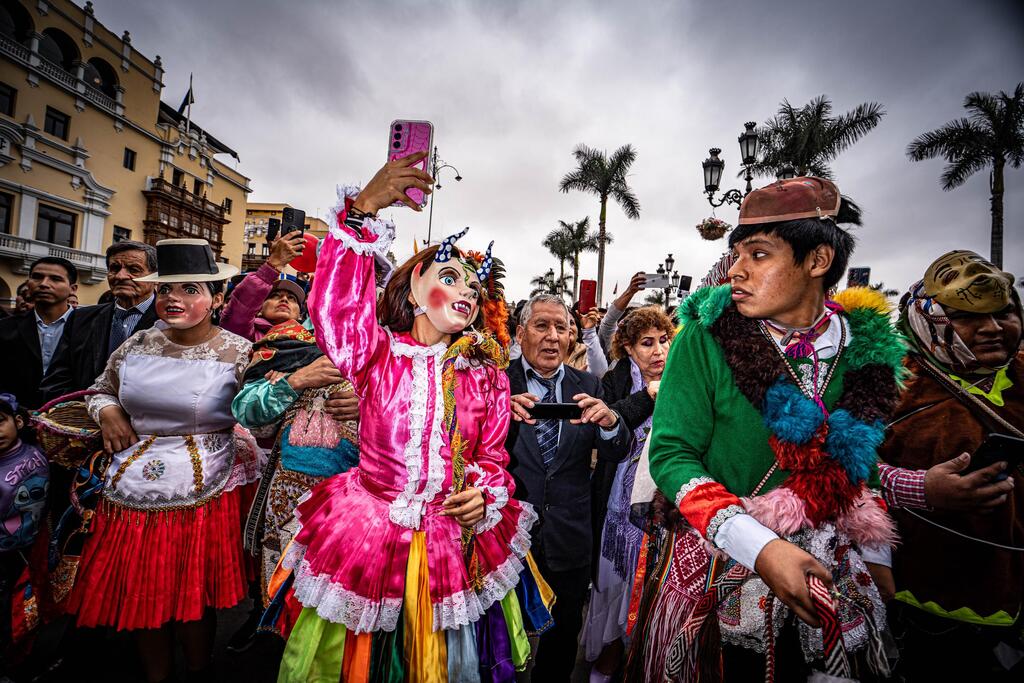
"Masks, drums and a mystical atmosphere"
(Photo: Limor Zadok)
It was the perfect introduction to a country where everything blends together: old and new, sacred and secular. Peru is a living fusion of Indigenous traditions and Spanish influences, coexisting.
The Amazon: Endless green and nighttime whispers
From the capital, we were suddenly transported into another world, the heart of the jungle. A motorized wooden boat carried us along a winding river, the air echoing with deep cries from unseen monkeys.
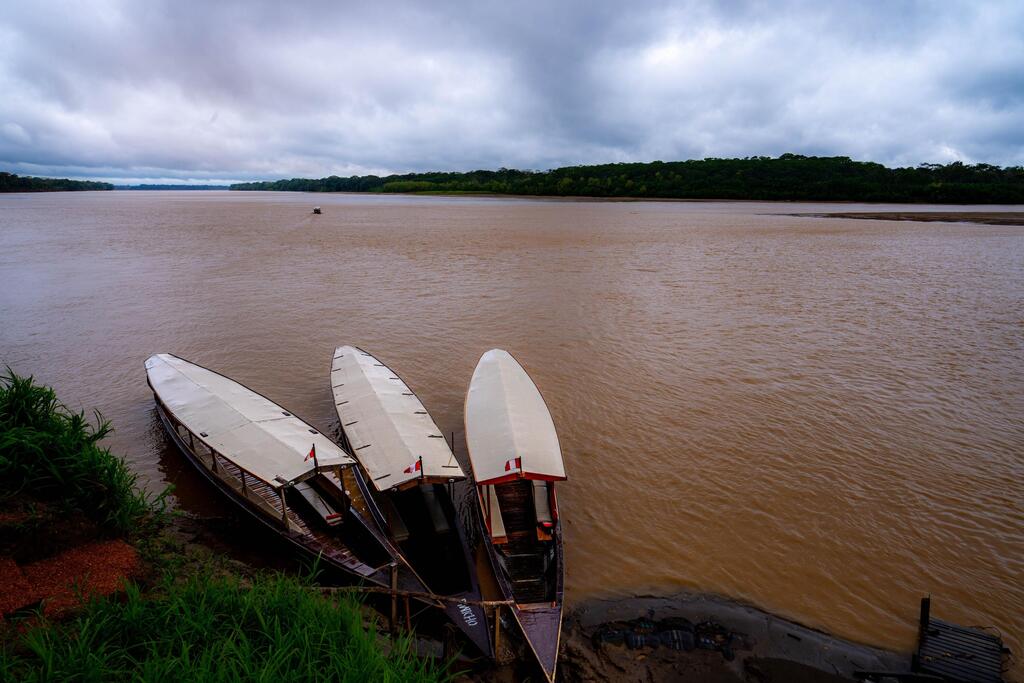
The Amazon
(Photo: Limor Zadok)
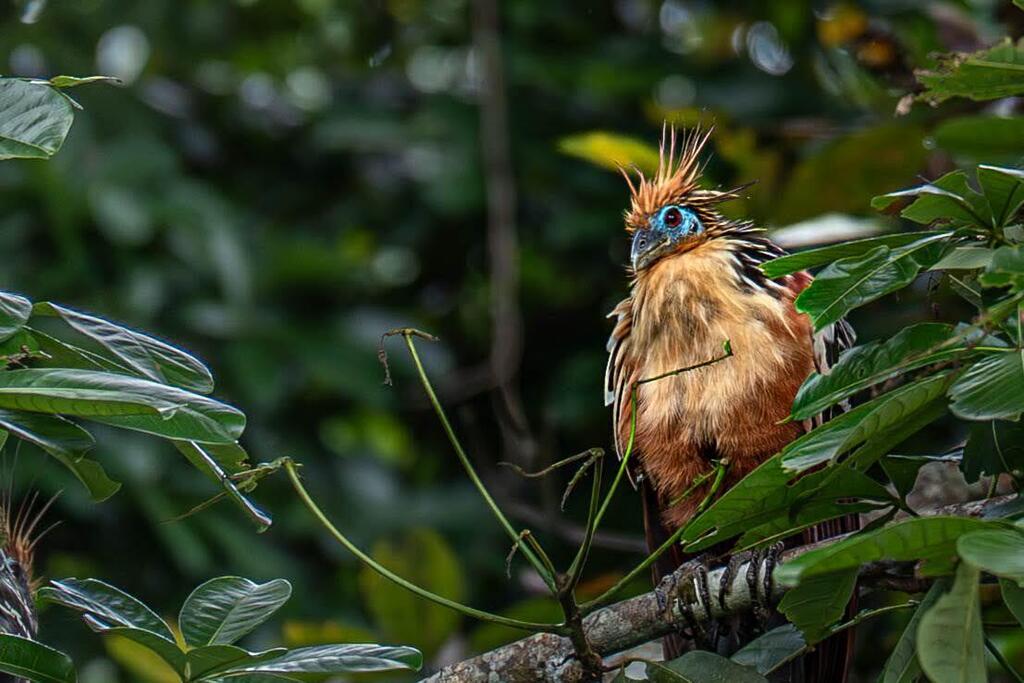
Hoatzin
(Photo: Limor Zadok)
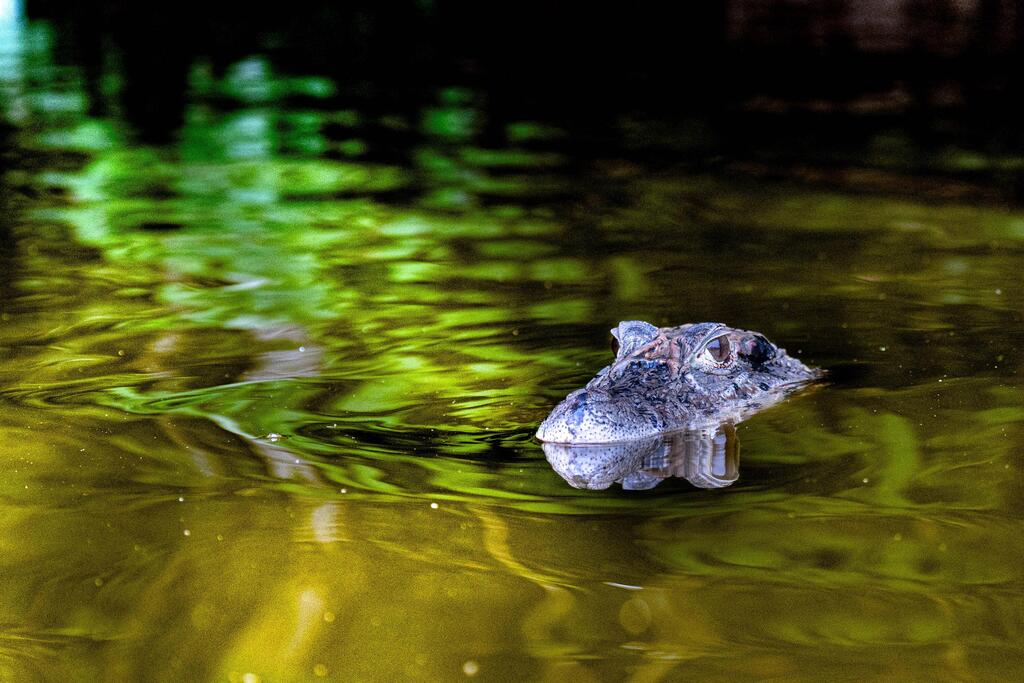
Caiman
(Photo: Limor Zadok)
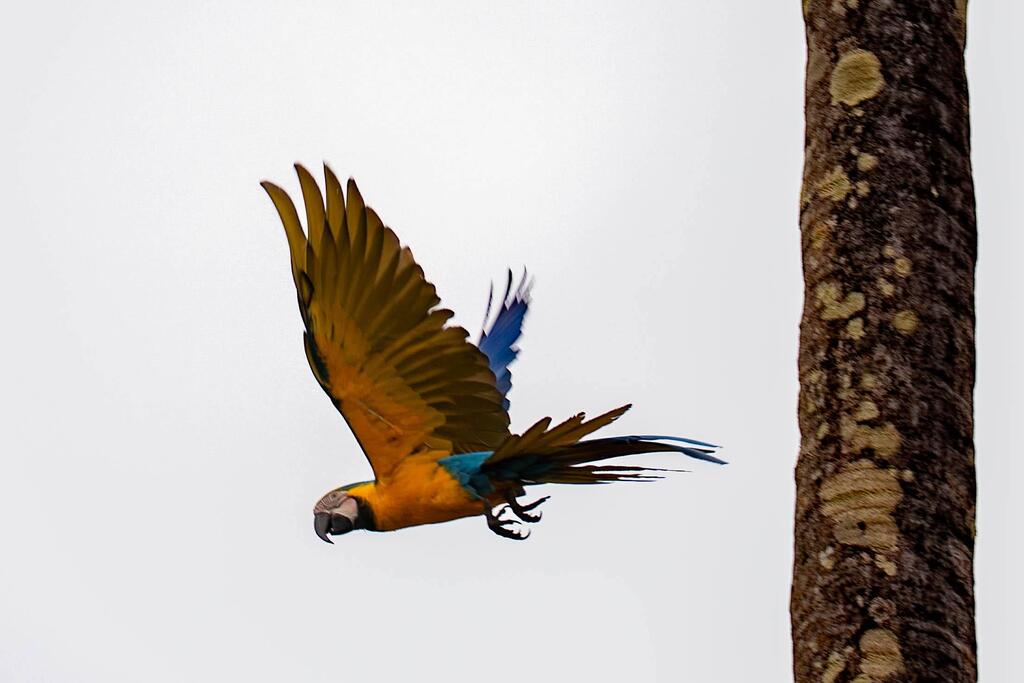
Macaw
(Photo: Limor Zadok)
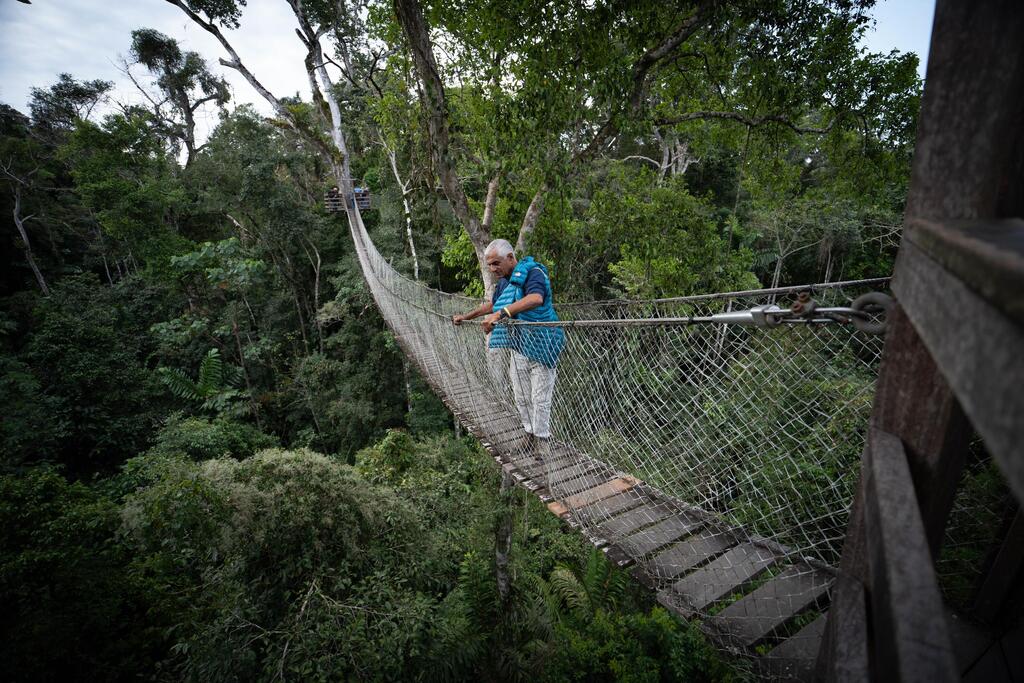
Inside the jungle
(Photo: Limor Zadok)
In the days that followed, we uncovered the Amazon’s wonders: dozens of cold-eyed caimans, rare birds that looked hand-drawn by a Disney animator, piranhas and giant tarantulas. The dense greenery - palms inching toward the sun - reminded us that here, nature follows its own rules.
Nights in open-walled wooden huts, shielded only by mosquito nets, deepened our sense of belonging, not as guests, but as part of the jungle itself. Whispering under the nets, we listened together to a symphony of frogs and insects.
Arequipa: The white city beneath black volcanoes
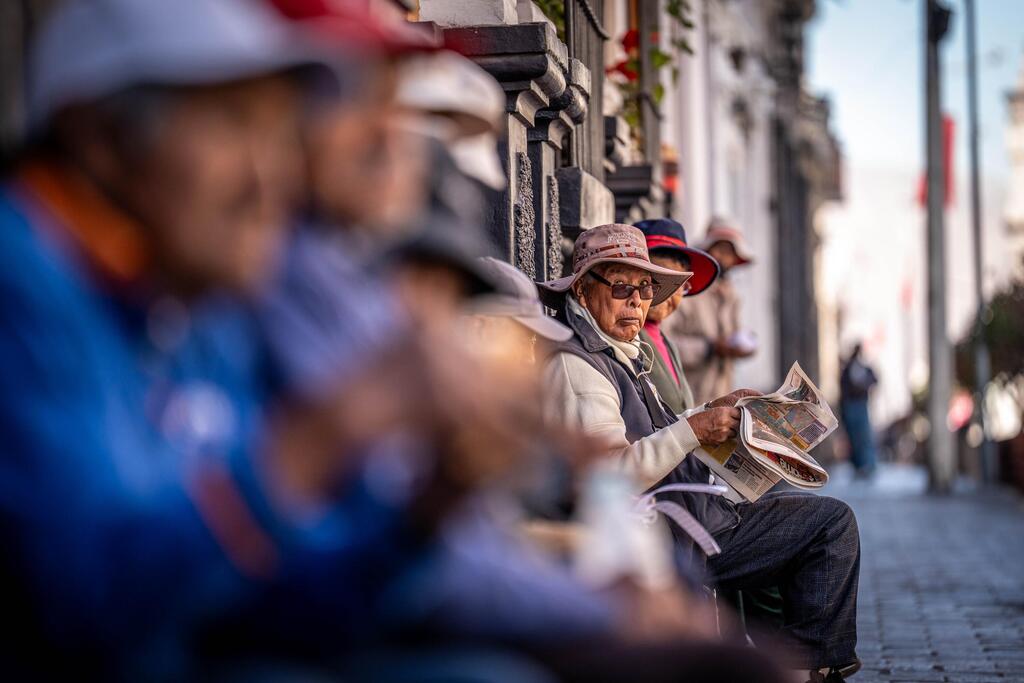
From the jungle, we climbed to Arequipa, a stunning colonial city at an altitude of 2,300 meters (7,550 ft) above sea level, where time seems to slow down. Narrow streets, houses colored orange and light blue with white volcanic-stone facades give the city a timeless charm. The Santa Catalina Monastery was founded in the 16th century, as a tribute to rich upper-class families. Young girls were brought there and met with their families just once a year, through iron-barred windows.
The restrictions there were strict; they were allowed only seven baths a year, and every moment of their lives monitored and scheduled.
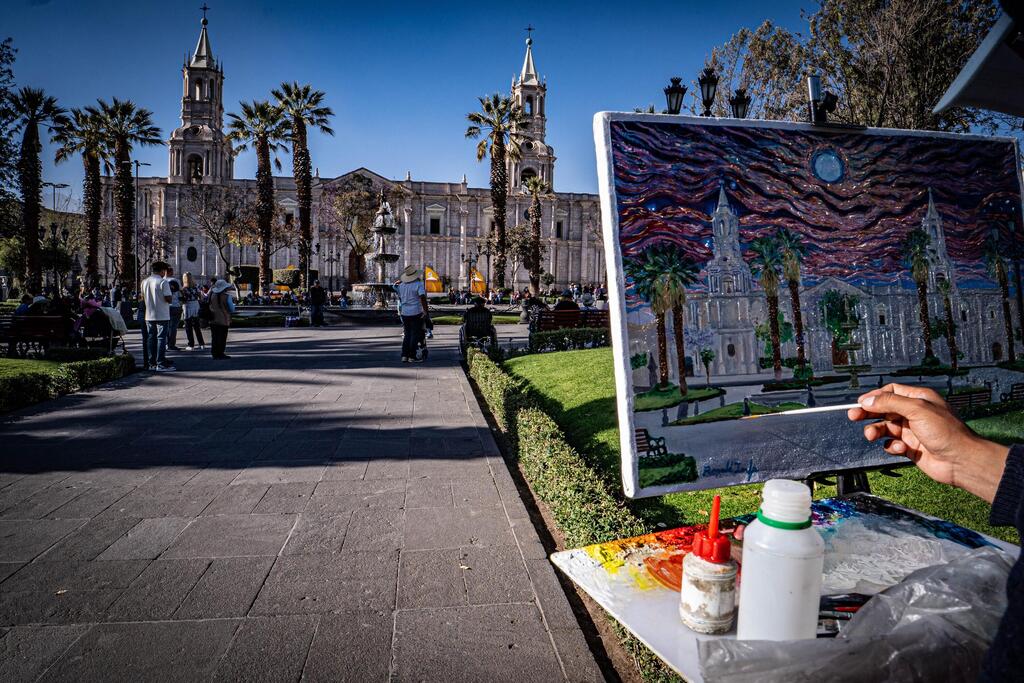
Arequipa
(Photo: Limor Zadok)
(Photo: Limor Zadok)
(Photo: Limor Zadok)
Colca Canyon – between llamas and the flight of condors
En route to the Colca Canyon, which is twice as deep as the Grand Canyon, we climbed the mountains accompanied by Coca leaves - the secret to easier breathing at high altitudes. We passed highland shepherd villages, stone huts, women in traditional hats, and herds of alpacas, llamas and vicuñas.
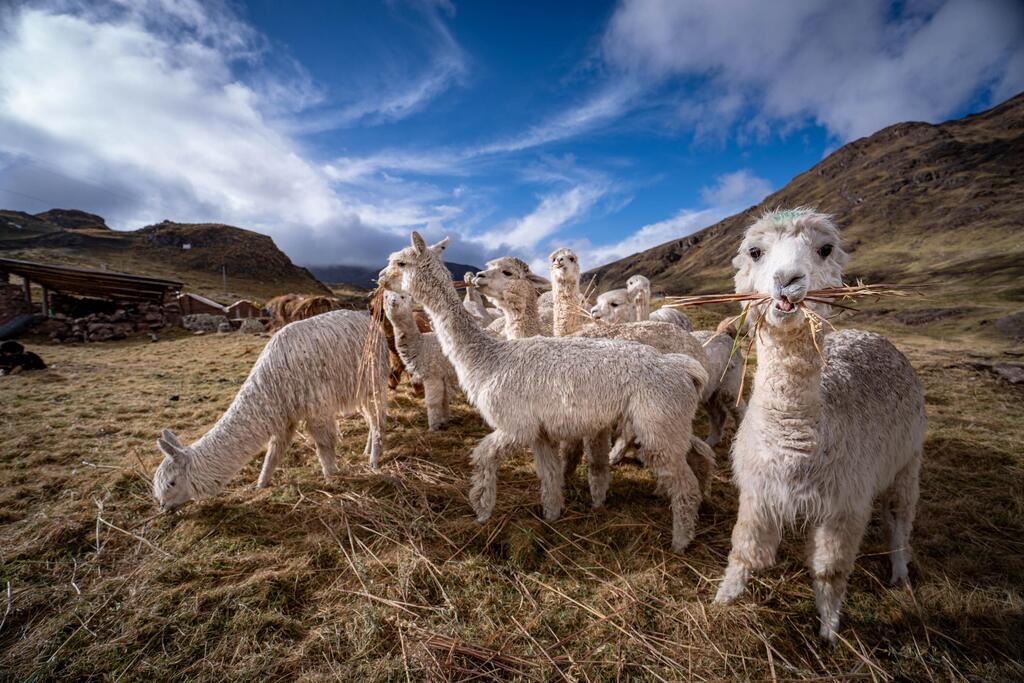
(Photo: Limor Zadok)
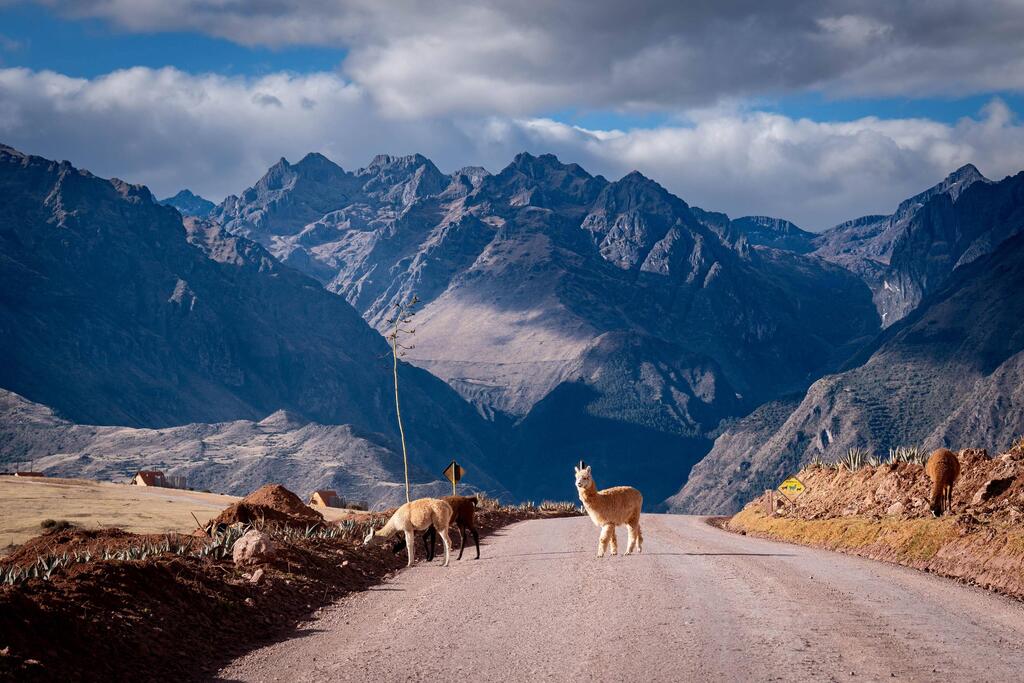
(Photo: Limor Zadok)
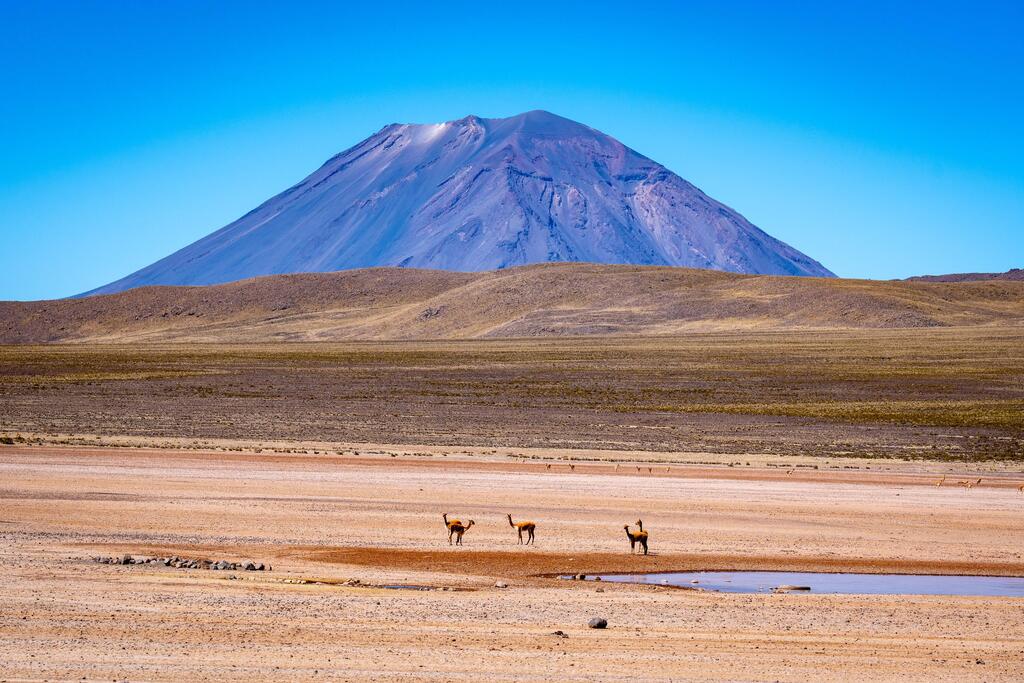
(Photo: Limor Zadok)
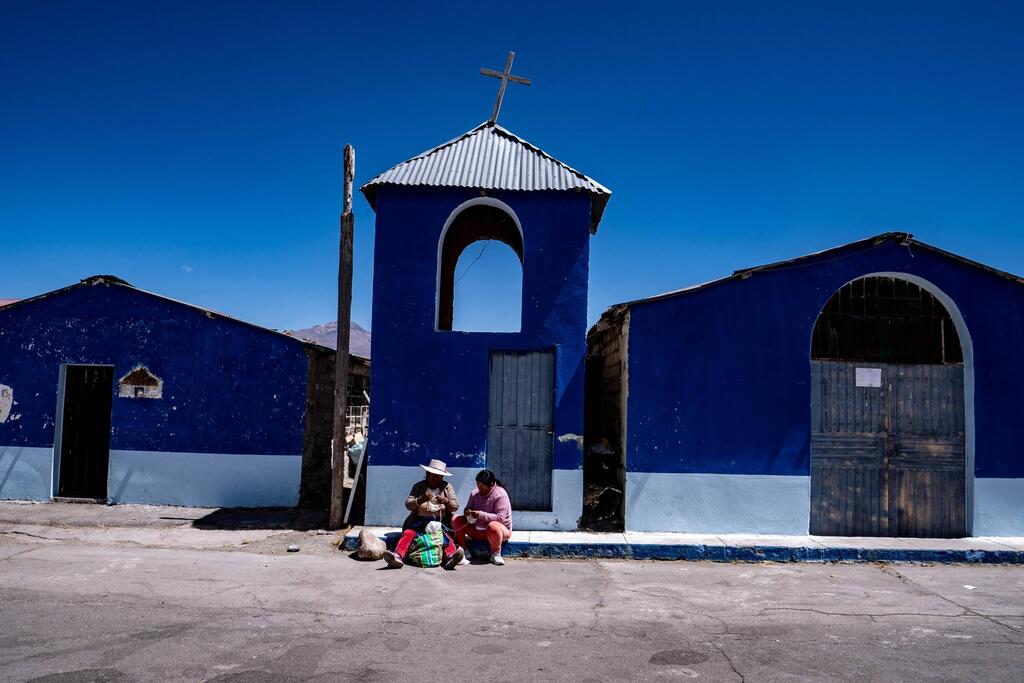
(Photo: Limor Zadok)
Vicuñas, considered to have the most expensive fleece in the world, have extremely fine, soft, insulating wool. A kilo of their pure fleece can sell for over $8,000. Between the Andean culture, colorful dress and sweeping landscapes, every step of the journey blended nature, history and humanity.
At the canyon, we witnessed nature’s drama: sheer basalt cliffs, snow-capped peaks, and the highlight - majestic condors with wingspans over 10 feet, soaring above us like living shadows.

Centuries-old Inca terraces in Colca Canyon
(Photo: Limor Zadok)
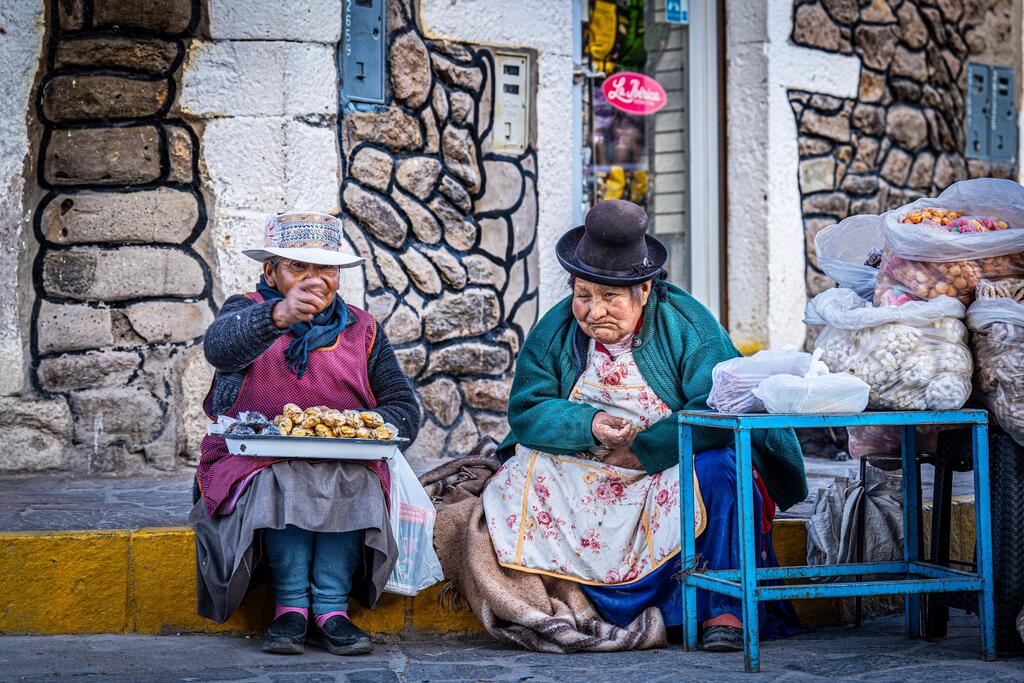
(Photo: Limor Zadok)
Lake Titicaca: Life on the floating islands
At 3,800 meters above sea level, we reached Lake Titicaca and the floating islands of the Uros people. Made from layers of totora reeds, the islands have lasted generations.
Life here moves differently: people rise with the sun, sleep at dusk, eat mostly vegetarian food, and boys learn to weave from age seven.
But perhaps the most fascinating tradition is their courtship ritual: local girls don’t choose partners based on strength, looks or wealth, but by the quality of their weaving. Every movement of hand and needle is a test of patience, precision and skill. When our son Naveh played soccer with the Uros children, it was quite a sensation.
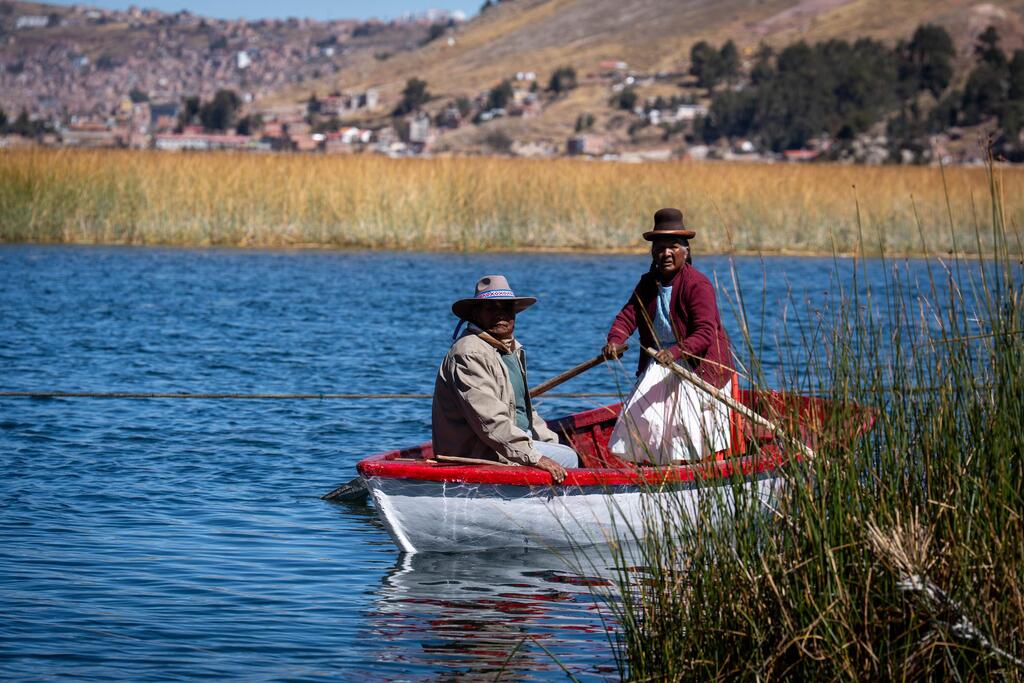
(Photo: Limor Zadok)
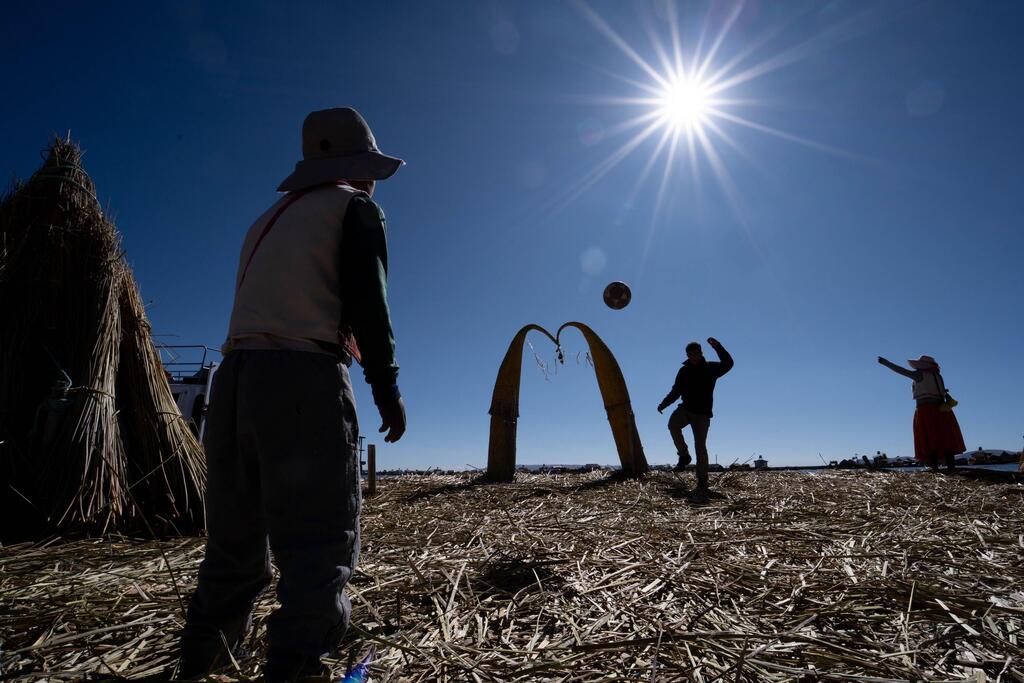
(Photo: Limor Zadok)
Cusco and the Sacred Valley: Heart of the Inca Empire
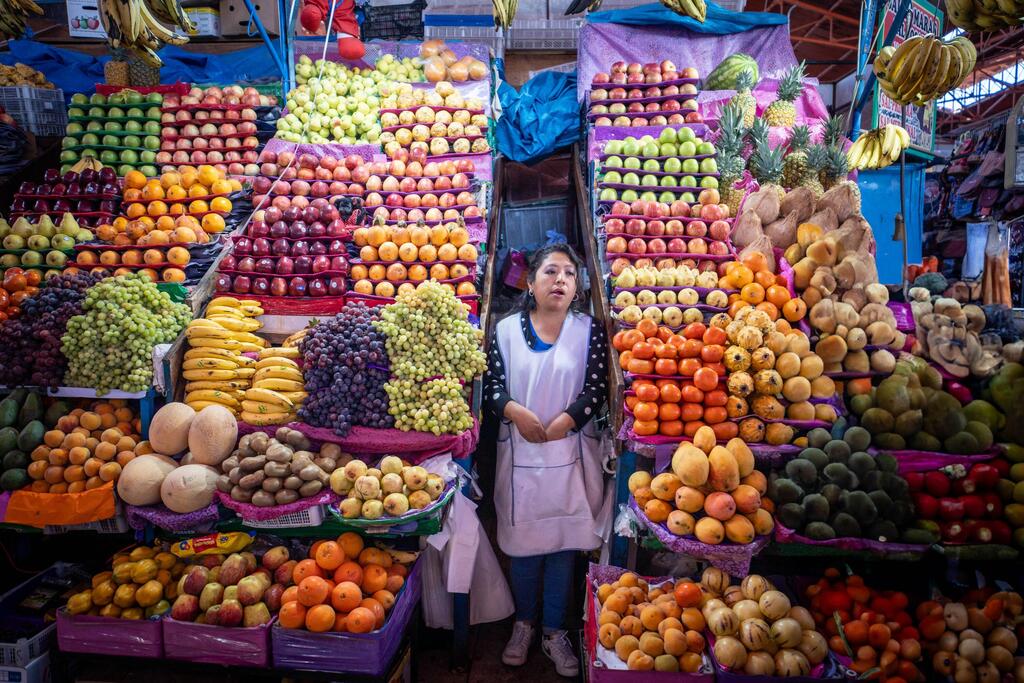
Entering Cusco, at 3,400 meters above sea level, came with an emotional rush. We were stepping into what the Inca called “the Navel of the world”, the center from which the Inca ruled a vast empire that spanned thousands of kilometers of Andean Mountain ranges, valleys and jungles. We’d read about its power and beauty; now we were walking its cobbled streets, past Inca stone walls and colonial churches, colorful markets and street performers.
The Inca left nothing to chance: their architecture, terraced farms, and temples of sun and moon were built in harmony with nature. Here, human sacrifices were part of elaborate rituals which involved usually children and adolescents, chosen for their purity and health.
When the Spanish arrived in the 16th century, the locals believed they were gods. They thought that Viracocha, the creator deity who fashioned the sun, moon, and all living beings, was returning.
Therefore they welcomed the Spanish without military resistance, a tragic misunderstanding that led to the slow destruction of Inca civilization. Gold and resources were looted, people enslaved, and the once-mighty empire was nearly erased.
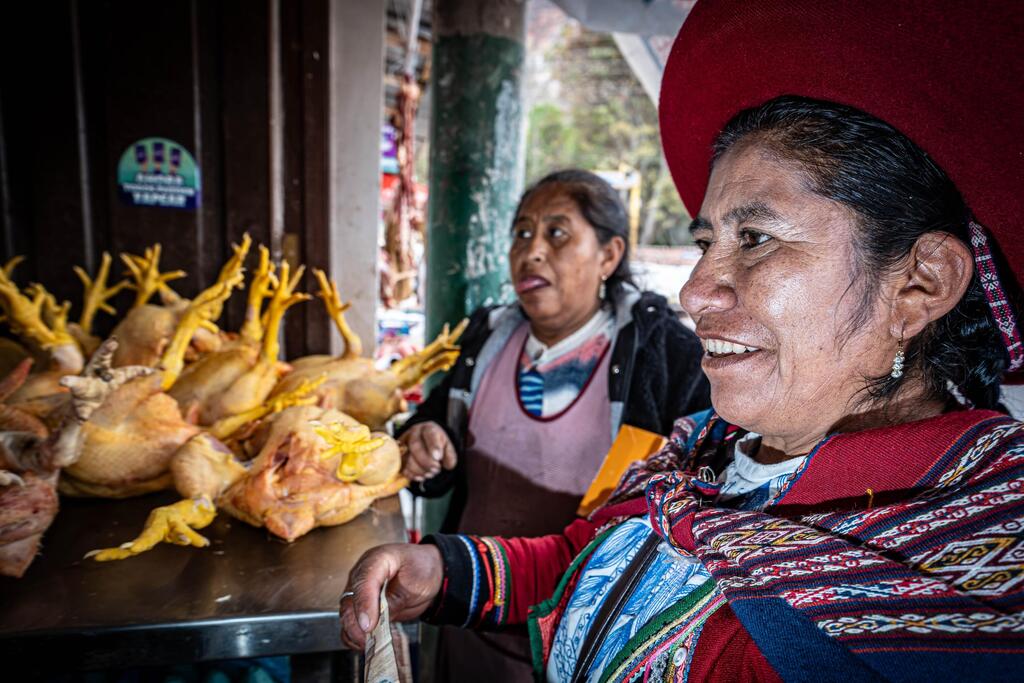
Cusco market
(Photo: Limor Zadok)
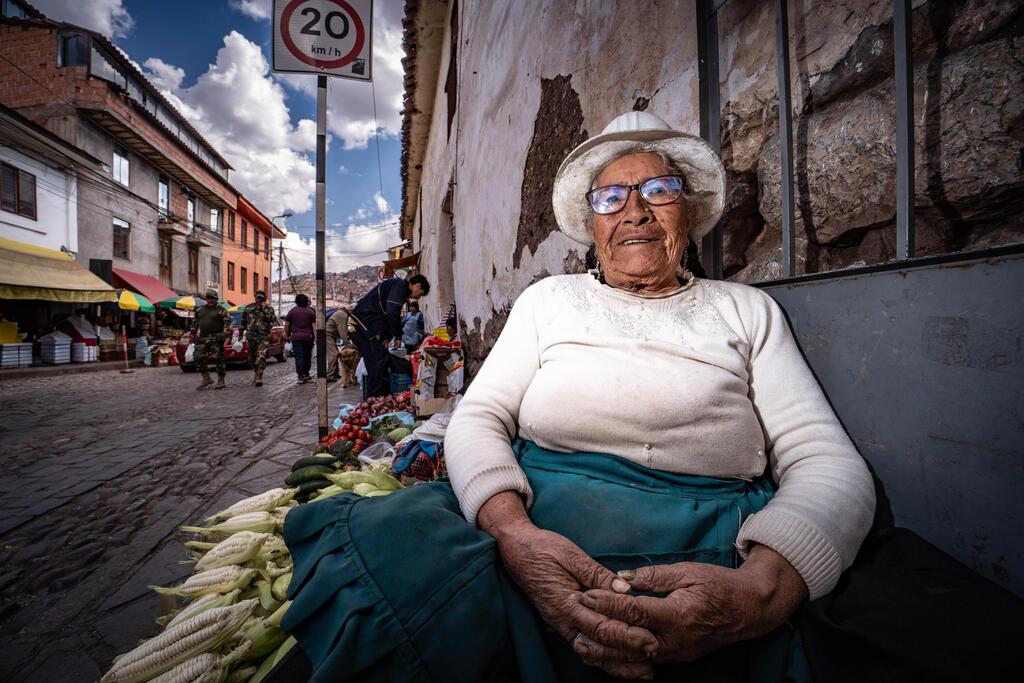
(Photo: Limor Zadok)
White gold in the Sacred Valley: The Maras salt mines
At the Maras salt ponds, hundreds of small white pools carved into the mountainside created a geometric mosaic at sunset. Each one is considered a family’s inheritance, passed down through generations.
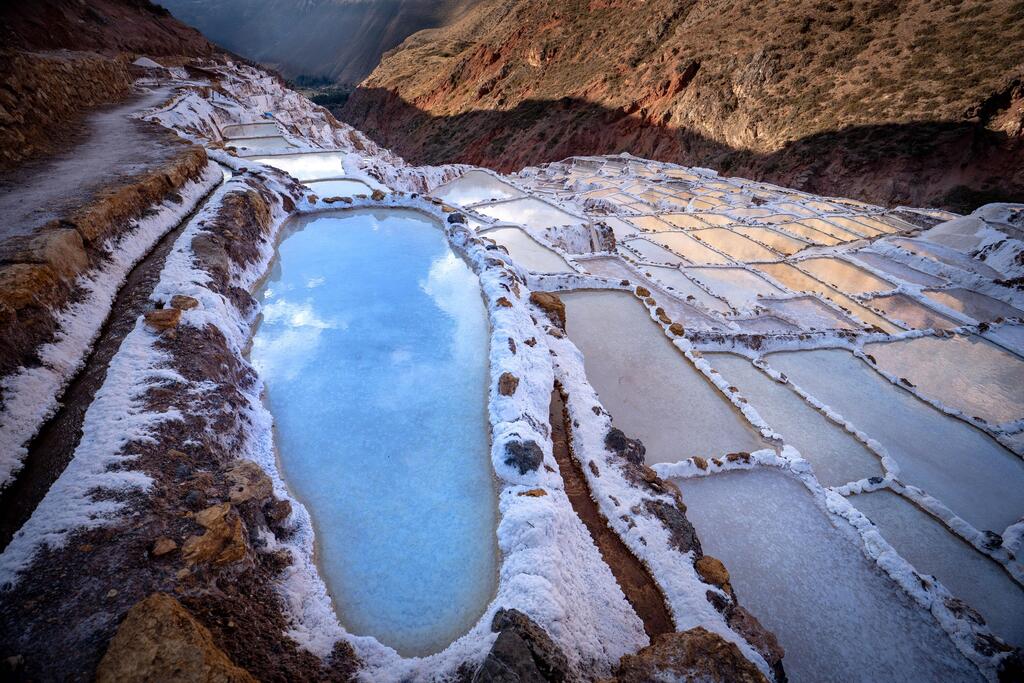
The Maras salt mines
(Photo: Limor Zadok)
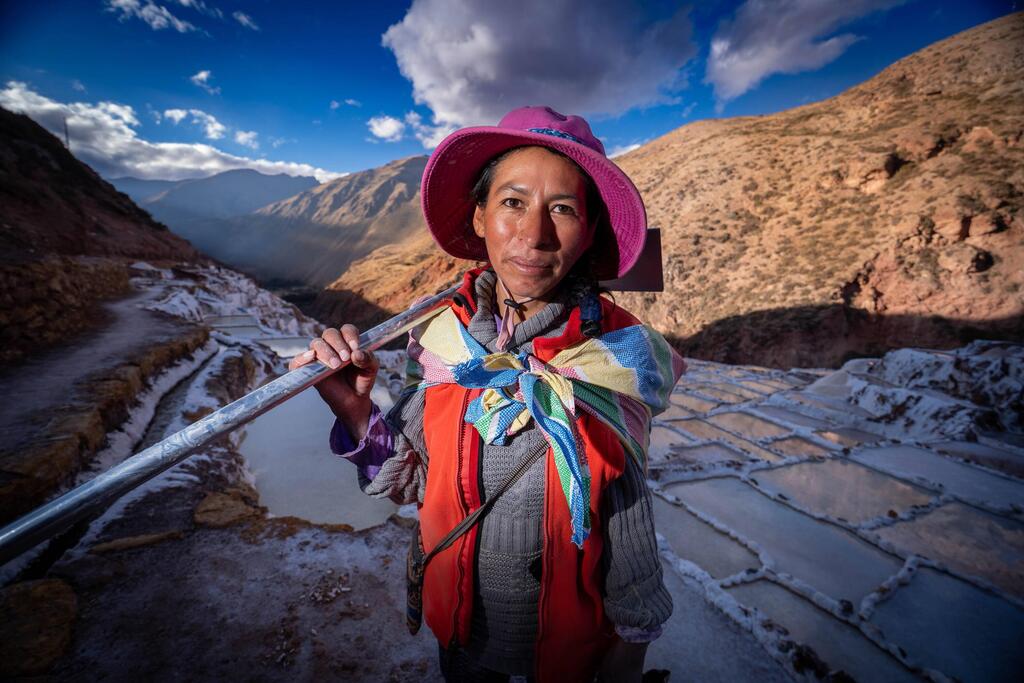
A worker at the Maras salt ponds
(Photo: Limor Zadok)
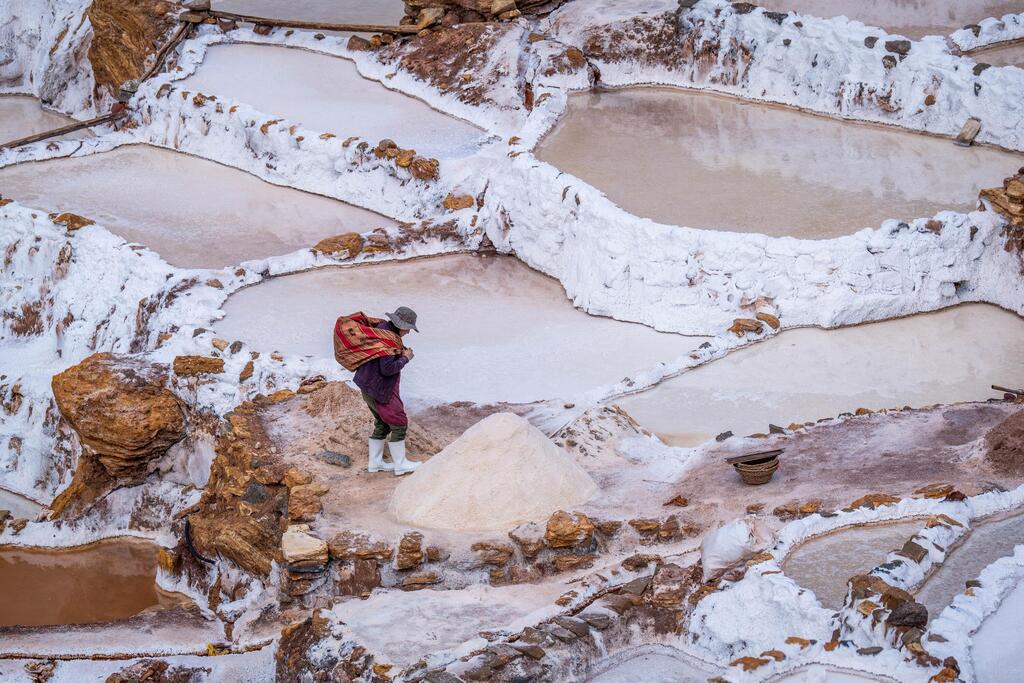
(Photo: Limor Zadok)
Once used for preserving food and rituals, Inca nobles were even mummified with salt. Wages were paid in salt, giving us the word "salary".
Meeting the people of the Andes
In remote valley villages, we met locals dressed in red tutu skirts and bright hats, their children peeking at us like rare guests.
Thanks to Uri Cohen, an Israeli who’s lived here for years, we were welcomed into homes and shared in daily chores. At mealtime, we were offered a local delicacy - roasted guinea pig, a traditional dish in the Sacred Valley. We joined ancient ceremonies and learned about their bond with the earth.
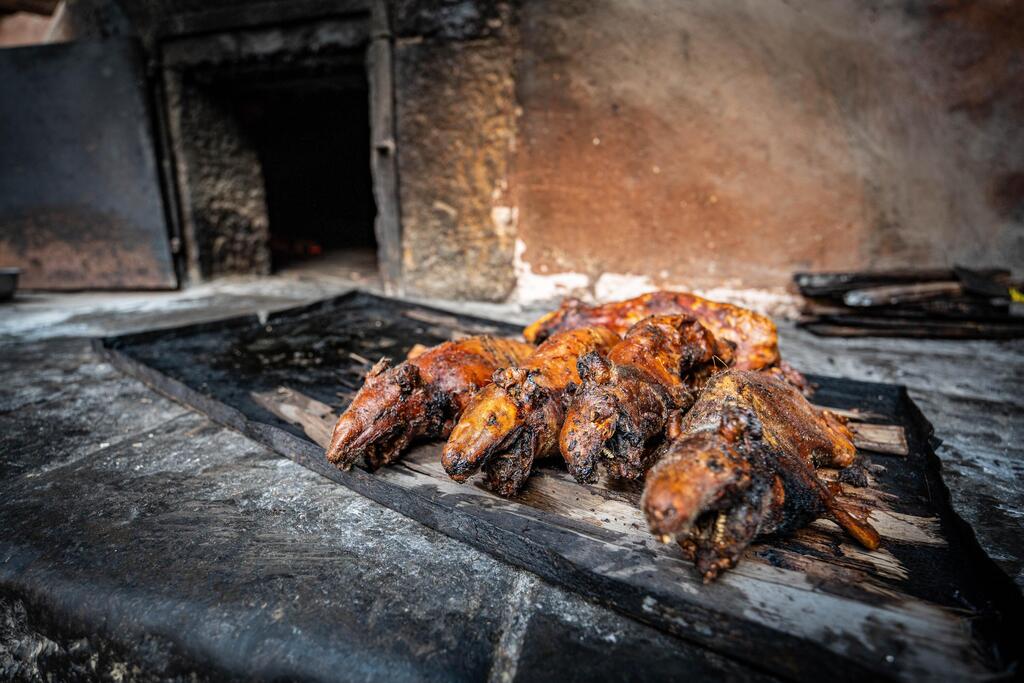
Roasted guinea pig
(Photo: Limor Zadok)

Meeting with the Andes
(Photo: Limor Zadok)
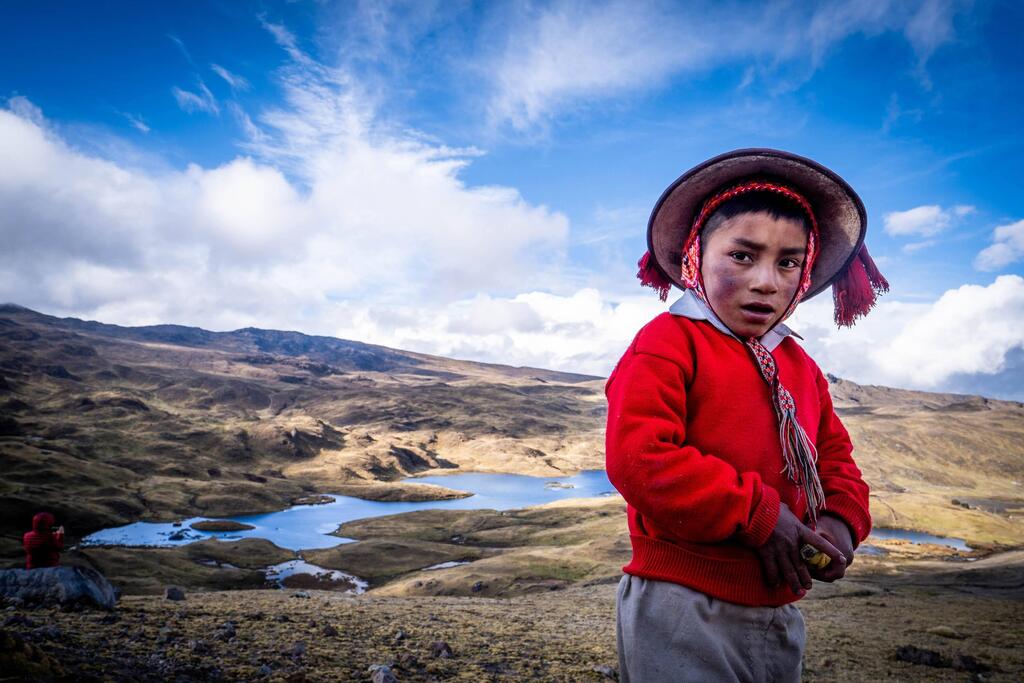
(Photo: Limor Zadok)
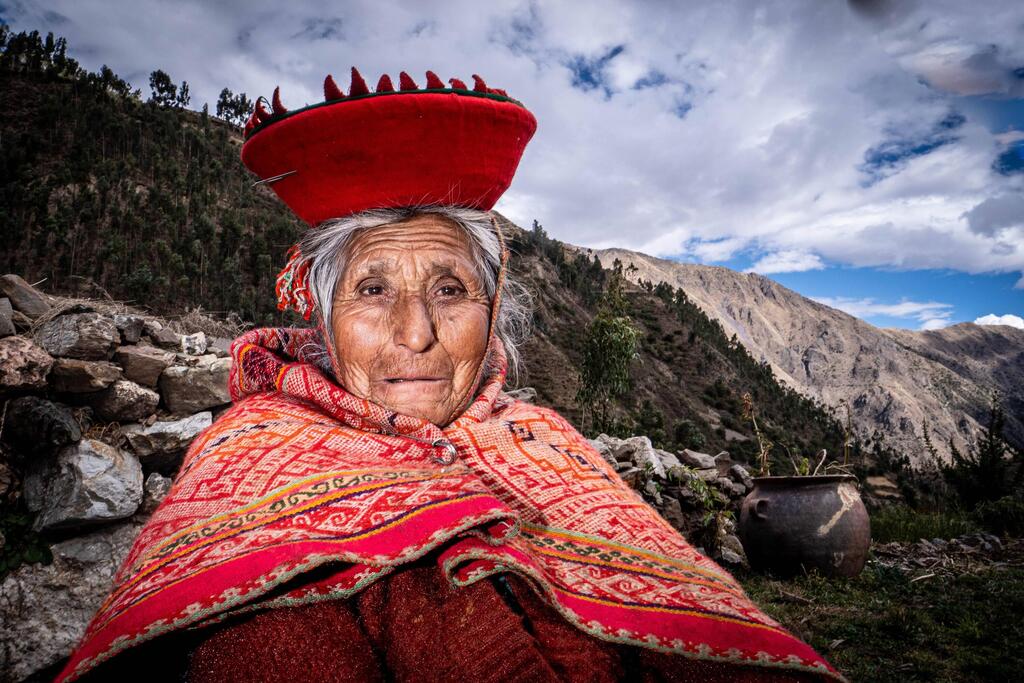
(Photo: Limor Zadok)
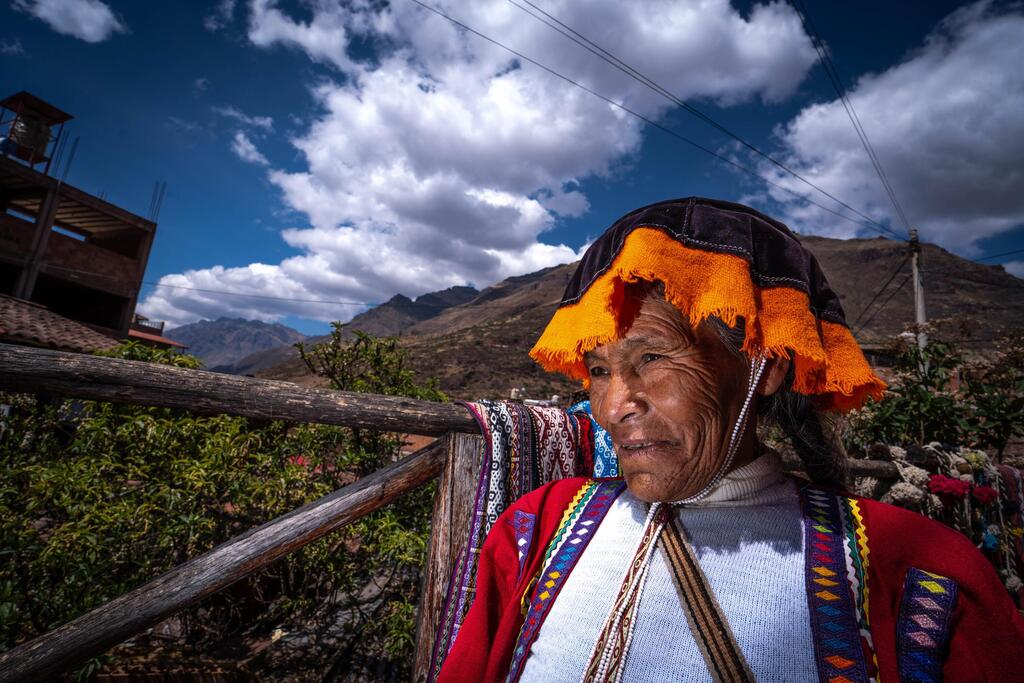
(Photo: Limor Zadok)
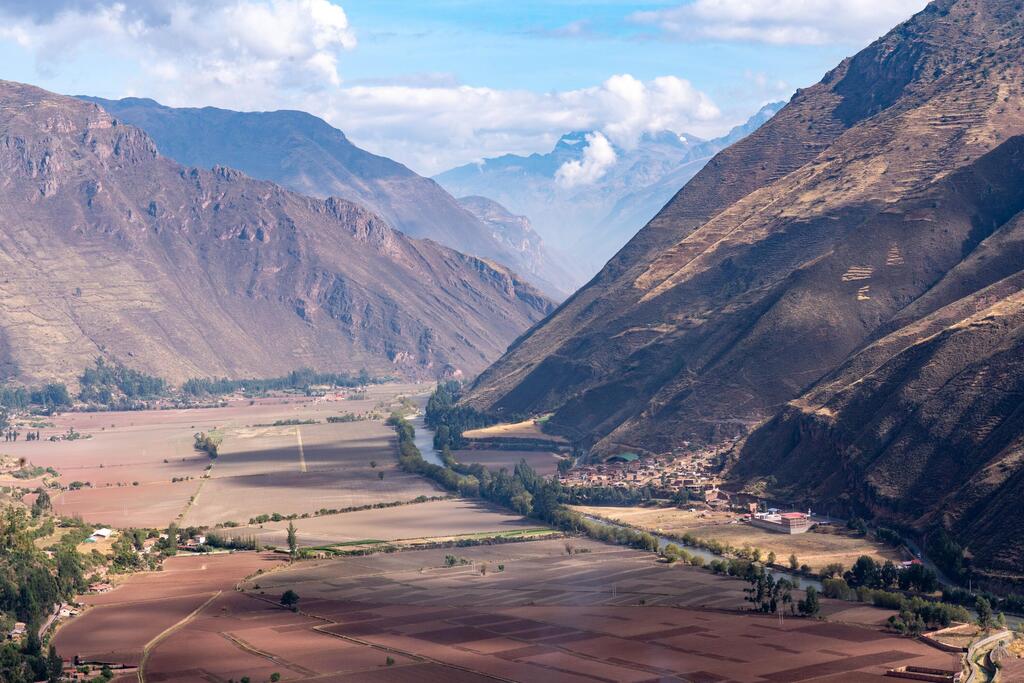
Sacred Valley
(Photo: Limor Zadok)
At an altitude of 4,300 meters, near a clay oven and steaming kettle of coca-leaf tea, something special happened: Our son Naveh connected with six-year-old Alvaro. Through Naveh's phone screen, Alvaro saw, for the first time, the vastness of Peru, his birthplace, Lima, the Amazon, and landscapes he had only heard about from his parents.
Machu Picchu and the mountain of seven colors
The pinnacle of our journey was Machu Picchu. After days of traveling in trains and buses through valleys and villages, the lost city revealed itself in the morning mist. We stood silent before ancient stone terraces and temples, a place where history feels alive.
After Machu Picchu, we headed to Rainbow Mountain. The 5,000-meter climb, while a light snow fell, made each step deliberate. When the sun broke through, it unveiled breathtaking stripes of color, geological layers painted over millions of years.
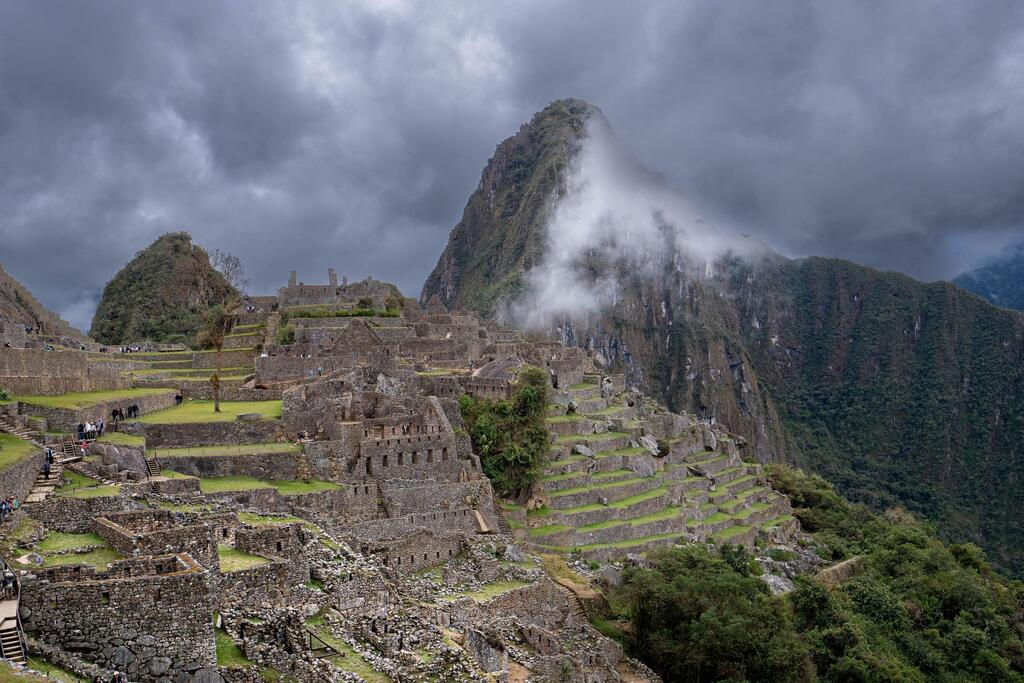
Machu Picchu
(Photo: Limor Zadok)
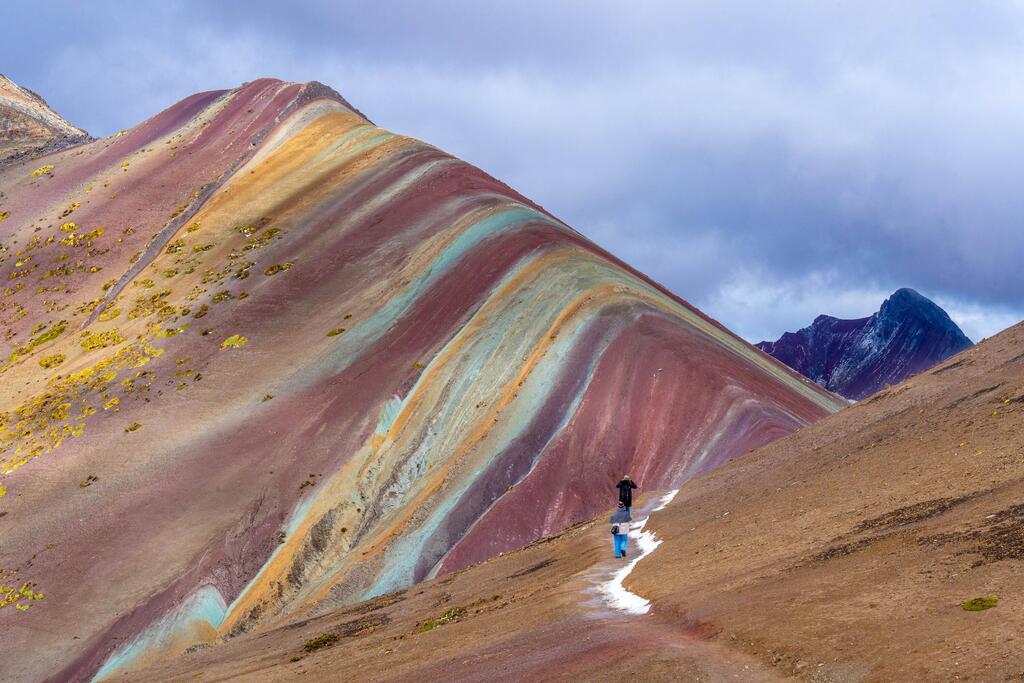
Rainbow mountain
(Photo: Limor Zadok)
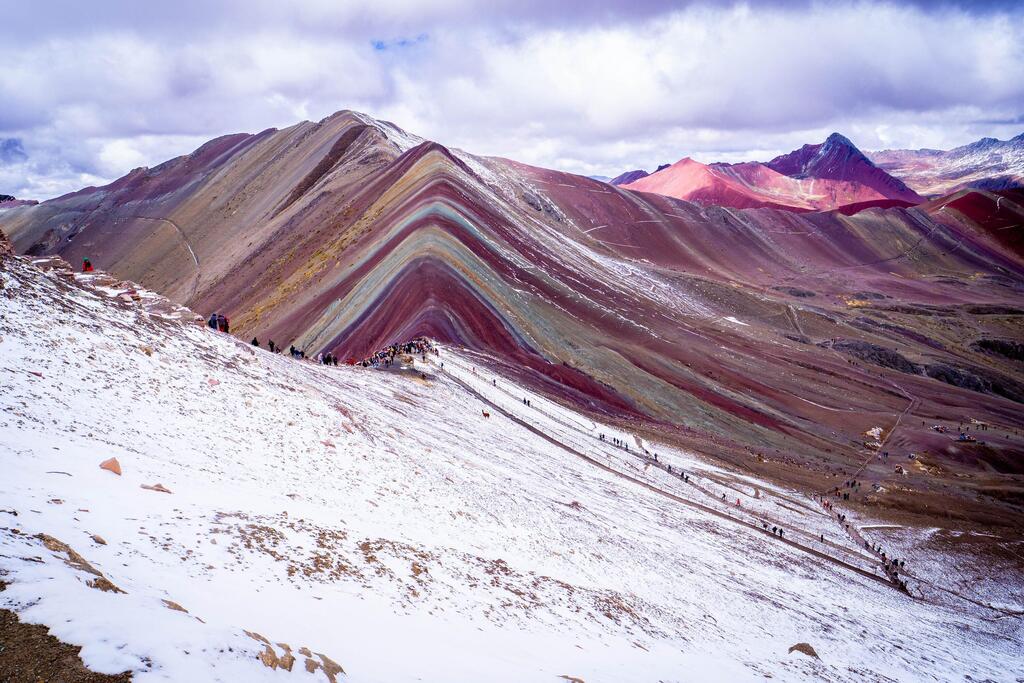
Rainbow Mountain
(Photo: Limor Zadok)
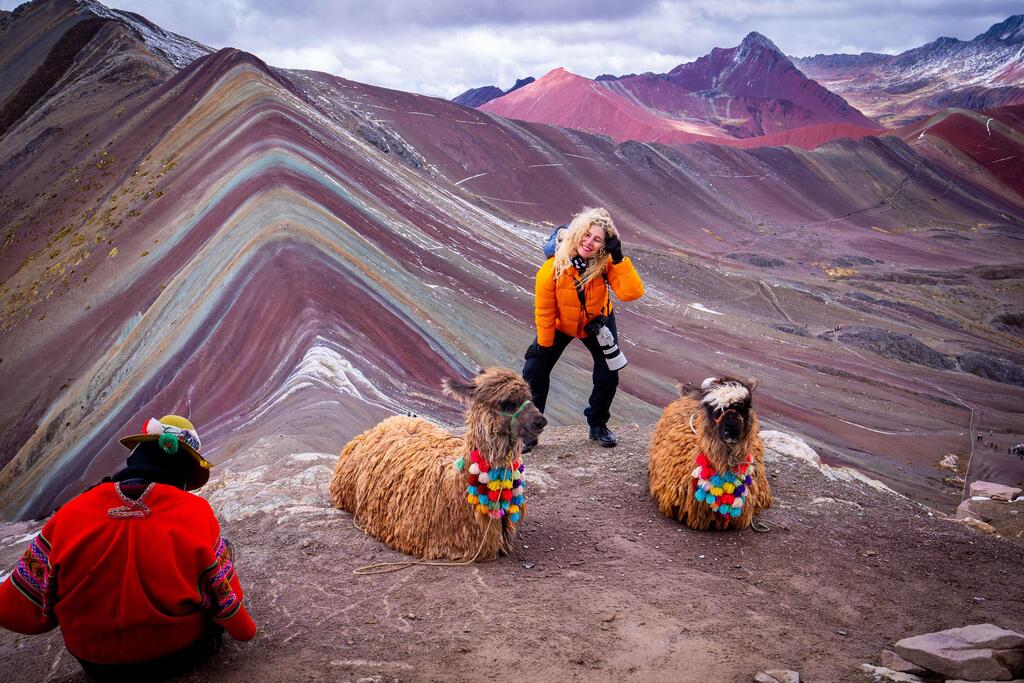
Limor Zadok in rainbow mountain
For the Quechua people, the mountain is sacred, and the trek is as spiritual as it is physical. Here, amid the strength and splendor of nature, we realized our journey was also internal, a connection between past, present and nature.
Huaraz: Chasing peaks and glaciers
Our final chapter took us to the Huaraz region in the central Andes, where we trekked through dazzling trails: turquoise lakes hidden between snow-capped summits, mighty glaciers reminding us of nature’s fragile strength, and lush valleys carved by roaring rivers.
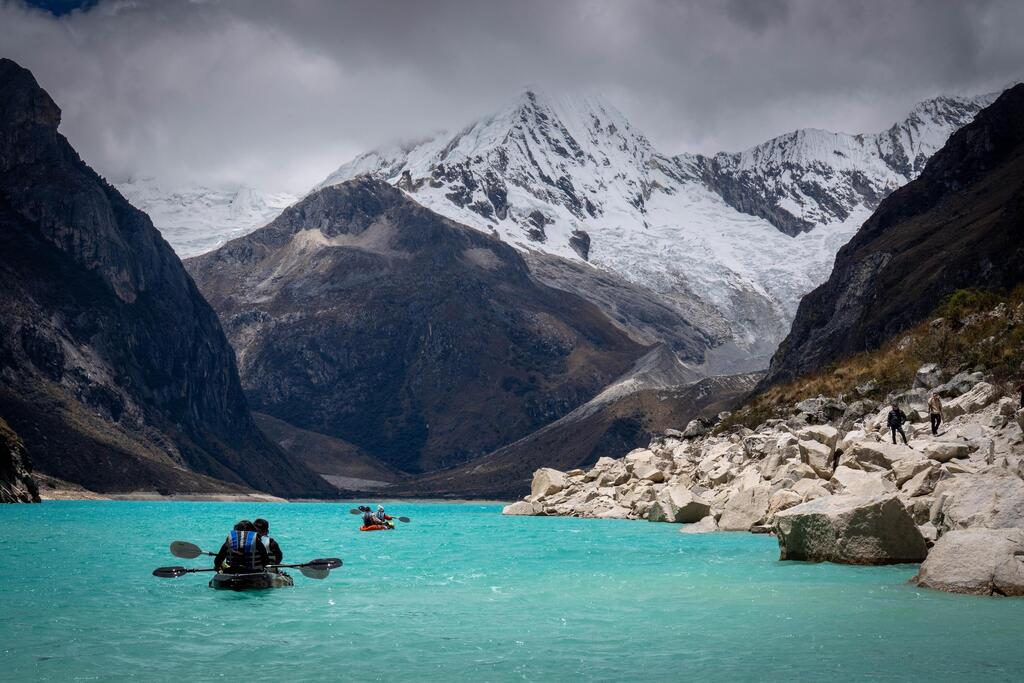
Parón lagoon
(Photo: Limor Zadok)
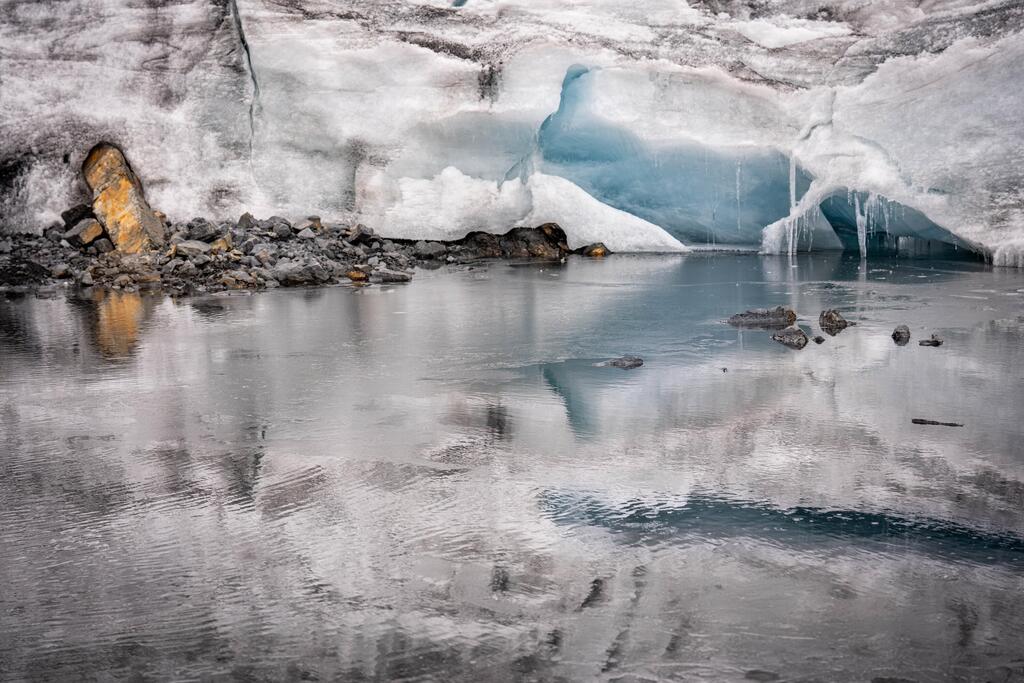
Pasrurori Glacier
(Photo: Limor Zadok)
(Photo: Limor Zadok)
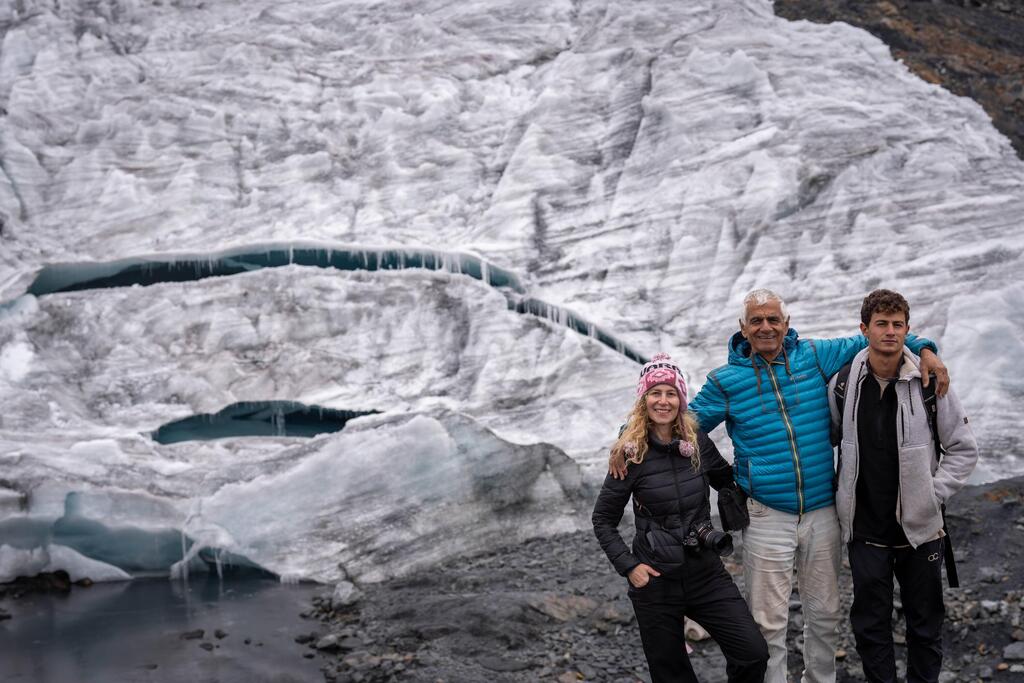
(Photo: Limor Zadok)
We discovered Peru’s “Little Patagonia”: neon-blue Laguna 69, the Pastoruri Glacier at an altitude of 5,000 meters, and the five-day Huayhuash trek. Our advice: allow at least two days to acclimate to the altitude, and visit between May and September for blue skies and stunning views.
A farewell - swimming with sea lions
Before heading home, we swam with sea lions off Palomino Island near Lima. The water was freezing, and we could feel the end of our journey setting in. Then they appeared - thousands of playful, curious sea lions, circling us with joyful energy.
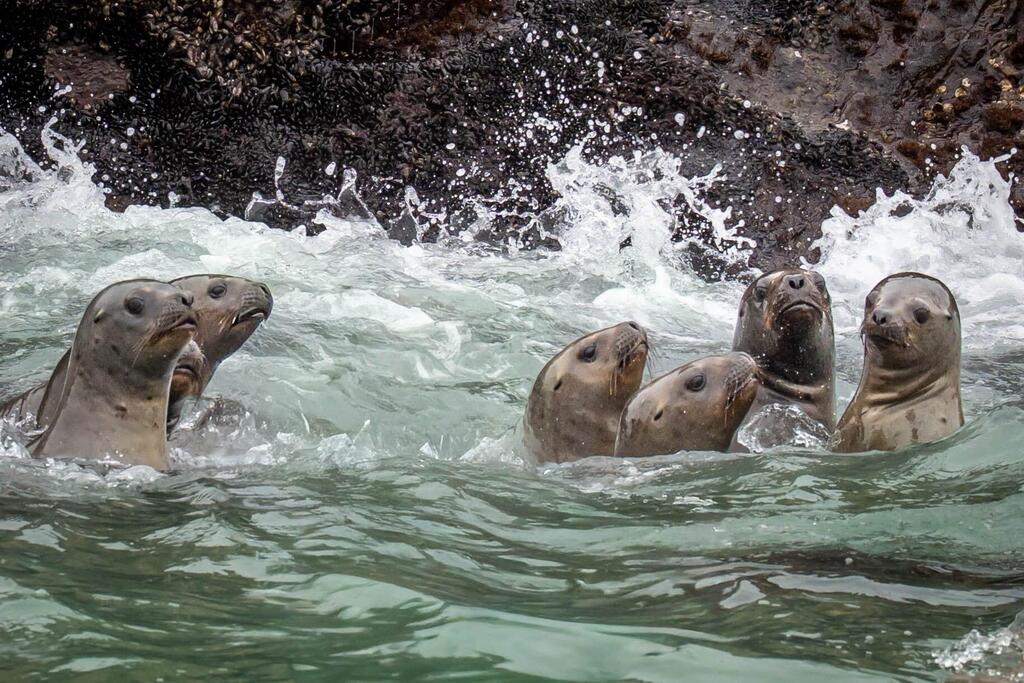
Playful sea lions
(Photo: Limor Zadok)
With no natural predators, these animals never developed aggression. It felt like they were inviting us to join their aquatic games.
Between the Andes and the Pacific, we found our Peru, not just a place on the map, but a connection to land, culture, creation and history. A moment to be truly present. Together.
Limor Zadok is a writer for Masa Acher Online, a photographer, tour guide and psychoanalytic analyst.