

An extraordinary archaeological discovery in Egypt’s Sinai Peninsula is shedding new light on ancient Egyptian defense strategies. A team from Egypt’s Supreme Council of Antiquities has uncovered a Roman-era fortress and soldier barracks dating back over 2,000 years, according to a report by Live Science.
The fortress, located at Tell Abu Saifi, was in use during both the Ptolemaic period (circa 304–30 BCE)—when Egypt was ruled by Ptolemy I, one of Alexander the Great’s generals, and his descendants—and the Roman period (circa 30 BCE to 642 CE), when Egypt was a Roman province.
Gallery
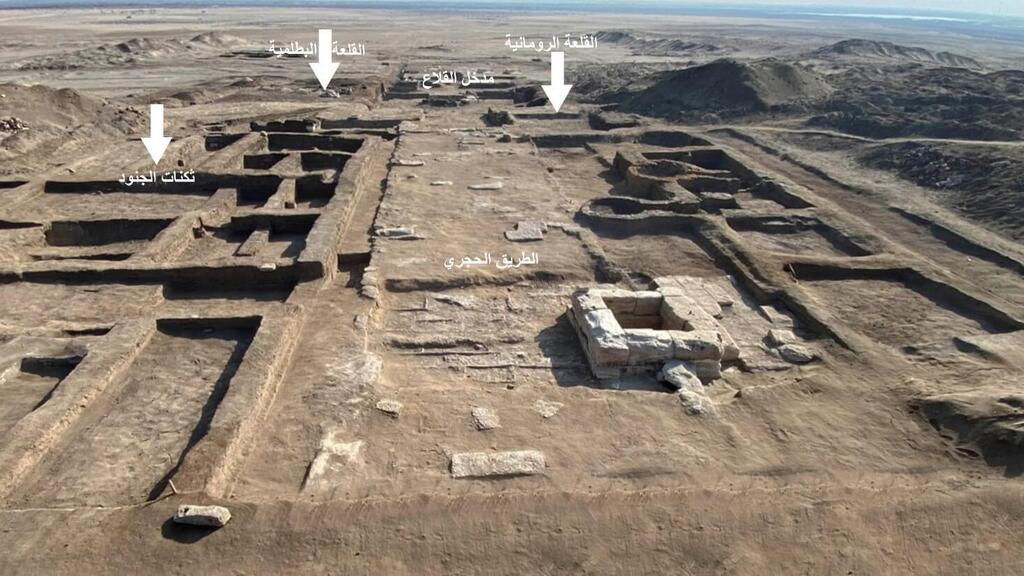
Remains of a fortress that were discovered
(Photo: Egyptian Ministry of Tourism and Antiquities)
Among the findings were 500 circular clay formations from the Ptolemaic era, leading toward the fortress. While the region’s climate 2,000 years ago remains unclear, archaeologists believe these circles were used for planting trees. During the Ptolemaic period, the fortress was reportedly surrounded by a moat more than two meters deep, highlighting its strategic importance in defending Egypt’s eastern border.
Throughout their rule, the Ptolemies faced threats from the Seleucid Empire, established in 312 BCE by Seleucus I and at its height ruling over regions including present-day Israel, the Roman Republic, and local rebel factions in Egypt.
(Photo: Egyptian Ministry of Tourism and Antiquities)
Dr. Elizabeth Macaulay of the City University of New York’s Graduate Center, who was not involved in the dig, told Live Science that the planting circles were a remarkable find. “It’s quite possible trees were planted in them,” she said. “Five hundred trees is a significant number, but there’s archaeological and papyrological evidence of large-scale cultivation in Ptolemaic Egypt—grapes, fruit trees, and others. If the excavation team uncovers root remains, it could help confirm the use of the circles and identify the tree species.”
(Photo: Egyptian Ministry of Tourism and Antiquities)
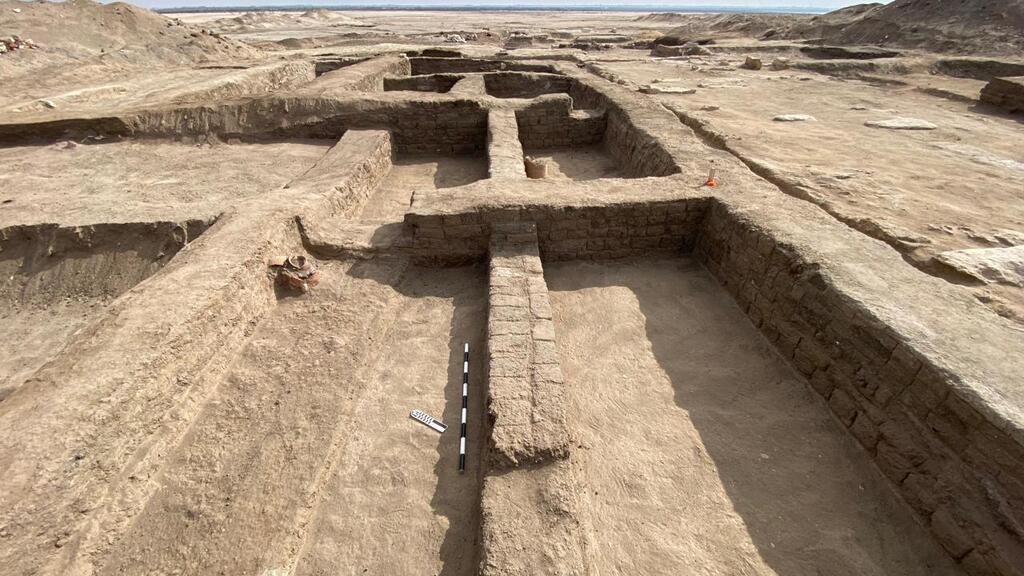
The team also uncovered additional Roman-era remains, including what appear to be soldiers’ quarters, offering rare insights into the daily life of cavalry units stationed there during the reigns of emperors Diocletian and Maximian. A 100-meter-long, 11-meter-wide limestone-paved road leading to the fortress was likely used by military units en route.
<< Get the Ynetnews app on your smartphone: Google Play: https://bit.ly/4eJ37pE | Apple App Store: https://bit.ly/3ZL7iNv >>
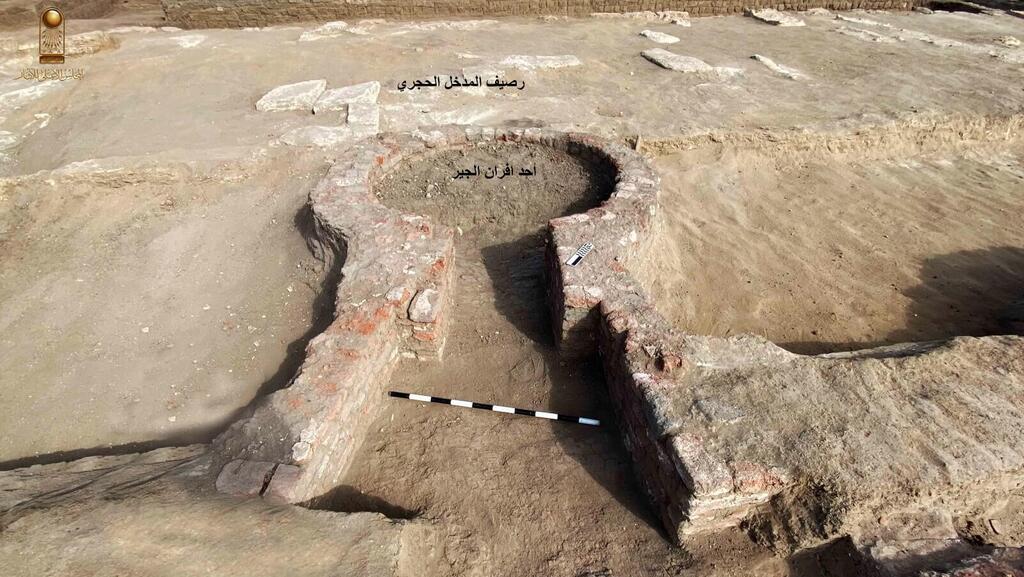
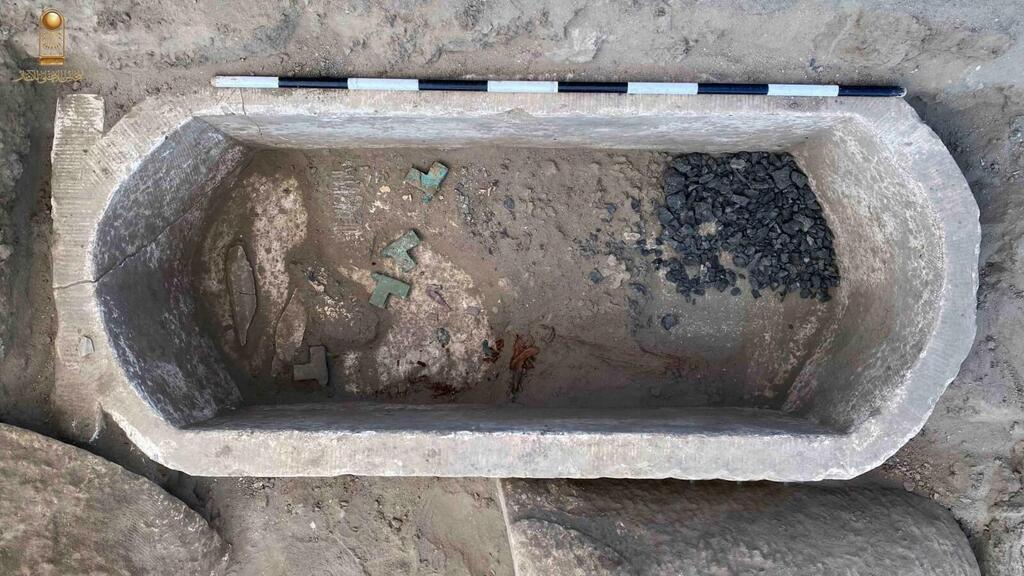
Further discoveries include four large furnaces, suggesting the site evolved into an industrial center by the end of the Roman era. In an unexpected twist, archaeologists also unearthed the four corners of what may be an even older structure—possibly another fortress—though its age and purpose have yet to be confirmed.
(Photo: Egyptian Ministry of Tourism and Antiquities)
Once dated, this structure could significantly deepen the historical significance of Tell Abu Saifi and pave the way for further research into Egypt’s ancient military history and the longstanding strategic role of the Sinai Peninsula. The finds offer a glimpse into how the region's natural resources and fortifications were used to secure influence across the Mediterranean.