

Hungarian low-cost giant Wizz Air has extended its cancellations of flights to and from Israel by another week, through May 26. The extension comes after the Transportation Ministry decided last week to freeze talks with the Hungarian carrier on establishing an operating base in Israel.
Just a few months ago, the state advanced a major regulatory move meant to allow Wizz Air to establish a hub at Ben Gurion Airport — a plan that included a roughly $1 billion investment, stationing 10 aircraft in Israel and adding dozens of new routes. The Transportation Ministry viewed the move as a lever to increase competition and lower airfares, while Israeli airlines warned it could undermine fair competition and their ability to maintain aviation continuity during emergencies.
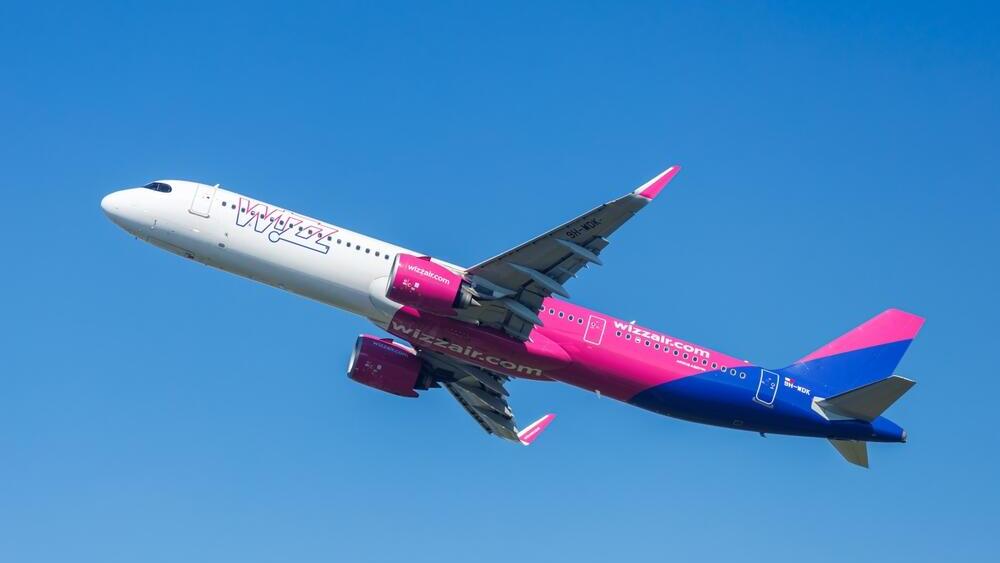
Wizz Air takes off — but still not to Israel
(Photo: Markus Mainka / Shutterstock)
One of the main obstacles to establishing the base was the ban on foreign airlines parking planes overnight at Ben Gurion Airport — a basic requirement for operating a permanent base. In February, an interministerial committee approved removing the restriction, a move seen as a significant step toward establishing Wizz Air’s base in Israel. But despite the regulatory progress, the company continued extending its flight cancellations to Israel, and now the entire move has been frozen.
Against the backdrop of Wizz Air’s continued cancellations, the state of Israel’s aviation industry continues to shift. Some foreign airlines have already resumed routes to Ben Gurion Airport, including Aegean Airlines, Etihad Airways, Flydubai, Hainan Airlines and Cyprus Airways.
At the same time, several major airlines are still delaying their return to Israel. The Lufthansa Group said it would continue canceling flights through June, British Airways and Iberia Express extended their cancellations through the end of June, while U.S. carriers Delta, United and Air Canada have suspended their Israel routes until September. AirBaltic, Norwegian, KLM and Air France have also yet to resume operations.
Meanwhile, the European Union Aviation Safety Agency extended its recommendation that airlines avoid operating in Israeli airspace and in other countries in the region until May 12. The advisory was first issued Feb. 28, at the start of the confrontation between the United States and Israel and Iran, and has since been extended several times.