

Danielle Wolfson, the first Israeli woman to reach the summit of Mount Everest, has achieved another milestone in her remarkable climbing career. This week, the 47-year-old scaled Manaslu, the world’s eighth-highest peak at 8,163 meters, unfurling the Israeli flag at the summit.
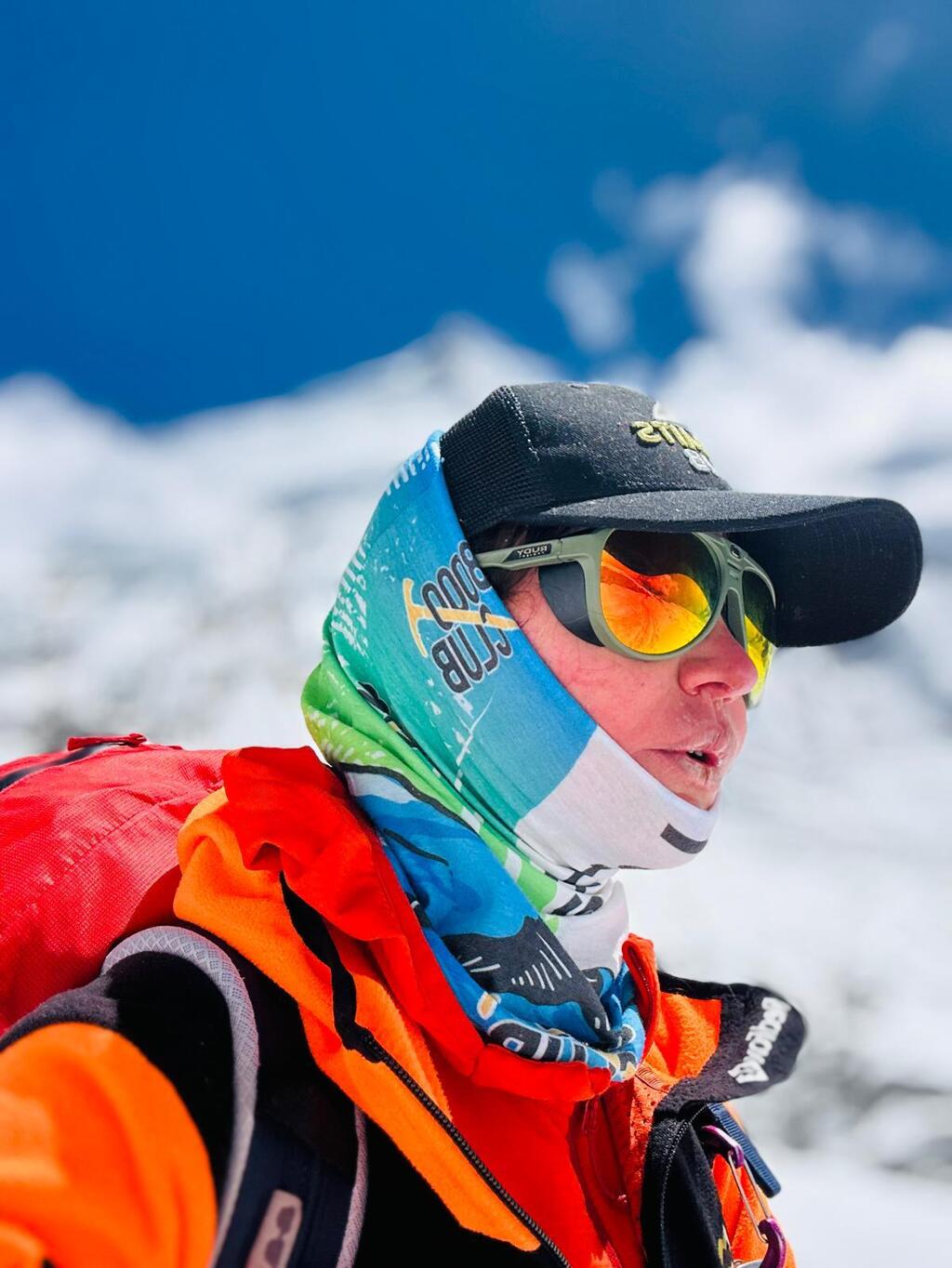
“This is something incredible,” Wolfson told Ynet in an interview, her face marked by frostbite after the grueling climb. “There were tough days, but now I feel good—exhausted and drained, but good.”
Danielle Wolfson at the top of Manaslu
(Video: Danielle Wolfson)


Wolfson conquered Everest in 2021 and soon after set herself an even greater challenge: to climb all 14 of the world’s peaks over 8,000 meters. Manaslu, located in Nepal’s Himalayas and known as the “Mountain of the Spirit,” is the fourth on her list, following Everest, Lhotse, and Makalu.
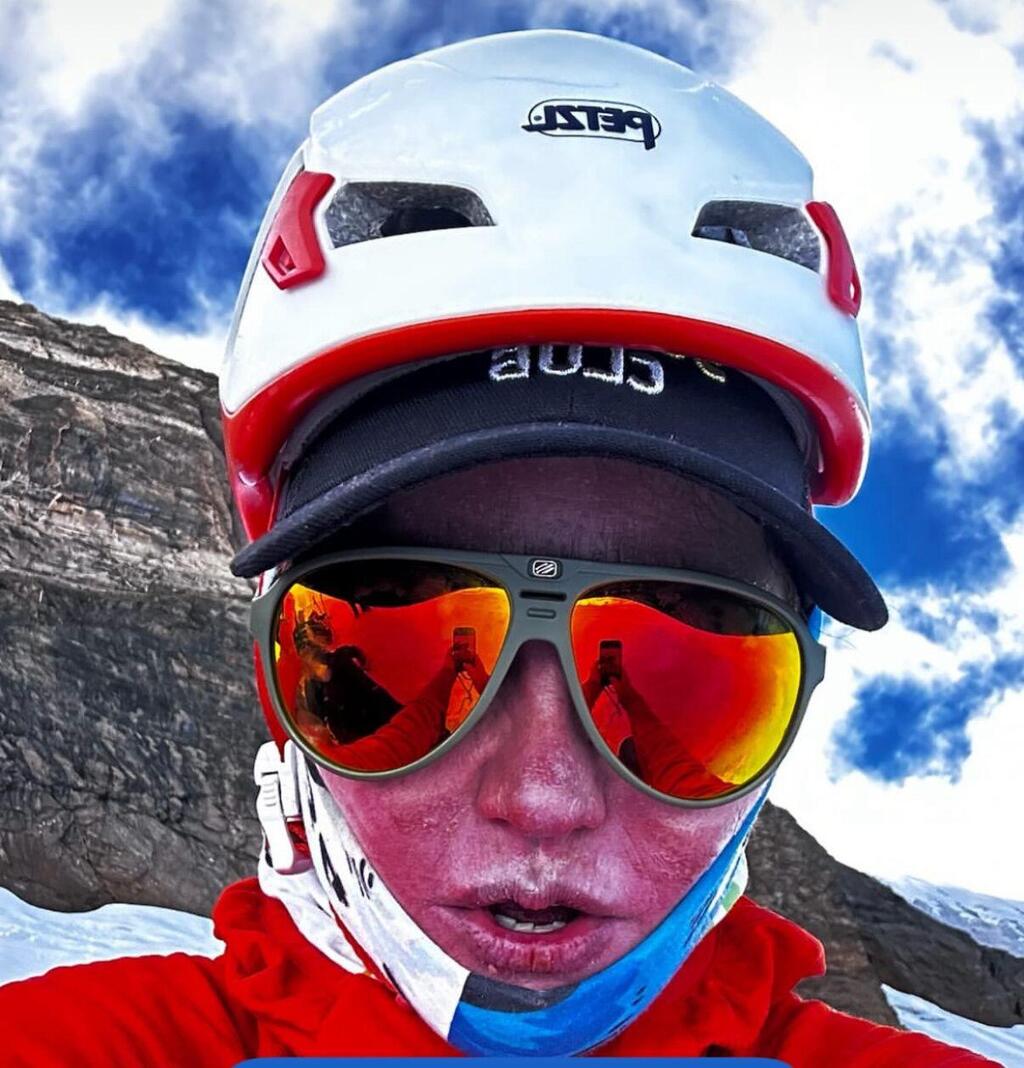
She embarked on the project in the shadow of personal loss, shortly after her mother Larisa passed away. “I felt that my mother was watching over me,” Wolfson said. Her son Ariel, she added, asked for only one thing: “that I come back healthy and safe—and I did.”
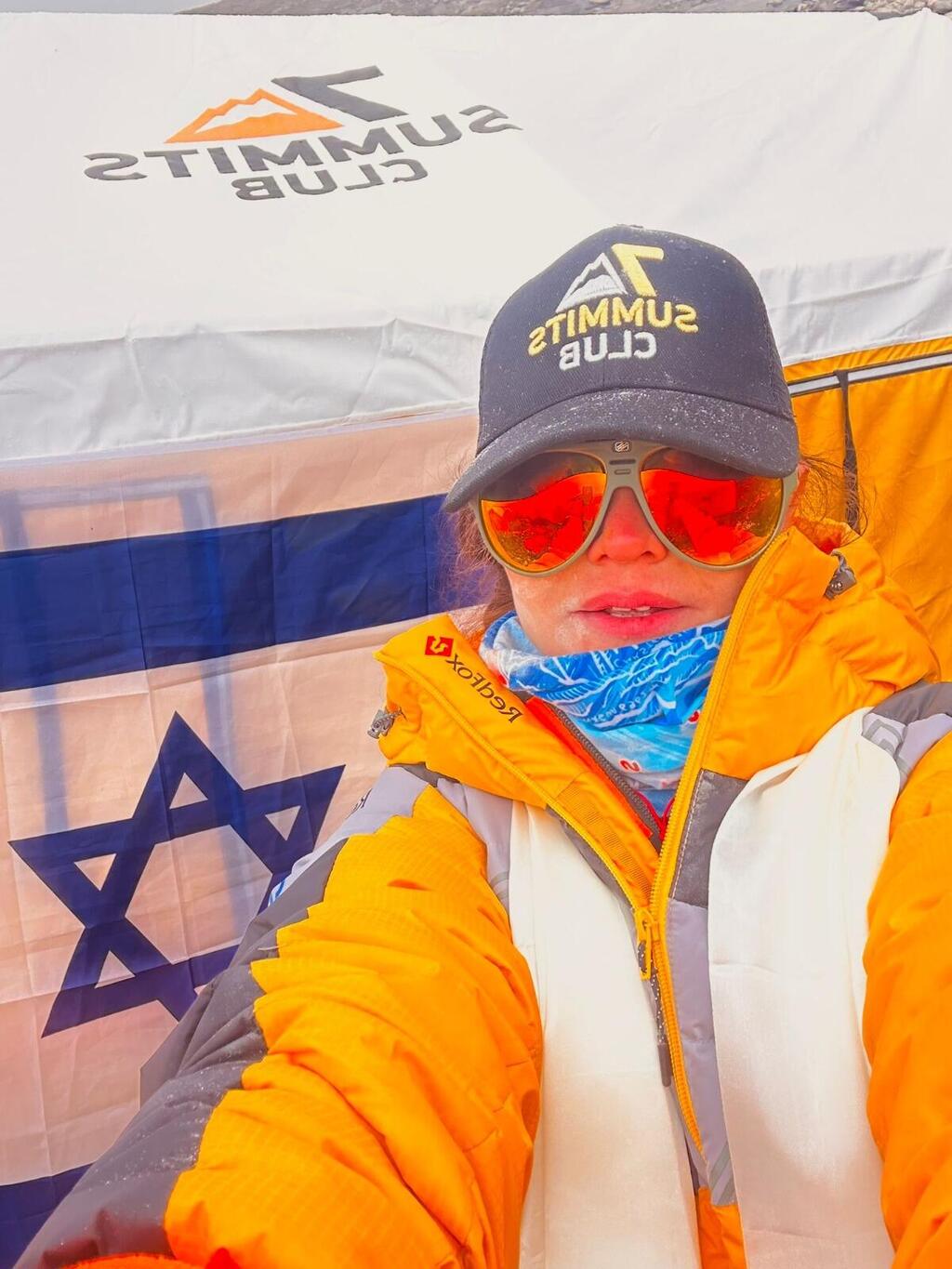
(Photo: Danielle Wolfson)

(Photo: Danielle Wolfson)
Wolfson joined a 7 SUMMIT expedition of 12 men led by Russian-Jewish mountaineer Alexander Abramov, a veteran who has summited Everest 12 times. She was the only woman in the group and also took part in the leadership and support team.
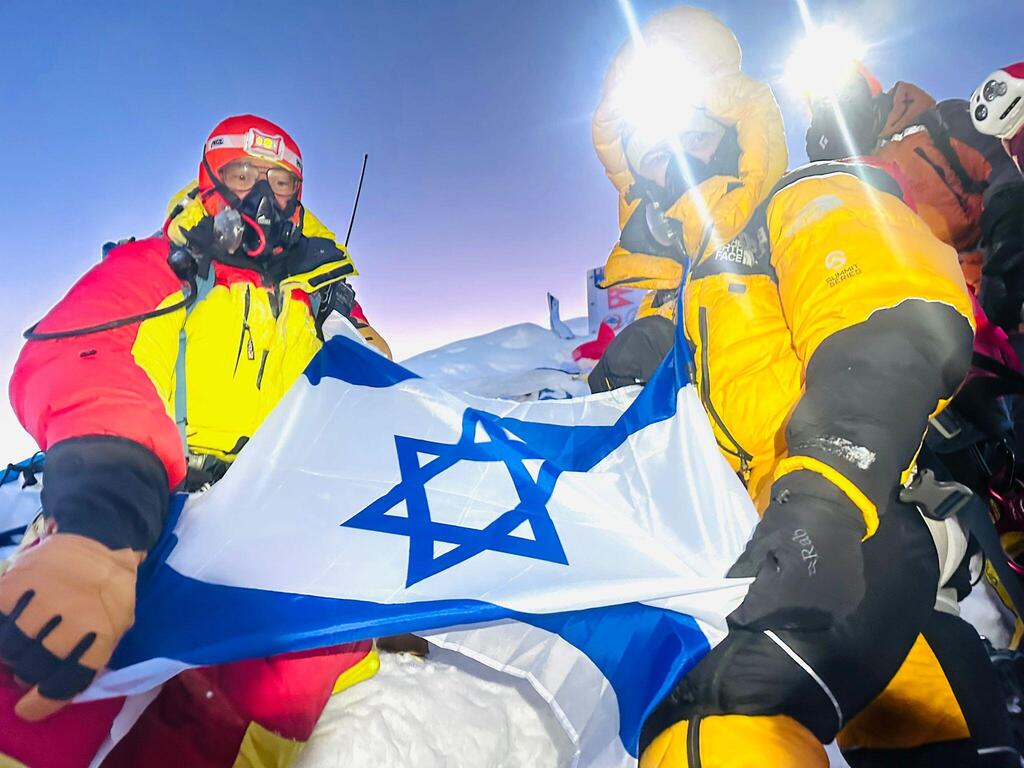
(Photo: Danielle Wolfson)
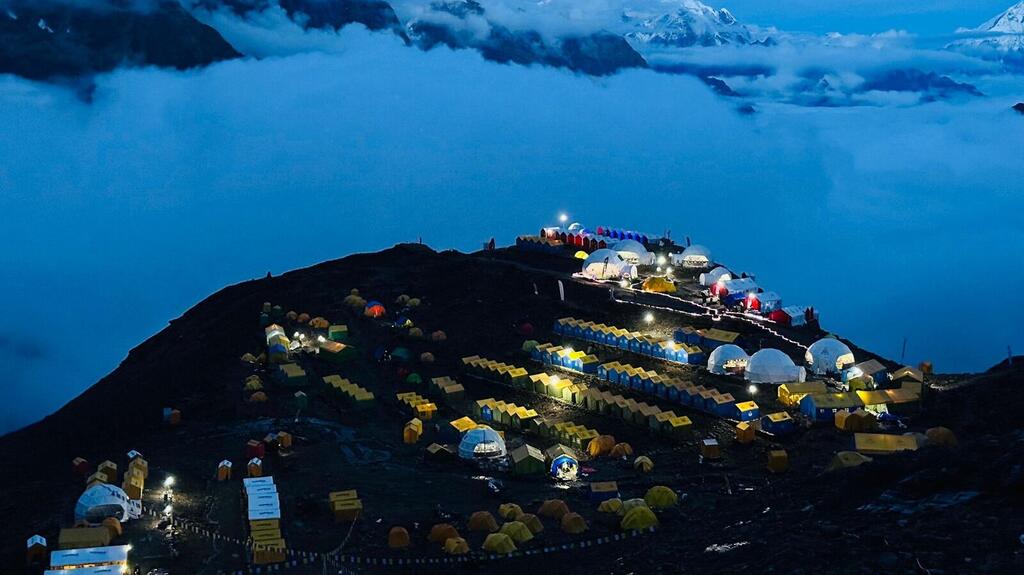
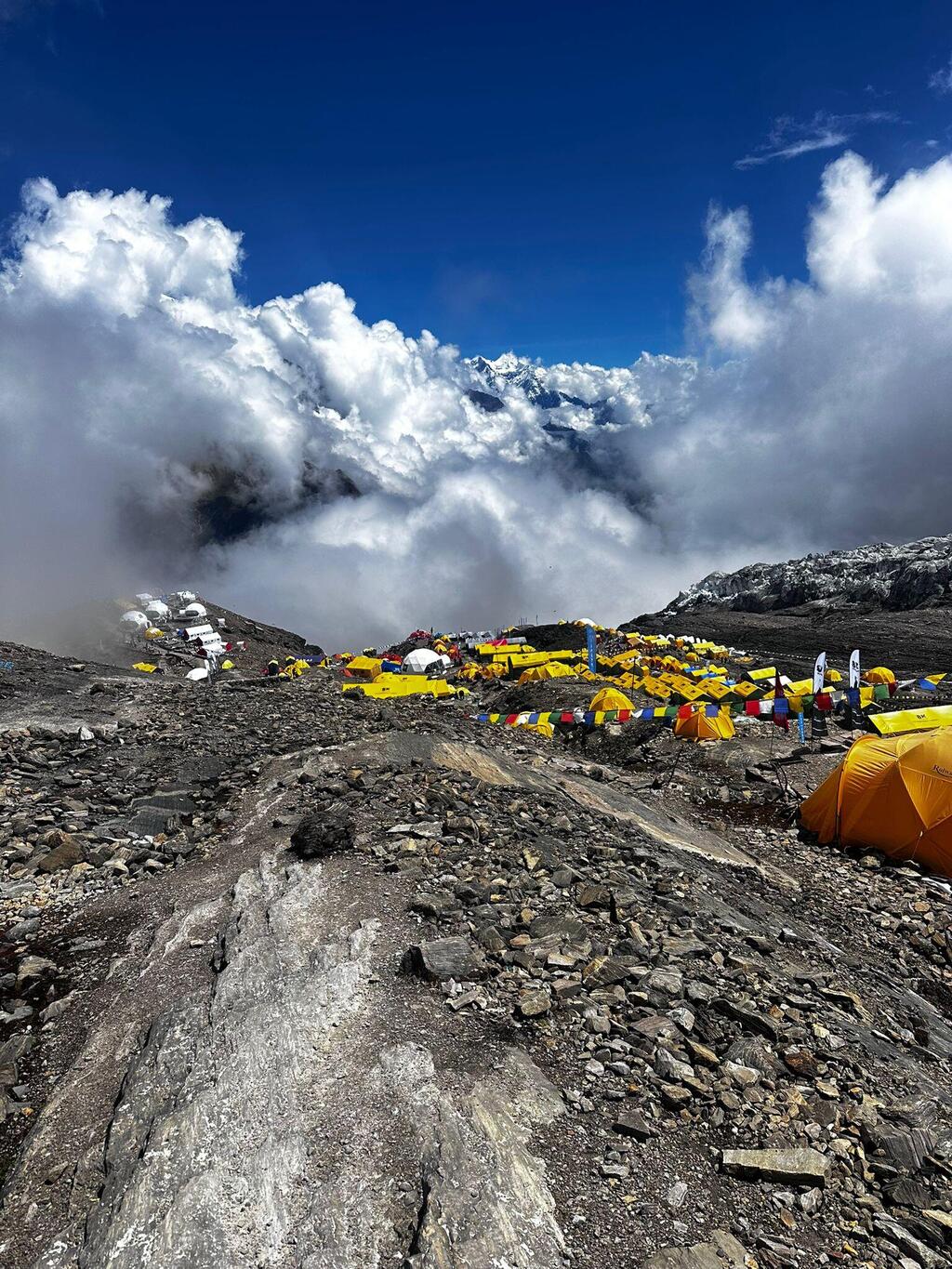
A camp on the mountain
(Photo: Danielle Wolfson)
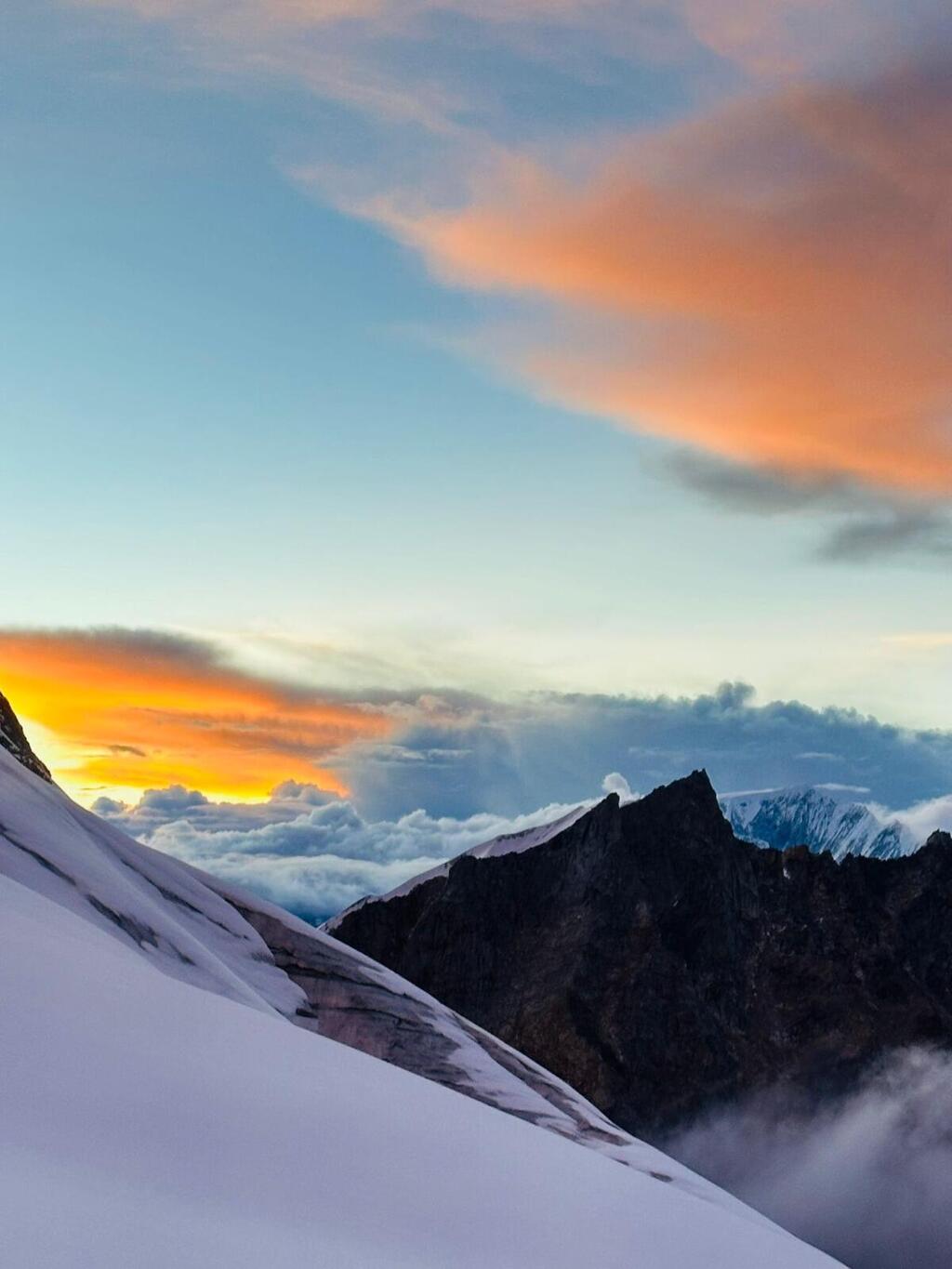
The climb, which lasted about a month, involved a series of base and high camps between 4,800 and 7,300 meters, glacier crossings, and technical ascents over crevasses. Despite protective gear and sunscreen, the intense radiation at high altitude left her skin badly burned. The final summit push lasted around 36 hours without rest, ending in success when the entire team reached the top and returned safely.

(Photo: Danielle Wolfson)

(Photo: Danielle Wolfson)
“As an Israeli climber, the first thing I do is hang the Israeli flag on my tent at base camp,” she said. “There were no signs of antisemitism or anti-Israel sentiment on the mountain, and there were climbers from all over the world—including from Iran.”
(Photo: Danielle Wolfson)
Looking ahead, Wolfson is determined to complete all 14 summits. “This is a tough, expensive, and complex project,” she said. “Next year, I plan to climb two peaks—either Shishapangma or Cho Oyu, depending on which ones reopen in Tibet. In April, I plan to attempt Kanchenjunga.”

(Photo: Danielle Wolfson)
Her resilience is all the more remarkable given her past. About 15 years ago, Wolfson suffered a devastating injury when she fell from a ski lift in Bulgaria. Doctors told her she might never walk again, let alone climb. “I woke up attached to tubes,” she recalled. “They told me I had broken my femur and now had a titanium plate running the length of my right leg.”
(Photo: Danielle Wolfson)
During her hospital stay in Sofia, she made herself a promise. “I felt I had to do something beyond my limits. I told myself, ‘I’ll show everyone—I will climb Everest.’ It sounded crazy, almost insane. Back then, I knew nothing about climbing except that Everest was the highest mountain in the world.”

(Photo: Danielle Wolfson)
Rehabilitation doctors offered only limited hope—some said she would walk only with a cane, others that she would always limp. But eight months of daily physiotherapy changed the prognosis. “Every time they said no, I told myself yes,” she said. “I know how to be stubborn. It’s part of my Russian upbringing.”
(Photo: Danielle Wolfson)

(Photo: Danielle Wolfson)