

From Antarctica to Mombasa and the Canary Islands, Fodor’s travel guide has published its annual list of destinations it recommends avoiding in the coming year, the Fodor’s No List. We can do little but share the warning. “The No List is not a call for boycott,” the editors stressed. “Its purpose is to point to places where tourism is putting unsustainable pressure on the environment and on local communities.”
The introduction adds that longtime readers may notice some familiar names missing this year, Venice or Barcelona, for example. Those destinations have not been magically cured and remain mired in problems, but the usual suspects often draw attention away from other hotspots that need a break. The list is meant as a gentle but precise nudge to reduce pressure on a place for now, not forever, and to give rest to locations that clearly need it.
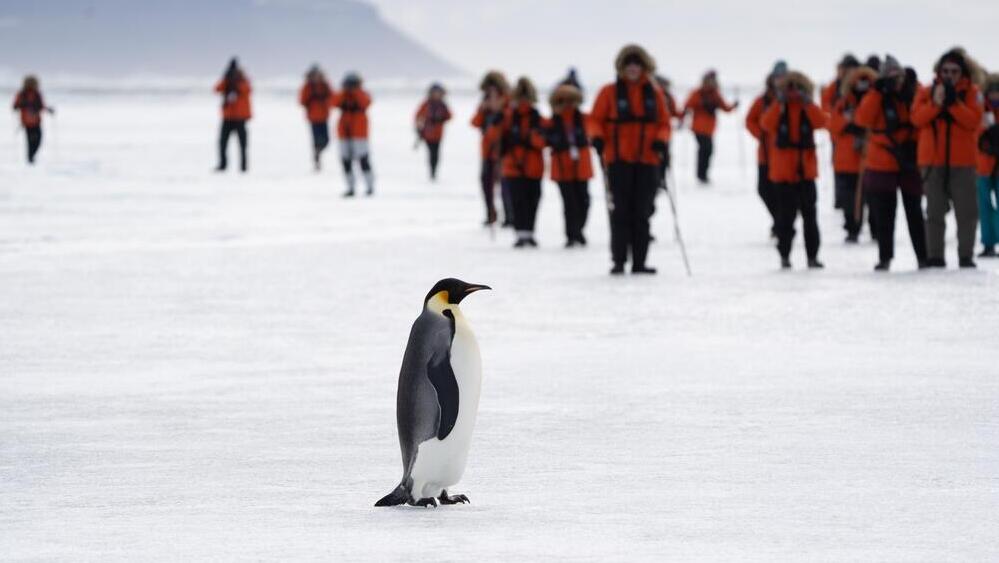
Antarctica
The southernmost continent is suffering a sharp rise in tourism, even though it has no visitor based economy and no need for tourist dollars, the list’s authors noted. About 120,000 visitors reached Antarctica in the 2023 to 2024 season, and the number could double by 2033, raising fears of direct damage to one of the world’s most sensitive regions.
Researchers and field experts say the Antarctic experience can be valuable if it translates into environmental awareness, but in practice the reality is more complicated. While organized expedition ships create a cumulative, if limited, strain on habitats, the growing concern is private vessels and ships that are not subject to oversight bodies. These often operate without coordination or commitment to environmental rules, exposing the area to unmanaged pressure.
Because there is no official cap on visitor numbers, environmental organizations warn that Antarctica is sliding toward mass tourism that clashes with its fragile character. Volunteer groups such as the International Association of Antarctica Tour Operators try to set standards, but without authority to limit entry the situation could worsen.
Canary Islands, Spain
The Canary Islands are facing intense tourist overcrowding, especially on Tenerife, Gran Canaria and Lanzarote. More than 7.8 million visitors arrived in the first half of 2025 alone, an unprecedented surge that has fueled mass protests under the slogan, “The Canaries have a limit.”
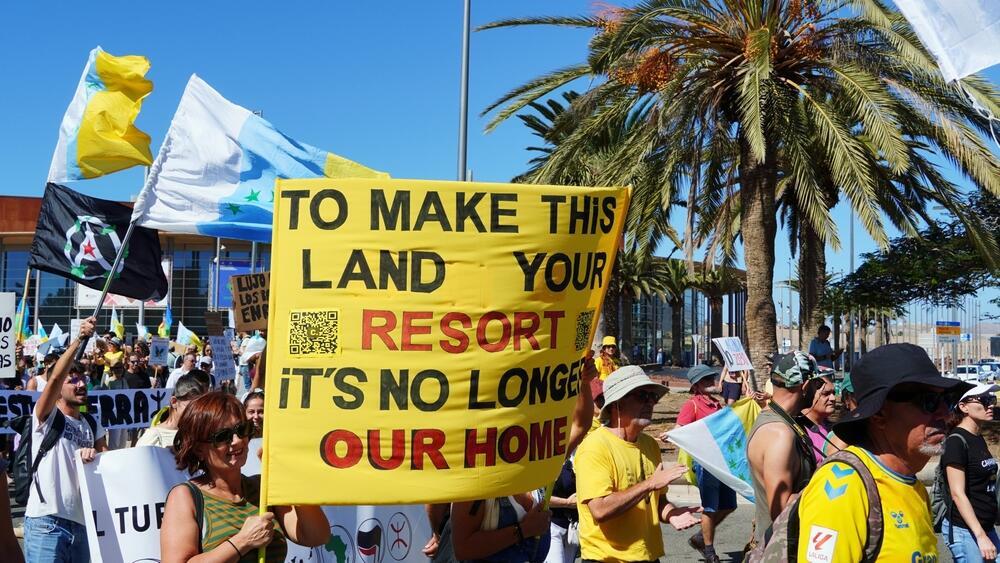
Canary Islands
(Photo: Canary4stock / Shutterstock)
The list’s writers said traffic congestion, soaring housing prices and pressure on water sources have made daily life harder for residents. Environmental groups report severe harm to biodiversity and a shrinking of natural areas. Short term rentals such as Airbnb have pushed local apartments out of reach for young people and longtime residents.
New regulations aimed at limiting vacation rentals have yet to make a real impact. Activists warn that new projects and hotels keep getting approved while basic infrastructure, water, roads and drainage, is buckling under the load.
Glacier National Park, Montana
Glacier National Park is undergoing one of the most serious environmental crises in the United States. Of the 150 glaciers present at the start of the 20th century, only 27 remain, and they may vanish by 2030. That reality is driving a wave of “last chance tourism,” visitors racing to see the ice before it disappears.
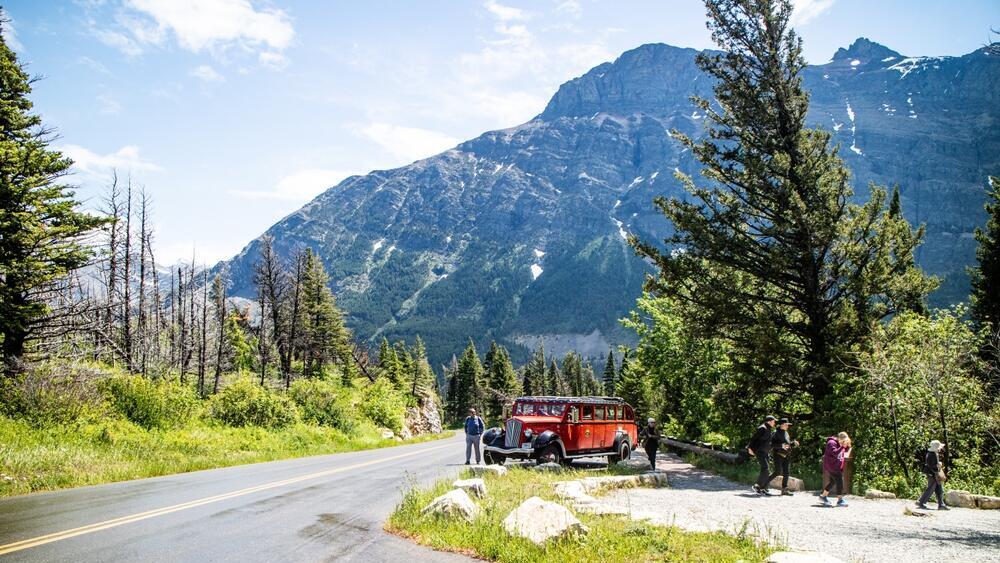
Glacier National Park
(Photo: Wichakorn Kitrungrot / Shutterstock)
Visitor numbers in 2024 rose by about 300,000 from the previous year, worsening traffic, forcing trail closures during wildfires and harming wildlife. Air quality has suffered, hikers are crowded into fewer routes, and some are turned away by timed entry requirements for main roads.
Isola Sacra, Italy
On the artificial island at the mouth of the Tiber River in Fiumicino, plans are advancing for a huge port meant to host the world’s largest cruise ships. The project has faced stubborn public opposition since 2010. Residents fear the destruction of dunes, wetlands and rare vegetation that support hundreds of wildlife species.
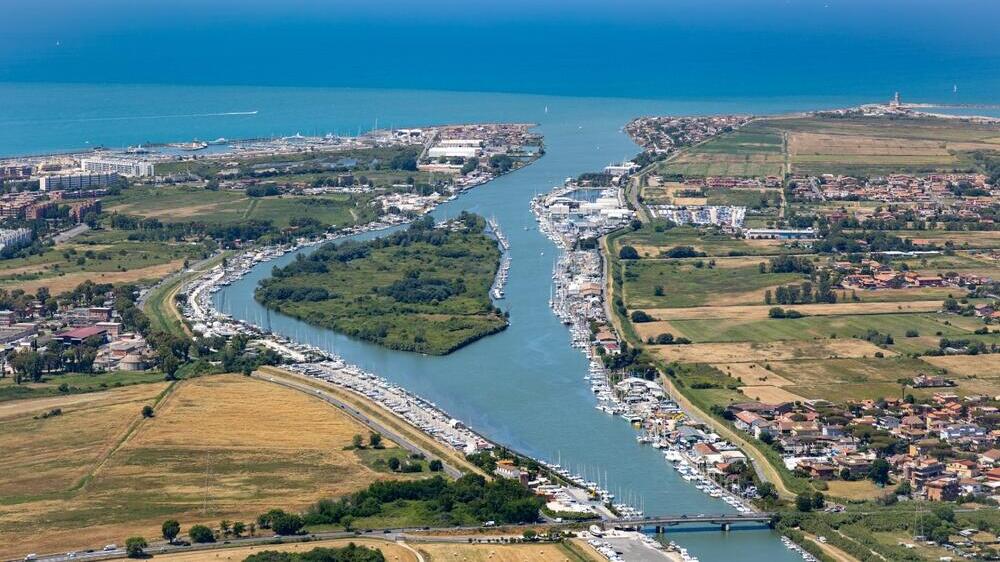
Isola Sacra
(Photo: Thomas Roell / Shutterstock)
Local authorities promise environmental safeguards, but official reports cite a lack of transparency and warn that some environmental documents have yet to be approved. Experts say large scale seabed dredging could pollute sand and accelerate coastal erosion.
Beyond the ecological damage, residents worry about losing local heritage, including traditional fishing huts. The expected traffic load, with thousands of passengers a day traveling onward to Rome, would add pollution and strain an area that is already struggling to cope.
Jungfrau region, Switzerland
One of Switzerland’s most popular areas offers dramatic views of the Eiger, Mönch and Jungfrau peaks, but its fame has become a double edged sword. Tourism hit new highs in 2024, including more than 1 million visitors to Jungfraujoch alone.
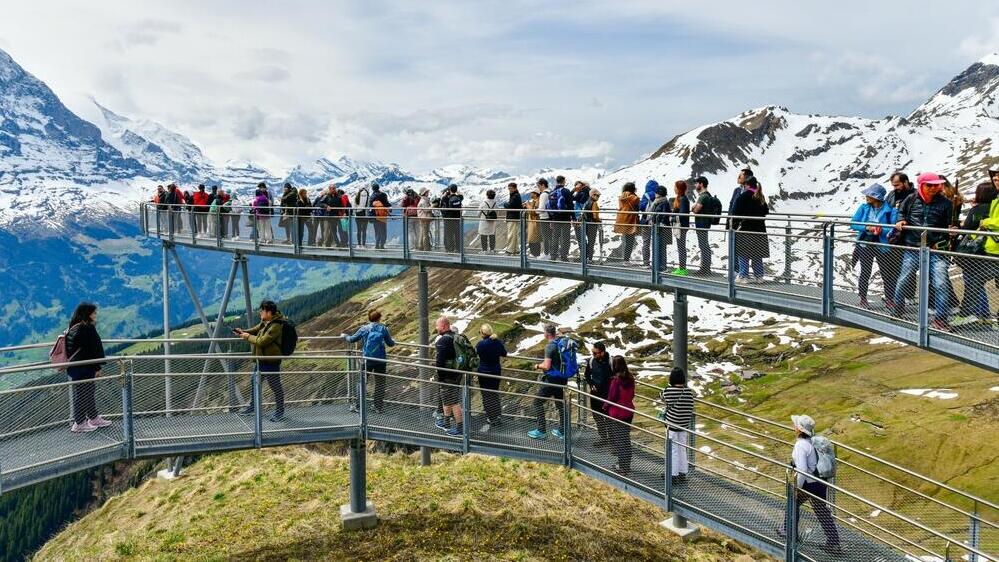
Jungfrau region
(Photo: Shutterstock)
The Eiger Express gondola gets visitors to the glacier’s edge in 15 minutes, but it has brought huge pressures. Buses clog mountain roads, delicate trails around Kleine Scheidegg are eroding, and Lauterbrunnen, now a viral hit online, is swamped by day trippers. Glaciers in the area, led by the Aletsch, are retreating at an alarming pace.
Hotel owners report a shift in travel patterns. Visitors stay fewer nights, spend less and choose Airbnb over local lodging. Residents struggle to find housing, small business income is being squeezed, and overtourism is undermining the very base that sustains the region.
Mexico City, Mexico
A wave of remote workers from North America, coupled with an Airbnb boom, has sparked a social backlash. On July 4, protests erupted against gentrification and rising housing costs, with signs reading “Mexico for Mexicans.”
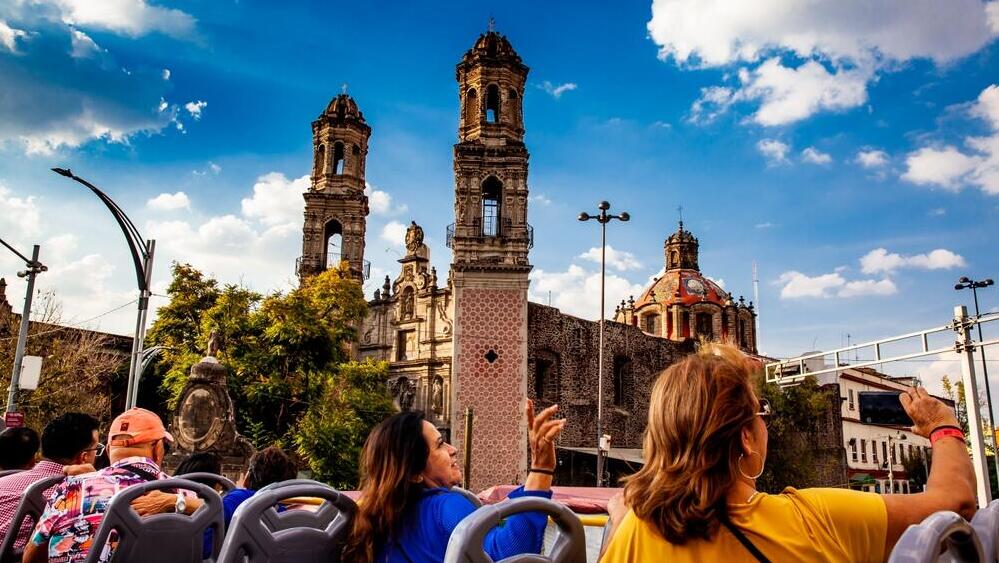
Mexico City
(Photo: Anamaria Mejia / Shutterstock)
Guides and community activists say short term rentals are displacing residents, commodifying local culture and tearing at the social fabric. Neighborhoods such as Condesa, Roma and Polanco have become “neo colonies,” with apartments priced in dollars, restaurants adjusting to tourists and English edging out Spanish.
Some residents argue the government is also to blame, pointing to abandoned apartments, weak regulation and agreements with Airbnb. New rules will cap short term rentals at 180 nights a year, but they are not expected to take effect until after the 2026 World Cup.
Mombasa, Kenya
Mombasa, Kenya’s historic coastal city, is buckling under heavy tourist pressure. It hosts about 70% of visitors to the Kenyan coast, and surging demand has brought congestion, pollution, uncontrolled building and severe shoreline erosion.
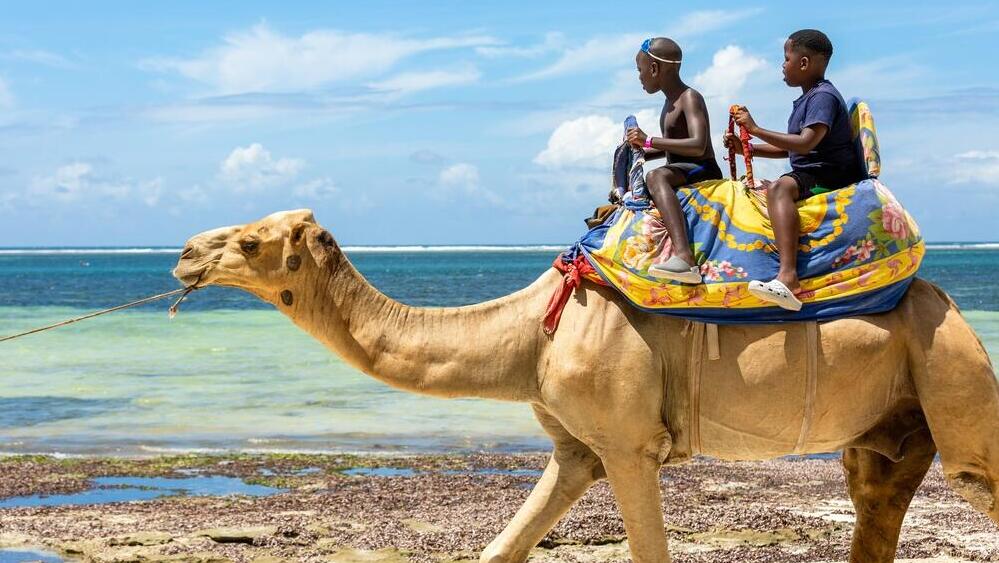
Mombasa
(Photo: Nataliya Derkach / Shutterstock)
Historic sites like Fort Jesus and the old city are flooded with tourists while sewage and trash systems are collapsing. Environmental groups document serious marine pollution, including raw sewage flowing into the sea, damaging mangroves and fisheries.
Despite a tourism council and repeated attempts to craft a beach management law, solutions on the ground remain scarce. Researchers warn Mombasa could become a place travelers stop visiting, just as it begins to lose its charm.
Montmartre, Paris, France
Montmartre, the hilly, postcard perfect Paris neighborhood, has become a symbol of relentless crowding. More than 11 million visitors pass through the Sacre Coeur Basilica each year, more than the Eiffel Tower, and tourist overflow has spread into once quiet corners.
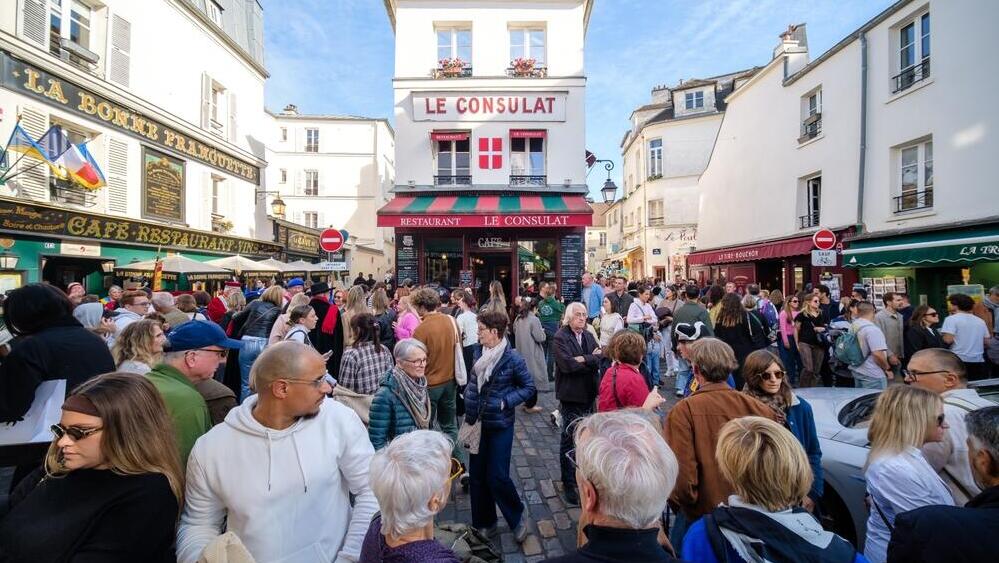
Montmartre loaded with tourists
(Photo: Symeonidis Dimitrios / Shutterstock)
Narrow streets, Place du Tertre and souvenir shops are pushing locals out. Real estate prices have surged, and long standing community institutions, including the CLAP pétanque club, have been replaced by luxury hotels. City officials say they are cutting vacation rentals and protecting schools, but major projects and long construction works are adding to residents’ burden.
Experts warn that if the trend continues, Montmartre could be emptied of its population and turned into a tourist set piece rather than a living neighborhood.