

Not India, not South America — after finishing his IDF military service, Uri Liron chose a different kind of adventure: crossing the entire African continent without taking a single flight.
Over the course of ten months, the 27-year-old Israeli traveled thousands of miles using only buses, hitchhiking and walking, spending just 35,000 shekels ($9,300). The journey, which took him from Kenya to Cape Town, turned out to be the most challenging and transformative experience of his life.
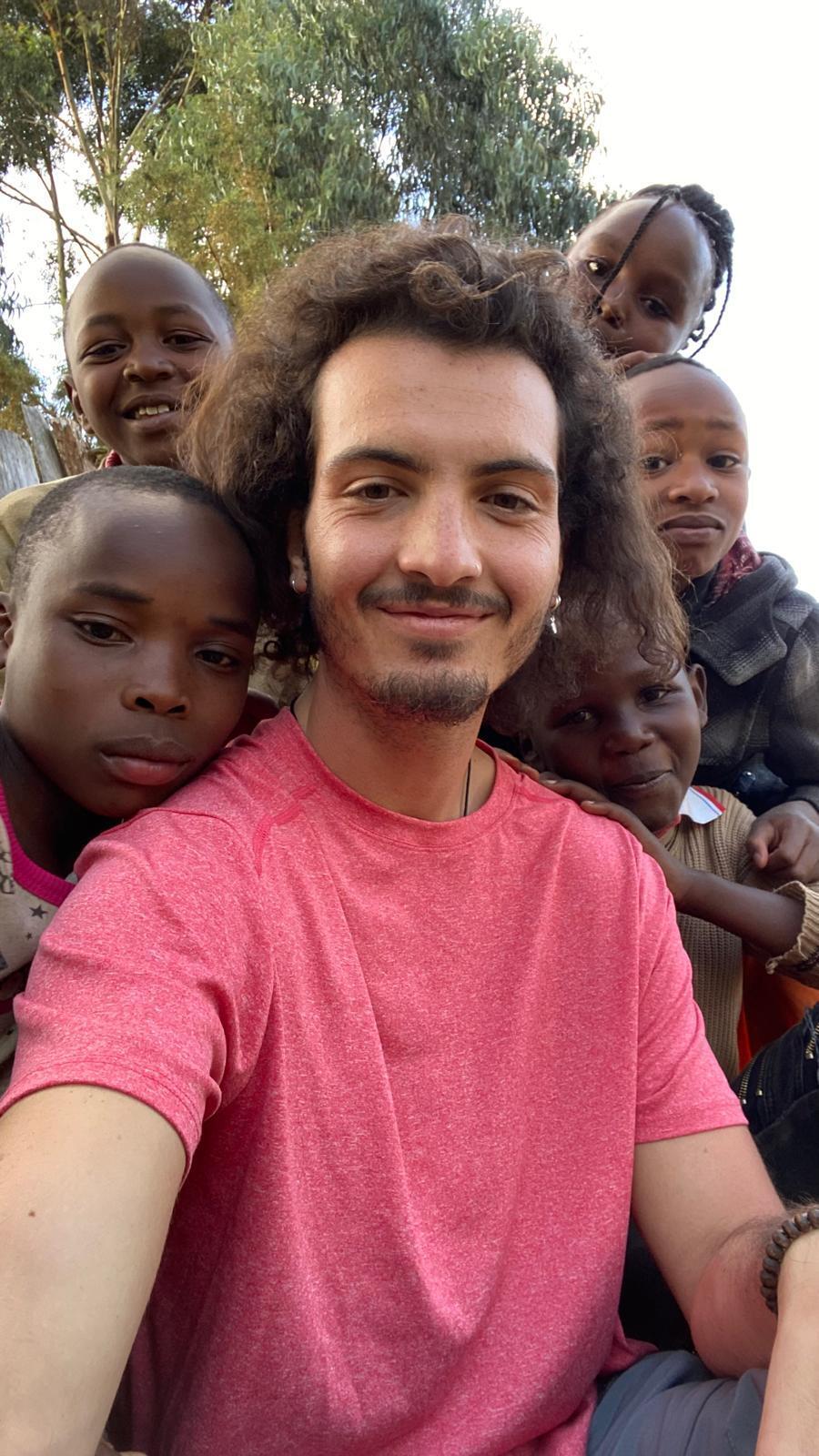
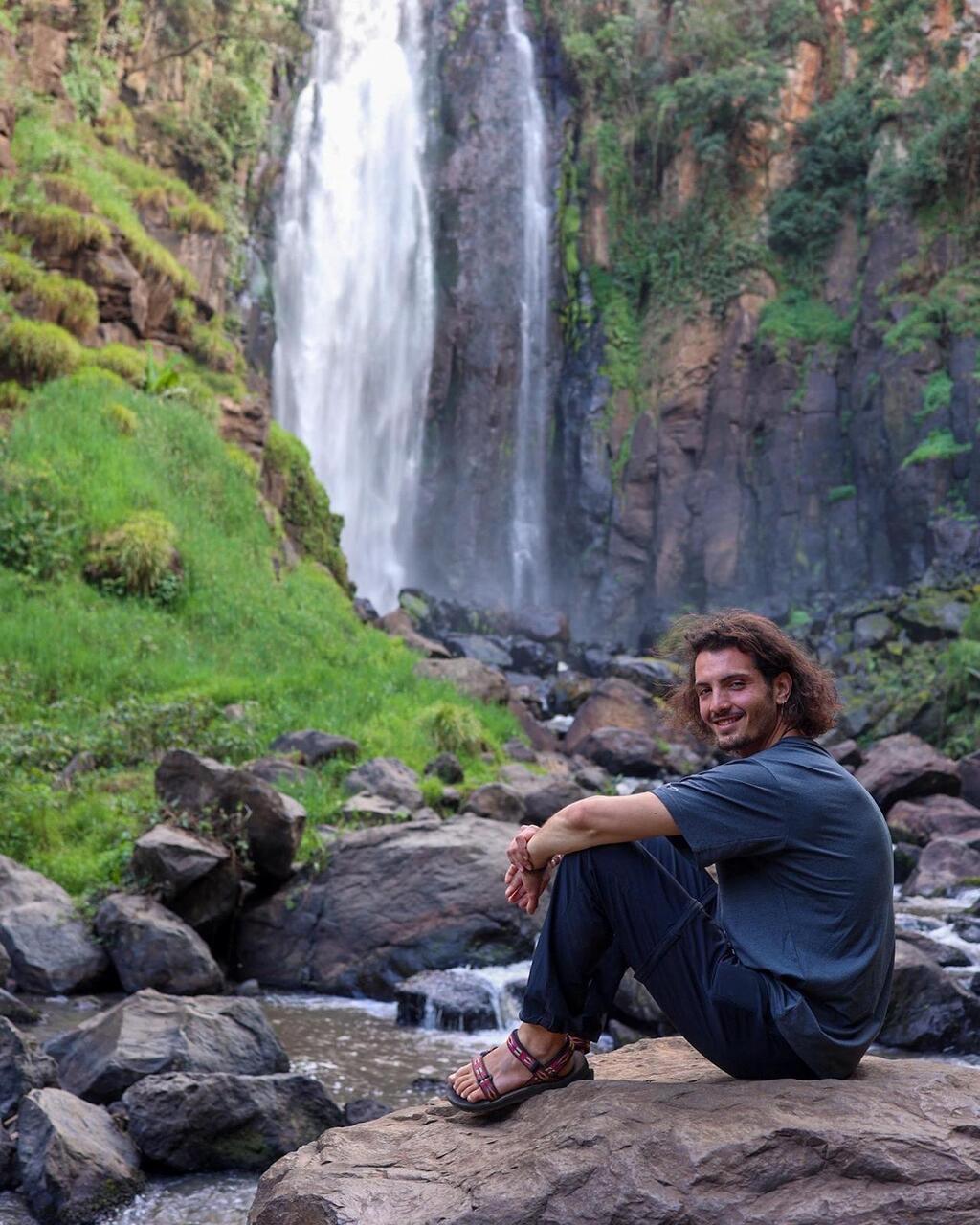
(Photo: Uri Liron)
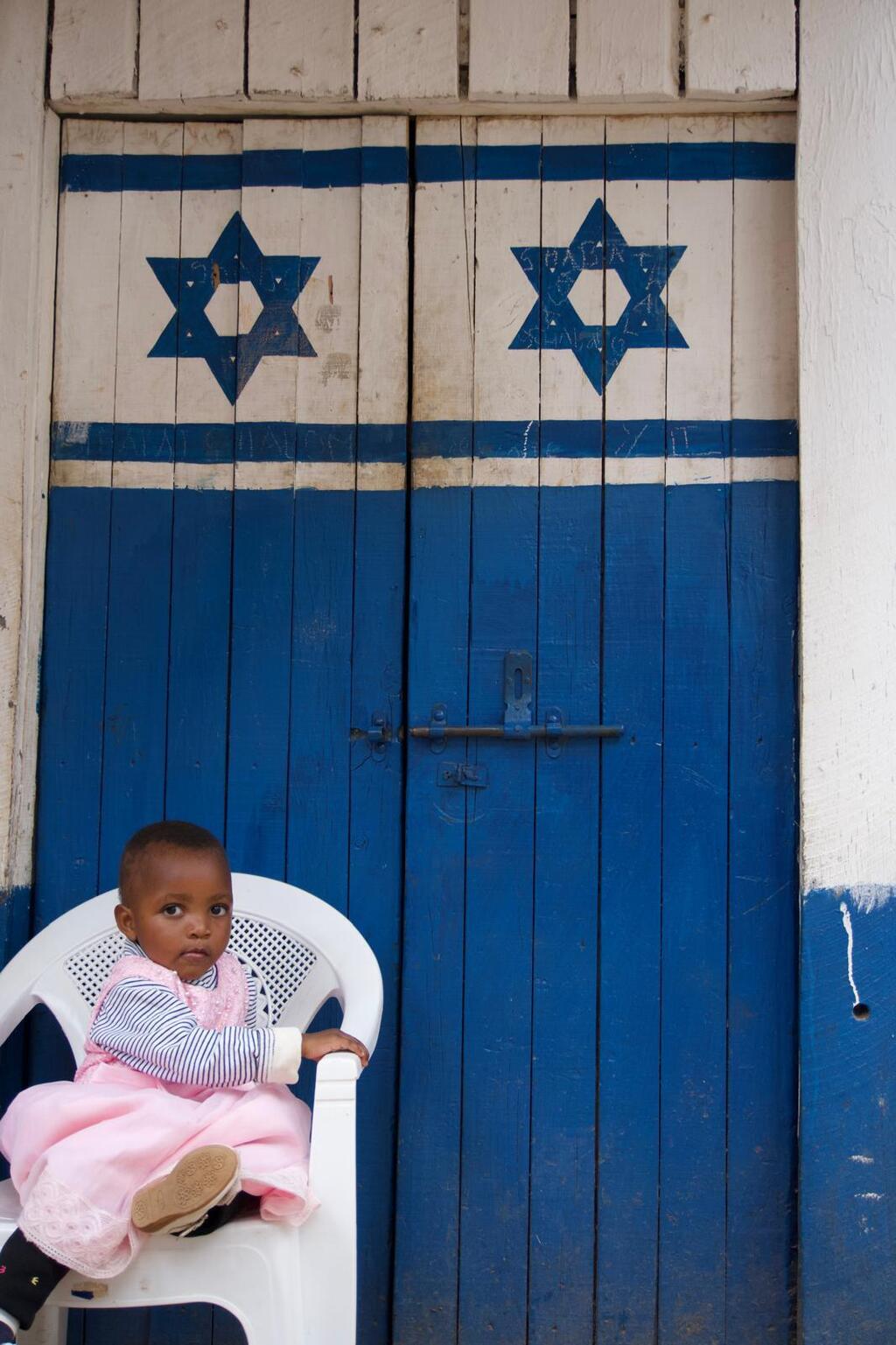
(Photo: Uri Liron)
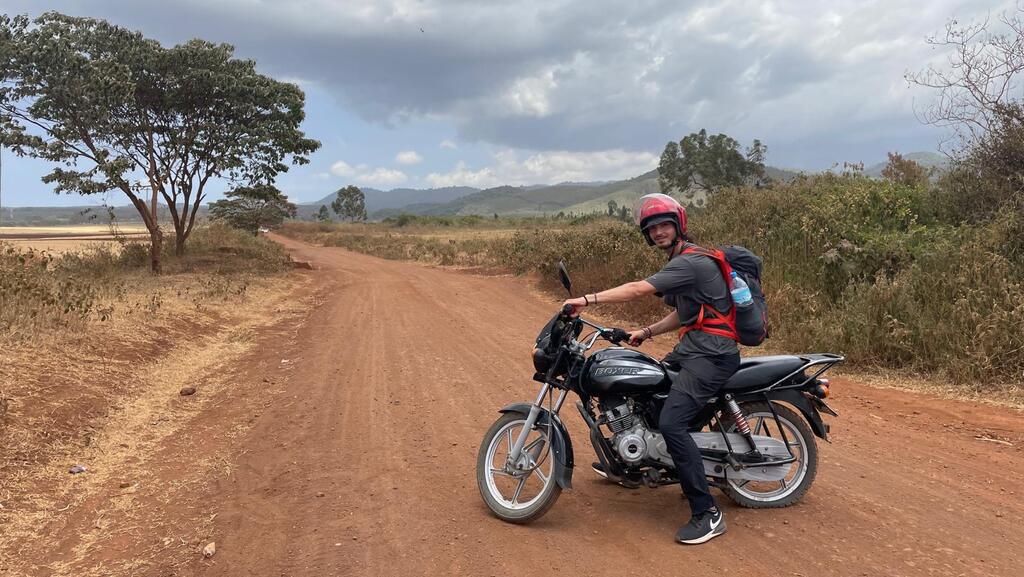
Liron began his trip in Nairobi with nothing but a backpack, an old guidebook and an open mind. “I didn’t know what to expect. I had no plan. I just wanted to go with the flow,” he told Ynet.
From Kenya, he made his way through Uganda, Rwanda, Tanzania, Malawi, Zambia, Zimbabwe, Mozambique, Eswatini, Lesotho and finally South Africa, traversing remote villages, broken roads and breathtaking landscapes.
Early in the journey, while staying in a small Ugandan village, he woke up one morning with a swollen face. “I looked like someone had punched me,” he recalled. A local doctor initially warned him he might need surgery, but later, a doctor in Kampala diagnosed him with mumps.
“I walked around for a month with this weird, swollen face. Everywhere I went, people asked who had beaten up the white guy.” Traveling across Africa also meant dealing with unpredictable conditions. In Malawi, he once squeezed into a five-seat car packed with 12 people.
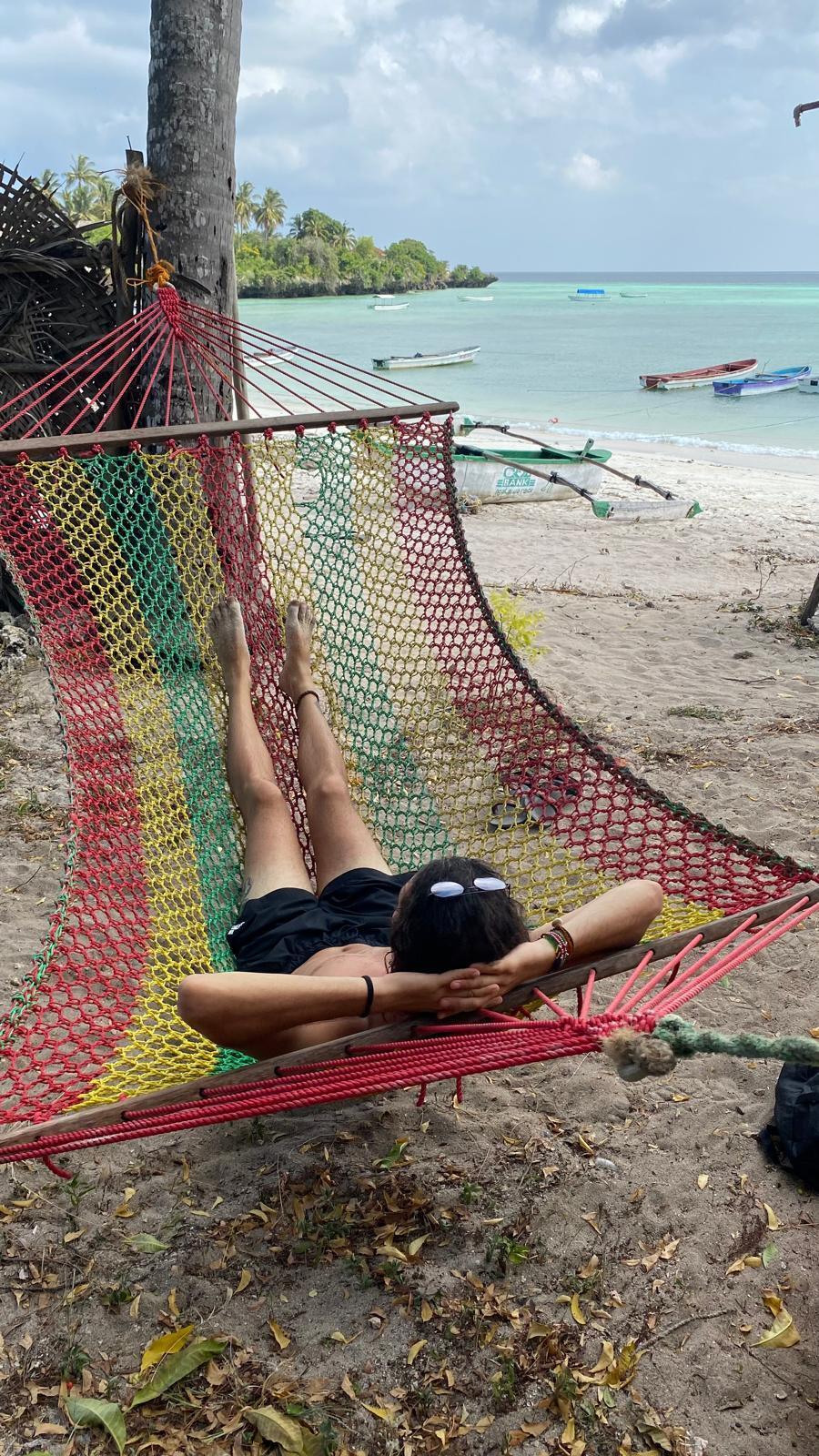
(Photo: Uri Liron)
(Photo: Uri Liron)
(Photo: Uri Liron)
“Someone was sitting on the windshield, another hanging out the window, I was sitting on someone’s lap and someone else was sitting on mine,” he laughed. On another night, after being dropped in a remote village without electricity or cell service, he was forced to sleep in a filthy guesthouse with bloodstained sheets, mold and used condoms on the floor. “But you’re too tired to care. You just fall asleep.”
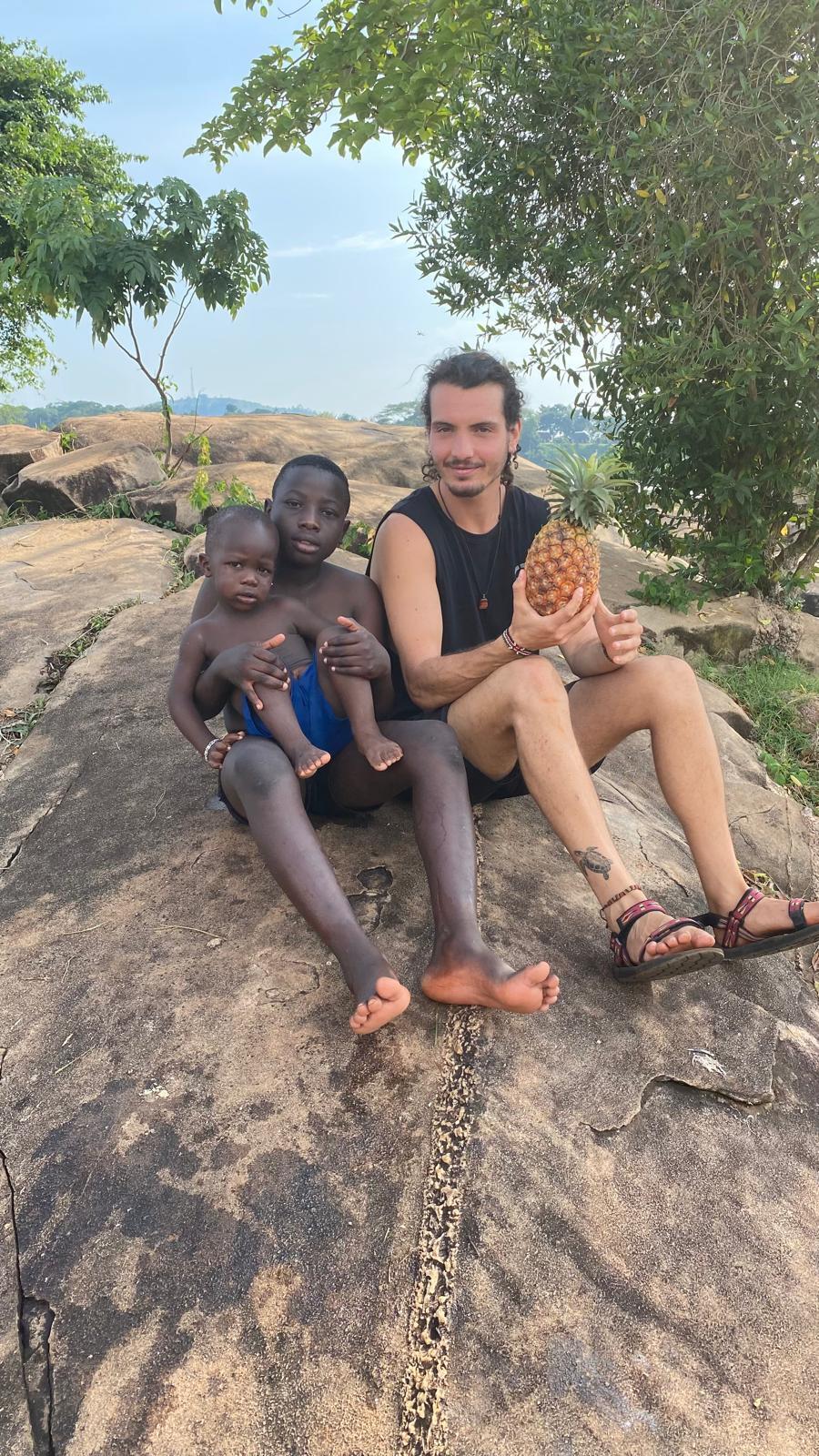
Despite the hardships, Liron discovered moments of unexpected beauty and kindness. In Rwanda, a little girl handed him an apple without saying a word. In another village, an old man placed a hand on his shoulder and whispered, “Don’t forget us.” These encounters, he said, are what stayed with him the most.
“But sometimes, people saw me differently,” he added. “Once on a bus, a man asked me to buy him a house because, to them, all Israelis are rich.” Life on the road brought constant cultural shocks.
“Bathrooms are basically holes in the ground, if you’re lucky. Most of the food comes from rusty pots on the side of the road — rice and beans every day, sometimes cornmeal porridge they call ‘fufu.’ And forget about personal space.
(Photo: Uri Liron)
(Photo: Uri Liron)
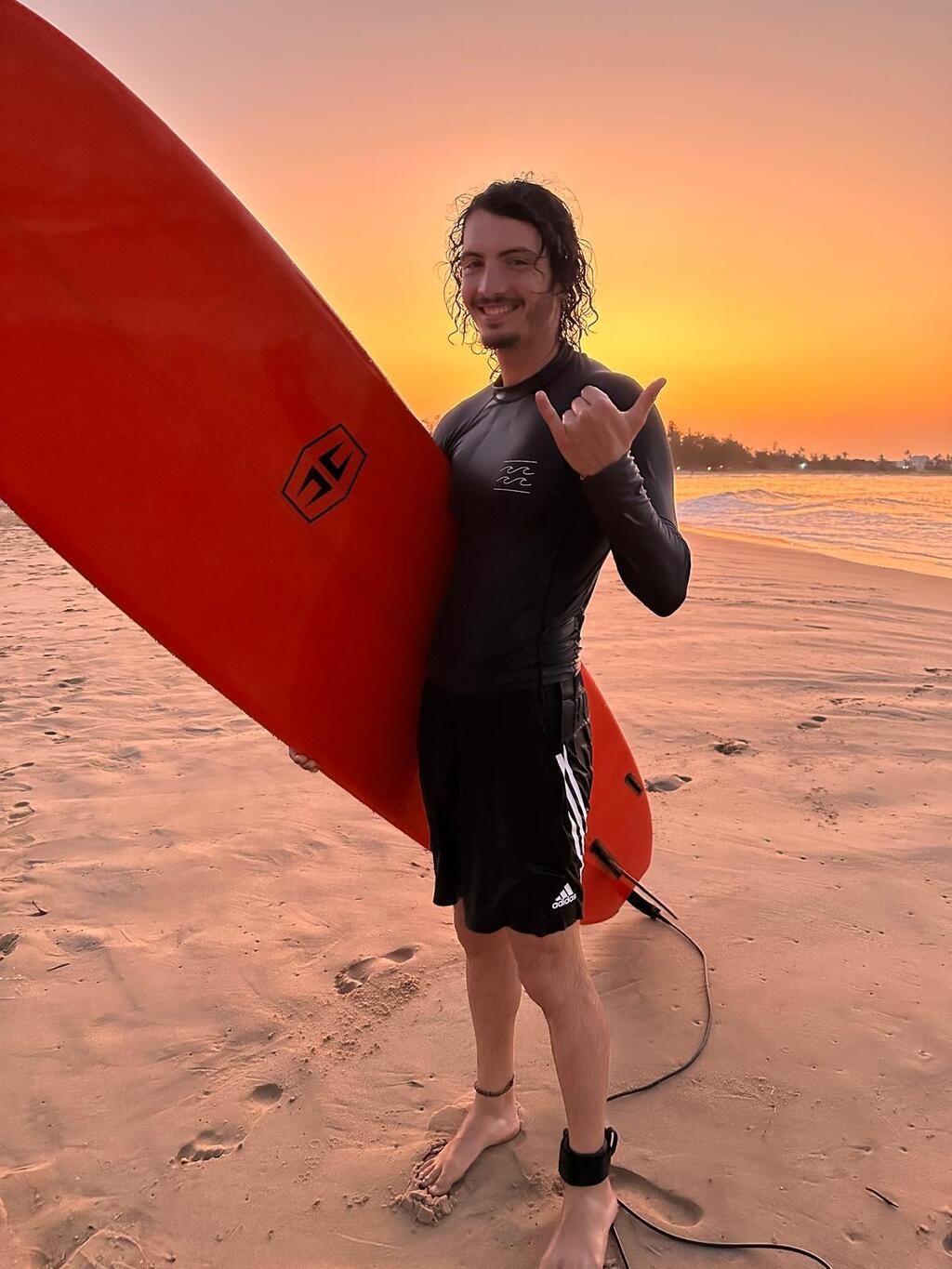
(Photo: Uri Liron)
“At bus stations, people grab your hands, pull you towards their taxis, it’s chaos. But there’s also magic in it: kids playing with a rusty can, laughing like it’s the best toy in the world, families inviting you in and sharing the little they have.”
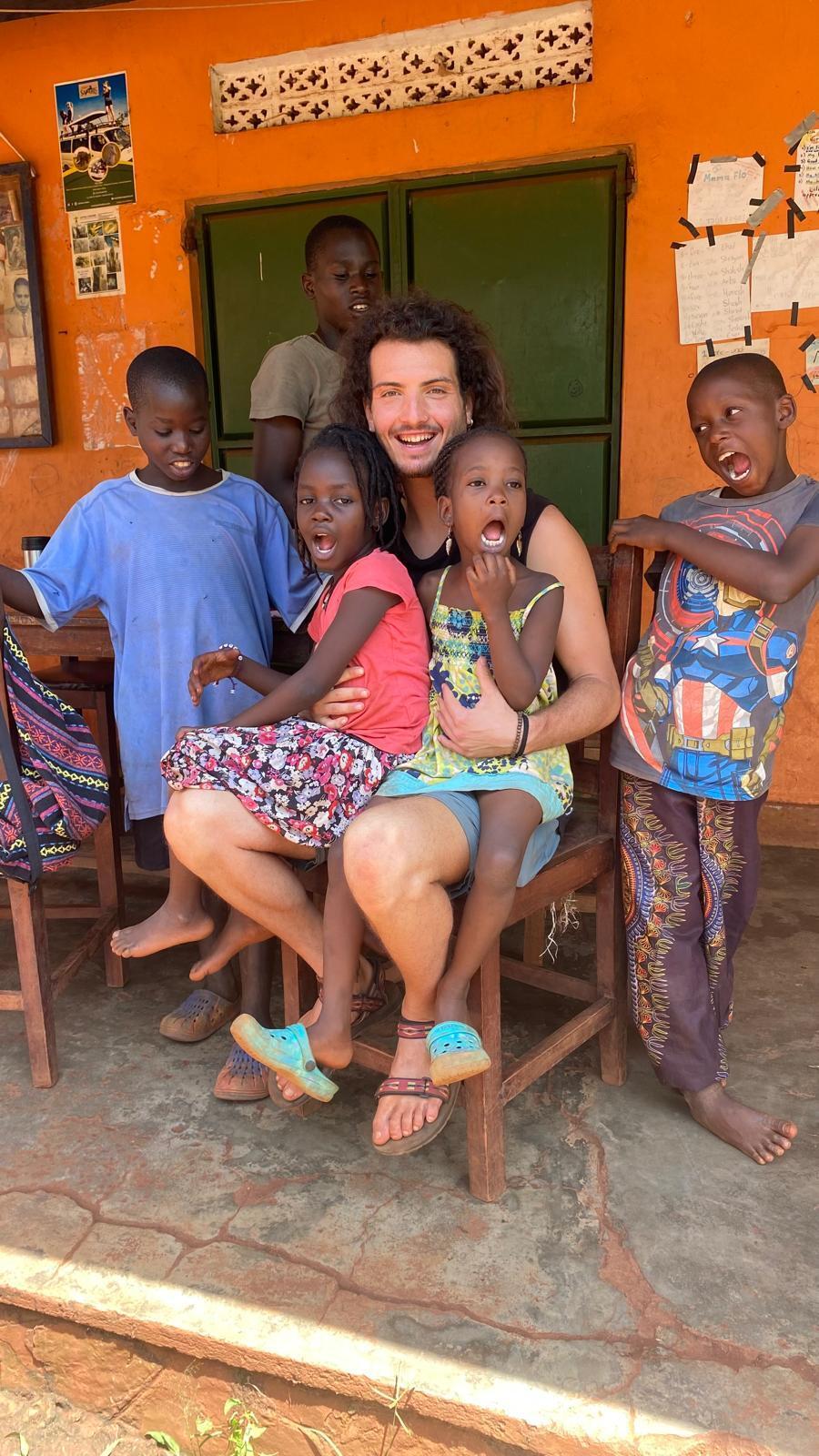
Liron volunteered at an orphanage in Uganda, where he met 13-year-old Joshua. “He told me, ‘I have three books, and I’ve read each one 20 times. That’s how I learned to read.’ I posted about him on Instagram and people donated enough for me to pay for his school year. That gave my journey a sense of purpose.”
But the trip wasn’t without danger. While he felt safe almost everywhere, Cape Town was an exception. “One day, I turned into a side alley and someone pulled a knife on me.
“I screamed instinctively and he ran away. Elsewhere, the real threats weren’t people but mosquitoes and hippos. A local in Uganda showed me a photo of his friend who had been killed by a hippo the day before, like it was nothing.”
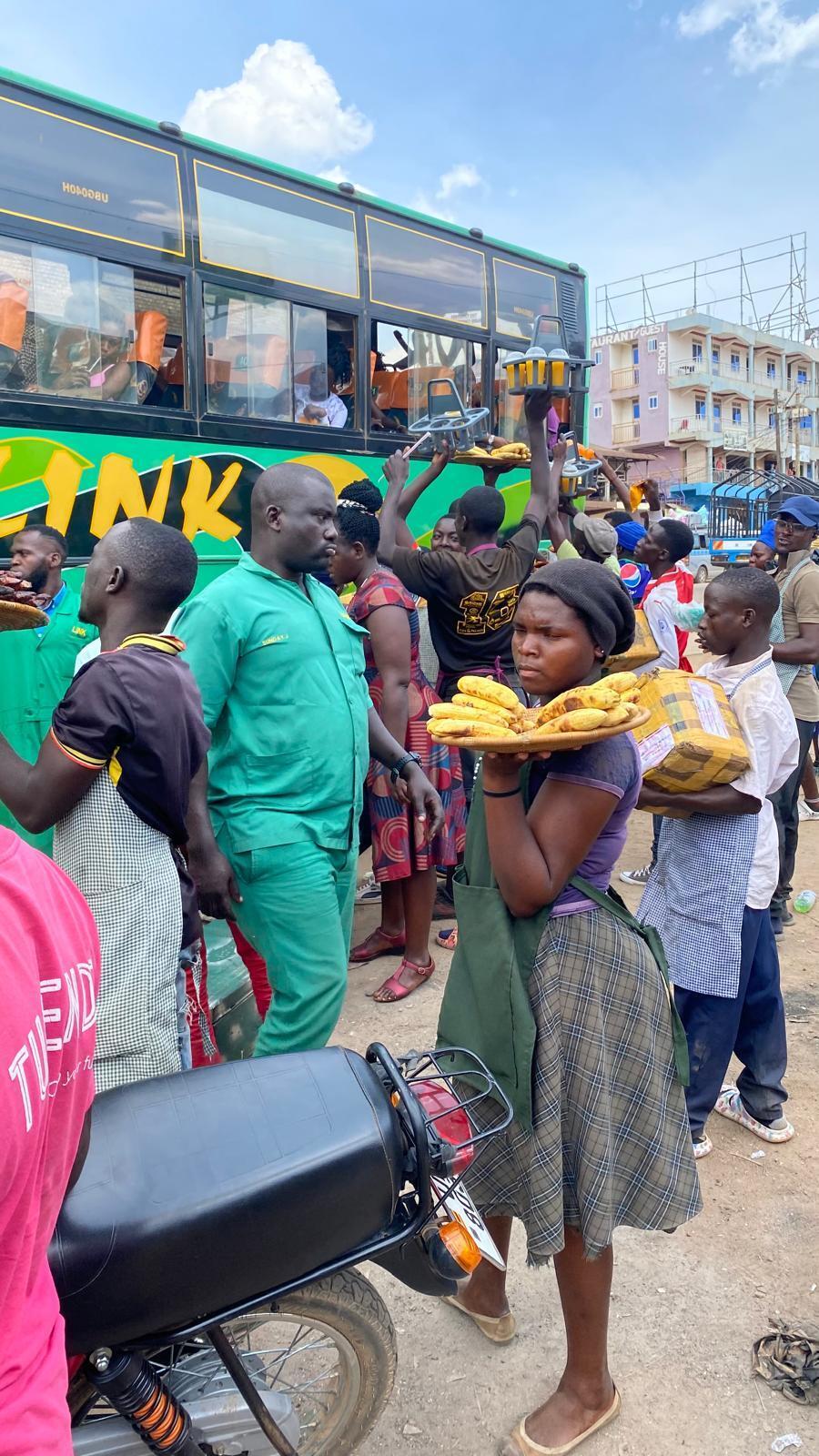
(Photo: Uri Liron)
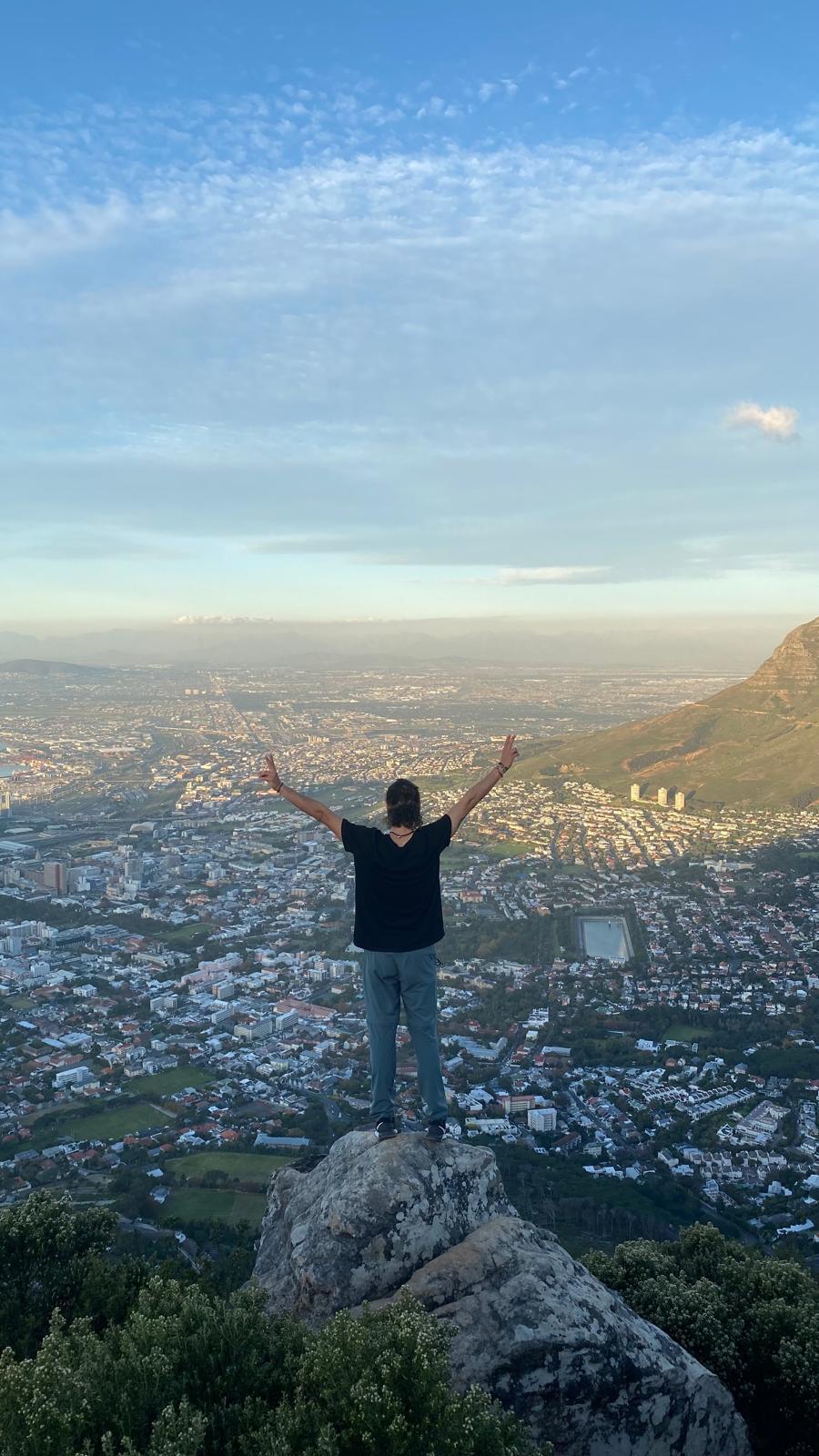
(Photo: Uri Liron)
Crossing borders could be an ordeal too. At one crossing between Zimbabwe and Mozambique, he waited six hours only to be told to return in two days because of a holiday. After finally being let through another checkpoint days later, he cried from relief. “That moment — when they stamped my passport — felt like the biggest victory.”
For Liron, Africa wasn’t just a destination; it was a lesson in humility, endurance and connection. “I saw extreme poverty but also the purest happiness. People live with so little, yet they’re grateful. It made me ask myself what we really need to be happy.”
Ten months later, he returned to Israel a different person. “Africa changed me. It educated me, hugged me, broke me and shouted at me,” he said. “I don’t know if I’ll ever go back, but it’ll always be a part of me. This trip gave me exactly what I wanted — to really feel alive.”