

Europe has removed Israel from its most severe aviation warning list, lifting a key regulatory barrier that had kept many airlines from returning to Ben Gurion Airport since the outbreak of the war.
The European Union Aviation Safety Agency, or EASA, announced Wednesday that it was adjusting its flight warnings for conflict zones in the Middle East. As part of the decision, made together with the European Commission and EU member states, the strict Conflict Zone Information Bulletin for Israel, known as a CZIB, expired Wednesday and will not be extended.
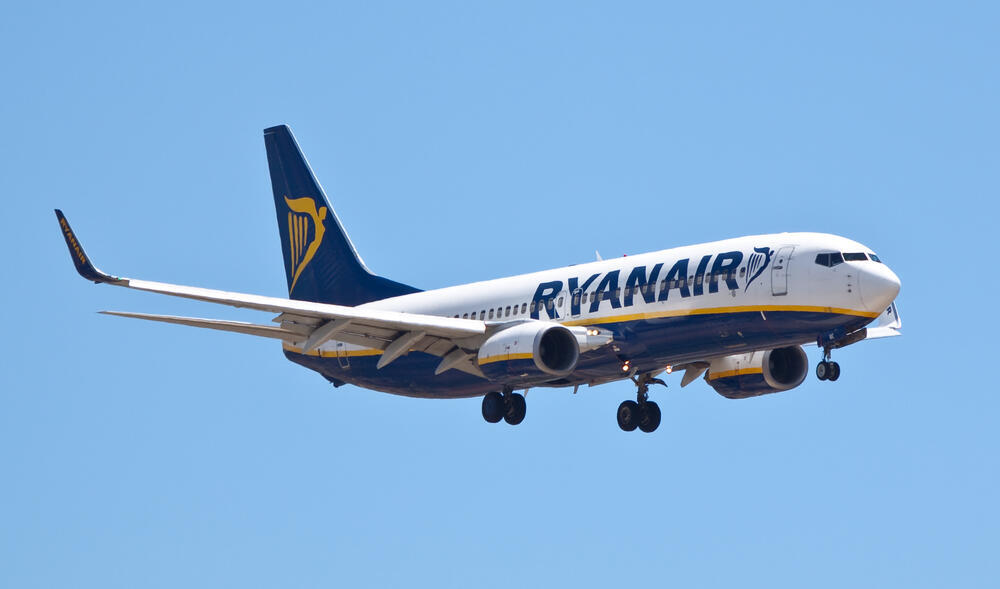
The European Union Aviation Safety Agency announced that it was adjusting its flight warnings for conflict zones in the Middle East
(Photo: Shutterstock)
Instead, EASA issued a regional Information Note that classifies the risk level as medium. The note includes Israeli airspace alongside countries such as Jordan, Saudi Arabia and the United Arab Emirates. At the same time, the agency kept its severe and specific warnings in place for the airspaces of Iran, Lebanon and Iraq.
EASA said the decision followed ceasefire agreements in the region and a reduction in tensions in the short term.
The change is significant for airlines. A high-risk CZIB can effectively block flights because of insurance limitations and strict security procedures. The new guidance removes that sweeping restriction and places the decision back in the hands of the airlines themselves.
According to the official EASA document published Wednesday and valid until the end of August, flight operators are now advised to “take into account the potential risk in their risk assessments and flight routing decisions.”
In practice, Europe has removed the blanket stop sign and allowed airlines to resume flights to Ben Gurion Airport if they choose to do so.
The decision directly affects dozens of airlines that have not yet returned to Israel since the start of the war and are still weighing whether to restart service. At the top of the list are European low-cost giants easyJet and Ryanair, as well as Dutch carrier KLM.
Their absence, along with other airlines such as Air India, Air Canada and the U.S. carriers Delta and American Airlines, has significantly reduced the number of flights to and from Israel. Delta and American are not expected to return before October and are primarily subject to U.S. authorities.
The shortage has been felt especially on routes to Europe and North America, limiting competition and directly affecting ticket prices.
Now that the official EU barrier has been removed, the question is which European airlines will use the change in status to restore service to Israel, and when.