

For decades, historians believed that the rise of cities came with a heavy social cost: as small villages grew into major urban centers, inequality widened and the gap between rich and poor became harder to ignore. But a new study suggests one of the world’s earliest cities may have followed a very different path.
Researchers from the University of York and the University of Cambridge found that Mohenjo-daro, the largest city of the 4,000-year-old Indus Valley Civilization, was not only more equal than many of its ancient neighbors, but may have become more equal over time.
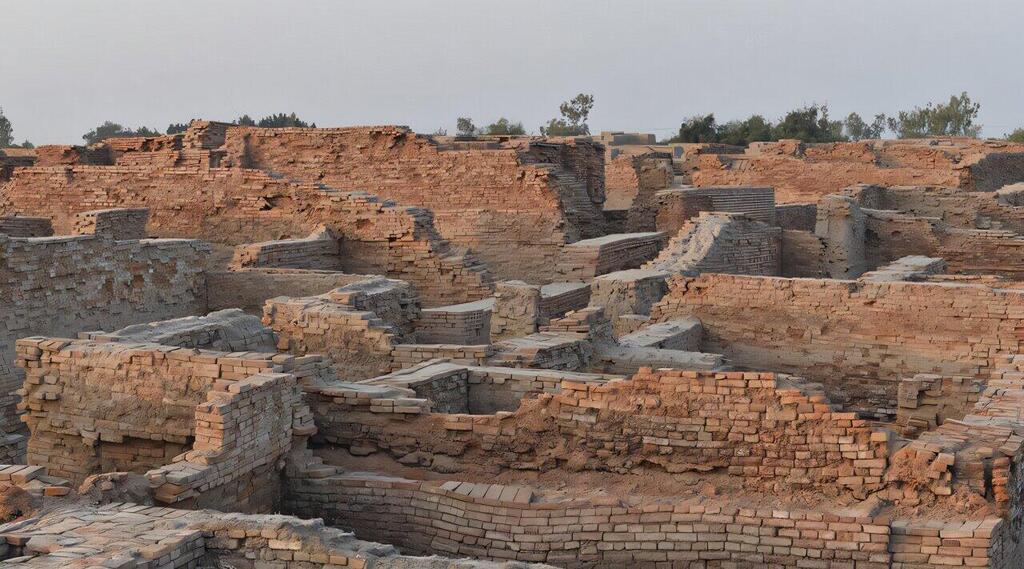
The study, published in the journal Antiquity, analyzed house sizes across the ancient city, which was built around the 26th century BCE in what is now Sindh province in Pakistan. The findings challenge the assumption that growing cities naturally produce sharper class divisions.
Dr. Adam Green, of the University of York’s Department of Archaeology and Department of Environment and Geography, said the gap between the city’s larger and smaller homes narrowed as the years passed.
“In fact, in its later years, the wealth gap in this enormous urban center fell to levels typical of the first farming villages,” Green said.
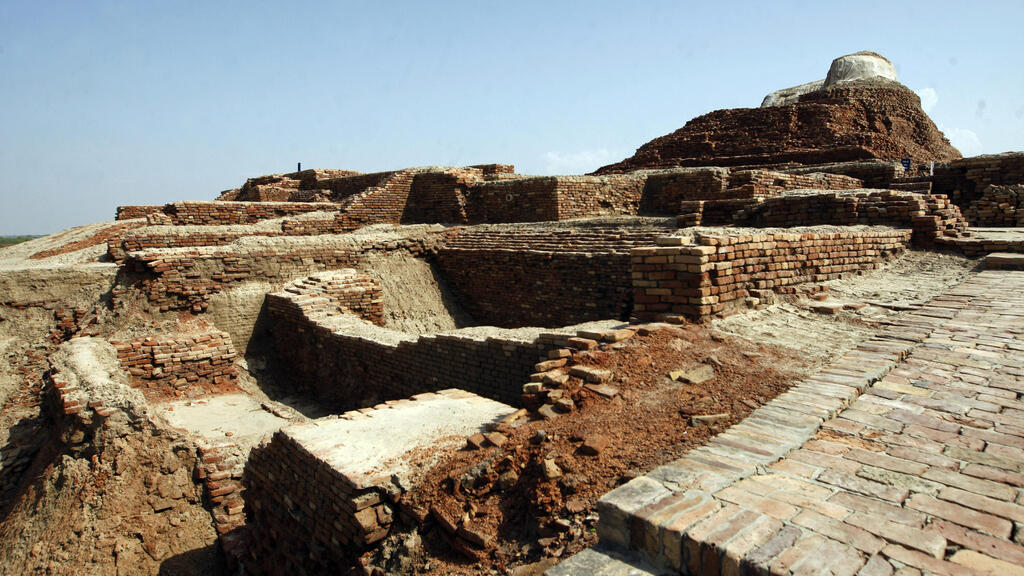
The remains of the city of Mohenjo-daro in Pakistan
(Photo: Fareed Khan/AP)
While ancient Egypt built pyramids for kings and gods, and the Greeks built vast palaces at Knossos, the people of the Indus Valley Civilization built something else entirely.
Instead of monumental tombs, royal palaces or temples designed to glorify rulers, Mohenjo-daro, whose name means “Mound of the Dead” in the local language, was known for sophisticated drainage, organized streets and practical urban planning.
“Instead of tombs full of gold and enormous temples, the city of Mohenjo-daro focused on a sophisticated drainage system and organized street planning,” Green said. “In fact, urban services were widely distributed among ordinary households, rather than concentrated among a narrow elite.”
That pattern also appeared in the distribution of the famous Indus seals, which were likely used for identification, marking goods or serving as passes for merchants moving between regions. The seals, symbols of the Indus civilization’s cultural and commercial strength, were generally found in ordinary homes rather than in public buildings or elite residences.
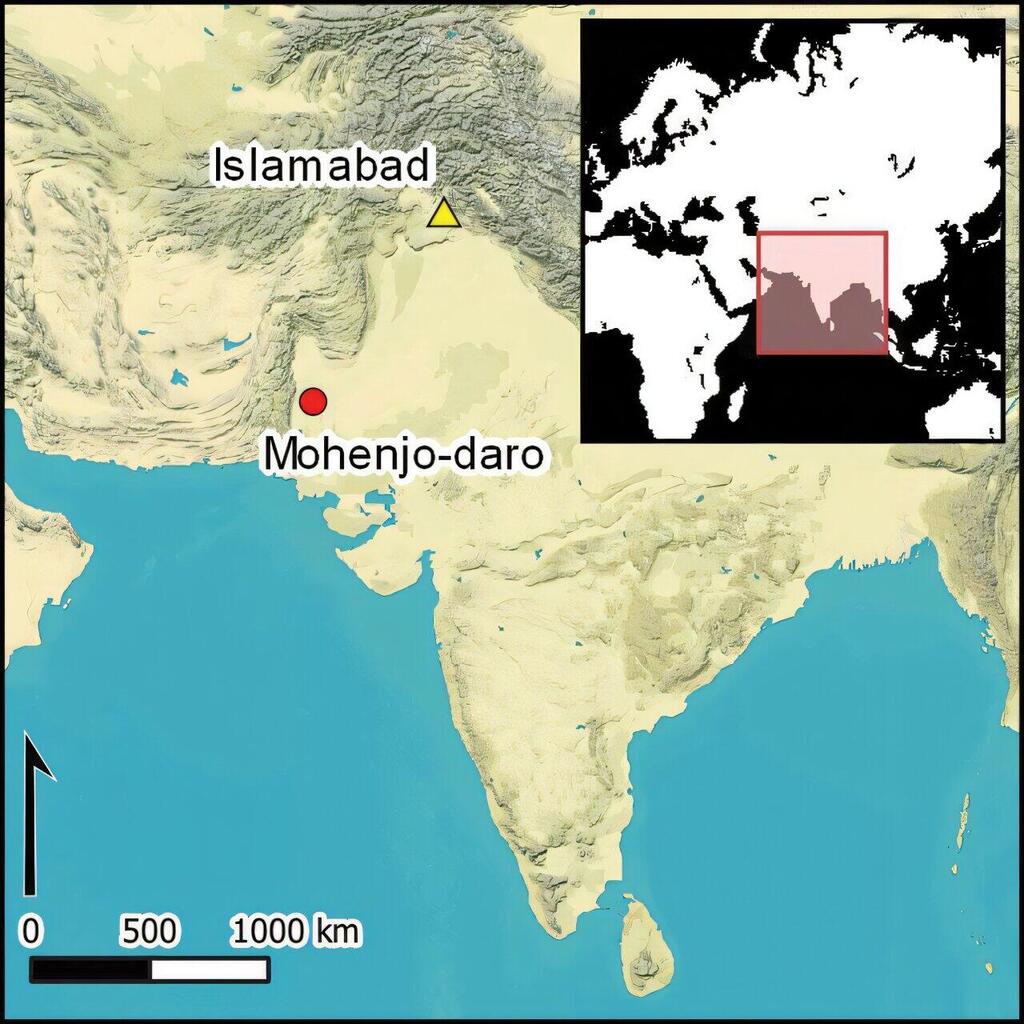
The location of Mohenjo-daro
(Photo: Antiquity)
According to the researchers, this points to a city where access to tools, trade and services was more widely shared than in many other ancient societies.
Rather than a single ruler controlling all resources, the city’s residents appear to have worked together to ensure fair access to a higher standard of living. Investment in practical public goods, including drainage and street maintenance, reflected cooperation for the broader urban community. A standardized system of weights and measures across the region also helped ensure economic fairness.
The findings push back against the modern assumption that rising inequality is an unavoidable side effect of economic growth. Mohenjo-daro, built in a precise grid with broad streets and two-story brick houses, shows that a society could be technologically advanced, productive and still ensure that prosperity was shared more widely.
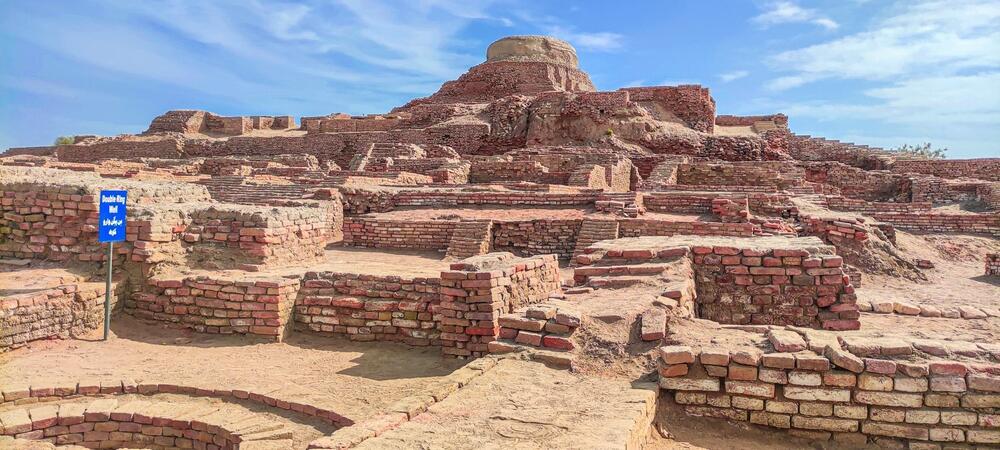
(Photo: HAIWADKHAN99/ Shutterstock)
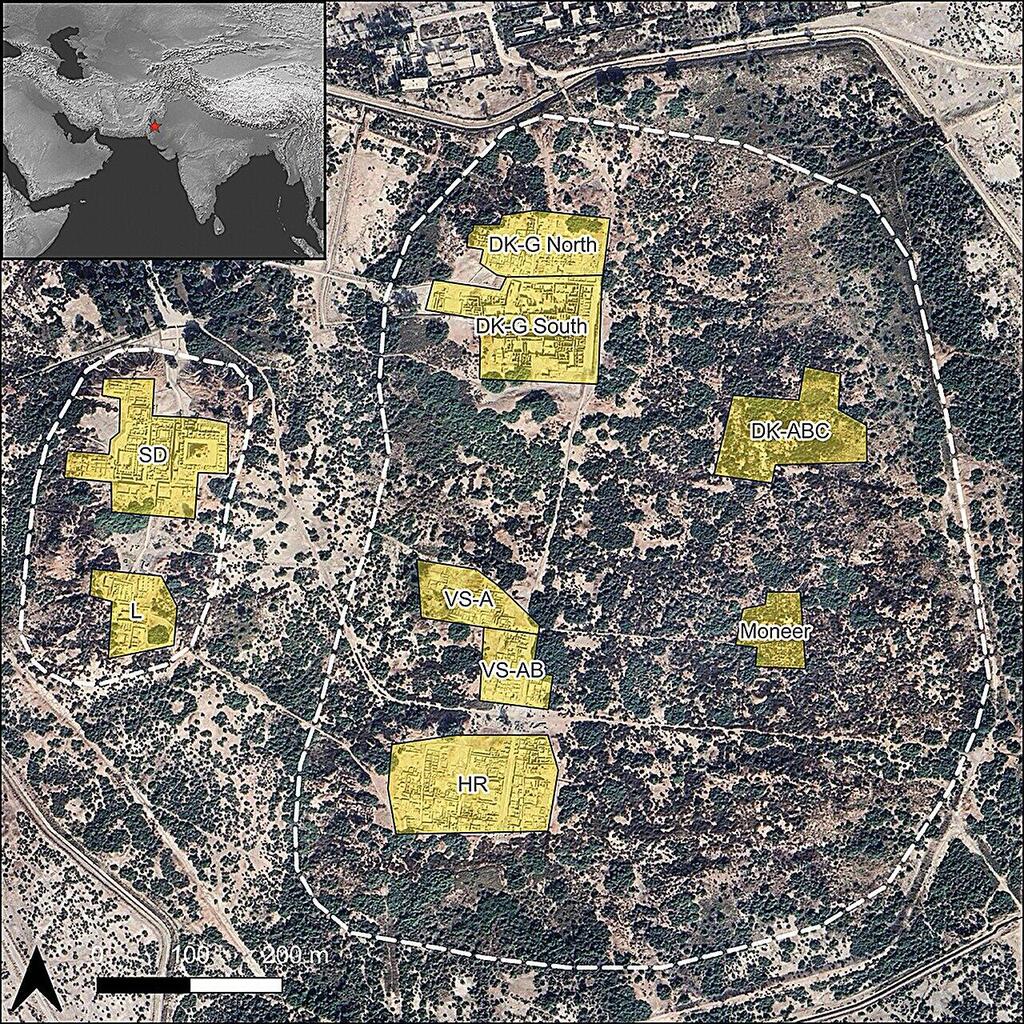
The areas studied within the city of Mohenjo-daro
(Photo: Antiquity)
“Mohenjo-daro has often been described by what it lacks, such as the absence of royal palaces, gold-filled tombs and statues of rulers,” Green said. “But what it does have is no less important. At a time when inequality appears to have been low, productivity appears to have risen. This challenges the idea that prosperity requires us to concentrate decision-making power in the hands of a few.”
The story of Mohenjo-daro, which was abandoned in the 19th century BCE, likely because of ecological changes and shifts in the course of the Indus River, offers a striking lesson for modern societies.
The Indus Valley Civilization shows that a large urban society could be productive, creative and technologically sophisticated while distributing resources and power more equally. That, the researchers suggest, may have been part of the secret behind its ability to flourish for centuries.