

“Where are you flying to?” the check-in agent at Ben Gurion Airport asked. “Mauritius,” I replied. She raised an eyebrow. “What is that? Where is it?”
Indeed, Mauritius is not easy to locate on a map. It is a small island, less than one-tenth the size of Israel. It lies in the southern Indian Ocean, roughly on the latitude of South Africa, near better-known islands such as Seychelles, Madagascar and Reunion. The island may be small, but it fully lives up to the saying that quality matters more than quantity.
What will you find in Mauritius?
Above all, lush nature, a warm and comfortable climate, and a colorful, vibrant population.
Green. Mauritius is a volcanic island, with several peaks in its center reaching moderate heights of about 700 to 800 meters. The climate is tropical, rain falls on most days of the year, and as a result everything is green. There hardly seems to be a single square meter without vegetation, including parts of the beaches themselves, where coconut palms and mangrove forests stretch all the way to the water’s edge. Despite rapid settlement over the past 250 years, only about 22 percent of the island’s area is built up. Roughly 43 percent is used for agriculture, and about 35 percent consists of natural forests, parks, lakes and beaches. Nature clearly dominates here.
Warm. Mauritius’ location near the tropics gives it a pleasant climate. Daytime temperatures throughout most of the year range between 72 and 91 degrees Fahrenheit (22 to 33 degrees Celsius), dropping to about 59 to 73 degrees (15 to 23 degrees Celsius) at night. The sea is always warm. Apart from a few unlucky days each year when cyclones hit the island, visitors can almost always enjoy the beaches, the ocean and nature hikes. This makes Mauritius a sought-after tourism destination, similar to other Indian Ocean resorts such as Seychelles and the Maldives.
Along the island’s 330 kilometers of coastline, about 150 kilometers of which are covered with beautiful white sand, there are hundreds of hotels, resorts and vacation rentals at every possible level. Around 1.4 million tourists visit the island each year, most of them from Europe.
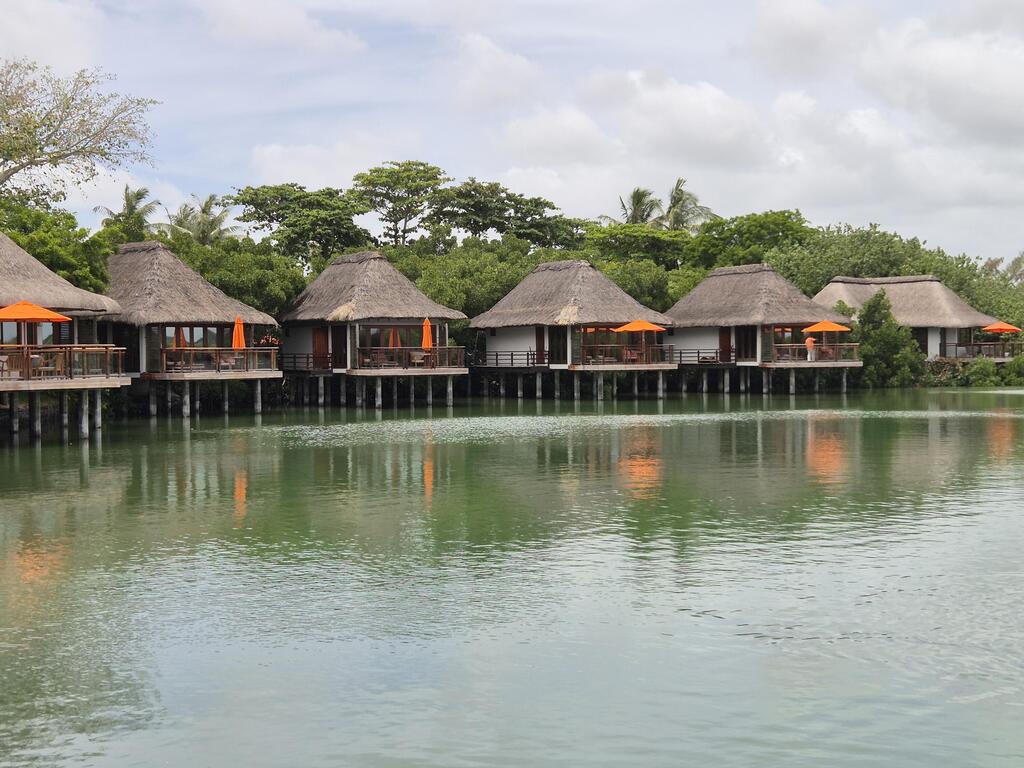
For those who can afford it. Guest villas at the Prince Maurice hotel
(Photo: Zvika Burg)
Colorful. The island’s history and population add significantly to its atmosphere. In the 17th century, the Dutch settled Mauritius while at the height of their imperial power, attempting to exploit its natural resources, mainly timber and spices. They are remembered, unfortunately, for driving several unique species to extinction, including the famous dodo bird.
In the early 18th century, the French took control of the island and introduced sugarcane, which remains a central pillar of Mauritius’ economy. Between 1810 and 1968, the British ruled the island and brought thousands of workers from India. These workers permanently changed the island’s demography, culture and language, shaping Mauritius into what it is today: a diverse and lively island nation, blending cultures, languages, religions, cuisines and traditions.
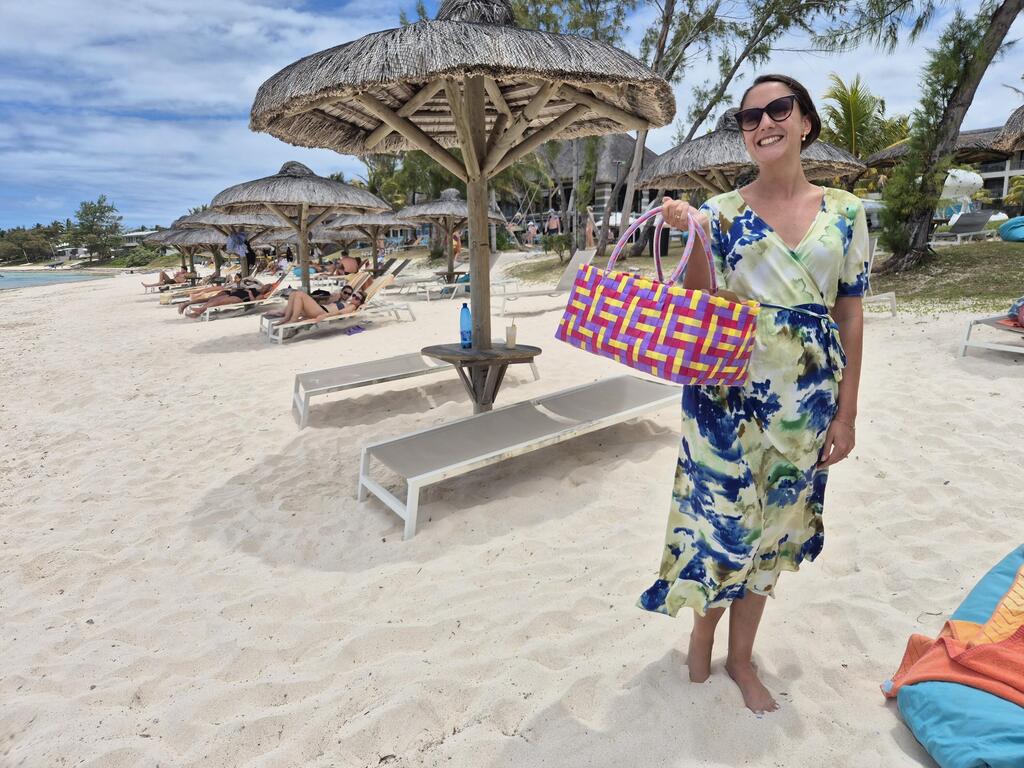
On the beach at C Mauritius
(Photo: Zvika Burg)
Where we stayed and what we saw
We hopped between resorts. While many visitors choose one hotel for their entire stay, there is no real reason not to mix things up. A vacation of seven to ten days allows for staying at three or four different hotels, spending just two or three nights at each.
Distances on the island are short, so the hassle is minimal: quick packing, checkout, a short drive, check-in, and suddenly you are in a new place with a different experience. The beach looks different, the pampering and services change, restaurant menus offer fresh surprises, and the list of activities shifts. One hotel may focus on water sports, another on golf and tennis, and a third on an elaborate spa and cooking workshops. All of them, of course, sit beside the warm blue ocean. Choose freely, and be prepared to pay. If you have already made it to Mauritius, make the most of it.
We began at C Mauritius Palmar, a beachfront resort with a youthful, relaxed atmosphere reminiscent of a Greek island holiday village. From the lobby, you step straight onto the beach, lined with bars serving cold beer and colorful cocktails. Fishing boats bob gently offshore. Snorkels and fins are available without limit, allowing guests to explore a rich coral reef teeming with fish. Infinity pools sit right by the sea, each with a well-stocked bar.
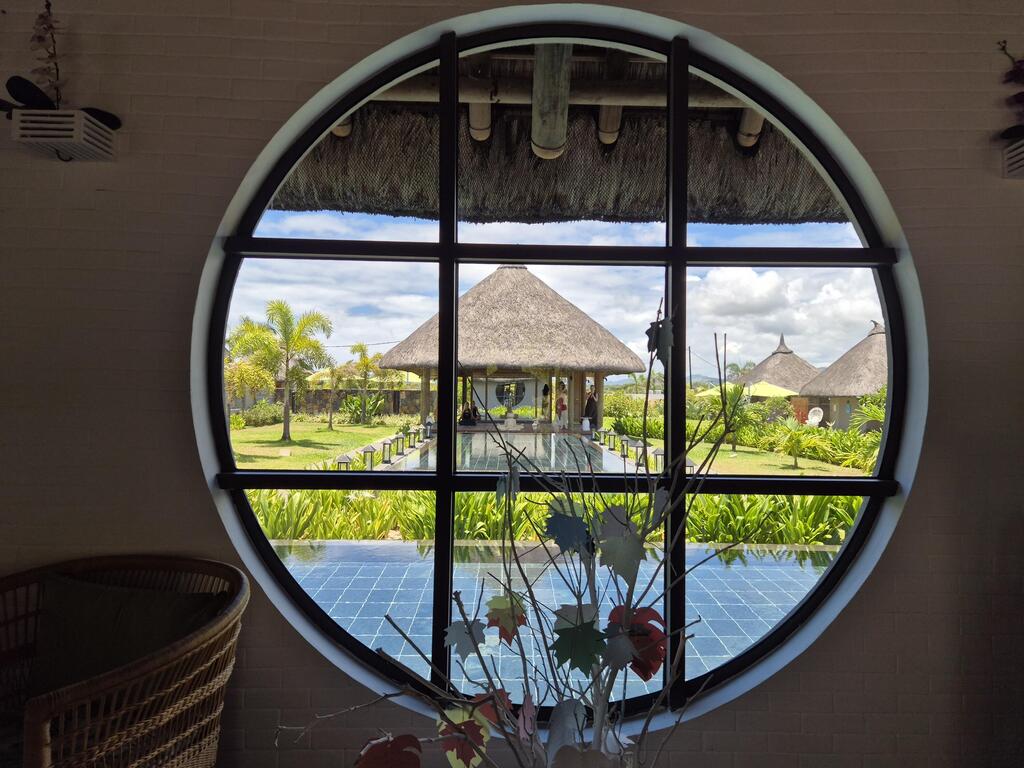
The spa is professional and less expensive than in Israel, C Mauritius Palmar
(Photo: Zvika Burg)
The resort has 116 rooms and suites, some with direct access to the beach or pool, a well-appointed spa, a fully equipped gym, and dedicated spaces for children and teenagers. The standard package is all-inclusive. The Asian restaurant, Wok ‘N’ Roll, and the wine room come highly recommended. It is an excellent choice for couples and families alike. Prices start at about $400 per couple per night, depending on season and room type.
More information: c-resorts.com
Next came Belle Mare Plage, an elegant, indulgent resort that looks like it was lifted straight from glossy tropical resort brochures. Part of the Constance Hotels group, it is located on the island’s east coast, about 60 kilometers from the airport, and sprawls across roughly 150 acres, most of them landscaped as a tropical garden.
The resort offers 278 rooms, including 155 suites and 18 villas designed for guests with top-tier budgets. Facilities include two full-scale 18-hole golf courses, eight restaurants, eight bars, a stunning two-kilometer stretch of sandy beach, and a spa using products from luxury brand Sisley. A recommended treatment is the Sports massage, invigorating and enjoyable, priced at about 600 shekels for an hour.
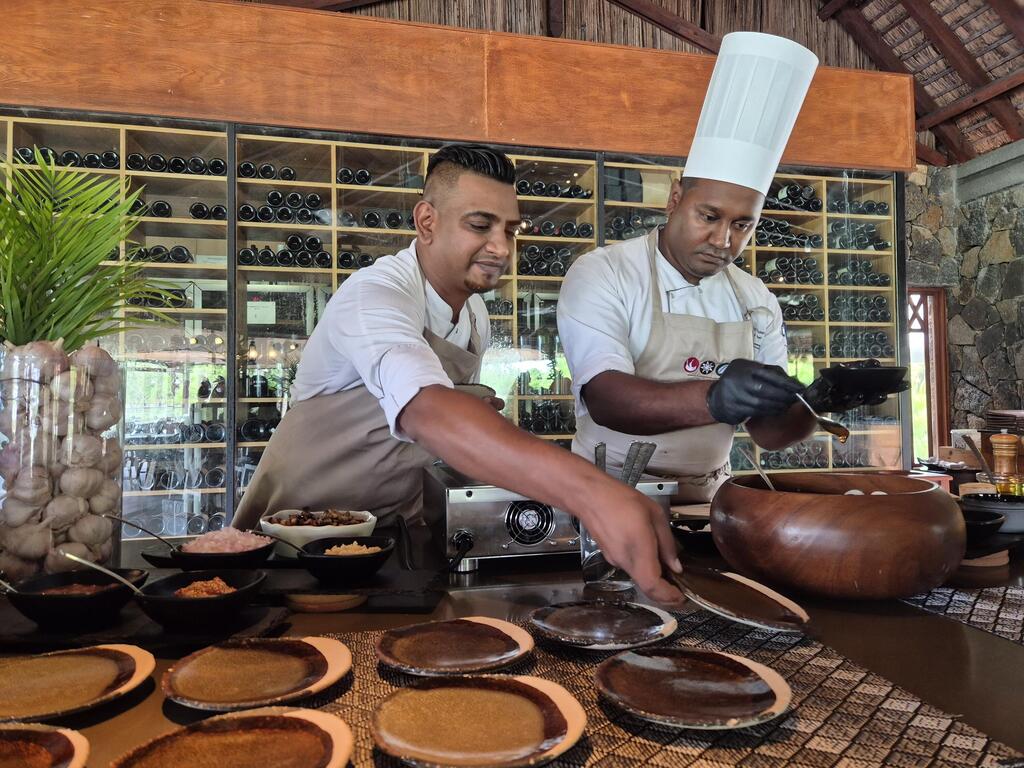
It is worth investing in workshops like this one, focused on local cuisine, Belle Mare Plage.
(Photo: Zvika Burg)
If you encounter rainy weather, Belle Mare is an excellent place to stay put. The resort offers engaging workshops, including cooking classes, and features a vast wine cellar holding around 35,000 bottles from 2,800 labels worldwide. Guests can enjoy wine-paired meals at the cellar restaurant, as well as private dining experiences with a personal chef and sommelier, at an added cost.
Wine deserves special mention. The Constance Hotels group invests heavily in this field, and many guests come specifically for wine-focused experiences. The chain purchases nearly 400,000 bottles annually and employs knowledgeable wine professionals at each property.
More information: constancehotels.com
We ended at Prince Maurice, which made one thing clear: everything Belle Mare does well, Prince Maurice does on an even grander and more expensive scale.
Located beside a nature reserve with blue lagoons and dense mangrove groves, the resort has just 89 suites and villas. It offers every conceivable luxury: an elaborate spa, golf facilities, a gym, children’s services, and infinity pools that appear to flow directly into a pristine beach, where staff continually circulate with frozen pineapple slices for sunbathers.
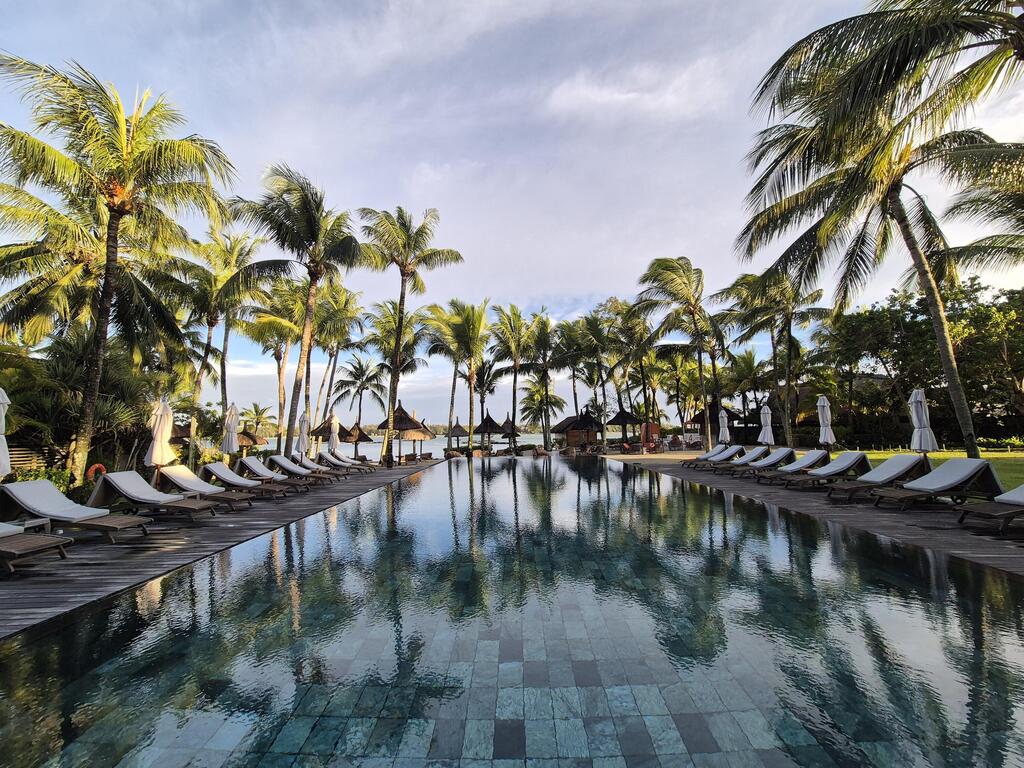
First light at the pool, Prince Maurice
(Photo: Zvika Burg)
Prince Maurice also excels in wine and gastronomy. Its cellar holds no fewer than 25,000 bottles from wineries in France, Spain, Italy, South Africa, New Zealand and beyond. The standout dining venue is Le Barachois, a restaurant set on floating platforms in the lagoon. The menu blends French and Asian influences, focusing on seafood and fish paired with fine wines. Diners can watch fish and even sharks swimming nearby.
More information: constancehotels.com
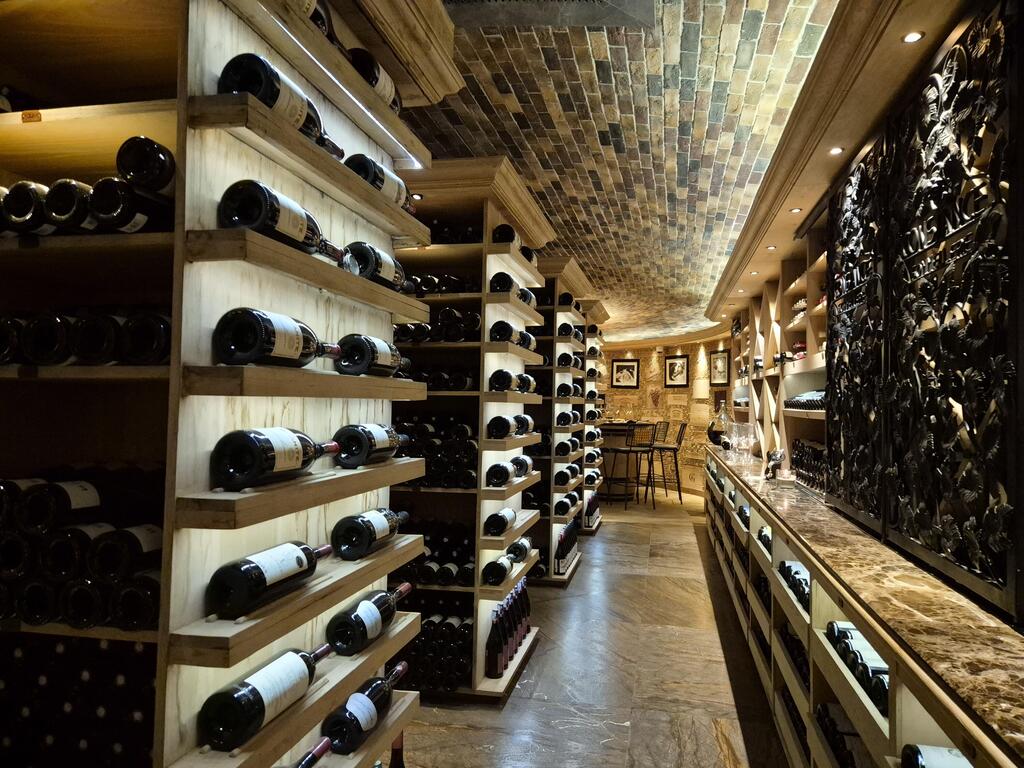
25,000 bottles from hundreds of wineries, the wine cellar at the Prince Maurice hotel
(Photo: Zvika Burg)
Exploring the city and nature
Port Louis, the capital and largest city, offers a colorful but modest market, a harbor promenade, a modern shopping center, and several historic buildings with interesting stories. While it is the island’s most important city, visitors with limited time can skip it in favor of other attractions.
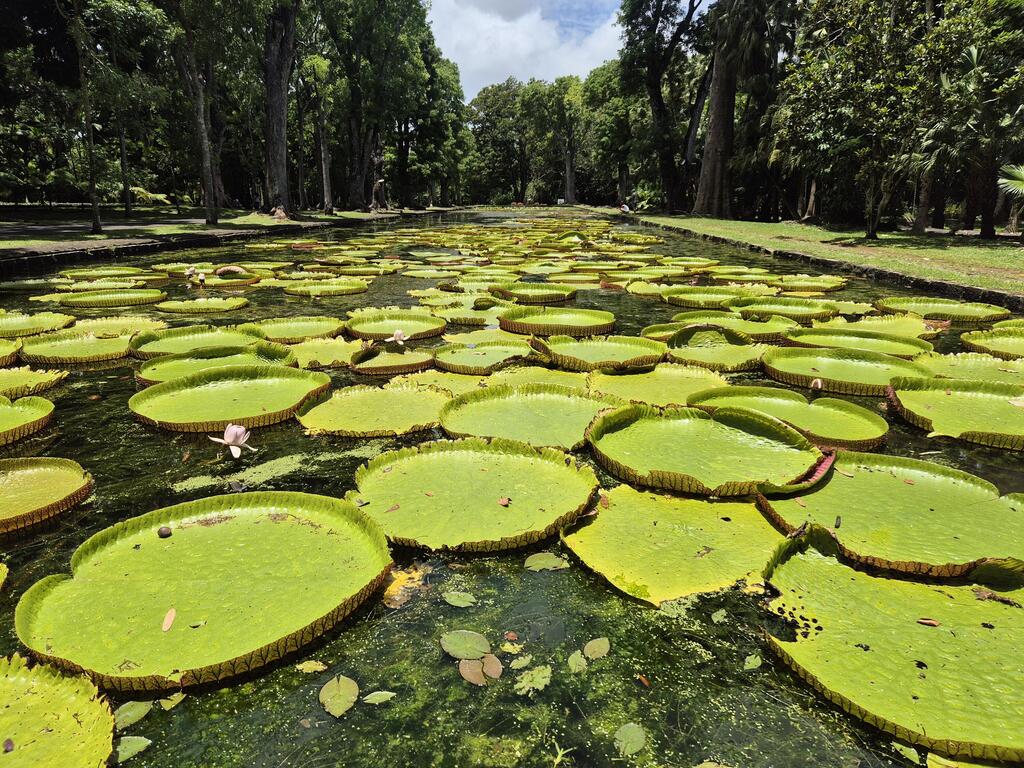
The Sir Seewoosagur Ramgoolam Botanical Garden, founded in the 18th century, covers about 370 acres and features hundreds of plant species. Its main attraction is a pond filled with giant water lilies. Information signage is scarce, but guides are available for hire at the entrance. A guided tour is optional, and independent wandering is also enjoyable. Admission is charged.
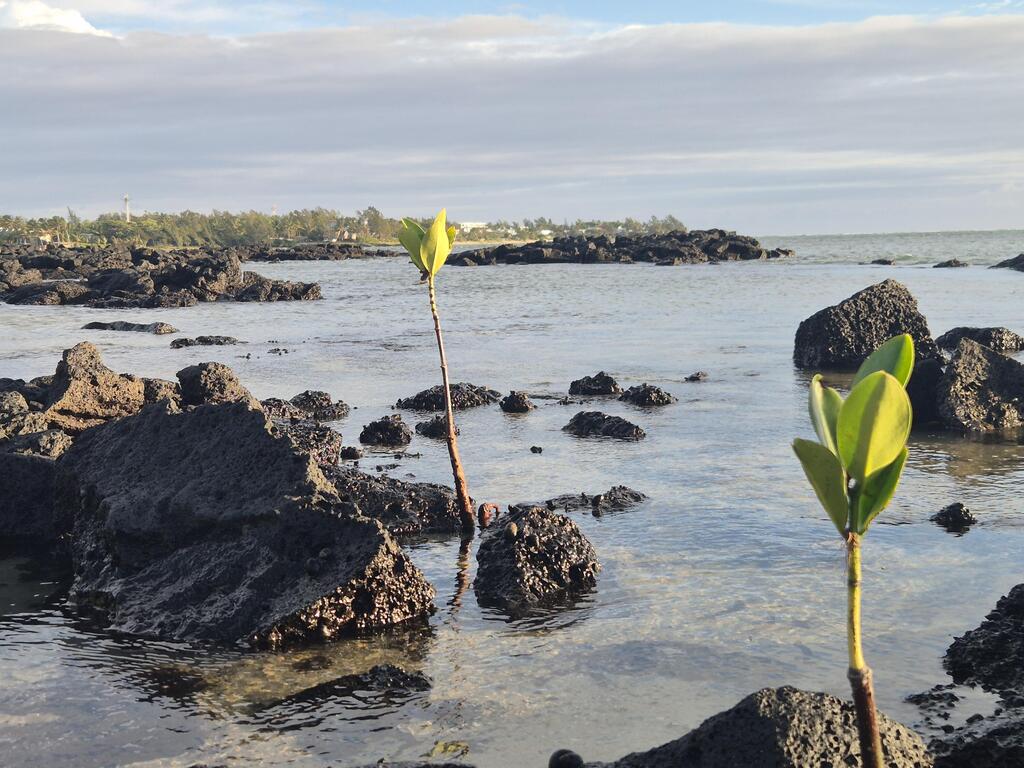
They grow in a salty water environment, young mangroves along the shore
(Photo: Zvika Burg)
Sugar, vanilla and rum. Several visitor centers showcase the island’s main industries, including sugar, rum, spices and vanilla. Ask your hotel to recommend a well-developed center nearby.
Parks, waterfalls and hiking trails. The island offers many, especially in its central and southern regions, but it is best not to spread yourself too thin. The standout is Black River Gorges National Park, covering 67 square kilometers with about 60 kilometers of hiking trails of varying difficulty. These lead through tropical forests to waterfalls and dramatic viewpoints. Plan a full day, arrive early, and come prepared with water, food, a hat and insect repellent. Take time to observe the mangroves, unusual trees that grow along the coastline in salty seawater and provide habitat for many species.
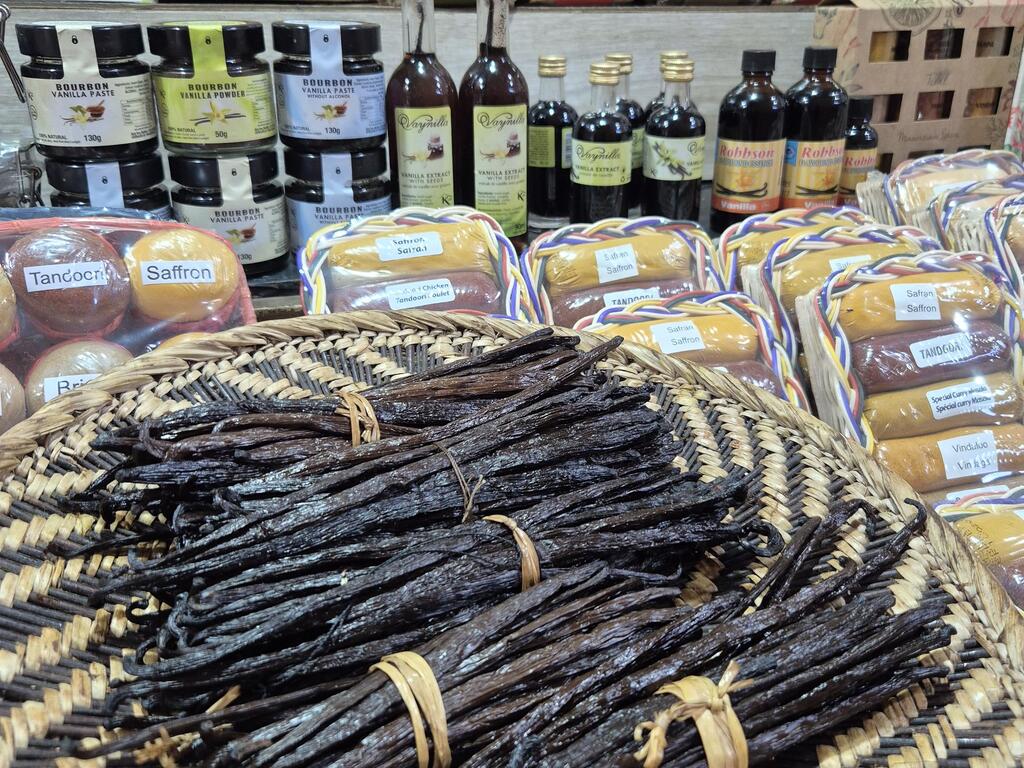
Vanilla pods at the market, it is worth making sure they are real vanilla
(Photo: Zvika Burg)
A general tip: always consult your hotel about nearby attractions. Sometimes hiring a taxi for the day makes sense, sometimes renting a car is better, and guided tours with a driver are also available.
Ten quick facts about Mauritius
Mauritius by the numbers. The island covers 1,865 square kilometers. By comparison, Israel spans about 22,000 square kilometers. Mauritius has approximately 1.26 million residents. About 48 percent are Hindu, descendants of workers brought from India and Bangladesh by the British in the 19th century. Roughly 32 percent are Christian and 18 percent Muslim. The main spoken languages are English, French and Creole, based on French with local influences.
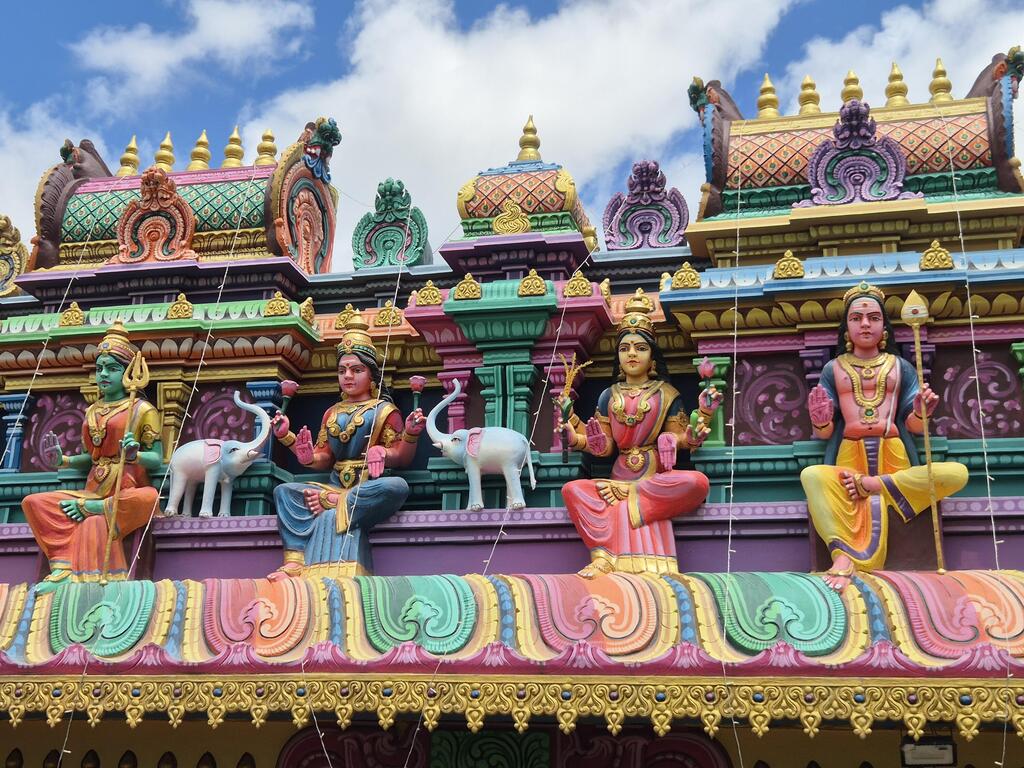
A Hindu temple, Forty-eight percent of the island’s residents are descendants of immigrants from the Indian subcontinent.
(Photo: Zvika Burg)
Rain is part of daily life. Mauritius lies about 2,200 kilometers south of the equator. The climate is lightly tropical, and rain may fall daily, usually as a brief passing shower followed by blue skies and sunshine. The wetter season runs from November through April, especially January to March, when cyclones may occur. During this period, choose a hotel with indoor activities.
Not a cheap destination. Mauritius ranks second in Africa in GDP per capita, after Seychelles, and is not a budget destination. Still, restaurants, hotels and spas generally cost less than in Israel.
Not a shopping hotspot. No one flies to Mauritius for Zara or Sephora, although you can find branded stores at the Waterfront mall in Port Louis and in upscale tourist areas. Better souvenirs include locally produced vanilla, tea, rum, or a white wine-like liqueur made from lychee. Avoid cheap spices and alcohol sold at markets, as they are often not authentic.
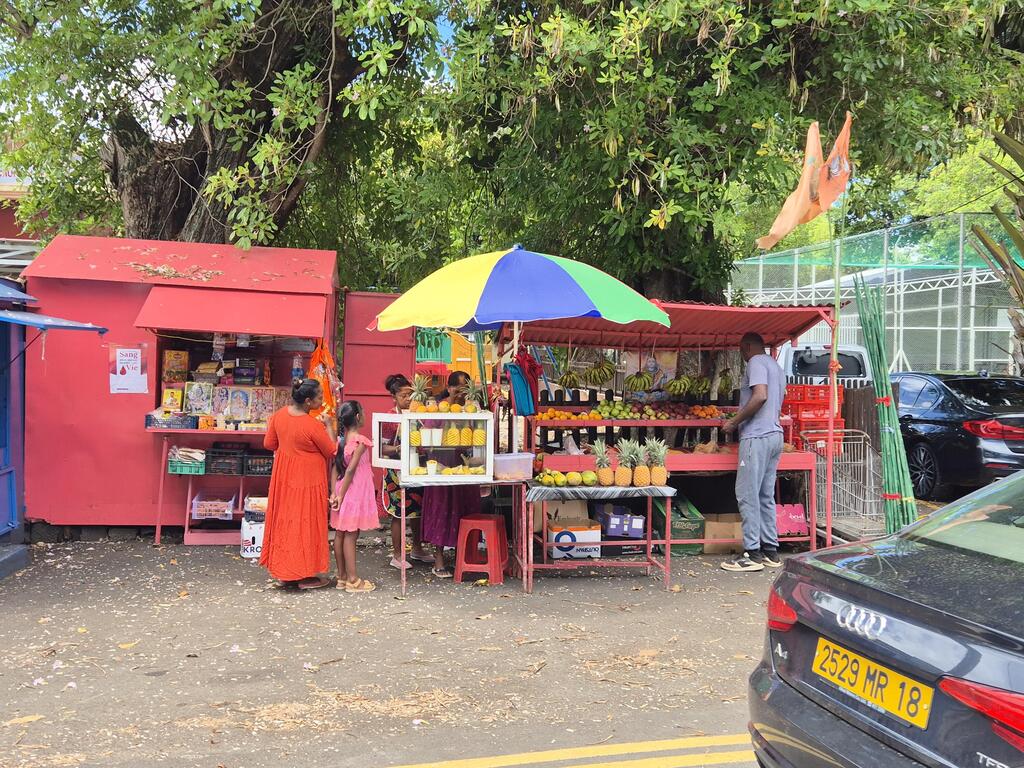
Pineapple, lychee and coconut milk, a roadside street stall
(Photo: Zvika Burg)
Currency. The local currency is the Mauritian rupee. As of January 2025, the rate was about 6.90 shekels or $2.20 per 100 rupees. Credit card use involves double conversion fees unless linked to a foreign currency account. Credit cards and Google Pay are widely accepted. Cash is useful for taxis, small market stalls and tips.
Driving on the left. Like Britain, Mauritius drives on the left. Be extra cautious when crossing streets and when driving, especially at intersections and roundabouts.
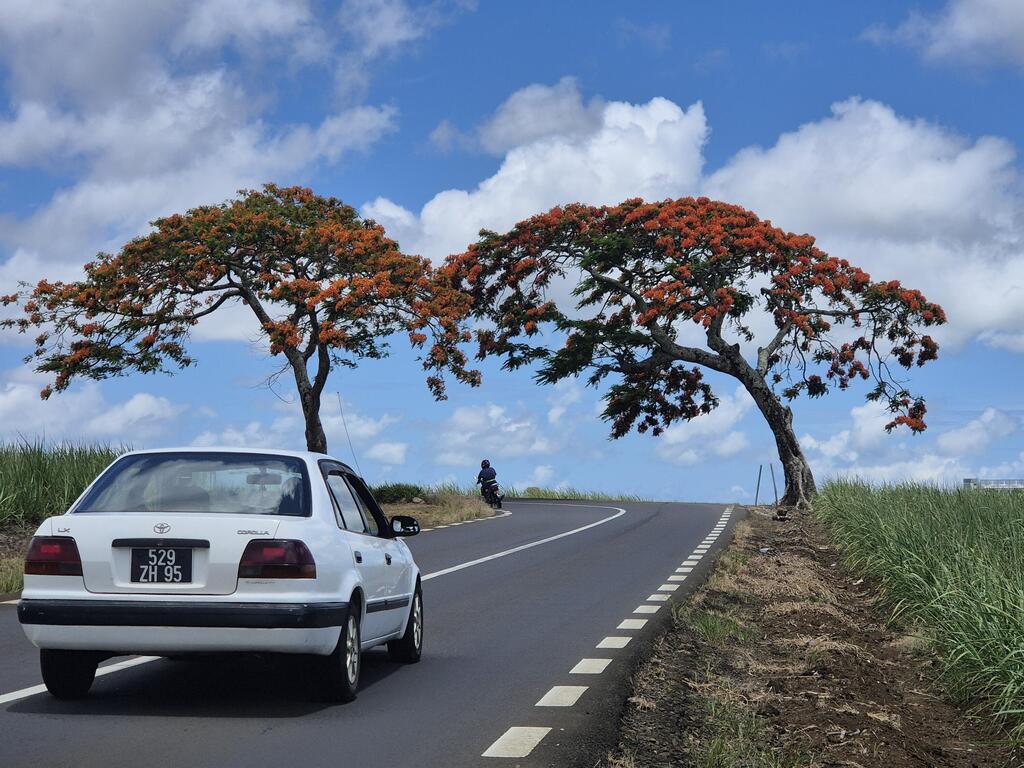
They drive the “opposite” way here, on the left side of the road
(Photo: Zvika Burg)
No mandatory vaccinations. No required vaccines are needed, but coverage for hepatitis A and B, tetanus and typhoid is recommended, along with regular use of insect repellent.
Wildlife. There are no large animals, but careful observation reveals lizards, geckos and colorful birds. Underwater, coral reefs surround the island, with marine life comparable to Eilat or Sinai. Swimming beyond the reef requires caution. Sharks are present.
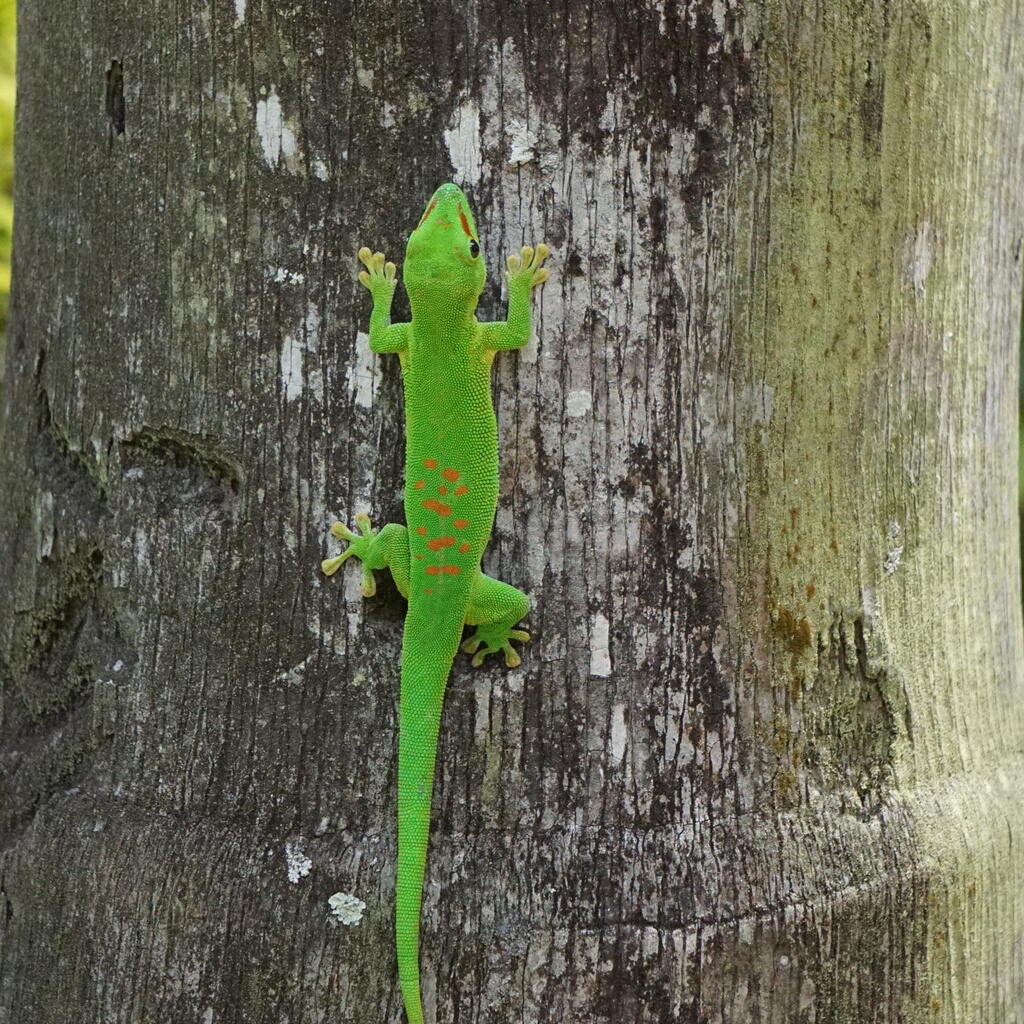
A Mauritian gecko, look for it on the trees
(Photo: Zvika Burg)
Food. The local cuisine blends Indian and French influences and features seafood, but many ingredients are imported. Hotel breakfasts tend to be underwhelming, even at luxury properties. Dinner, however, is a different story, with excellent chefs and creative menus. Plan your day around dinner and consider skipping heavy lunches.
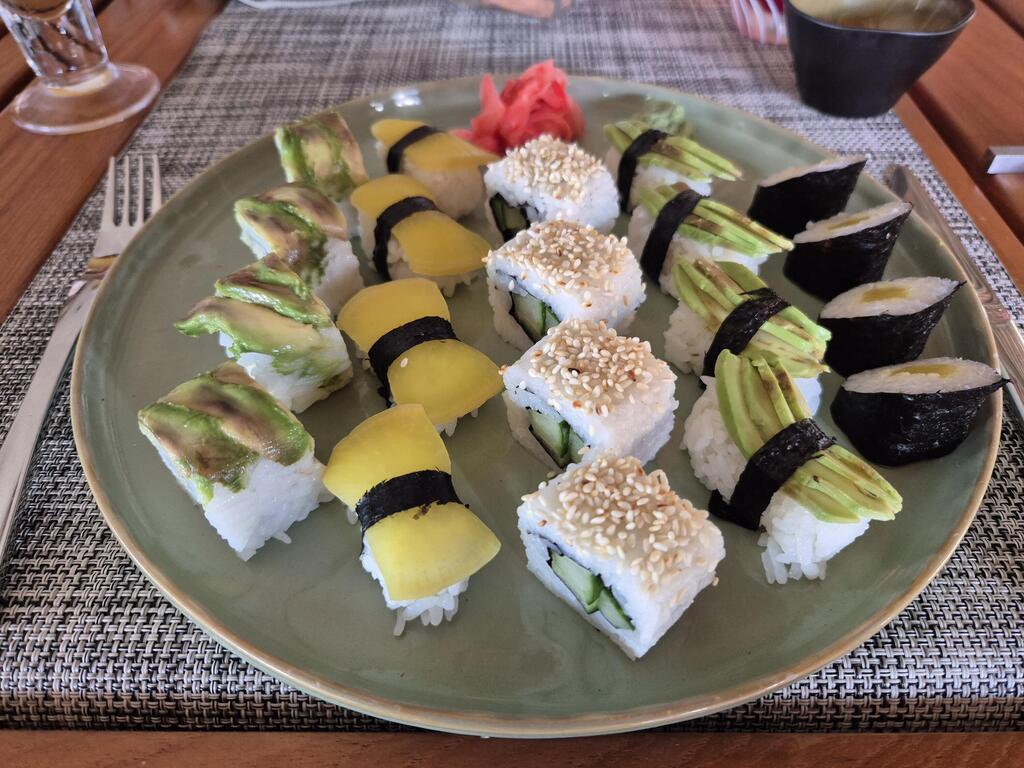
Colorful sushi for dinner, a focus on seafood
(Photo: Zvika Burg)
Watch the coconut trees. Ripe coconuts weigh up to 2.5 kilograms and can fall without warning. Do not stand beneath fruit-laden palms.
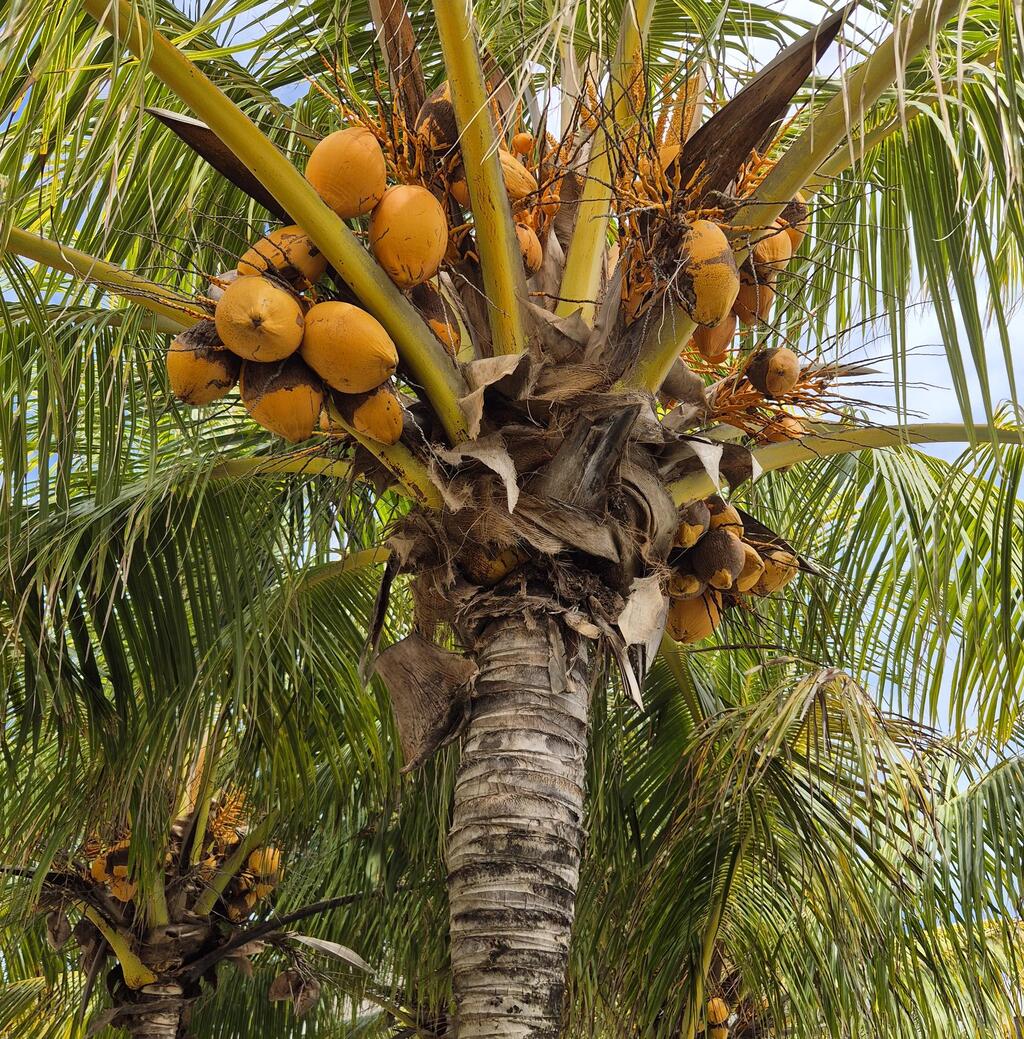
A coconut palm heavy with fruit, do not stand beneath it
(Photo: Zvika Burg)
Getting there
There are currently no direct flights from Israel to Mauritius. Travel requires a stopover, often in Seychelles or Addis Ababa. The most flexible route is via Dubai. Flydubai operates frequent flights from Tel Aviv to Dubai, and Emirates flies from Dubai to Mauritius several times daily, using Airbus A380 or Boeing 777 aircraft. The Dubai stopover offers scheduling flexibility, shopping at the vast duty-free area, or access to Emirates’ business lounges for those willing to pay.
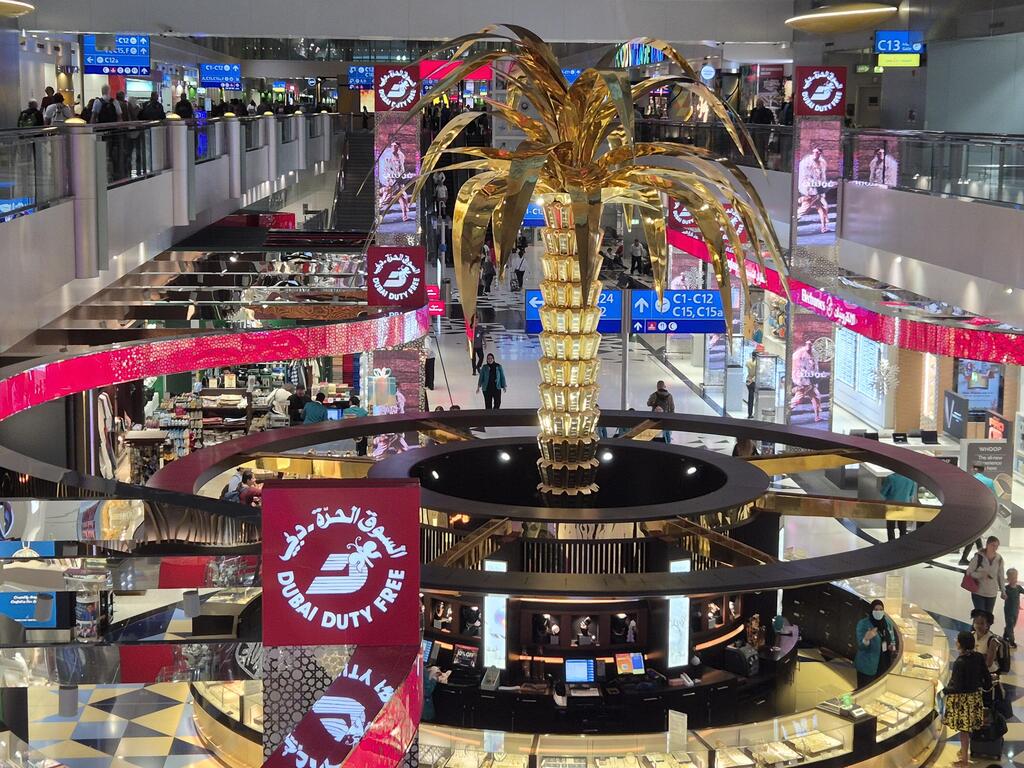
הדיוטי פרי בדובאי. פנו לעצמכן זמן לשופינג
(צילום: צביקה בורג)
The onward flight features personal entertainment screens, including Hebrew subtitles, and two meals.
Before travel, visitors must complete the Mauritius All-in-One Travel Digital Form at safemauritius.govmu.org and keep a copy on their phone. A printed backup is also recommended.
*The writer was a guest of Constance Hotels.