

Israelis and visitors alike love to discover cool, hidden natural swimming spots across the country. From shaded cave springs in the Jerusalem hills to secret river beaches and unexpected desert oases, nature lovers are finding refreshing escapes off the beaten path.
A magical cave spring in the Jerusalem Hills
Near the community of Even Sapir, not far from Hadassah Ein Kerem Hospital, a scenic spring called Ein Sapir flows from deep within a natural cave. On a hot day, I joined nature guide Ofri Skal‑Nazari from the Society for the Protection of Nature in Israel to experience the site firsthand.
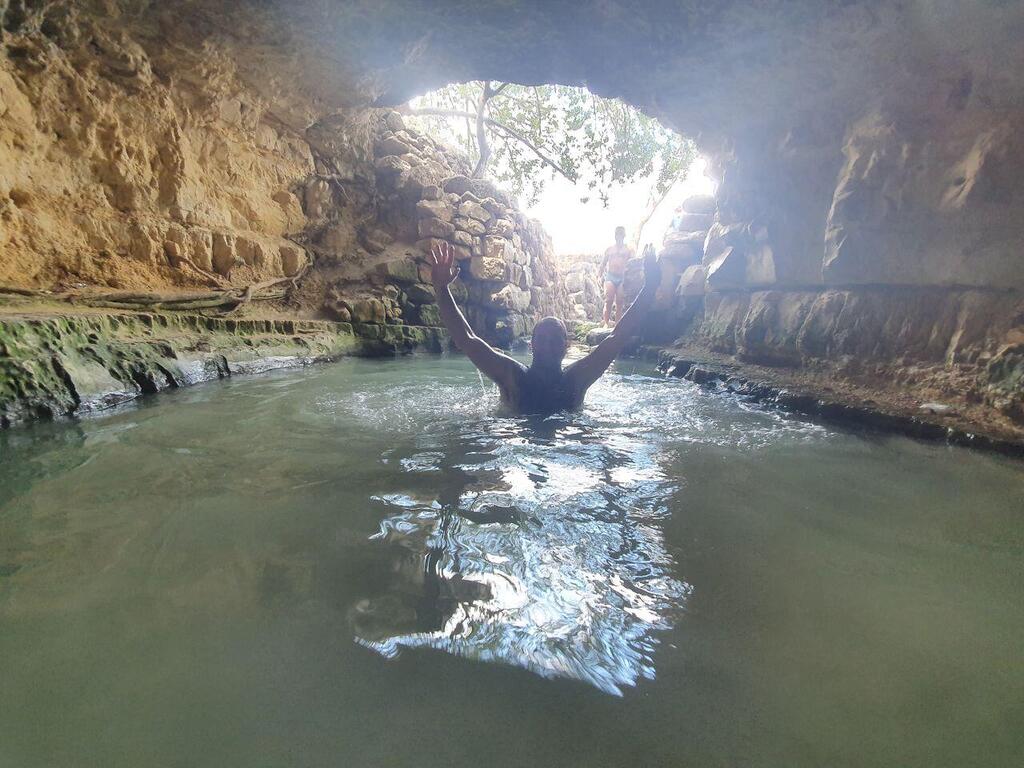
“Ein Sapir is part of the larger spring system in the Jerusalem hills,” she explained. “It emerges from a natural cave about 15 meters deep.” The water level reaches approximately 60 centimeters and is remarkably cool, even on hot summer days, thanks to the shaded cavern environment.
The spring is tucked beside the southern fence of Even Sapir. Visitors can reach it via the service road adjacent to the fence, then turn onto a dirt path. Typing “Ein Sapir” into Waze also brings you within walking distance of the site.
A surprising well in the Jezreel Valley
In the Jezreel Valley near Moshav Alonei Abba, an inviting water hole known as “Abba’s Well” offers a perfect warm-weather dip. Guide and poet Boaz Barshay shared the well’s unique history: “German settlers arrived here over a century ago and created a place called ‘Wald Hain’ — a wooded oasis. To make this land flourish, they dug a 15‑meter well. They understood that water was essential for life in the valley, and that well endures to this day.”
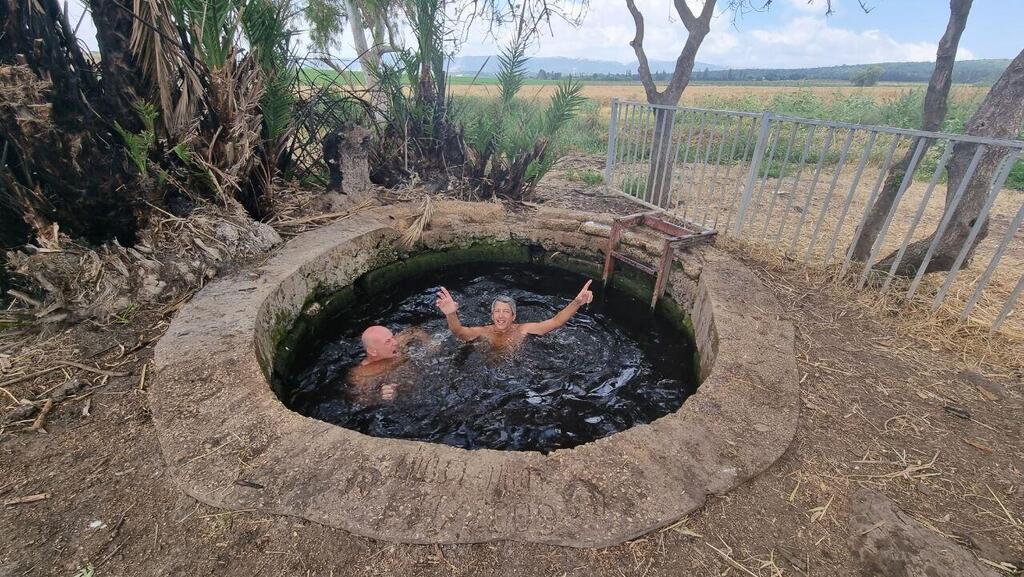
Abba's Well, Jezreel Valley
(Photo: Shamir Elbaz)
Years later, when the German settlers were expelled during World War II, members of the pioneering group HaMa’abara settled the area. Though their kibbutz struggled, it eventually became today’s vibrant community.
To find the site, visitors can drive to Alonei Abba and follow the main road until it becomes a dirt path through vineyards and fields. A single tree marks the spring’s shaded location, or you can simply navigate via Waze to “Be’er Abba.”
Secluded swimming at Abu Rabah on the Yarkon
While many Israelis know the Yarkon River’s more popular stretches, few are familiar with its secretive beauty at Abu Rabah beach. Located on the river’s southern bank near Moshav Adanim, this scenic peninsula boasts abundant water plants and old eucalyptus shade.
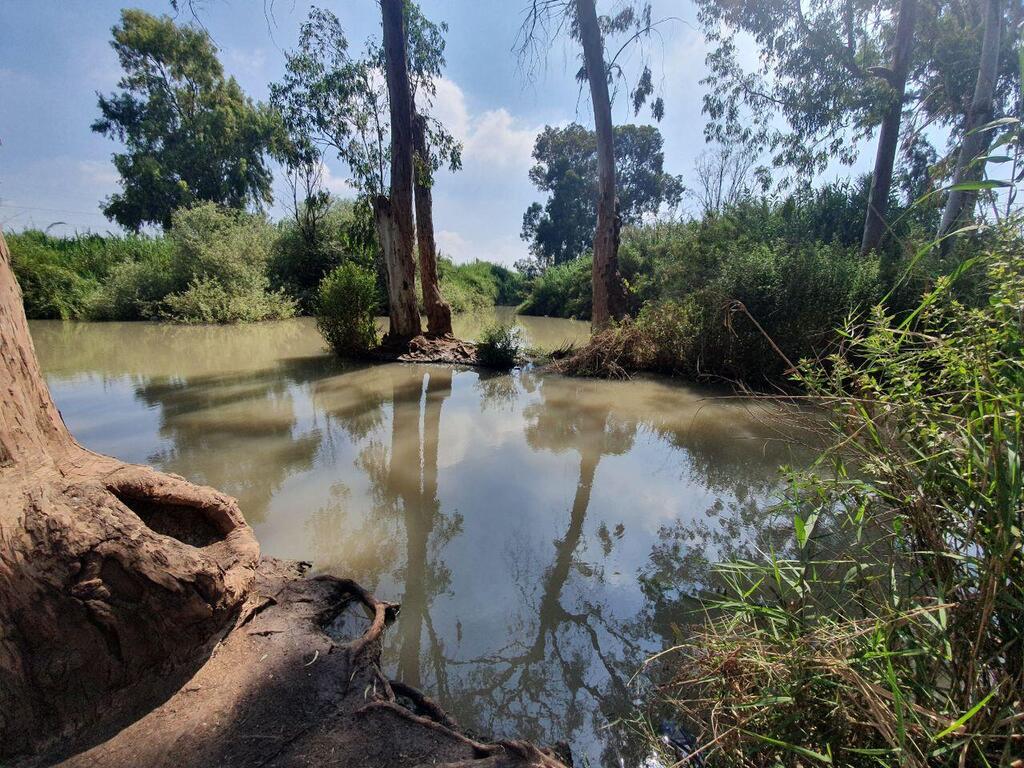
Abu Rabah - the secret spring in the Yarkon
(Photo: Assaf Kamar)
Once home to a water‑powered flour mill — complete with historic milling wheels — Abu Rabah draws photographers and birdwatchers with dozens of waterfowl species visible at dawn. Because the area remains wild rather than a formal swimming pool, visitors wishing to enter the water should wear protective sandals.
To reach the site, exit Highway 5 at the Yarkon Junction, head south toward Segula Junction, then turn right onto a dirt road leading under the highway. A Waze search for “Abu Rabah” works as well.
Refreshing waters at Maayan HaSusim
Another popular warm weather spot is Maayan HaSusim, also known as Ein Yebaqa. The spring’s inviting pool is located within an archaeological site, and swimmers are advised to wear sandals. The clean water teems with fish and tiny black snails — natural signs of water quality — and a shady grove beside the pool offers welcome respite.
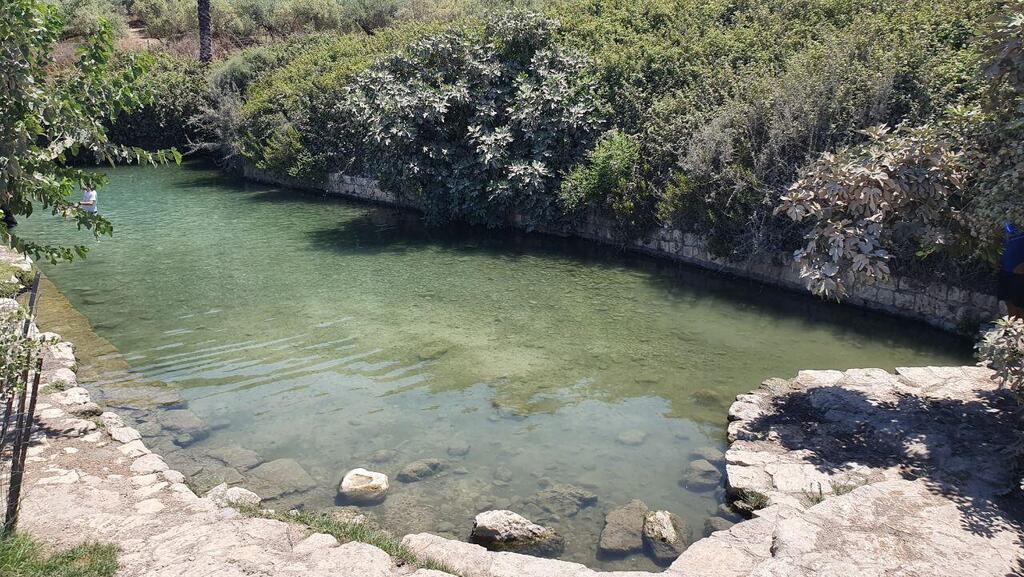
Maayan HaSusim, also known as Ein Yebaqa
(Photo: Assaf Kamar)
While the water in the spring pool is safe to enter, just a few hundred meters away the stream flows into the polluted and dangerous Tzipori River. Swimmers are urged to stay only in recommended, safe areas.
Getting there requires a bit of local guidance: common GPS directions to off‑road tracks can lead visitors astray. The recommended route begins in the Bedouin village of Kaabiya — a community known for its welcoming residents and well‑maintained sidewalks — and follows the main road to a kiosk called Bush, then a short off‑road path to the spring.
A hidden gem in the heart of Haifa
Just five minutes on foot from Haifa’s Horev Center lies Ein Ahuza, a little‑known spring rediscovered by local nature lovers. Popular in the 1970s and ‘80s with local scouts and urban hikers, the site later faded from view. In 2011, neighborhood residents built the beautiful pool where visitors now swim.
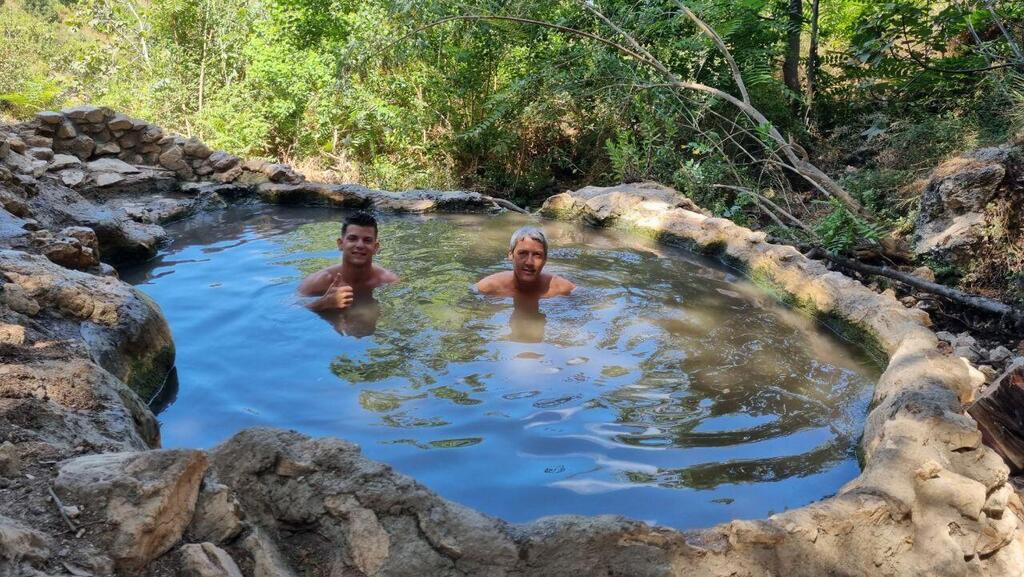
Ein Ahuza in Haifa
(Photo: Shamir Elbaz)
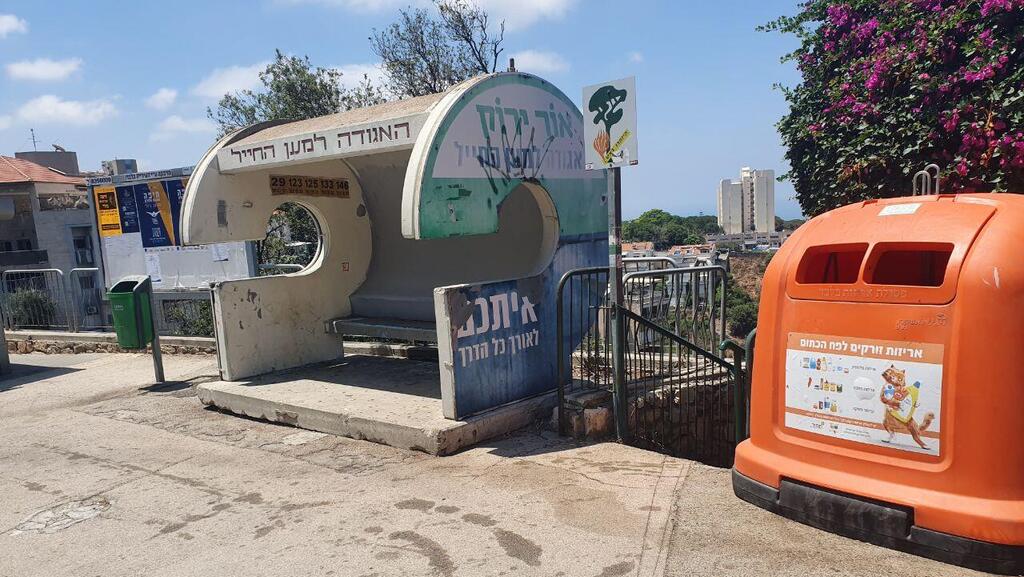
Near the bus stop, the stairs that lead to the spring
(Photo: Assaf Kamar)
Surrounded by lush fig trees and fragrant shrubs, with a relaxing swing and stunning views of Carmel slopes and white houses below, Ein Ahuza offers an urban nature escape. Visitors can reach it by descending stairs near the Freud/Weitkin bus stop, then following a short forest path to the spring.
Natural slides in Nahal HaKibbutzim
Near the Jordan‑Beit She’an border, nature lovers flock to Nahal HaKibbutzim, one of Israel’s most enjoyable water streams. The geological landscape here is dotted with countless clear springs and pools — some secret, others well known.
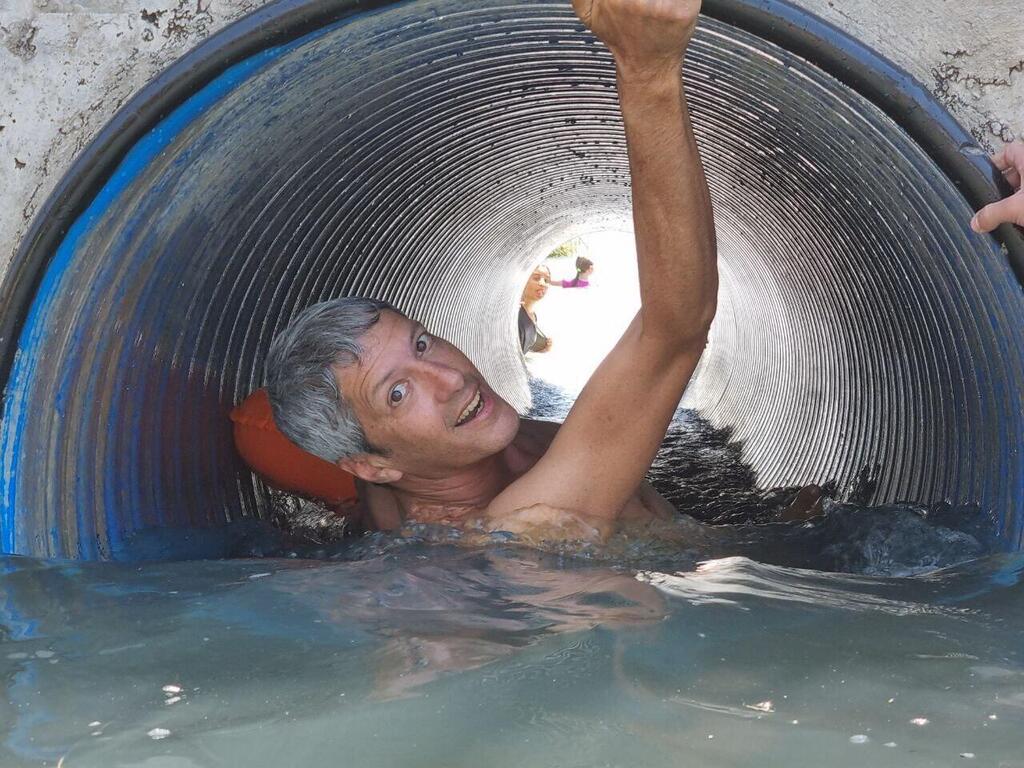
Makeshift natural water slides at Nahal HaKibbutzim
(Photo: Shamir Elbaz)
One of the stream’s delights is the makeshift natural water slides — metal pipes encased in concrete originally built to regulate water flow. Children and adults alike ride the strong currents repeatedly, creating endless fun. Because the area is a nature reserve with no lifeguards, strong swimmers only should dive in, and those wanting extra safety can bring flotation rings or pool mats.
To visit, enter Nahal HaKibbutzim into Waze or take Route 669 toward Nir David, circle the kibbutz and turn right onto a dusty white road leading to a parking area. A short five‑minute walk upstream brings you to the first slide.
Cool off at Nitzanim Lake
Between Ashdod and Ashkelon, amid the dunes of the Nitzanim Nature Reserve, lies a refreshing oasis called Nitzanim Lake. Guided by Danny Miller, a Nature Protection Society volunteer, visitors follow a sandy trail through thick vegetation to the lake’s edge. The waters — calm, warm and inviting — glimmer a deep blue, welcoming swimmers among fish and frogs.
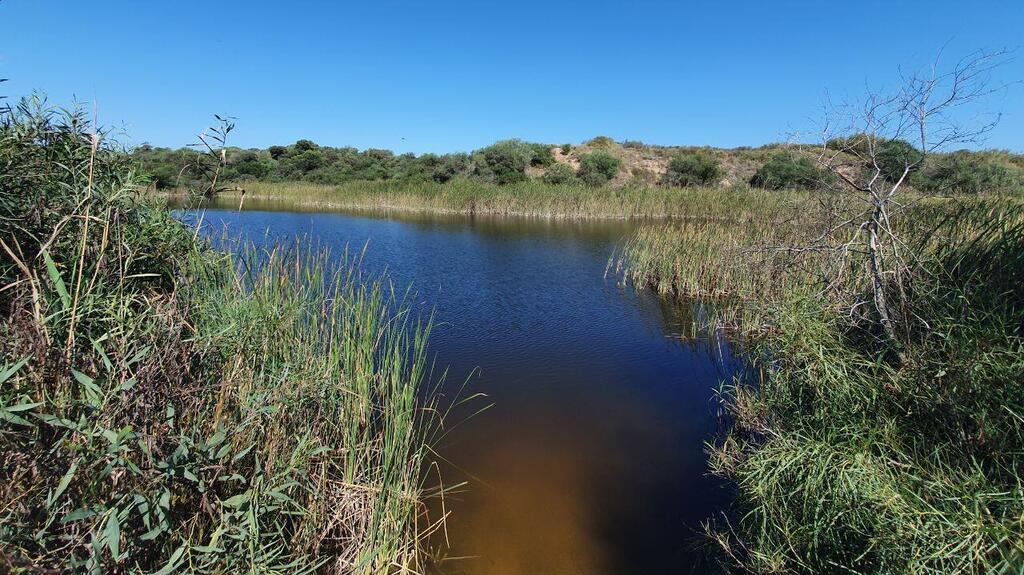
Lake Nitzanim
(Photo: ASsaf Kamar)
The lake began as a clay quarry for construction materials before workers struck the coastal aquifer, filling the pit and creating this verdant lagoon. While the water is not drinkable, it is safe and pleasant for swimming.
To reach the site, navigate to “Nitzanim Lake” or drive along Highway 4 between Ashdod and Ashkelon, turning west toward the Nitzan community. After passing an army training base on the left, a large parking area appears on the right. From there, a narrow trail leads into the woods and to the lake.
Visitors are reminded that this is a nature reserve without lifeguards or trash bins — swimmers should pack out all waste to protect wildlife.
A recently discovered spring in Safed
The final entry on this tour is a newly discovered spring near Safed, revealed to local nature blogger and Facebook group admin Shani Goldschmidt. The spring boasts clear, pale blue water bubbling naturally from the ground at the edge of the Limonim Forest Nature Reserve, adjacent to the town’s municipal stadium.
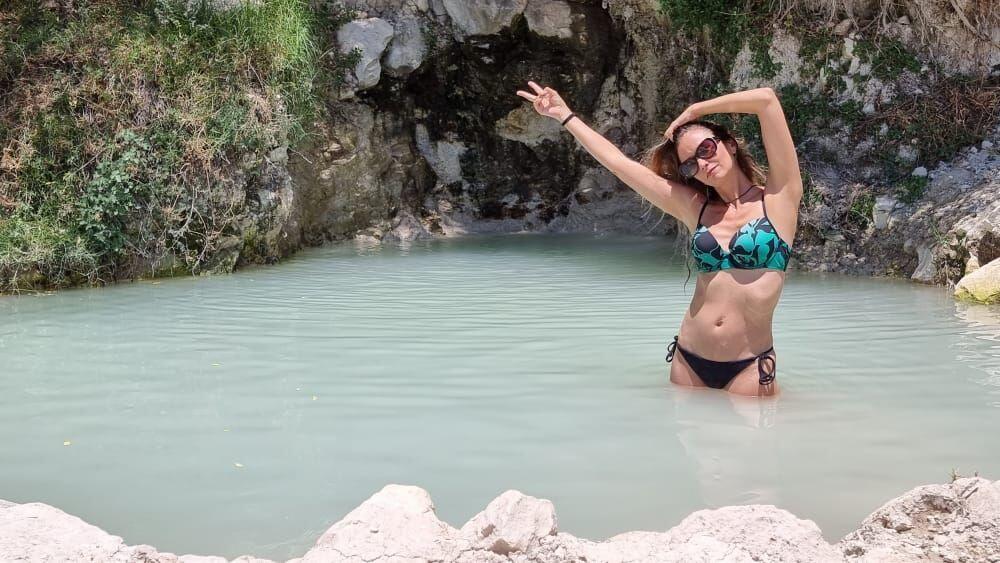
Nature blogger and Facebook group admin Shani Goldschmidt at a new spring near Safed
“The water fills the pool through a powerful natural flow,” Goldschmidt said, “and a drainage channel was built so it doesn’t flood the nearby stadium.” To reach it, visitors can enter “Safed Municipal Football Field” into Waze, park near the accessible parking area, walk down to the stadium, then follow a short dirt path to the hidden spring.
First published: 13:25, 01.26.26