

After a long period in which trips to northern Israel nearly disappeared from people’s schedules, the return of relative calm is allowing visitors to rediscover the remarkable streams of the Galilee Panhandle. Anyone longing for the restorative shock of cold water and a little green scenery is invited to head north again.
Veteran tour guide Ben Pershitz, 42, who manages the Hebrew-language Facebook group “The Guide to the North” and remained in the region throughout the war, recommends several indulgent swimming spots. He says the streams remain relatively empty, visitors have not yet returned in large numbers and some paths have become overgrown.
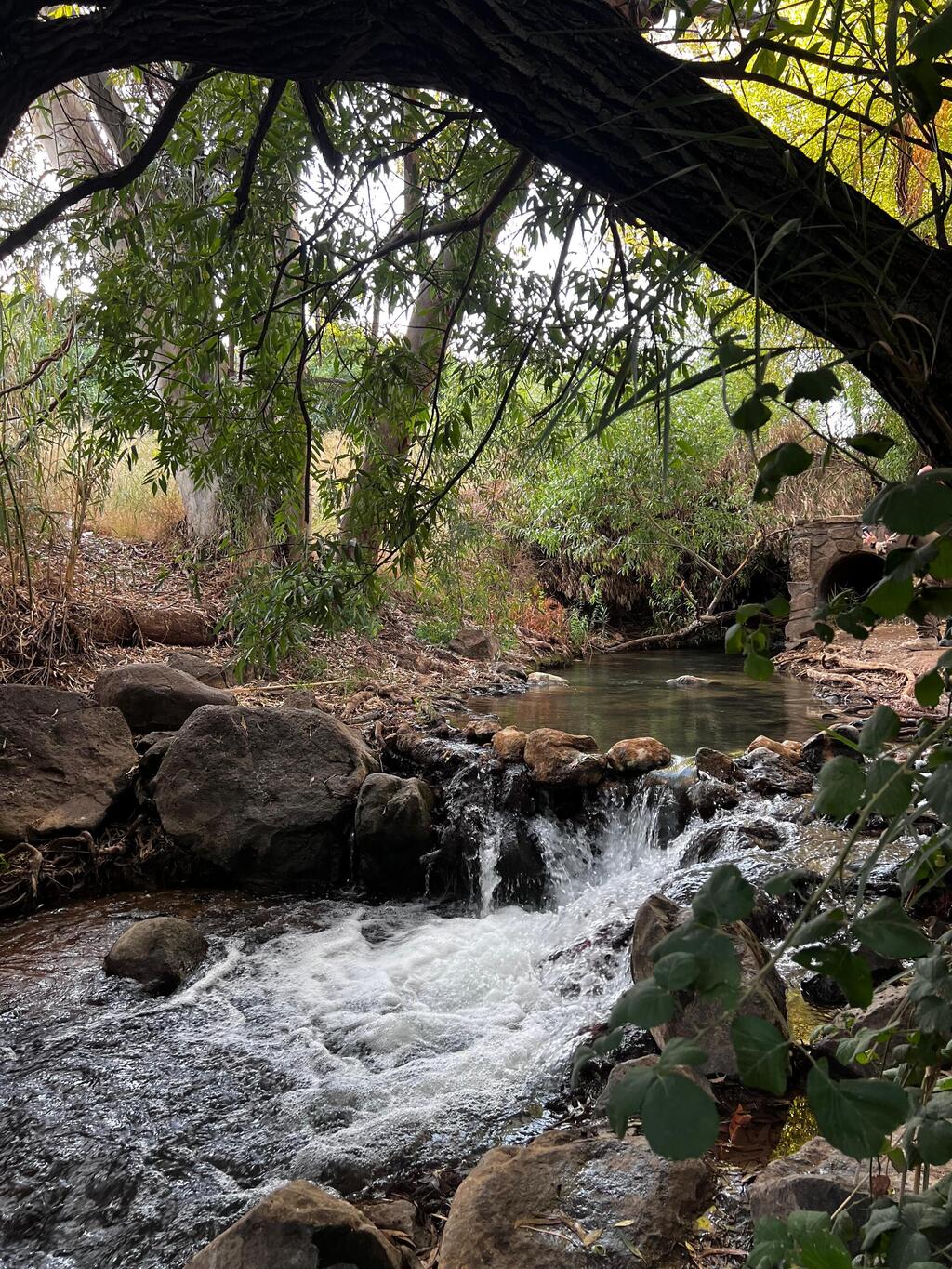
The northernmost stop: A hidden corner of the Ayun Stream
Only 10 seconds separate the access road to the Kfar Yuval cemetery from the cold water of the Ayun Stream. There is no long hiking route, deep pool or difficult descent. Instead, visitors find a shaded, accessible spot suitable for families with children, a picnic or a brief stop on the way farther north.
“This is essentially a corner of the Ayun Stream, and that is what makes it cool, because most hikers go to the Banias, Hasbani or Dan streams,” Pershitz says. “Many people know the Ayun Stream through the nature reserve, Tanur Waterfall and Tahana Waterfall, but I am talking about a lower section where you can actually enter the water. It is a cold, pleasant spot hidden near the Kfar Yuval cemetery.”
How to get there: Enter “Kfar Yuval Cemetery” in Waze. Near the beginning of the access road, look to the left for a sign and a very short descent to the water. “It is a 10-second descent. You really cannot miss it,” he says. “The water is very shallow, there is shade, and it is a family-friendly place where you can splash around or simply lie in the water.”
A Turkish bridge stands beside the spot, with the stream continuing to flow beneath it. “You have a beautiful corner, an ancient structure and trees, and it is a perfect place for a picnic,” Pershitz says. “The Ayun is the smaller, lesser-known sibling of the popular streams in the area, and that is precisely why it is fun to choose it for a change.”
Elsewhere along northern streams, signs of the long period without hikers are already apparent. “There are places where you can see that no one has visited for a long time,” he says. “Paths that once led to the water are now almost invisible. They are covered with weeds, and in some places you have to clear your way through.”
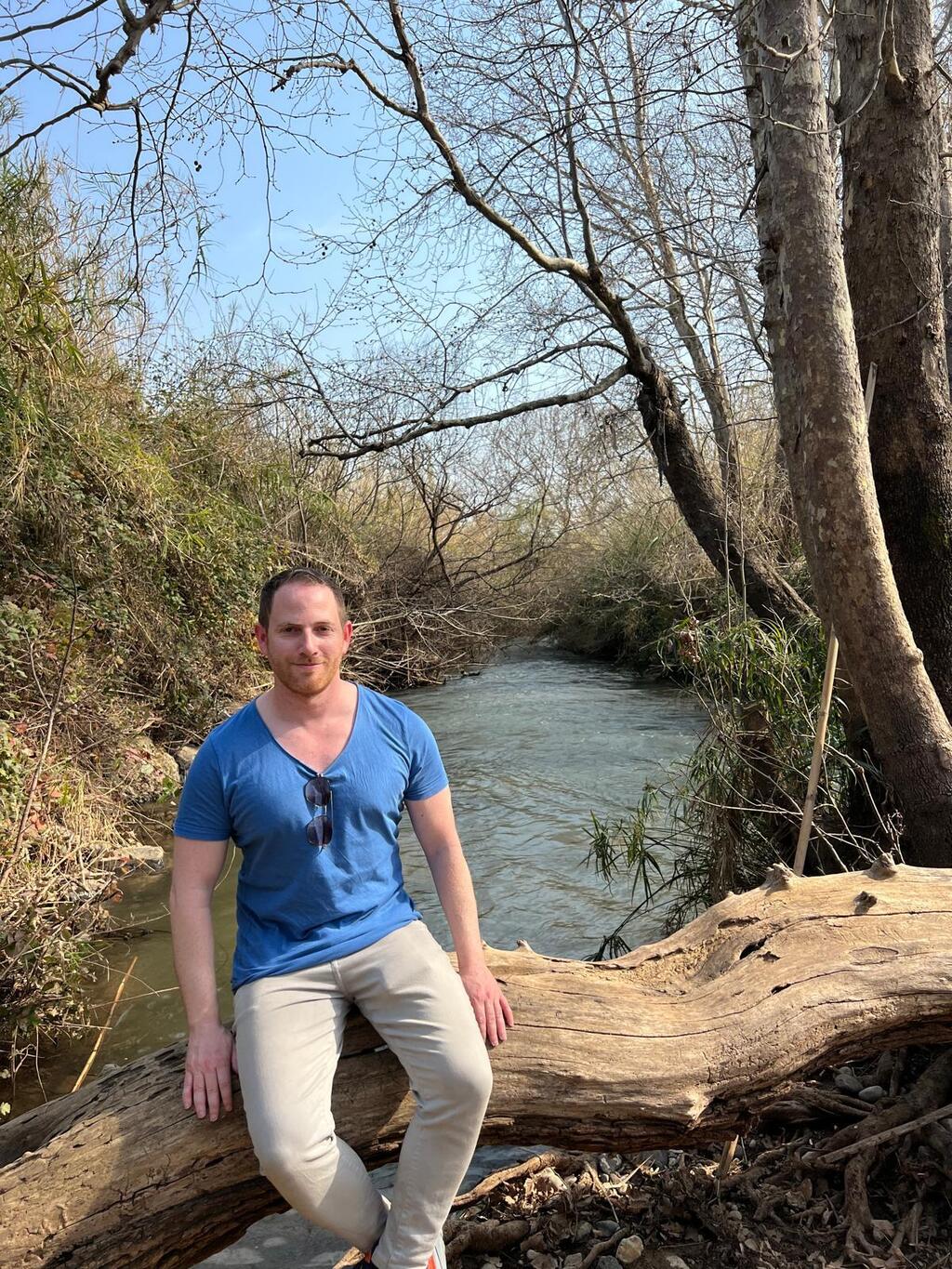
Ben Pershitz
(Photo: Ben Pershitz)
Snir Stream: Walk, sweat and jump into freezing water
The next stop combines a hike with a series of swimming opportunities along the Snir Stream. The starting point is Gan HaTzafon, the commercial center on Route 99 between Kiryat Shmona, Dan and Dafna. Once a crowded leisure destination, it now operates on a much more limited scale.
How to get there: Park at Gan HaTzafon and walk toward the corner nearest Route 99. Descend the stairs to the bank of the Snir Stream, pass beneath the main road bridge and climb back up. Cross the bridge above the stream, turn left and descend again, this time to the western bank. The path toward Beit Hillel begins there.
“There is a clear trail running along the stream, with beautiful places to enter the water along the way,” Pershitz says. “There is also a small wooden deck where you can sit and have a picnic, and some spots have a kind of rope swing. It is also a proper route, which is always enjoyable. You get a little exercise, and when it becomes hot, you enter the water.”
The route is not circular. Visitors walk south along the bank, enter the water wherever they choose and return along the same path to their car. “Everyone can walk as far as suits them,” he explains. “I recommend continuing to the Columbia Beach area in Beit Hillel and then returning. It is about one to 1.5 kilometers in each direction, with many beautiful spots along the way.”
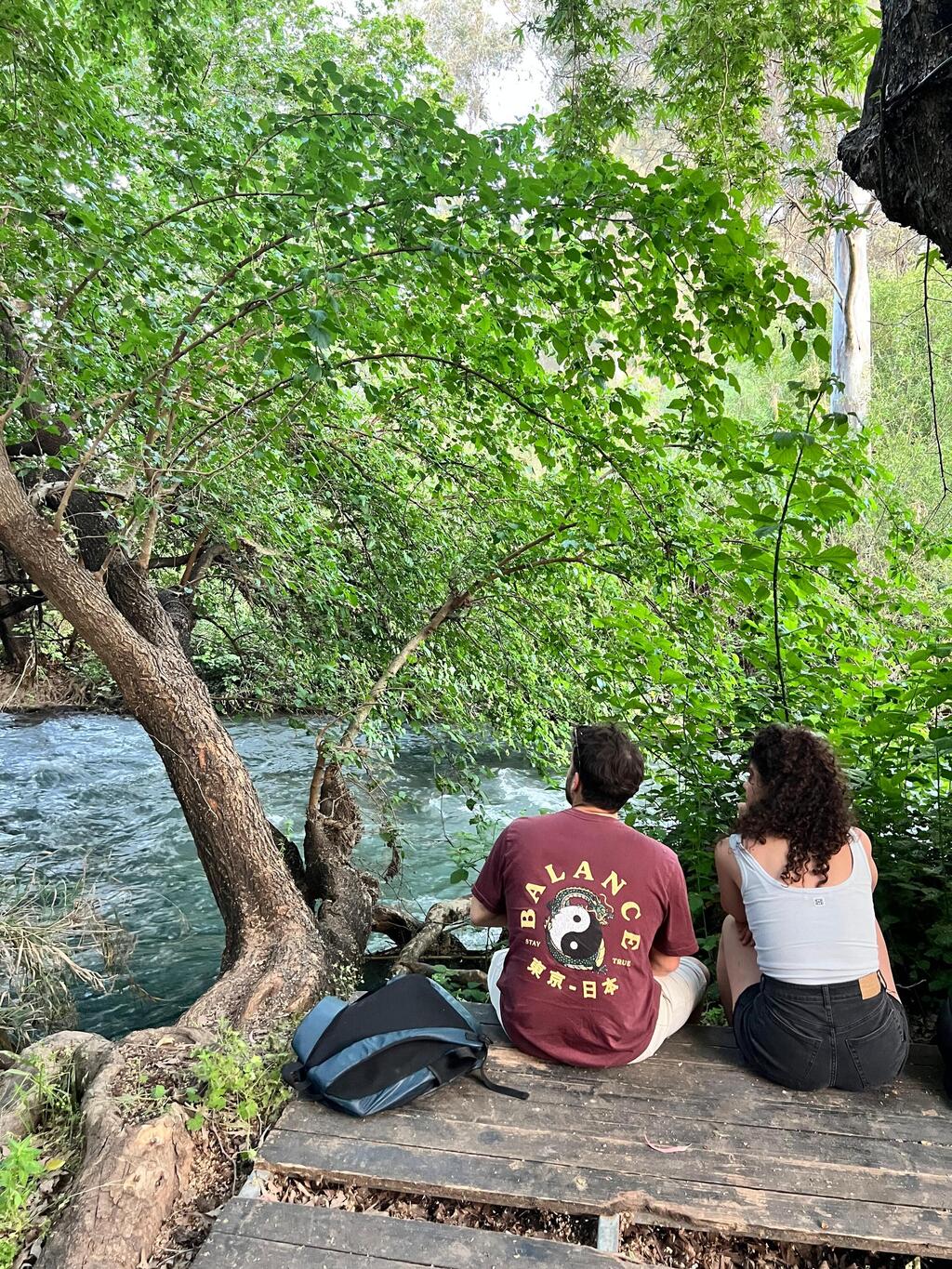
The deck on the bank of the Snir Stream, along the trail from Gan HaTzafon to Columbia Beach
(Photo: Ben Pershitz)
Columbia Beach: The young crowd’s swimming spot
Columbia Beach is one of the most popular swimming locations on the Snir Stream. It resembles a small beach in the middle of the river, with a sandy area that is unusual for northern Israel’s streams. The origin of its nickname is unclear, and Pershitz says several local versions exist.
“It really looks like a small seaside beach, which is fairly rare along a stream,” he says. “There is a beautiful strip of sand, and it is extremely easy to reach, so it has become very popular.”
How to get there: Enter “Beit Hillel Workshop” in Waze. The entrance is at the northern exit from Beit Hillel. Visitors arriving from Route 99 should pass through the yellow gate at the entrance to the community and turn left into the large parking area. Continue on foot along the concrete path beside the orchard, then turn left at the sign pointing toward the stream. The walk takes only about a minute.
The spot attracts many young people from the area, and loud music can sometimes be heard. “Anyone looking for more young people, a crowd and a cheerful atmosphere will definitely enjoy this beach,” Pershitz says. “Anyone seeking quiet should come during the week or toward the end of the day. Sometimes, during a sunset swim, you can find yourself almost alone.”
Ben’s secret tip: The quiet corner near Columbia Beach
Even when Columbia Beach is crowded, visitors do not have to squeeze into the famous spot. A quieter corner lies about five minutes away on foot. It has no sandy beach, but also none of the commotion.
“When you descend toward the stream, you reach a kind of fork,” Pershitz explains. “Turning right leads to Columbia Beach. Instead, turn left and walk north for about five minutes among the reeds. Then, on the right, you will see a spot with a huge tree that you can also sit on.”
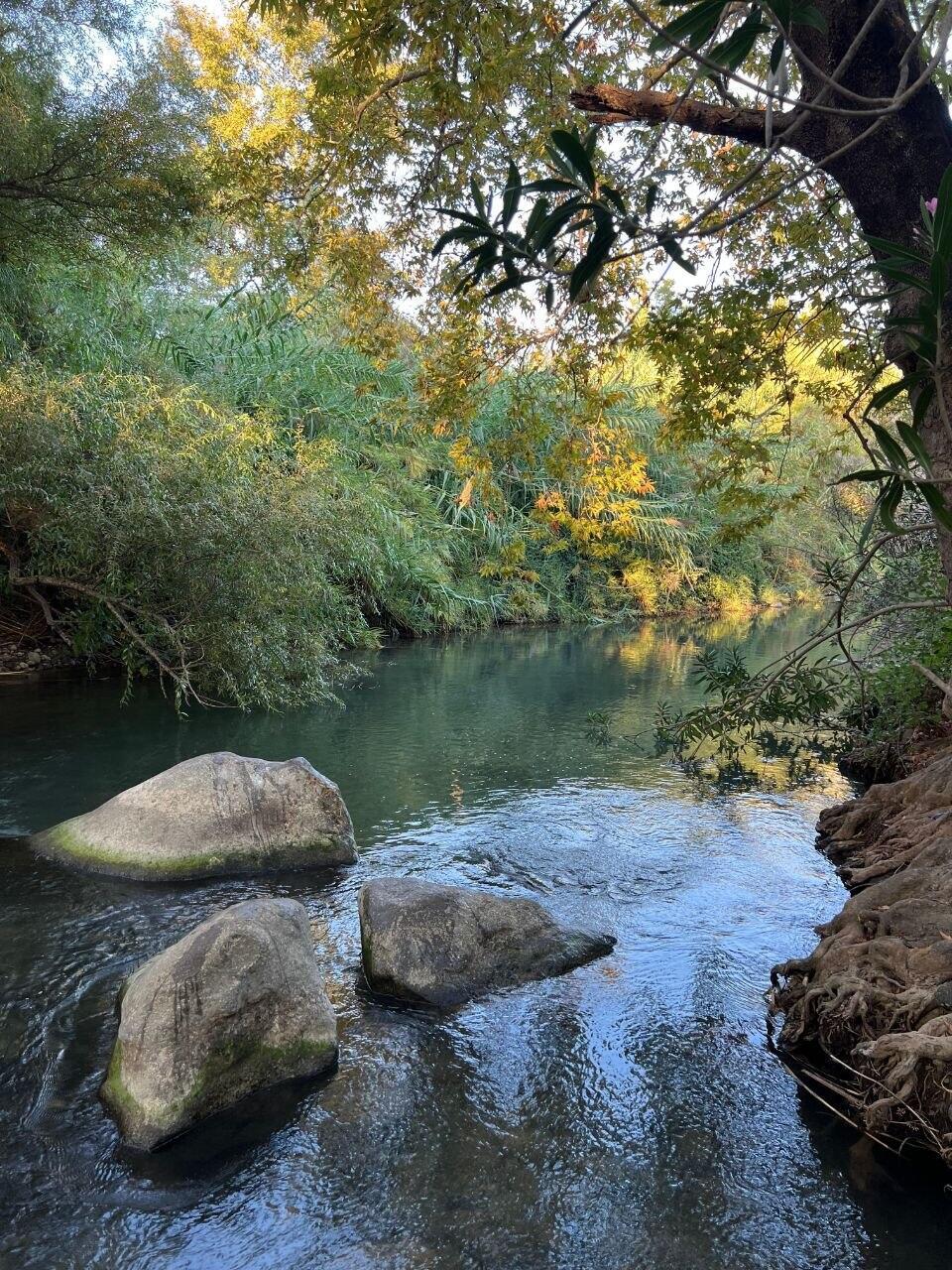
The spot along the Snir Stream north of Columbia Beach
(Photo: Ben Pershitz)
He says it is essentially a quieter northern extension of the same section of the stream. “There is no sand and no real beach, but it is much calmer and emptier, with excellent places to enter the water.”
The water in the Snir Stream is particularly cold, and even Pershitz admits that entering requires determination. “I usually enter gradually because I also suffer from the cold,” he says. “I put another part of my body in, even when it is unpleasant, because I know it will pass in another second. Within a minute, you will see me in the water as though I grew up there.”
For him, the difficult moment is worth the feeling that follows. “It is a real ice bath in nature, enjoyable and refreshing. When you leave the water and stand outside in the breeze, you feel wonderful. Suddenly, July and August disappear. You are not in Israel. For two minutes, you are in Slovenia.”
A swimming spot hidden on the road to a Druze holy site
One of Pershitz’s favorite spots lies along the Banias Stream near the road leading to the Nabi Yehuda holy site. It is easy to pass without noticing. The stream is barely visible from the road, the sound of flowing water is not always audible and the entrance is hidden among the trees.
“It is remarkable how hidden this place is, while also being so close once you discover it,” Pershitz says. “It is only about a 10-second walk.”
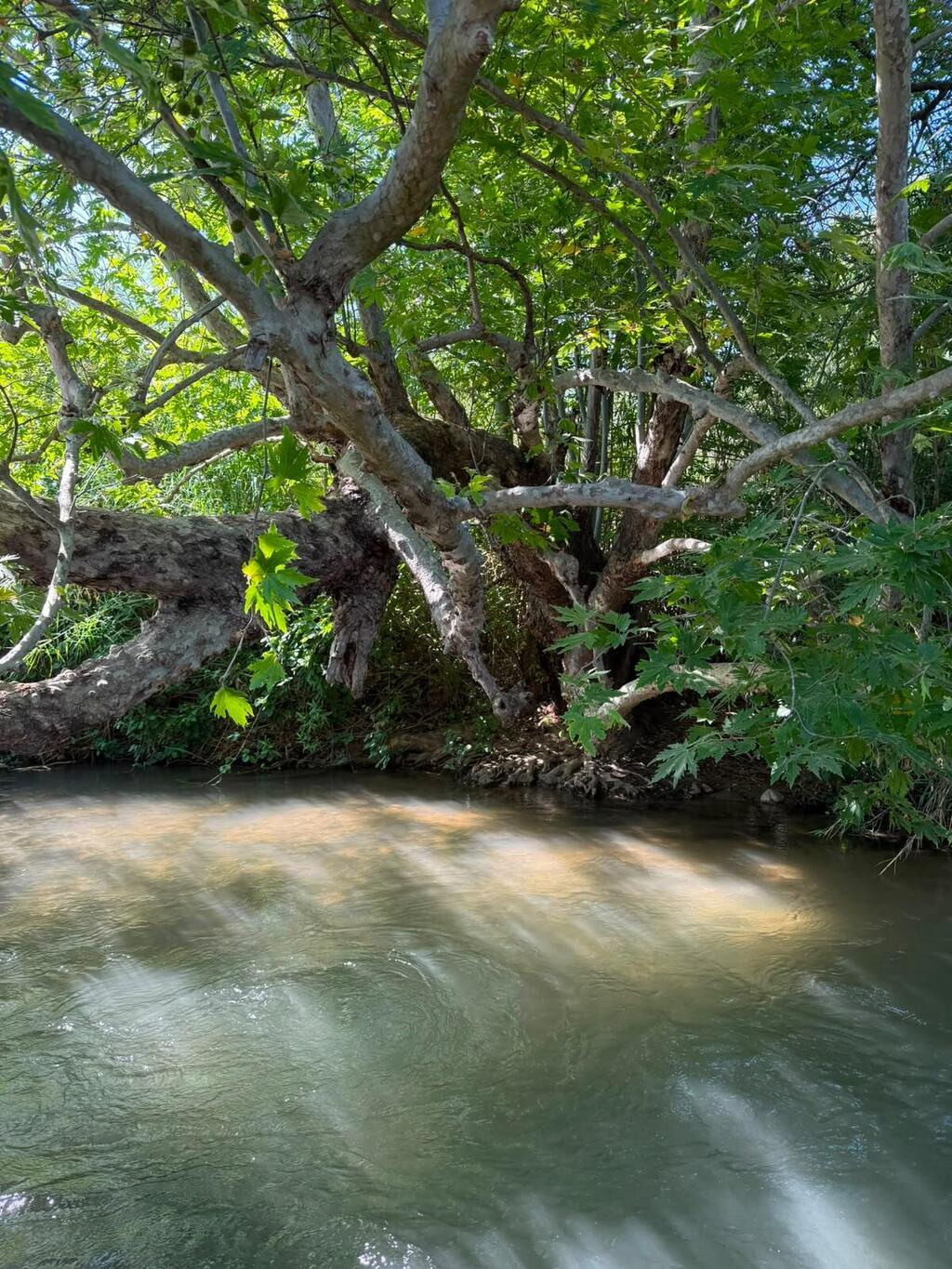
The Banias near Nabi Yehuda
(Photo: Ben Pershitz)
How to get there: Enter “Nabi Yehuda” in Waze. Immediately after turning toward the site, stop safely along the road and look between the trees for a sign marking the Banias. Turn left there and follow the short path toward the water.
“This particular spot is very easy to miss if you do not know it,” he explains. “If you reach the Nabi Yehuda site, you have already missed the turn toward the stream. You need to go back a little, find the sign among the trees and simply enter.”
The water remains extremely cold even at the height of summer. “The spot is shallow, with shaded areas around it,” he says. “During the week, it can be much calmer and emptier. Even in the heavy heat of July and August, it is enough simply to sit in the water.”
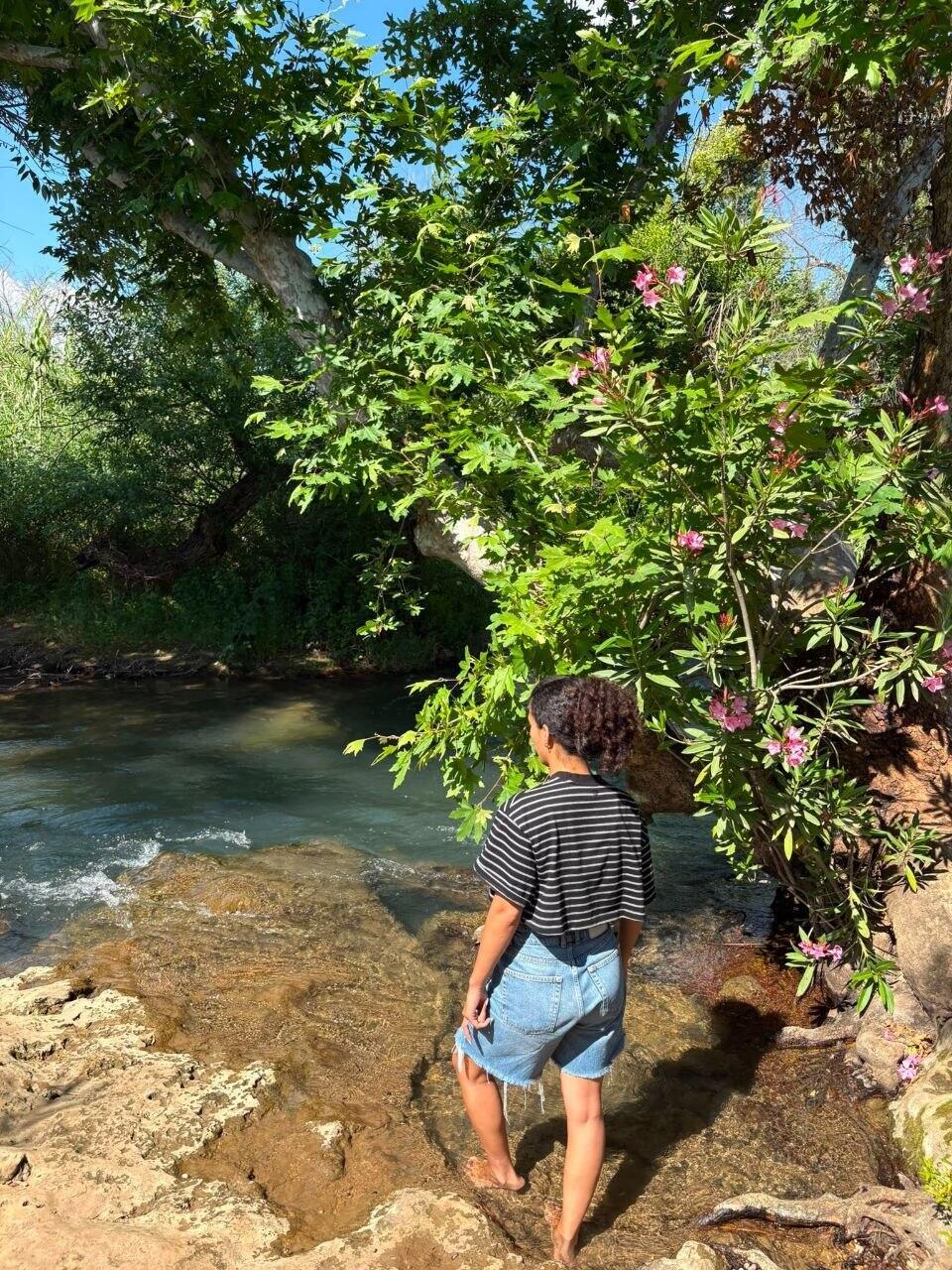
The spots along the Banias near Nabi Yehuda
(Photo: Ben Pershitz)
Less water, the same magic
Visitors returning north after a long period away have discovered weaker flow in some streams than they remember. Pershitz says the change is partly the result of several dry winters in the region.
“The flow in some places is not as strong as it once was,” he explains. “I would be happy to see the streams much fuller and more beautiful, but they have not lost their magic. In the end, you arrive, find your corner, enter the water and listen to it trickling.”
Lower water levels also require greater caution. A spot that was deep in the past may now be shallow, and rocks that were once submerged may be exposed. Visitors must not rely on memories from a previous trip and should check the depth again before jumping.
The small channels of the Dan Stream
The next stop is along one of the Dan Stream’s smaller channels. Instead of searching for the familiar main channel, Pershitz recommends driving along the dirt road near Dag Al HaDan and selecting one of several small spots hidden beside the water.
“What is beautiful about the Dan Stream is that it does not have only one channel,” he explains. “It has smaller branches, and along them you can find little corners that attract fewer people.”
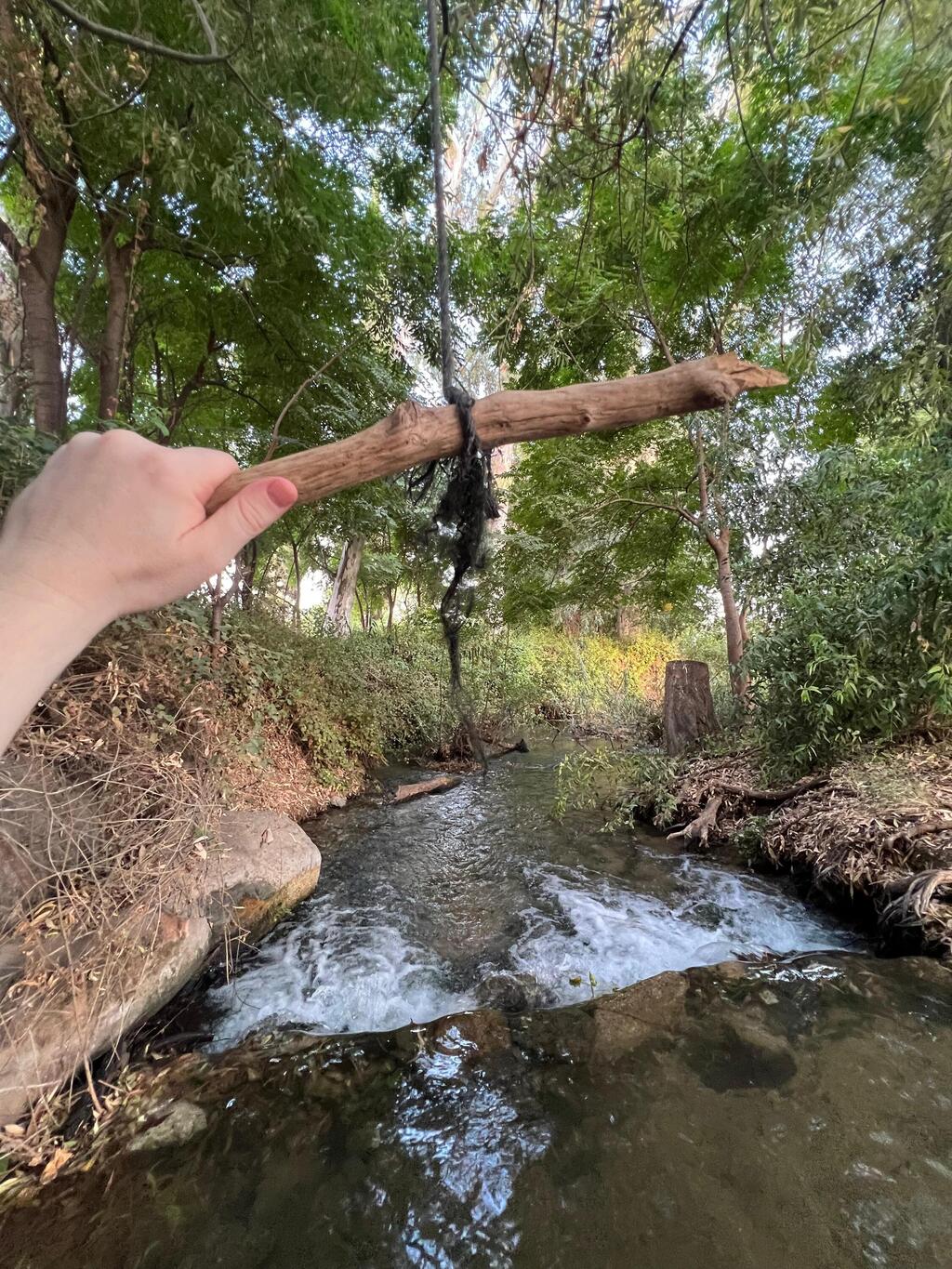
Rope swing over a channel of the Dan Stream
(Photo: Ben Pershitz)
How to get there: With the Dag Al HaDan building directly ahead, turn sharply right toward the east and continue carefully along the dirt road beside the fence. “There are about three or four spots along the road with signs marking the Dan Stream,” Pershitz says. “Choose one, park nearby and descend toward the water. One has a rope swing, while the others have small channels where you can splash around. The water is very cold, but beautiful and clean, and every spot is also suitable for a picnic.”
His recommendation is to arrive early in the morning or close to sunset, when the chances of finding an empty corner are greater. “There are only a few spots, so it is better to come during quieter hours and choose the one you like best,” he says. “You also have to remember to keep nature clean. There is not a garbage can everywhere, so bring a trash bag and take everything you brought with you.”
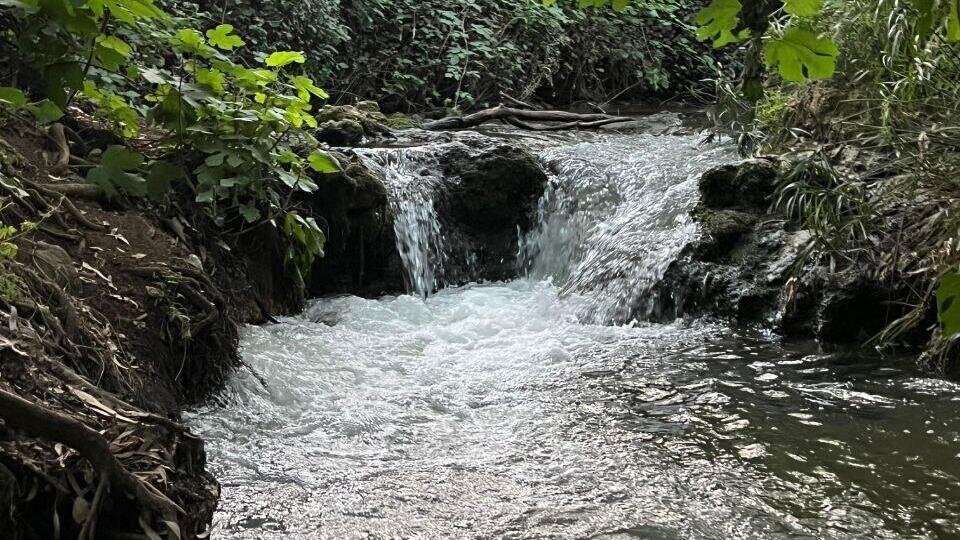
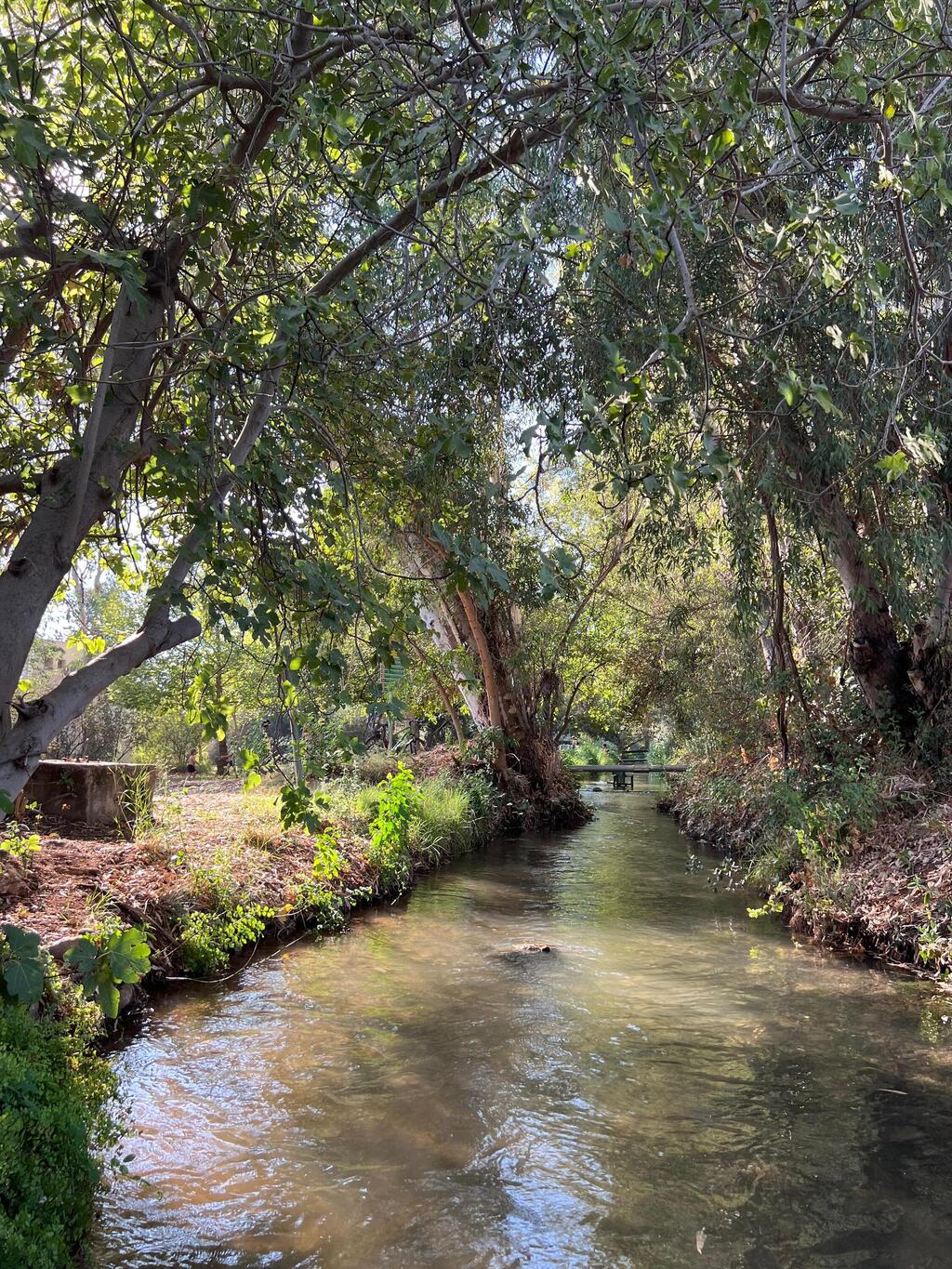
Dan Stream channel
(Photo: Ben Pershitz)
Never jump before checking
The rope swing suspended above one of the channels may look like an immediate invitation to jump, but Pershitz stresses that visitors must enter the water and check its depth first. “I am not especially talented with rope swings. I do it like a clumsy little boy,” he jokes. “I hold the rope tightly, check the depth and take into account the skills I have, or do not have. If the water is shallow, I simply do not do it.”
Previous visits are no guide. Water levels change and rocks may become exposed, so visitors should always enter the water and check the depth before jumping. Water sandals are also recommended, especially where the bottom is rocky.
Galil Mountain Winery: Wine, cheese and chairs in the stream
Pershitz suggests ending the freezing-water tour at Galileo Winery in Kibbutz Dan. Rather than sitting only beside the stream, visitors can move their chairs into the water, open a bottle of wine and remain with their feet submerged.
“Imagine a July afternoon with a glass of cold rosé while sitting or lying in the freezing water of the Dan Stream,” he says. “There is no better feeling.”
Galileo Winery
(Photo: Ben Pershitz)
Galileo is a small family winery producing about 6,000 bottles a year. It sits directly beside one of the Dan Stream’s channels. A small bridge leads to the hospitality area, where visitors can sit near the water or inside it.
“It is a sweet little winery run by a local family and, in my opinion, the northernmost winery in Israel,” Pershitz says. “What makes it special is that you can take one of the house wines into the stream. You can put the chairs in the water, open a bottle, order a cheese platter and simply enjoy.”