

Antarctica was the last continent left unconquered at the turn of the 20th century, a final frontier that promised national prestige, scientific glory and a place in history. Names like Roald Amundsen, Robert Falcon Scott and Ernest Shackleton became synonymous with daring, endurance and, in some cases, tragic failure.
More than a century later, reaching Antarctica has become far more accessible. Massive cruise ships ferry tourists from Ushuaia, Argentina, across the notorious Drake Passage. Visitors snap photos of penguin colonies, maybe glimpse a whale or two, and return home able to say they have been there.
The journey to Antarctica
(Video: Ido Lempert, Roi Gal)


That was not the journey I chose.
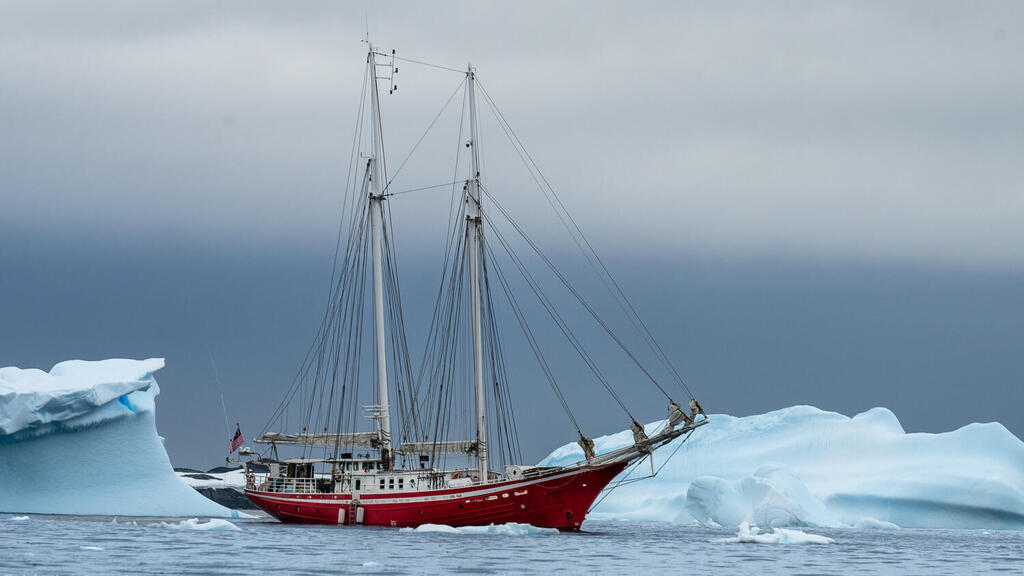
Two weeks ago, I boarded the Eldorado, a two-masted sailing vessel purpose-built in the Netherlands for polar expeditions. In the Antarctic summer it operates along the frozen continent. In winter, it sails north toward Greenland on a journey that takes nearly two and a half months.
(Photo: Ido Lempert)
The ship flies a Malaysian flag but is Russian-owned. A crew of five runs the vessel, from Vasily the cook to Lev, the 75-year-old captain and former Soviet Navy officer, who spends hours staring at the radar screen, muttering curses in Russian while chain-smoking an e-cigarette.
The expedition was organized by Israeli nature photographer Roy Glitz, whose career has been shaped by repeated journeys to both poles and international acclaim for his work.
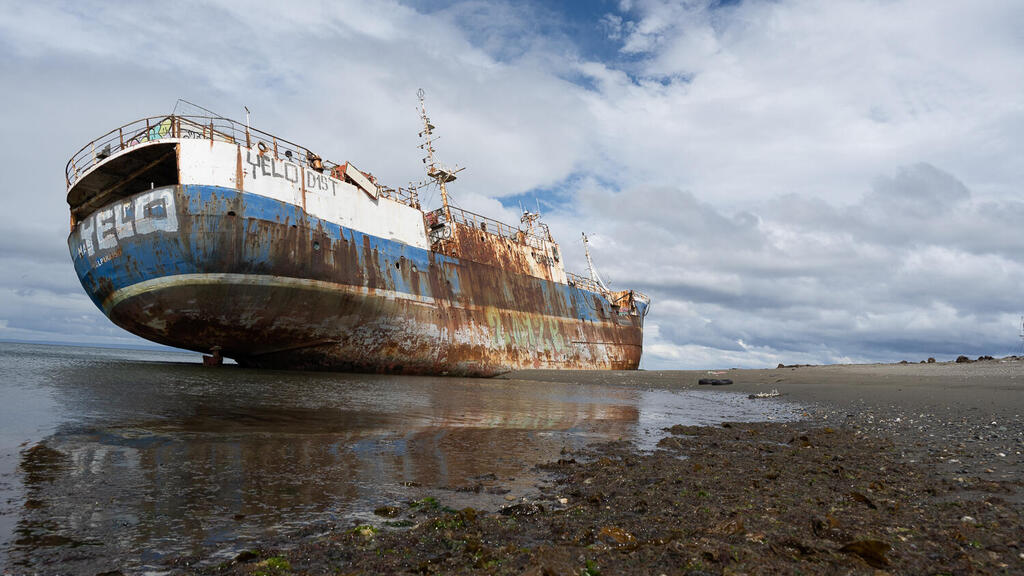
Our journey began in Punta Arenas, a windswept Chilean town known mainly for its cemetery and duty-free mall. It serves one purpose: a launch point to the southernmost reaches of the planet.
(Photo: Ido Lempert)
(Photo: Ido Lempert)
(Photo: Ido Lempert)
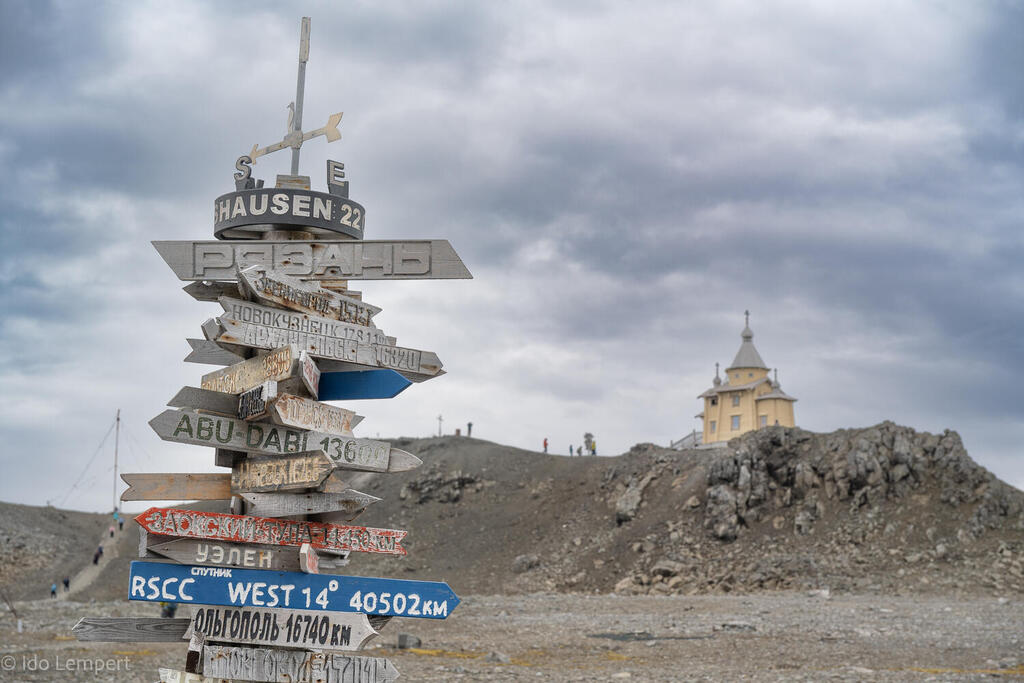
Instead of braving the Drake Passage by sea, we flew on the only airline operating to Antarctica, landing on a dirt runway beside Russian and Chilean research stations. Even the island’s name is disputed. Russians call it Waterloo Island; Chileans and much of the world know it as King George Island.
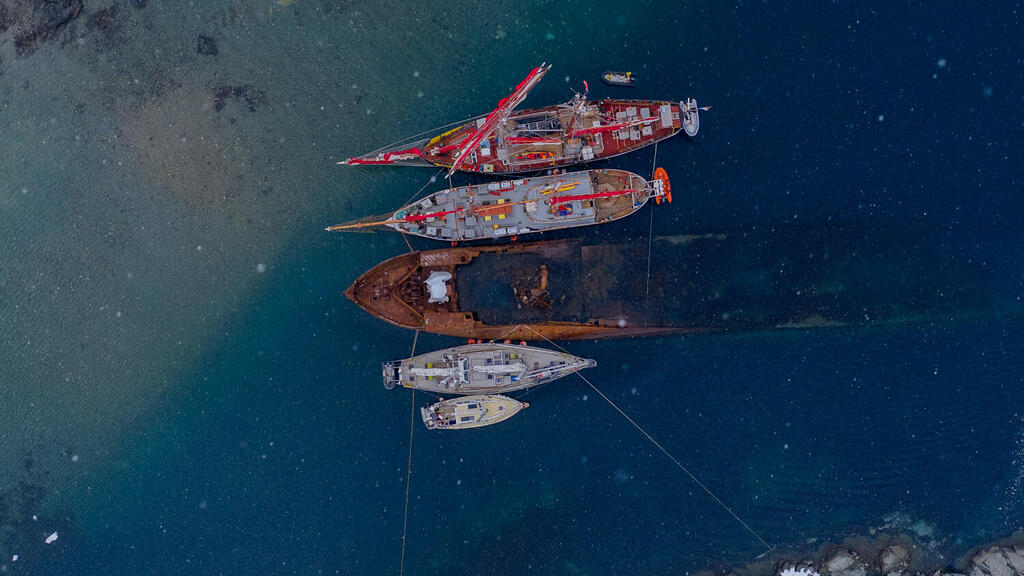
From there, the Eldorado waited at anchor, a classic red-hulled sailboat with masts rising nearly 100 feet. Any romantic illusions vanished the moment I opened the cabin door. The space was barely larger than a closet, with bunk beds shared with a Canadian crewmate. That was the price of reaching places inaccessible to large tourist ships.
(Photo: Ido Lempert)
(Photo: Ido Lempert)
(Photo: Ido Lempert)
The plan was to move from bay to bay, launching Zodiac boats for landings and glacier excursions as we pushed farther south.
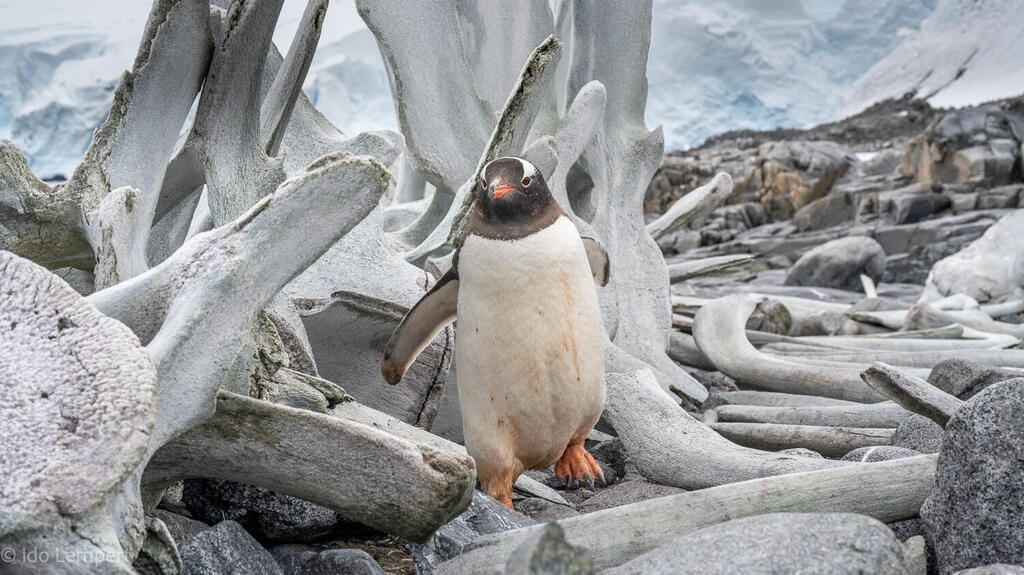
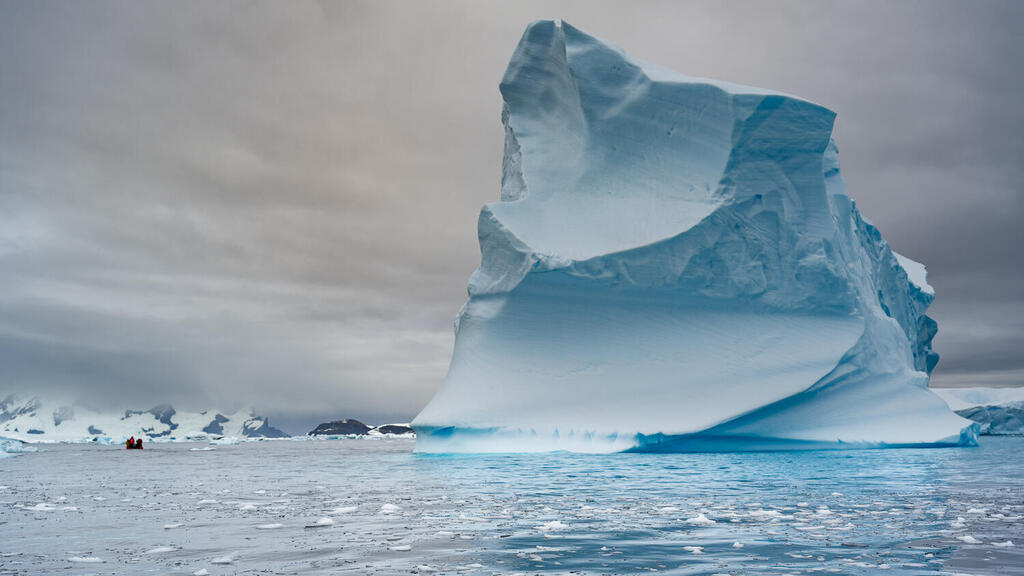
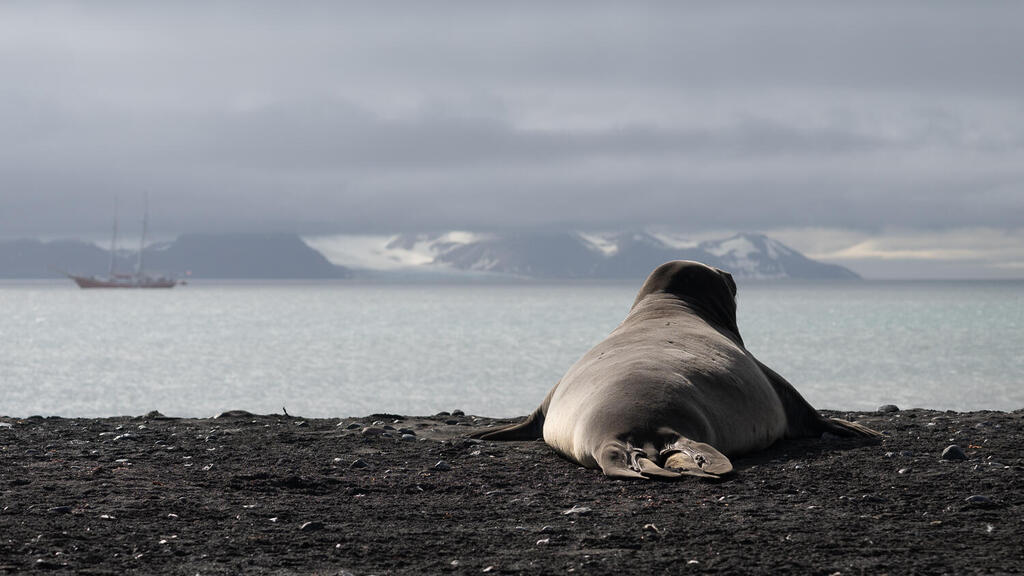
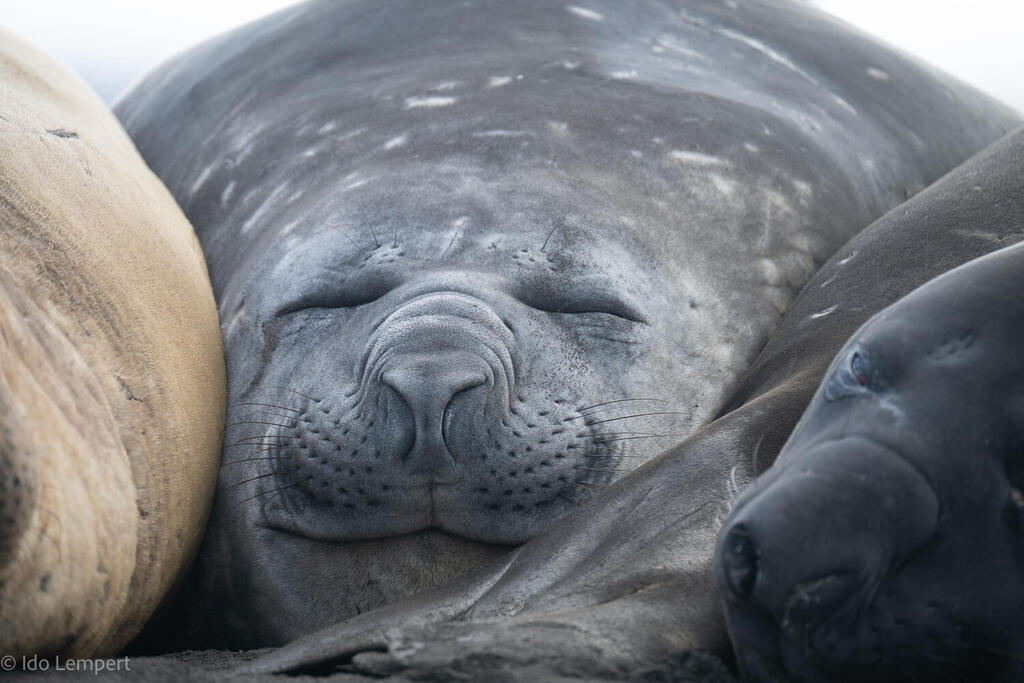
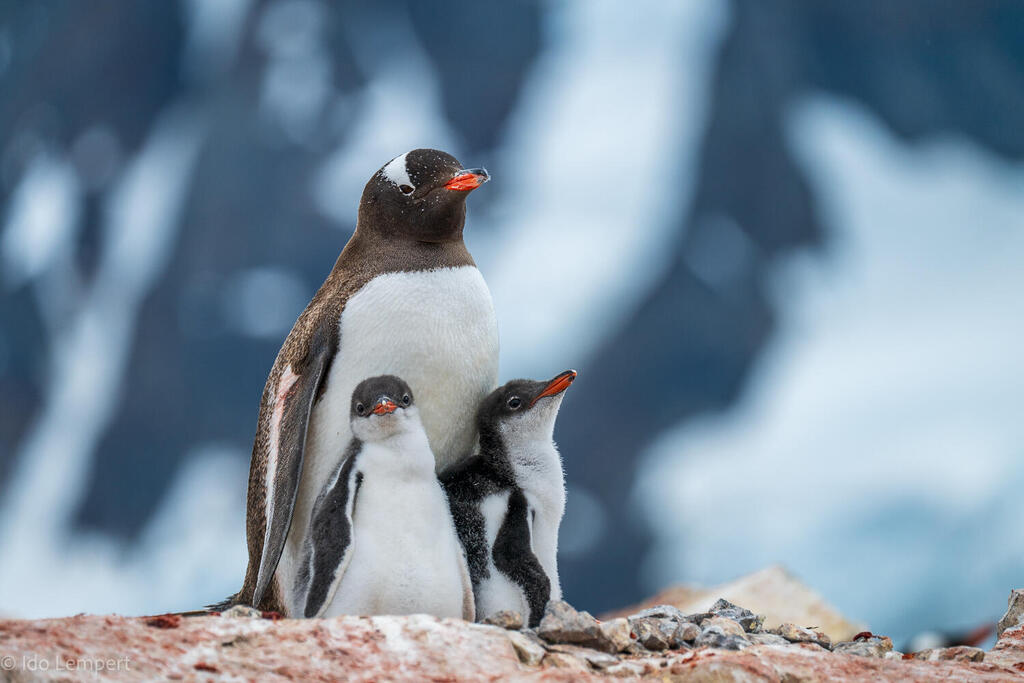
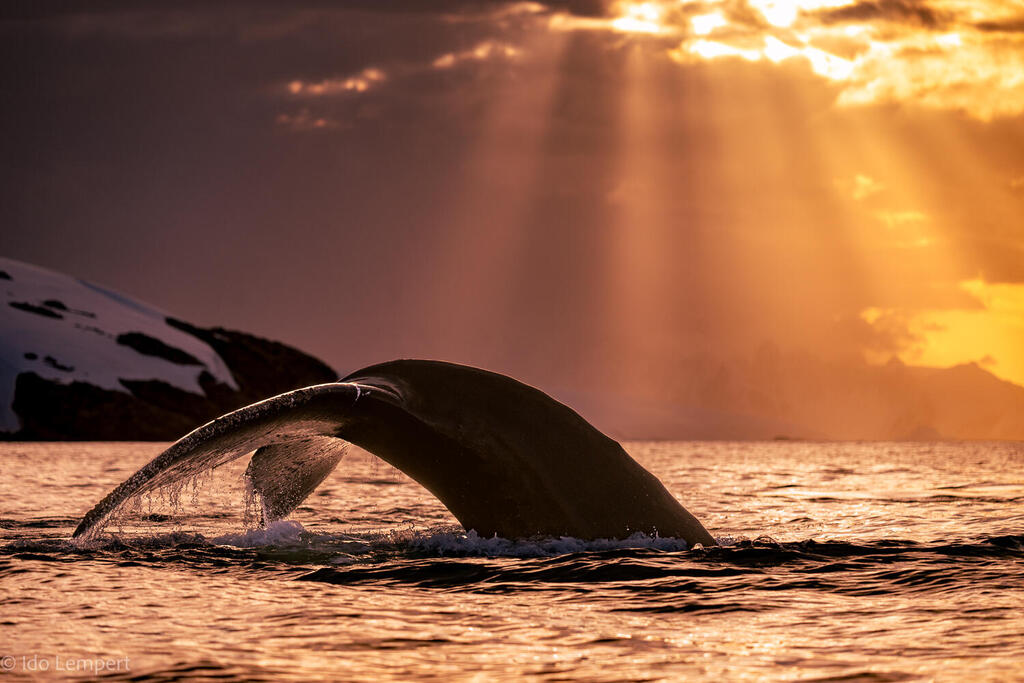
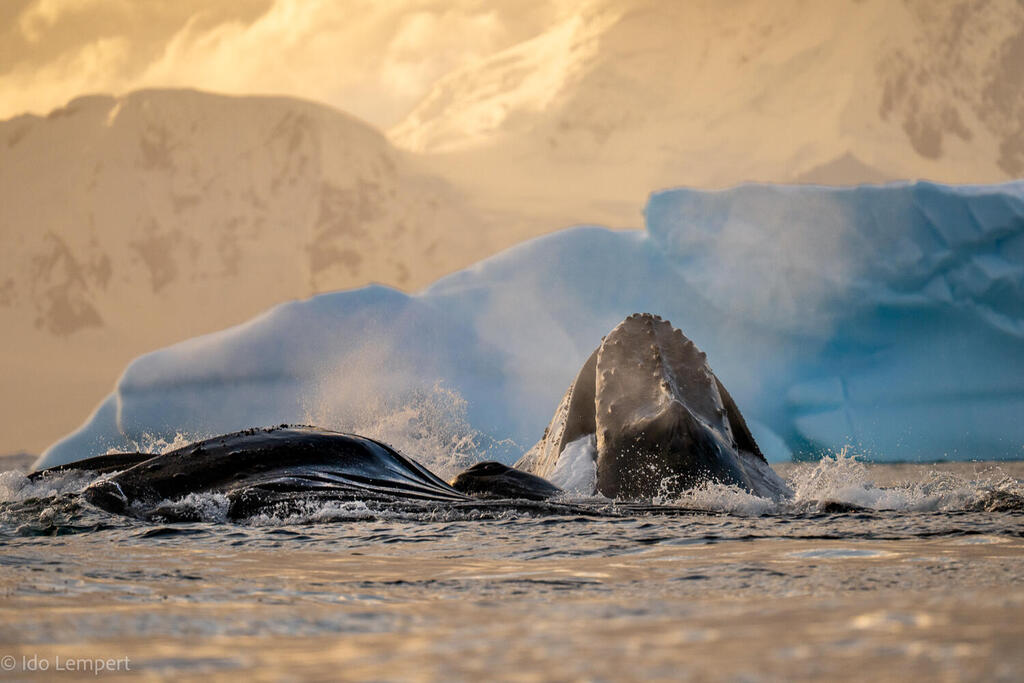
We encountered penguin colonies, whales hunting in coordinated pairs, leopard seals sprawled on floating ice and elephant seals weighing several tons. Antarctica revealed itself in staggering beauty: towering mountains, colossal icebergs and a silence broken only by wind and waves.
Then the weather turned.
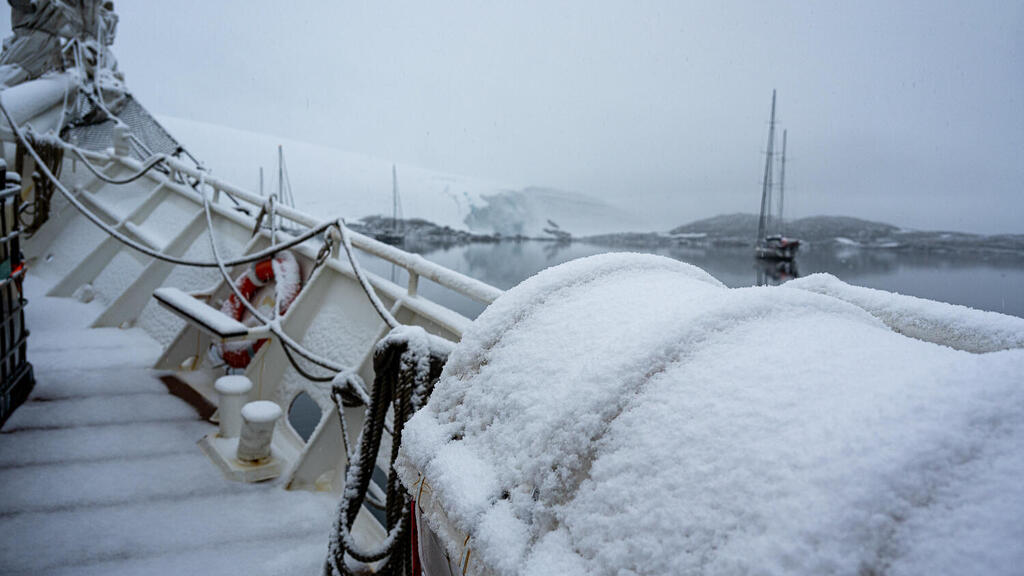
Four cyclonic storms lined up back to back, each bringing towering seas and winds exceeding 60 mph. Plans were abandoned. Decisions were dictated entirely by the elements. We searched for sheltered bays and waited for narrow windows to move.
At sea, three-meter waves slammed the bow, slowing us to a crawl. Unsecured gear went airborne. Cups shattered, laptops flew. This was the moment to retreat to the bunk and question one’s life choices.
(Photo: Ido Lempert)
(Photo: Ido Lempert)
(Photo: Ido Lempert)
(Photo: Ido Lempert)
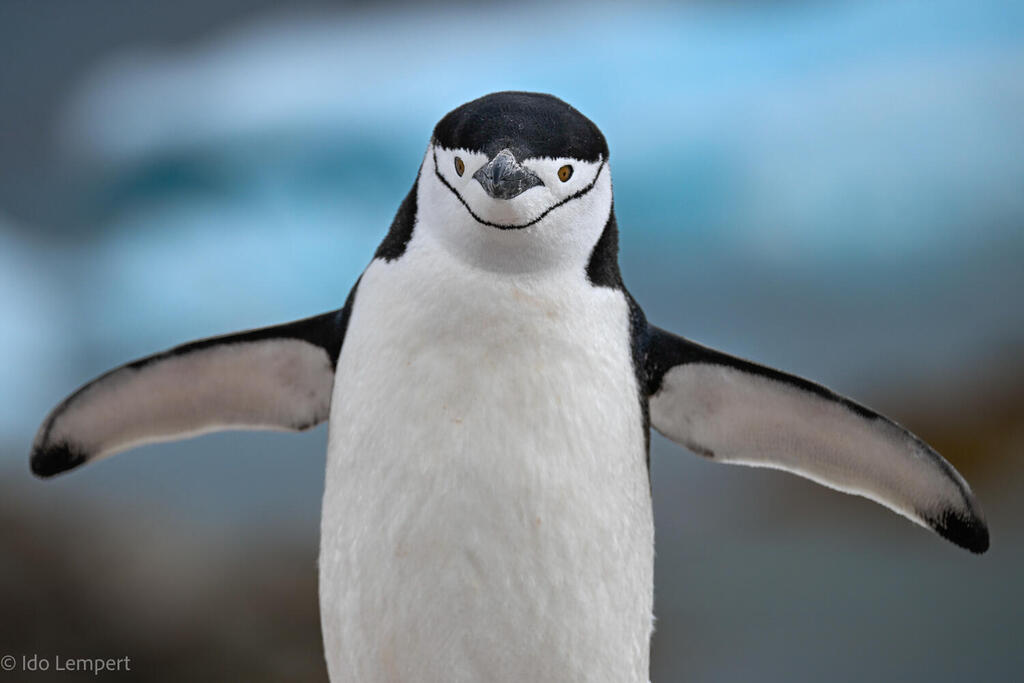
(Photo: Ido Lempert)
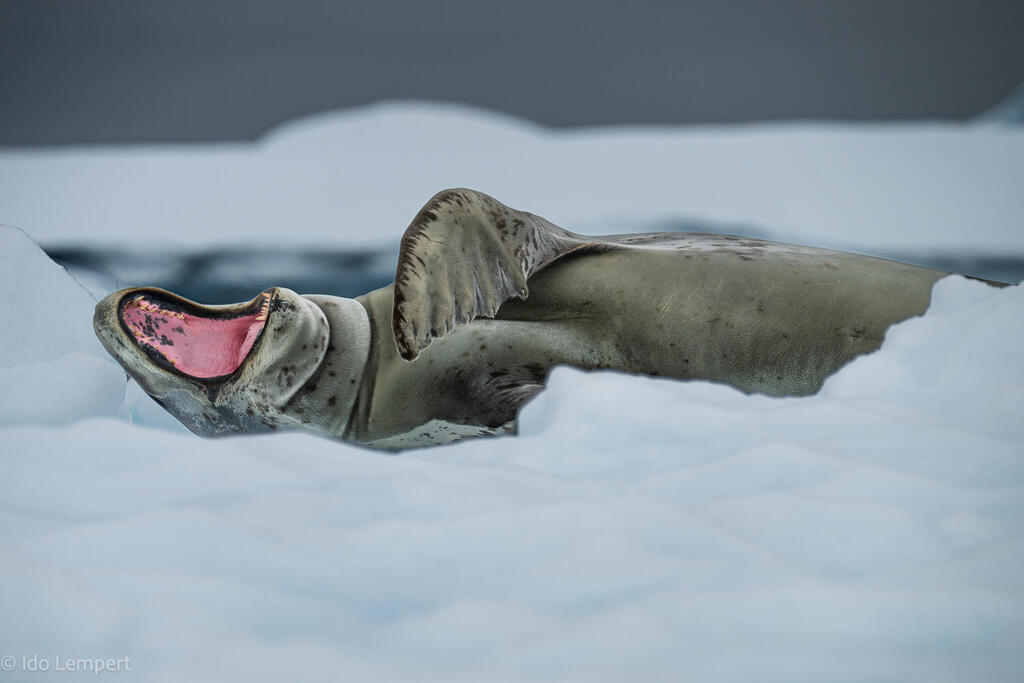
(Photo: Ido Lempert)
The next day, the storms briefly eased. Antarctica emerged in full force, immense and humbling. We were not exploring it, only skimming its edges.
Antarctica is the only continent that belongs to no one. Military activity is banned. Natural resource extraction is prohibited. Science is the sole permitted purpose. Yet suspicion runs deep. Americans accuse Chinese researchers of covert mining. Russians suspect the same of the Americans. In Antarctica, the line between scientist and soldier has long since blurred.
As these words are written, we are still waiting for clearance to reach the airstrip that will return us to civilization. The exit window opens and closes unpredictably. Uncertainty is part of the journey.
It is the one thread that connects us, momentary visitors of the 21st century, to the explorers who came here a century before us, armed with primitive navigation tools, relentless curiosity and an unyielding desire to experience the raw power of the frozen edge of the world.