

The company said the decision followed a sudden move by Jordanian authorities that prevented it from operating flights scheduled to depart from airports in the country to destinations worldwide.
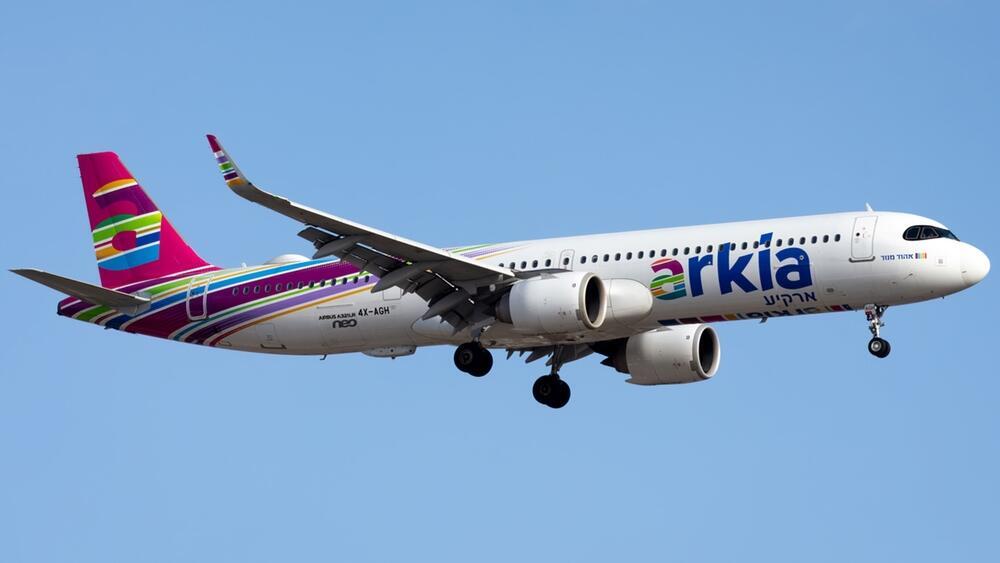
Some flights from Aqaba were immediately affected, particularly those planned to be operated using aircraft leased from European carriers. As a result, Arkia was forced to cancel some flights and reroute others through alternative hubs, including Larnaca and Taba, creating confusion among hundreds of passengers at the airport.
The airline said it is now working to assist thousands of affected passengers. Some have already been transferred to alternative flights via destinations such as Larnaca, while others have been redirected to Taba airport in Egypt for onward travel.
Several flights were canceled entirely, and passengers who arrived at Aqaba airport were asked to return to the border crossing or wait for further updates from company representatives.
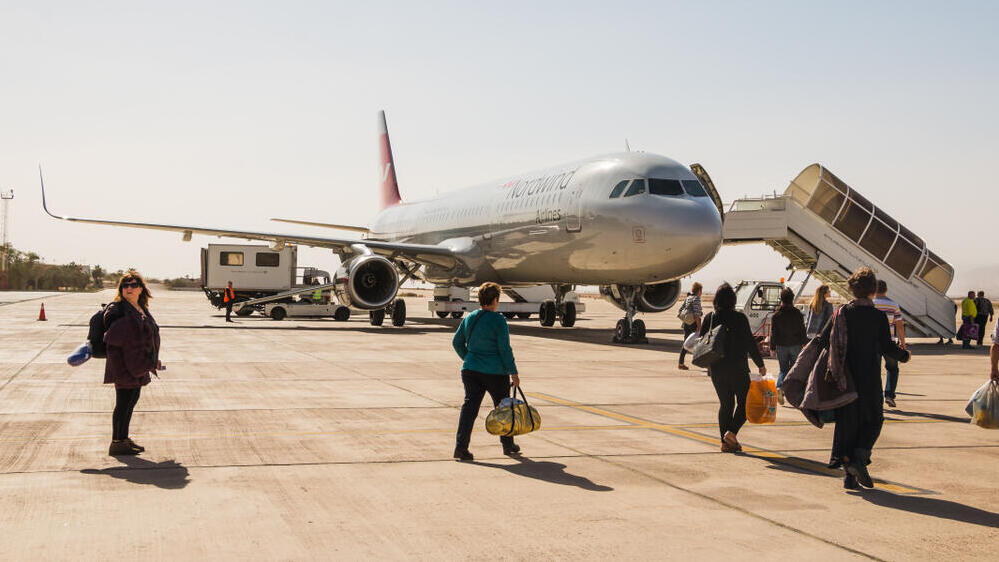
Aqaba airport, archive
(Photo: Keleny/ Shutterstock)
For example, passengers on a planned Aqaba-to-Bangkok flight were split into two groups and are expected to depart on separate flights via Larnaca. Passengers on Arkia flight FL1217 from Aqaba to Athens were transferred to Taba airport, from where the flight is expected to depart.
Arkia also said flight FL1728 from Aqaba to Budapest and flight FL1337 from Aqaba to Rome were canceled.
Two flights to Paris are still expected to operate as scheduled, including flight 3E1755 departing Monday from Aqaba and another flight on March 31, which will depart Aqaba for Athens before continuing to Paris.
The airline said the restrictions imposed by Jordanian authorities focus on the use of aircraft operated by European carriers. Due to a lack of real-time regulatory approvals, some flights scheduled from Aqaba were not authorized to operate.
Arkia stressed that the decisions were beyond its control and apologized to passengers for the disruption.