

A city in the middle of the ocean, home to 80,000 people, with schools, a hospital, a water park, an internal tram system and no permanent port. It sounds like science fiction, but that is the vision behind Freedom Ship, a decades-old project now making headlines again around the world.
The company behind the project says the vessel would stretch nearly 1.8 kilometers, making it far larger than any cruise ship currently at sea. It would carry about 50,000 permanent residents, 10,000 guests and visitors, and 20,000 crew members, effectively turning it into a floating city designed to circle the globe every few years.
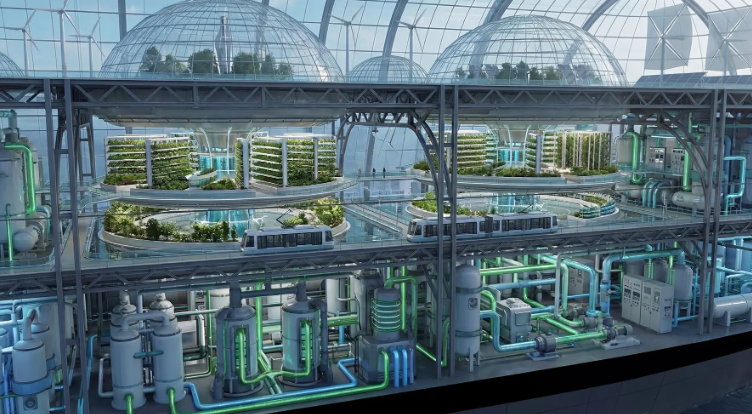
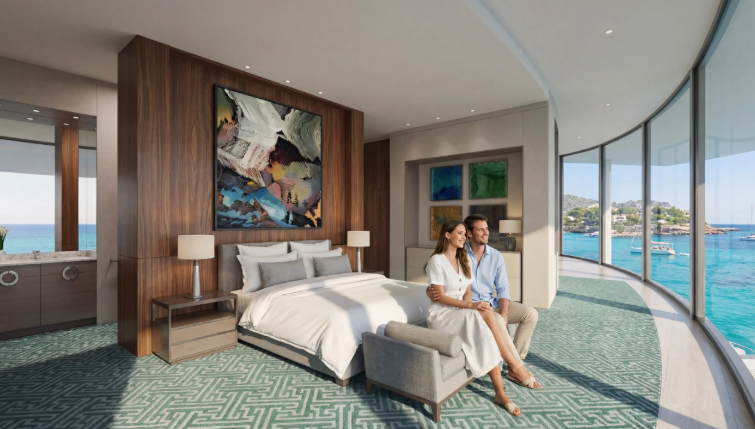
Unlike a conventional cruise ship, Freedom Ship is being marketed as a fully functioning urban environment. Plans include residential neighborhoods, schools, shopping centers, restaurants, parks, sports facilities, cultural venues and public transportation to move residents and visitors across the massive vessel.
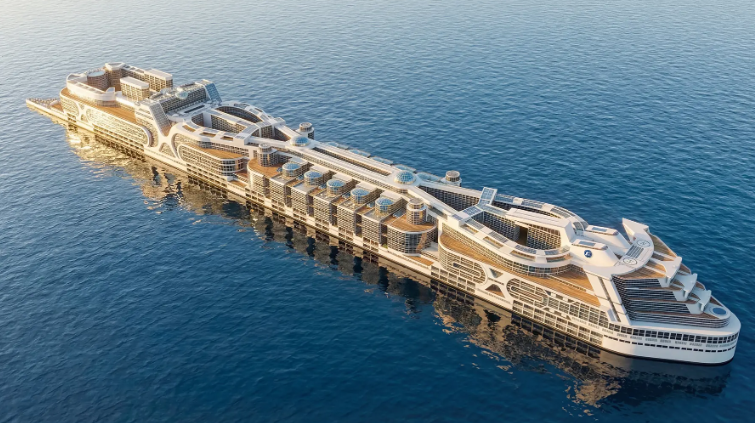
The project would also include an advanced hospital, hotels, a water park, a sports stadium, museums, performance halls and large green spaces. Because of its enormous size, the ship would not be able to dock at ordinary ports. Instead, it would remain mostly in international waters, with passengers and visitors ferried to and from shore by smaller vessels.
But behind the renewed headlines and futuristic renderings is a much older story. Freedom Ship was first proposed in the 1990s by American engineer Norman Nixon, and has resurfaced several times since without construction ever beginning.
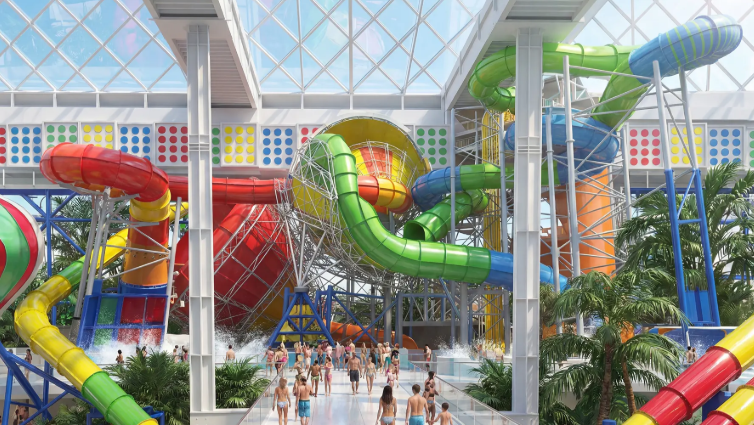
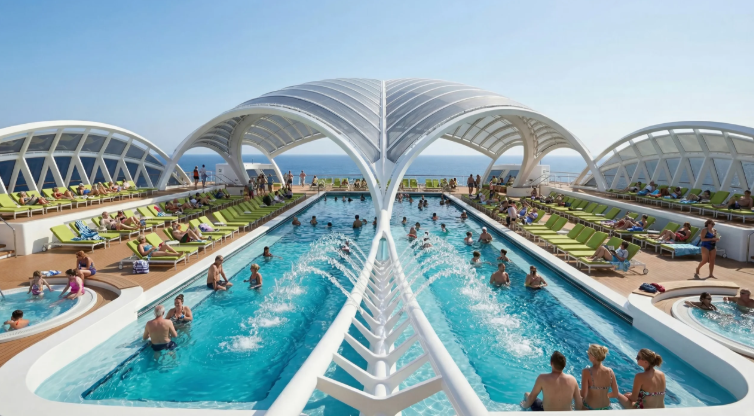
How the water park will look like
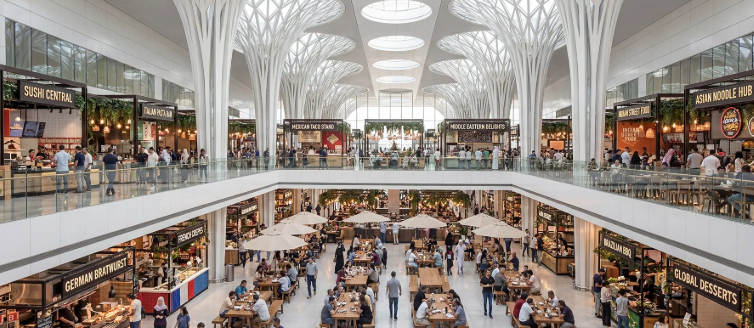
A mall inside the ship
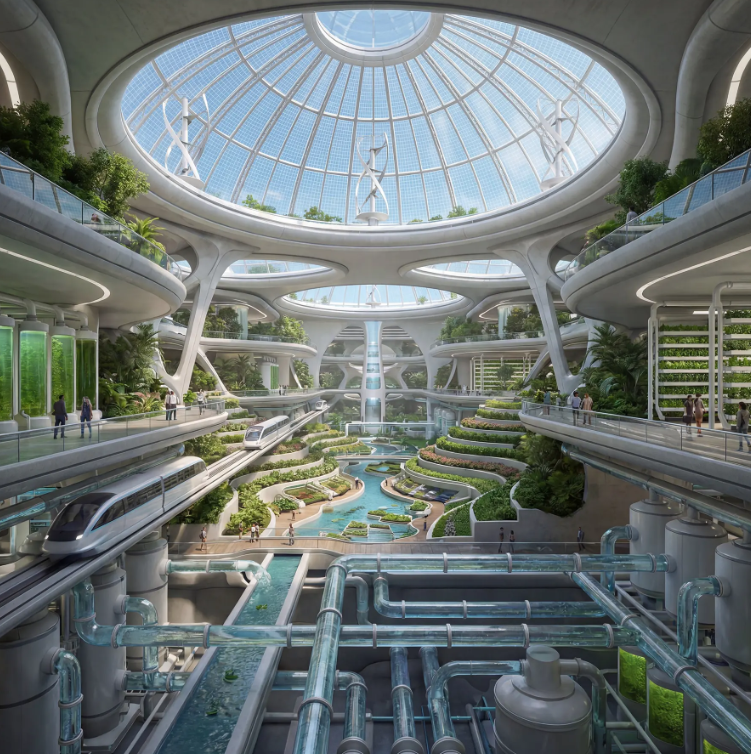
Futuristic atmosphere
The central obstacle remains funding. The project’s cost has been estimated at about £12 billion, and company officials acknowledge that the capital needed to build the ship has not yet been secured.
Roger Gooch, the company’s CEO, told The Telegraph that a 12-member management team has recently been assembled, including a project manager, designer and naval architect. He said the company believes the project is now more viable than before, but added that financing remains the key challenge.
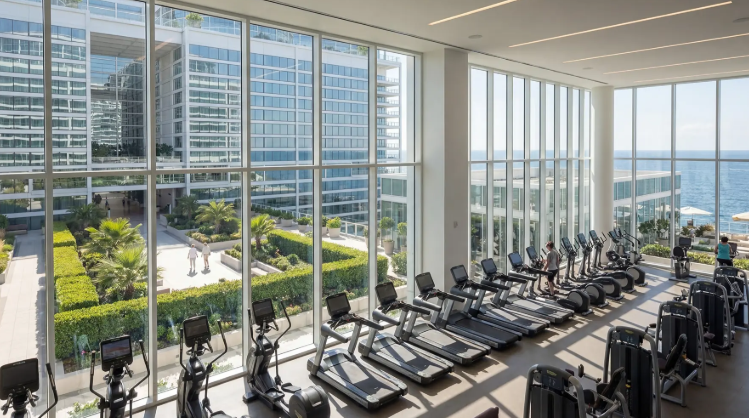
A gym on the ship
If funding is secured, Gooch said construction could be completed within three to four years. He added that the vessel would travel continuously around the world and would never have a home port.
For now, Freedom Ship remains a vision rather than a vessel. Nearly three decades after it first appeared on paper, the project is again being promoted as a floating city that could redefine life at sea. Whether it finally moves from renderings to reality remains an open question.