

Israel’s incoming tourism crisis is deepening, as two major Jewish summer events that were expected to bring tens of thousands of visitors to the country are being hit by large-scale cancellations.
The Maccabiah Games and Taglit-Birthright Israel youth delegations were supposed to provide a rare bright spot for an industry battered by war, reduced flights and a collapse in foreign tourism. Instead, both are now expected to bring far fewer visitors than planned.
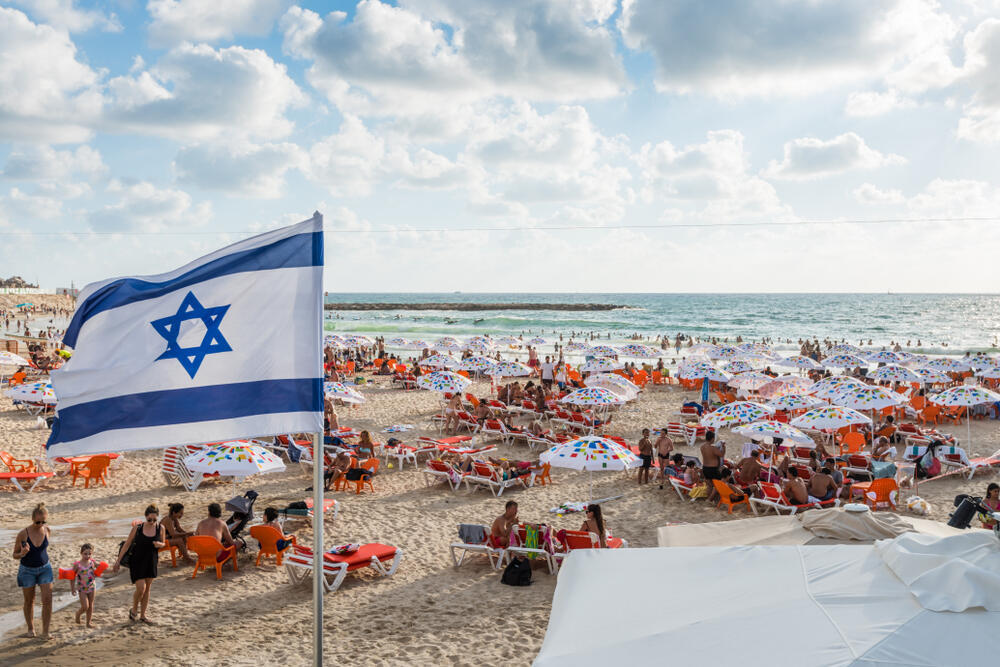
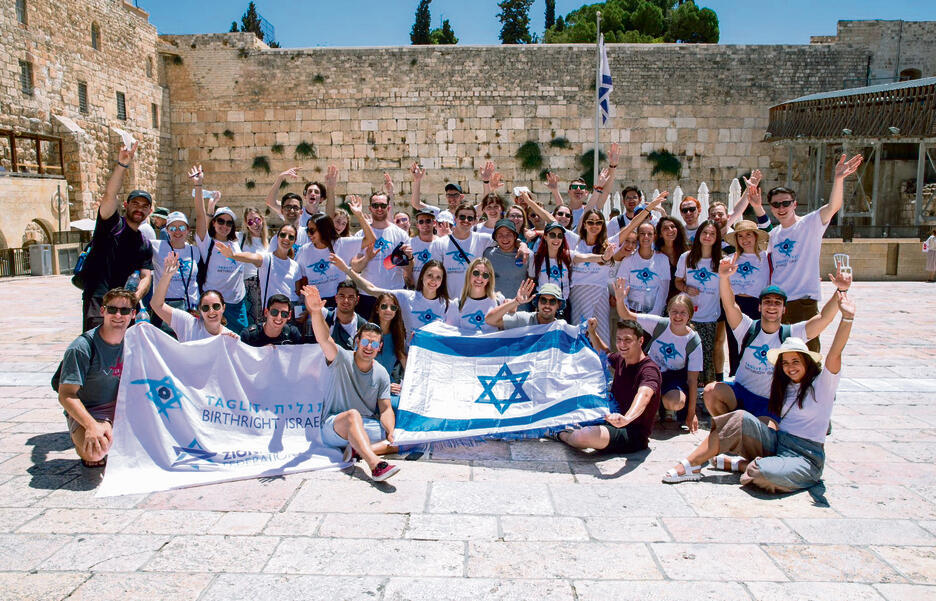
Taglit-Birthright had expected about 20,000 young participants to arrive in Israel this summer, but after a wave of cancellations, the number is now expected to be significantly lower. The organization still hopes to bring about 10,000 visitors.
The Maccabiah, the flagship event of Jewish sports held every four years, was expected to draw about 10,000 athletes and family members. In practice, about 3,000 athletes are expected to arrive, with the number of accompanying relatives also likely to fall accordingly.
With few foreign tourists currently coming to the country because of limited flights and concerns over war, fueled by U.S. President Donald Trump’s repeated declarations that he may strike Iran, Jewish summer tourism has become critical for the industry: hotels, travel agencies and tour companies that are nearly collapsing under the absence of international visitors.
Ynet has learned that many parents abroad who had already registered their children for Taglit-Birthright summer delegations have canceled their participation. “We fear that our child will get stuck in Israel during a war. We are not the only ones who canceled, his entire grade canceled,” one couple said in a phone call from the United States.
‘Parents and grandparents are the ones canceling’
Gidi Mark, CEO of Taglit-Birthright Israel, told ynet that the organization is seeing many cancellations because of fears of war and the security situation. “This summer, 20,000 young people were supposed to come to Israel with Taglit-Birthright delegations. There are currently 1,200 young people from abroad in the country,” he said. “Unfortunately, there is no connection between the number of people registered and how many will actually arrive in Israel. We still expect 10,000 visitors.”
Mark stressed that Taglit-Birthright has not canceled any delegation on its own initiative. “We have not canceled a single delegation; the parents and grandmothers are the ones canceling, although it is understandable that people are afraid to send their children to Israel in the current situation,” he said. “There are also airline cancellations. We are essentially the only group tourism in the country.”
Taglit-Birthright delegations usually arrive for 10-day trips, traveling north to the Golan Heights, visiting Safed and heading south to Masada. Due to the current situation, the organization is now limiting travel to the north.
“Israel is completely cut off from the world,” Mark said. Still, he added that since October 7, more than 50,000 participants have come to Israel through various Taglit-Birthright programs, not only youth trips.
(Photo: Courtesy of Taglit-Birthright)
The Maccabiah is facing similar constraints. Roy Hessing, CEO of the Maccabiah and the Maccabi World Union, said about 3,000 athletes from abroad are expected this year. “Registration is still open if travel warnings change,” he said. “There are countries such as Australia, Canada and the UK that have issued official travel warnings for Israel as a war zone, and those countries prohibit sending delegations to events in Israel.”
Hessing said he was encouraged that the youth Maccabiah had become the largest part of the group that is still expected to arrive. Organizers also hope several thousand accompanying visitors will come.
“These are not the numbers we are used to, but this is also not the period we are used to,” he said. “The decision to hold the Maccabiah is a victory and an embrace for those who are coming. It is going to be the largest international event in Israel since October 7. The Maccabiah is an economic engine that many in the tourism industry were waiting for.”