

One of the greatest nightmares for any parent begins with that precise moment when you realize your child is missing. It is the kind of fear that starts in the playground when they are still toddlers and, in truth, never really goes away.
That paralyzing fear — which, of course, usually fades within seconds — is universal. But there is another fear that may be especially familiar to Israeli parents: simply hoping their children return safely from the traditional post-army backpacking trip.
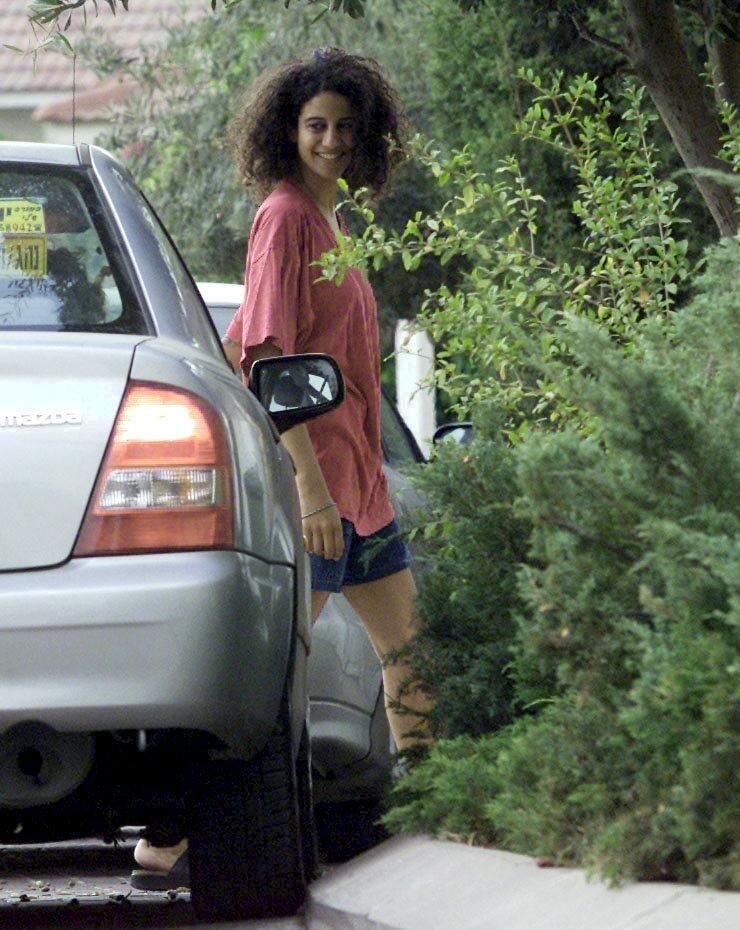
Today, thanks to rapidly advancing technology, it is easier than ever for parents to stay in hourly or daily contact with the travelers they raised at home, even from tens of thousands of kilometers away.
But Ifat Madar got lost 25 years ago, when the only thing that could save her was still called resourcefulness. Sometime in mid-January 2001, 21-year-old Madar of Rosh HaAyin decided she was going to Africa. Then, much as today, the main destinations for young Israelis after military service were South America or Southeast Asia. But the former infantry instructor decided not to follow the crowd.
Over the months she spent on the continent, Madar traveled through Ethiopia and Malawi. By July 19, she was in Zimbabwe, specifically Chimanimani, one of Africa’s largest and most spectacular nature reserves.
During her stay in the vast reserve, she planned to hike to the summit of a well-known mountain in the heart of the area. It was not supposed to be especially challenging — just a few hours there and back, followed by a return to her hostel.
She reached the mountain as planned. From there, everything went wrong. Perhaps she stayed too long at the summit, perhaps it was simply a lapse in attention, but as she descended, darkness began to close in and Madar lost her way.
With no other choice, and displaying remarkable composure, she decided to spend the night outdoors. She felt her way toward a large rock and curled up at its base until morning.
When the sun rose, Madar was determined to find her route again. In hindsight, however, it turned out she was continuing in the opposite direction. In fact, she was walking toward the border and neighboring Mozambique.
It is important to note that Madar was completely unprepared in terms of supplies for her new situation. For the short hike, she had packed one clementine, a little chocolate and enough water for what was meant to be a brief outing. All of it ran out quickly.
Fortunately, she had packed warm clothing, including a coat, which would prove crucial to keeping her alive. Over the following days, rain fell almost nonstop and nighttime temperatures dropped to around freezing.
About two days after she set out, other travelers staying at the hostel noticed that Madar had not returned.
Local police were notified, followed by Israel’s Foreign Ministry. Before long, the alarming news reached her family home in Rosh HaAyin.
Her stunned father was the first to pull himself together. He immediately organized a private search party that included his brother and another friend, and they set out for Zimbabwe after printing posters and leaflets bearing Ifat’s photograph to distribute once they arrived.
There, they joined a search operation organized by local authorities, involving helicopters, military forces and large numbers of local residents who volunteered to help. But slowly, and with agonizing inevitability, the days passed with no sign of Ifat.
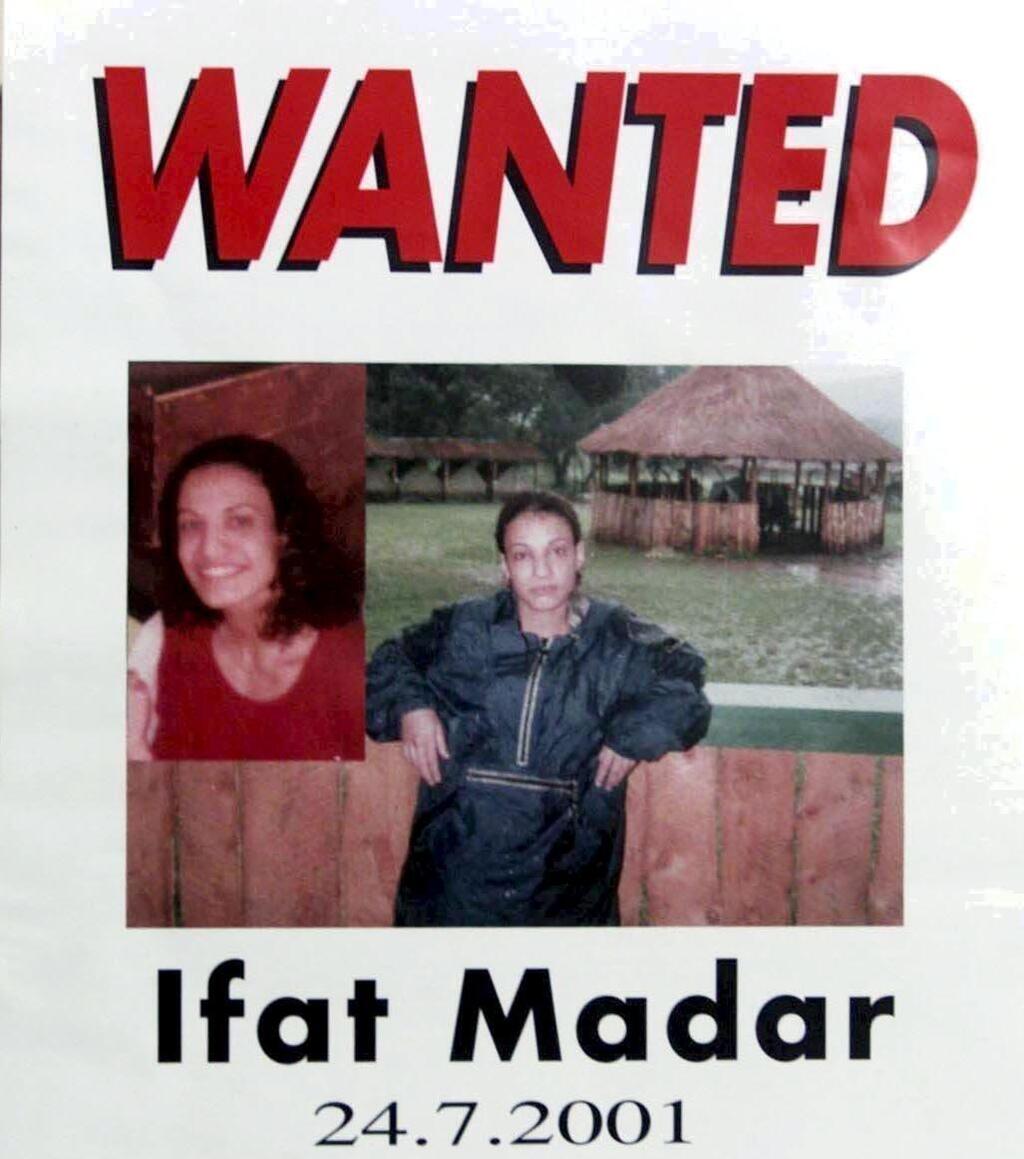
The notice published while Ifat Madar was missing
Madar, meanwhile, somehow managed to stay alive. The water she had packed was long gone and she was forced to rely on whatever nature provided. But she did not dare forage for food, fearing poisoning, so she ate almost nothing.
After 11 long and grueling days, most of them in harsh weather, Madar found herself on a dirt road that appeared partly paved.
Then, suddenly, several local residents appeared in front of her. They immediately understood who she was and alerted reserve rangers, who recognized her as the missing traveler everyone had been searching for nearly two weeks.
It was only then that Madar learned she had walked roughly 200 kilometers over the previous 11 days and that she was now in Mozambique, no longer in Zimbabwe.
From there, it was only a short time before she was reunited with her father, who by that stage had found it increasingly difficult to imagine the story ending well given the conditions.
Madar was weak and exhausted, but apart from a few scratches, she was safe and in good health.
She later said she realized people were searching for her when she saw helicopters in the sky and even tried to signal them, but could not make herself visible through the dense vegetation.
She said she slept beneath trees or in rocky crevices at night to shelter from the rain and encountered large numbers of monkeys, as well as one enormous snake.
All the while, she prayed she would avoid coming face to face with one of the leopards for which the Chimanimani reserve is known.
Later, during a celebratory meal organized for them by embassy staff, the ambassador mentioned that he was due to travel soon on a work visit to Namibia.
Madar still managed to declare that she, too, “really wants to go to Namibia.” Her father, Amnon, immediately ruled it out. “Absolutely not. We’re going straight home.” Can anyone really blame him?