

Deadly floods, moldy hotel rooms, sleepless bus rides, and even vomiting monks — the first big trip to India for Dana Elazar, a 30-year-old actress and theater teacher, was far from the polished dream most travelers share on Instagram. What began as a “late post-army trip” quickly turned into a funny, raw, and touching journey of self-discovery, freedom, and peace with solitude — all documented for her nearly 12,000 followers.
“I’m thirty, and I never did the post-army trip, so I decided to go now,” Elazar told Ynet. “One Israeli guy in India asked me if it was a ‘post-firing trip,’ and actually there are many like that. But I had never been to India, and it felt like something I had to do at least once in my life.”
'Misery is life'
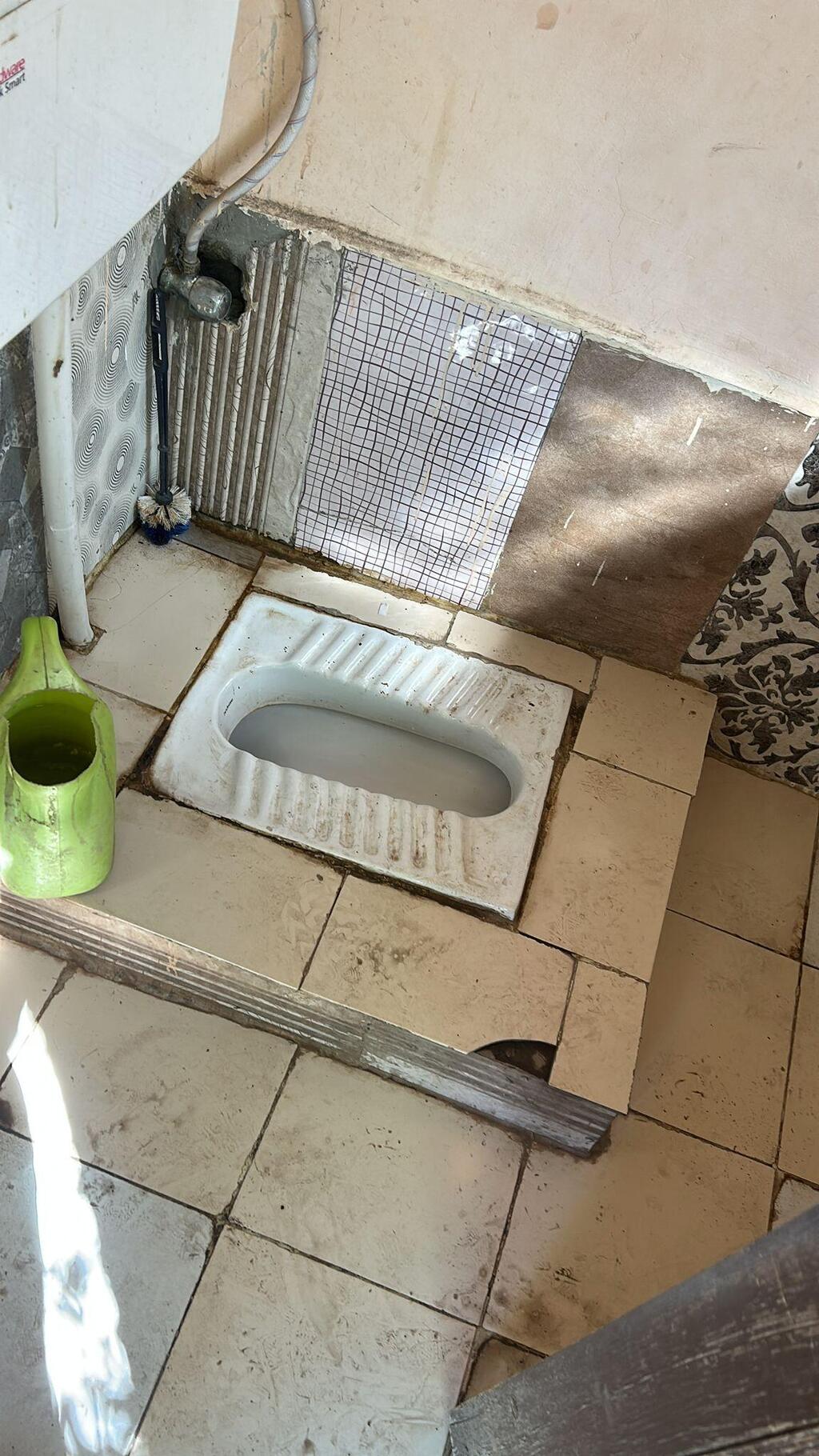
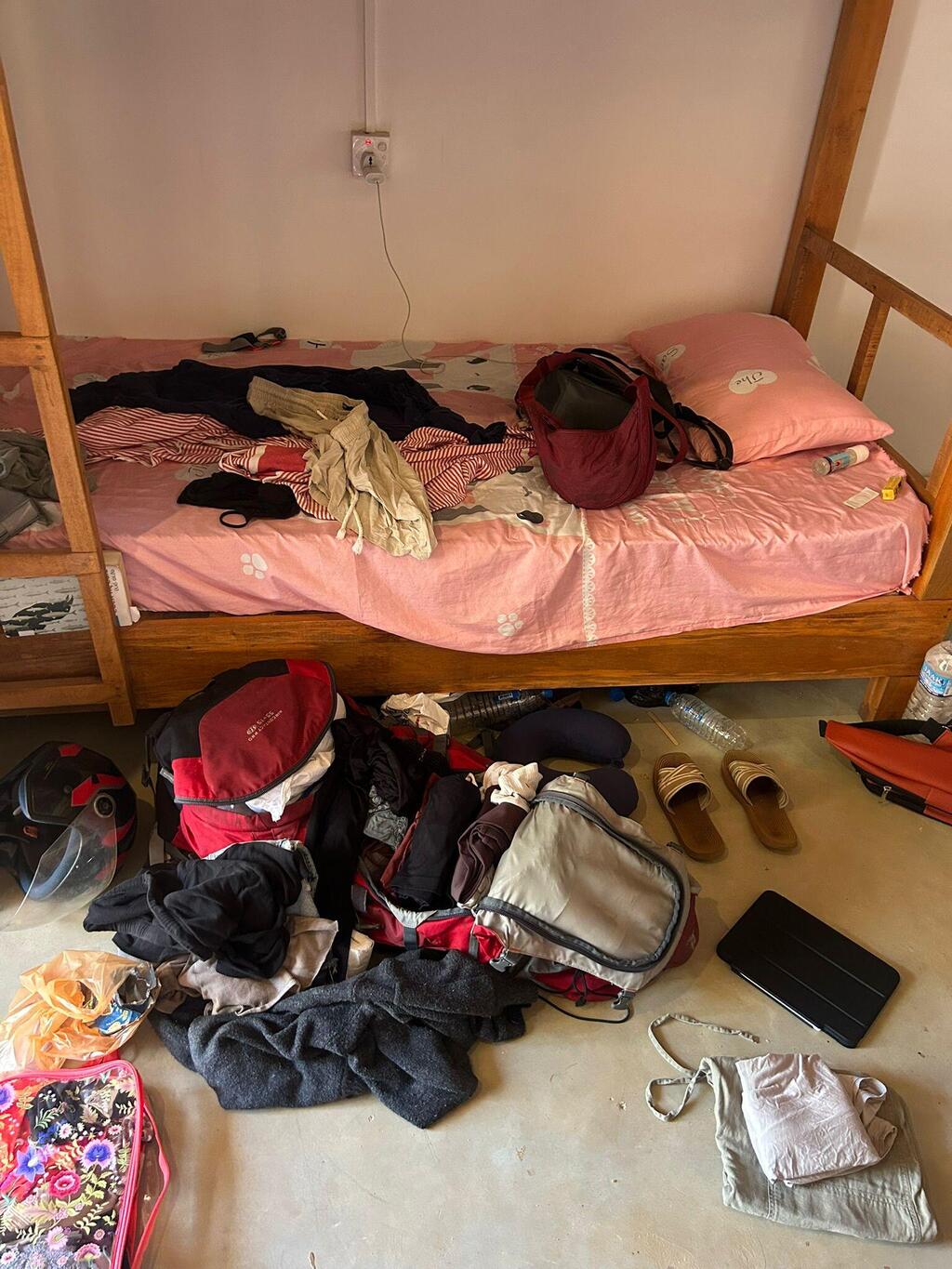
During her travels, Elazar began uploading short, unfiltered videos — scenes of damp walls, broken showers, and chaotic buses — that she labeled with one Hebrew word: “olev” — misery. “At first, I also wanted to join the Instagram celebration, like everyone else,” she says. “But it all felt embarrassing and fake. So I found a back door. Instagram is built to make life look shiny, but when you open it you just end up hating your own life more. It’s all a lie. My perspective is to celebrate the mess instead of hiding it — to say, this is life.”
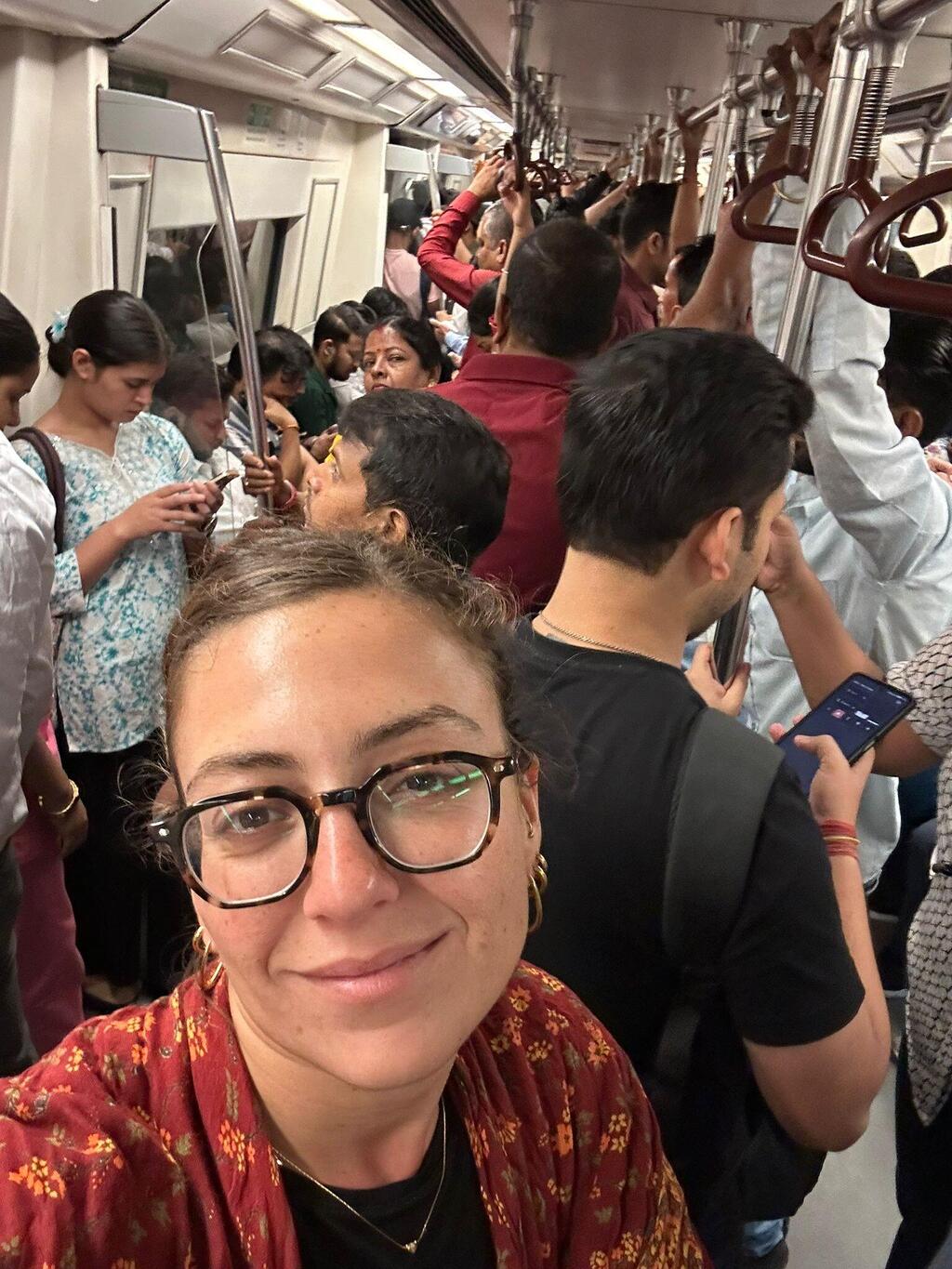
One of her most memorable moments came on an overnight bus ride from Dharamsala to Delhi. “Everyone else would post landscapes. I posted the overcrowded bus and the guy next to me throwing up into a plastic bag — and I didn’t even wake up,” she laughs.
(Photo: Dana Elazar)
How could you not wake up?
“I have no idea! We were on a local bus for 11 hours. When we arrived in Delhi, 50 taxi drivers swarmed us yelling, ‘Taxi! Taxi!’ The first room we found was disgusting, so we went looking for another one with all our bags. India has no shortage of misery, but that day was peak olev 200%.”
'Solo travel is fertile ground for discomfort'
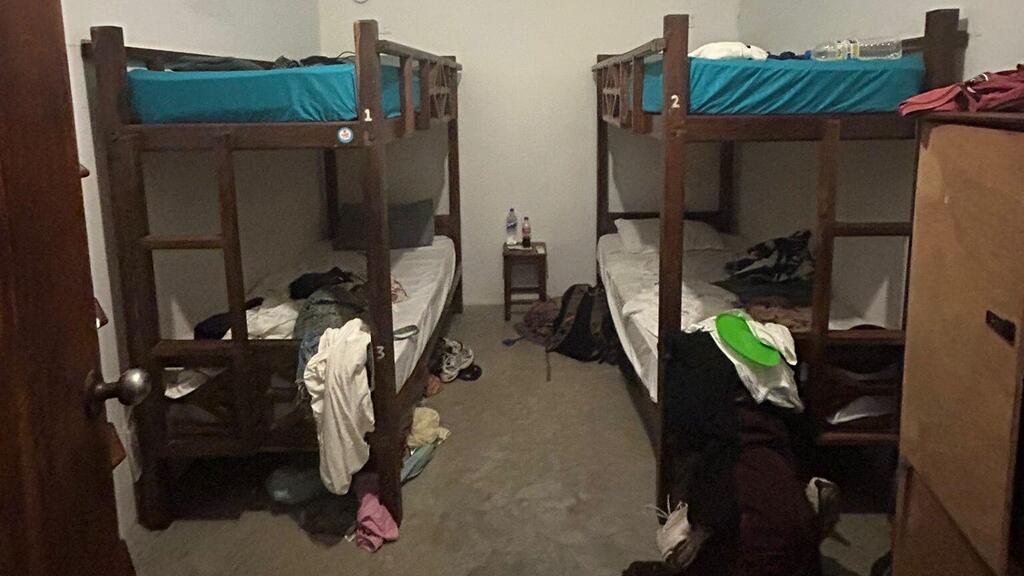
The journey actually began in Sri Lanka, where Elazar got her first taste of what traveling solo really means. “I landed after a long overnight flight and took an eight-hour taxi ride alone with a local driver,” she says. “Traveling solo is much more expensive, so I stayed mostly in hostels — dorm rooms full of strangers. It’s fertile ground for discomfort. You sleep next to people you don’t know, listen to snoring all night, shower in shared stalls. What’s embarrassing at home becomes normal there.”
She laughs when recalling one of her early Instagram posts. “I uploaded a story of one of my dorm mates — a Scottish guy — and everyone replied, ‘He’s so hot!’ But in reality, he was miserable — a ‘post-firing trip’ type.”
(Photo: Dana Elazar)
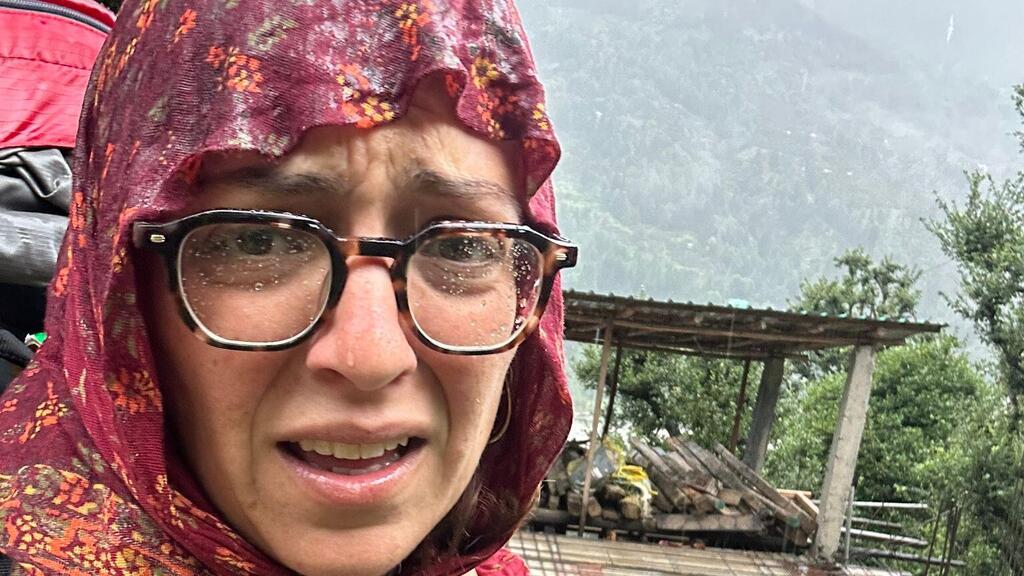
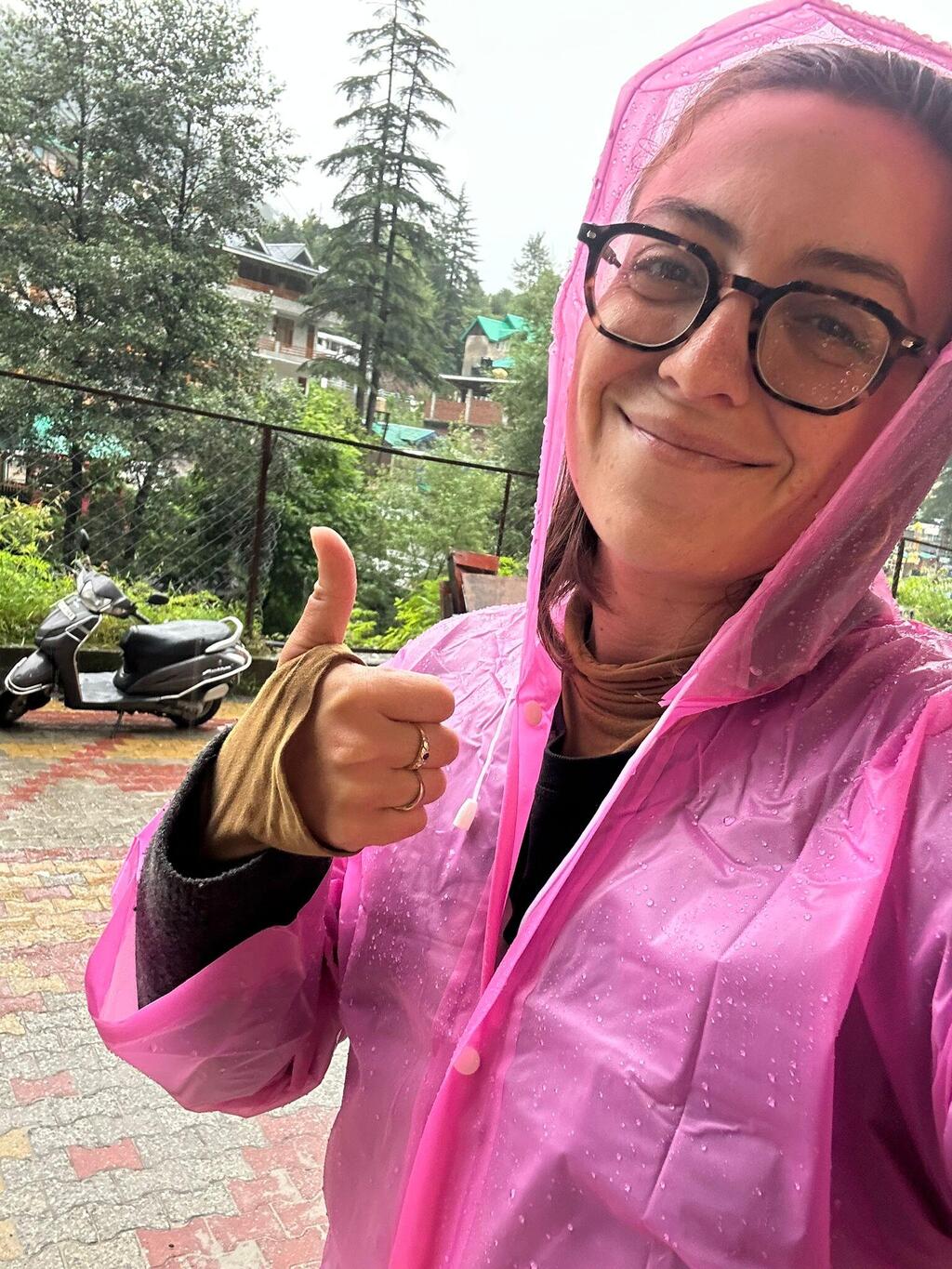
After a month in Sri Lanka, Elazar continued to India — or as she calls it, “the capital of misery.” Instead of yoga retreats and colorful cafes, she found herself trapped in a small Himalayan village during deadly floods, with no electricity or phone reception. “Three days of total isolation and nonstop rain,” she recalls.
(Photo: Dana Elazar)
“India is an amazing country — the people, the faith, the culture, Buddhism and Hinduism. But then the floods came. I had just finished a 12-hour taxi ride with four post-army guys — zero chemistry, total misery. I arrived in Manali at night, terrified, crying in the street because I couldn’t find my guesthouse. Finally, an Indian guy stopped and said, ‘Take deep breath, deep breath,’ and helped me find it. I slept alone that night, rain pounding, feeling completely alone.”
(Photo: Dana Elazar)
Trapped in the storm
Elazar soon found herself stuck in the small village of Vashisht, near Manali, as the floods worsened. “Videos started coming in — the bridge connecting Old Manali to New Manali had collapsed. Everything was underwater, there was no power, no cell reception, electric poles had fallen into the river,” she says.
At first, she tried to stay positive. “I was actually kind of enjoying it — being stuck in this little traditional village with hot springs. My ex texted me, ‘I saw there are floods — are you okay?’ I thought, let him wait. An hour later, the connection disappeared for three days. I kept thinking, ‘My poor mom must be panicking,’ but there was nothing I could do.”
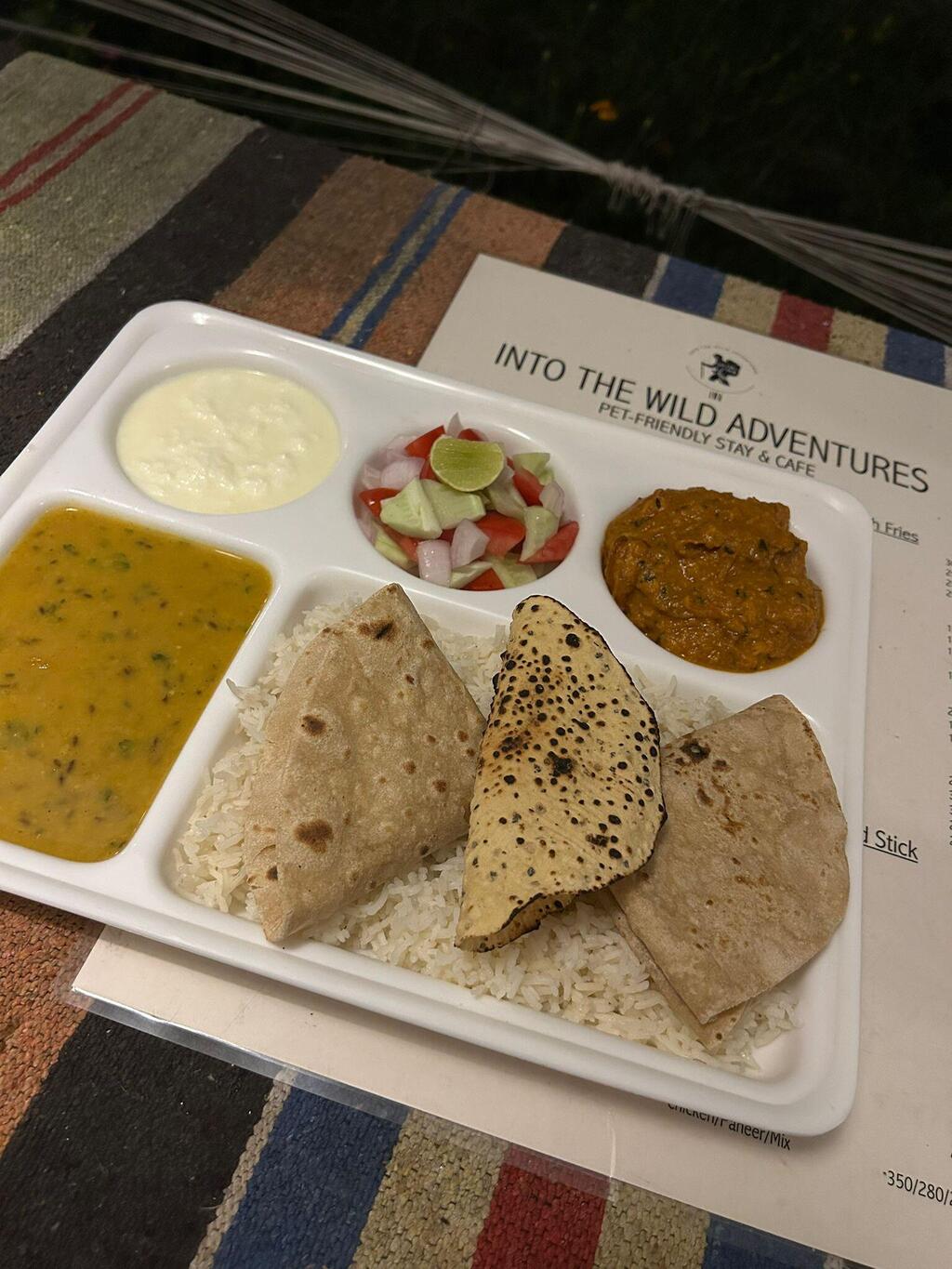
For three days, she lived without power or running water, surviving on simple local food. “Thali, malai kofta, paneer — amazing food. Dishes that cost 80 shekels in Israel were like four shekels there. And every few minutes, there was another waterfall. You think, how much water can there be? In Israel we’re desperate for water — there, they’re like, ‘Please, take our floods!’”
When the sun finally came out, Elazar realized she had to flee before more storms hit. “First thing I did was message my mom that I’m alive. Then I checked the forecast — two days of sun, then four more days of rain. I met another girl, and we said, we have to get out, fast.”
(Photo: Dana Elazar)
'F***ing nature!'
That’s when they met Aka, a colorful Sikh man who joined their escape. “He was desperate to leave the mountains and get back to his job. He yelled, ‘I’m out of here! F***ing nature!’ We all laughed, packed quickly, and left.”
The “rescue mission,” as she calls it, was pure chaos. “We took three taxis: one to the first collapsed bridge, which we crossed on foot through mud with all our bags. On the other side, another taxi waited, then another bridge collapse — same story, all mud and slipping everywhere. Finally, we reached the third taxi and got out of the flood zone. It was the ultimate olev adventure.”
(Photo: Dana Elazar)
'Just go for it'
Elazar’s message to women considering traveling solo is simple: “Just go for it. Yes, it’s scary and sometimes uncomfortable, but I needed it — to prove to myself that I can handle it. There’s so much freedom in it, listening only to what you need, and from that, finding your own strength.”
Her advice to female travelers: “Don’t go for massages in India — only in Thailand. It’s hard to say if it’s a cultural gap or something else, but I didn’t feel comfortable. And above all — trust your instincts. If something feels wrong, it probably is.”
For Elazar, “olev” — misery — isn’t a curse word. It’s her brand of honesty. “Life isn’t glossy. It’s messy, sweaty, and sometimes ridiculous. But that’s exactly why it’s beautiful.”