

Hokkaido. For years, the name alone carried for me a promise of adventure, one that combined nature, landscapes and wildlife with my desire to encounter a less familiar, less touristed Japan.
Gallery
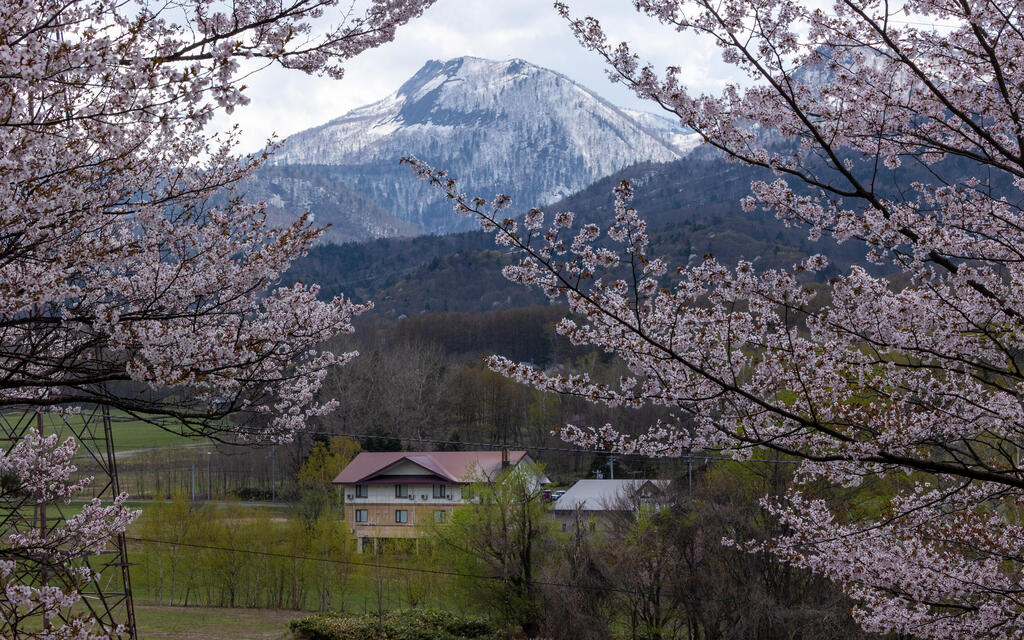
Between volcanoes and frozen lakes: the trip that showed us a different Japan
(Photo: Rafi Koren)
The northern island, the second largest of Japan’s islands, is defined by vast plains, volcanic mountain ranges and a cold climate. Its area is almost four times larger than Israel’s, yet it is home to only about five million people. For centuries, the island was inhabited by the Indigenous Ainu people. Only in the late 19th century, as Japan sought to secure its northern border, did large-scale Japanese settlement begin there.
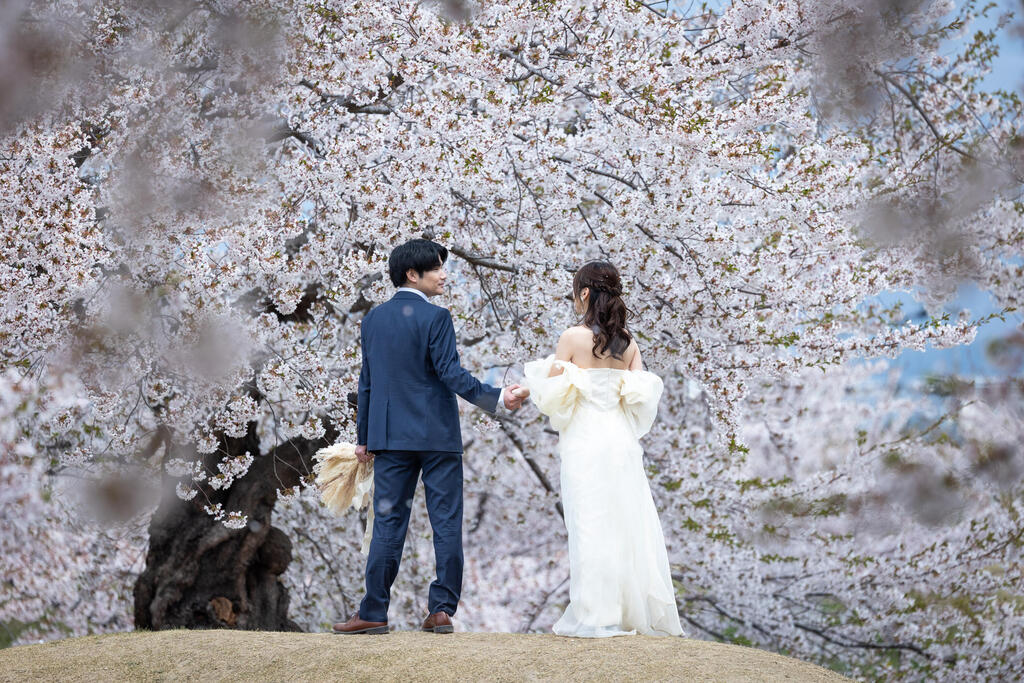
Goryokaku park
(Photo: Rafi Koren)
Hokkaido is located in an area of intense tectonic activity and is considered at high risk for strong earthquakes and tsunamis. As part of the island’s welcome, we received a demonstration on our very first day: a 6.1-magnitude earthquake that made the hotel room dance and creak for several long seconds.
The hotel announcement immediately explained, in a calm tone, what was happening and what was expected of us. The movement subsided, and we survived that episode.
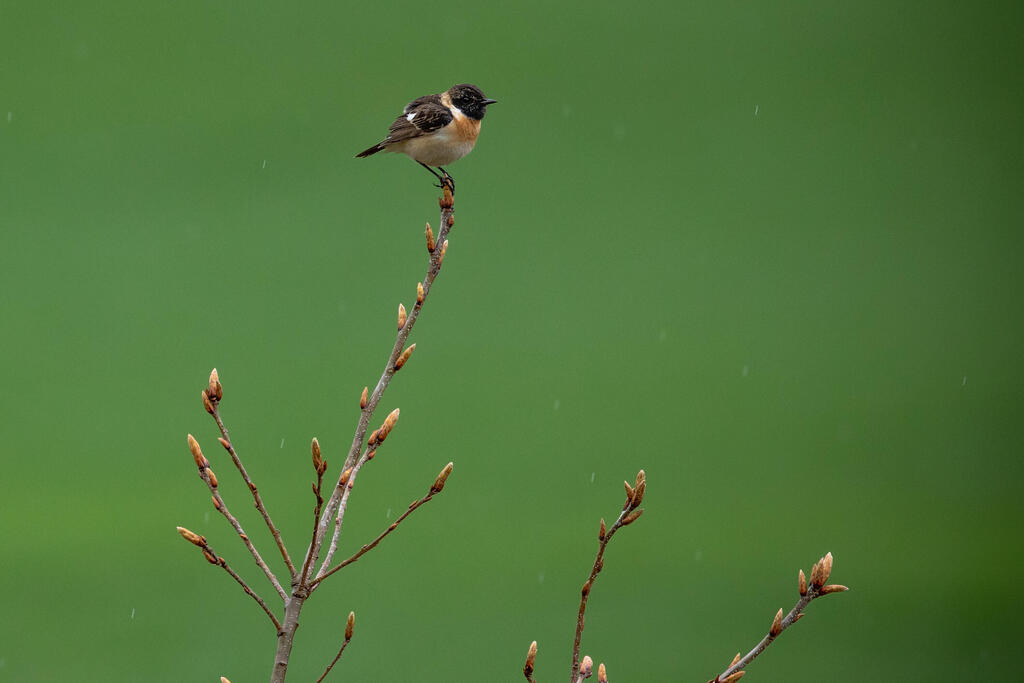
Hokkaido’s wide-open spaces and isolated nature reserves, along with the edges of its urban areas, have made the island home to many animals. We were lucky enough to meet some of them along the way: deer, red foxes, Ezo squirrels, porcupines and a wide variety of birds and raptors. My hope of seeing brown bears, even from a distance, unfortunately remained unfulfilled.
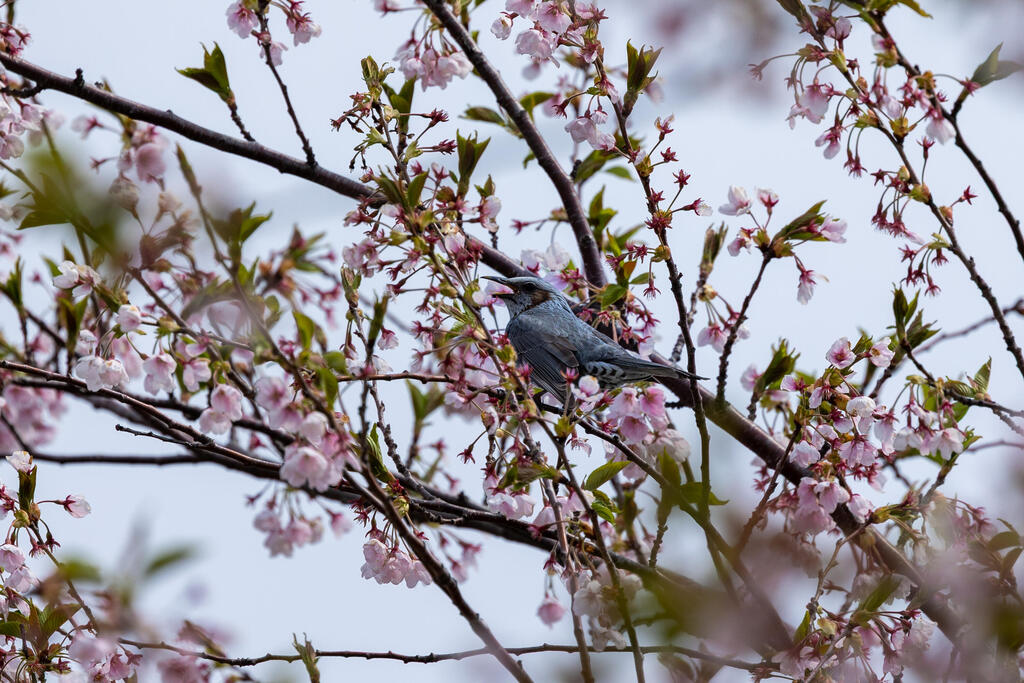
Some of the birds we encountered
(Photo: Rafi Koren)
(Photo: Rafi Koren)
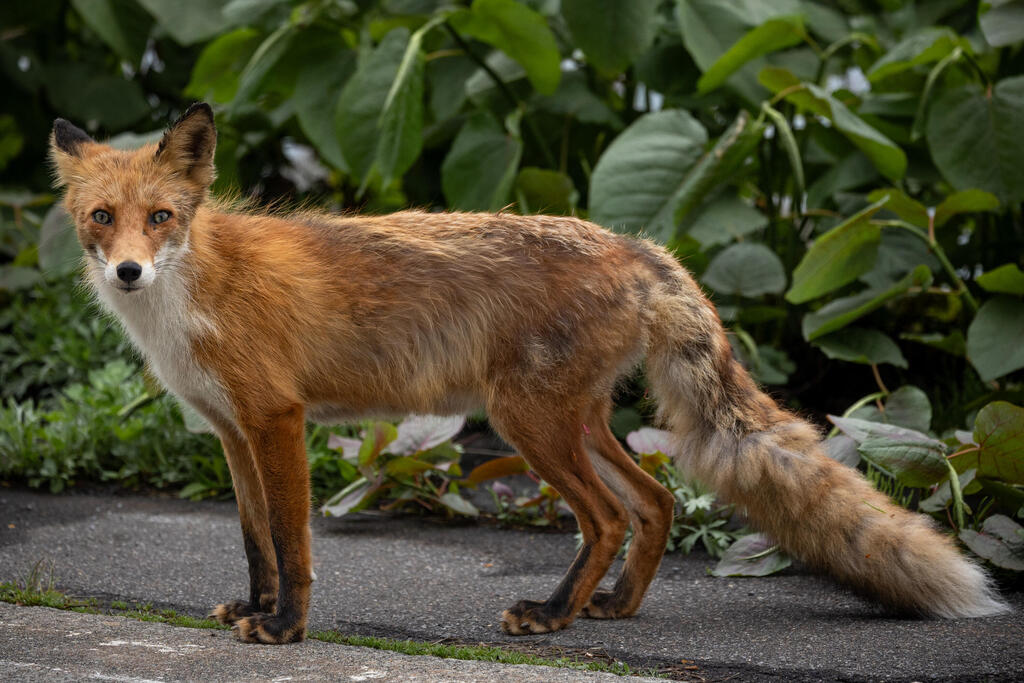
Red fox
(Photo: Rafi Koren)
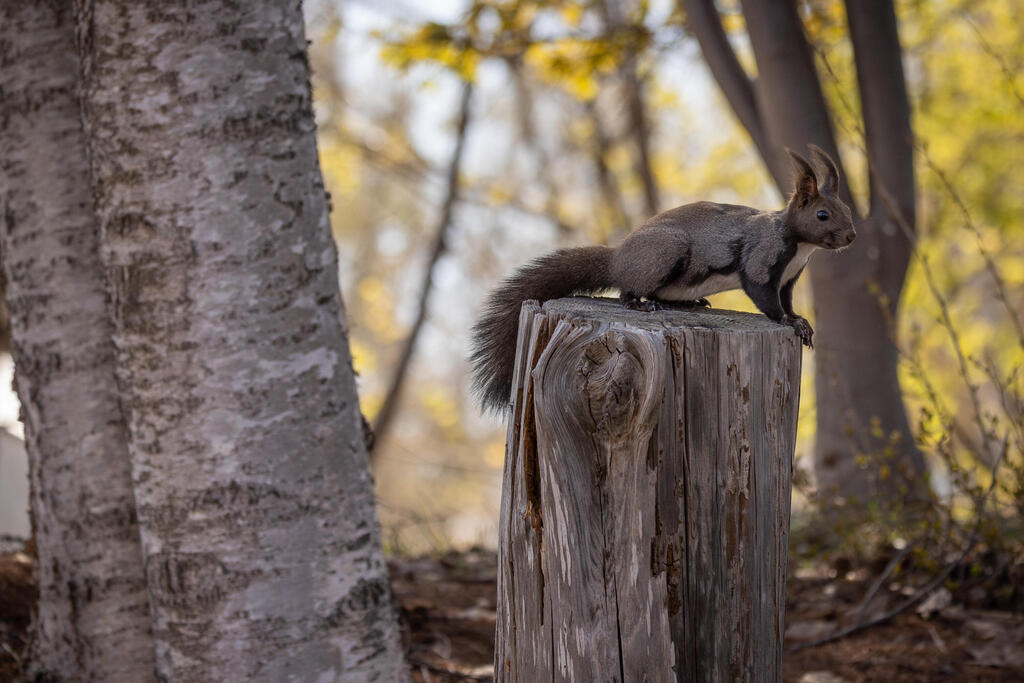
Ezo squirrel
(Photo: Rafi Koren)
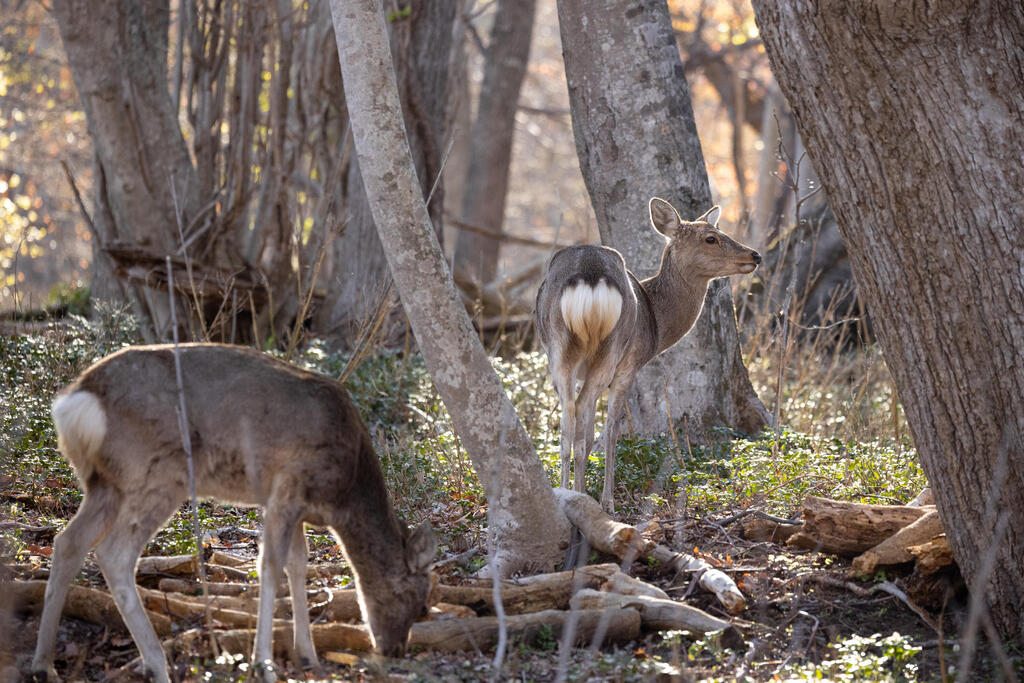
Ezo deer
(Photo: Rafi Koren)
The food in Hokkaido is wilder and less refined than the traditional cuisine of Tokyo or Kyoto. The emphasis is on filling, warming dishes suited to the cold climate, prepared from the island’s excellent raw materials. Hokkaido offers an abundance of fish and seafood, including enormous crabs, shrimp of various sizes, sea urchins, salmon roe and more.
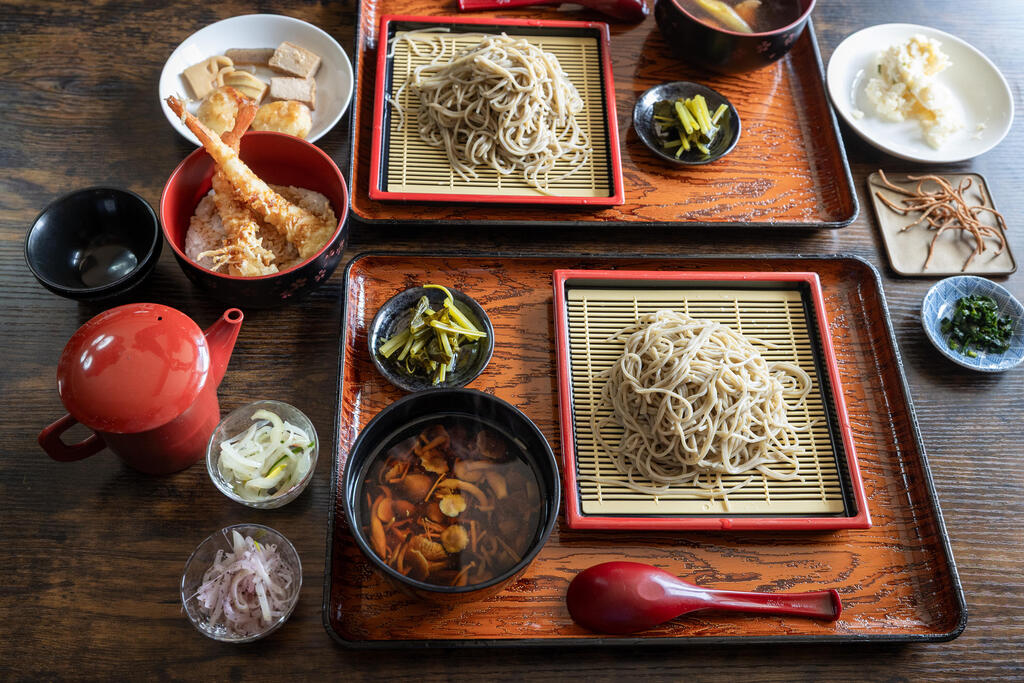
Excellent soba soup
(Photo: Rafi Koren)
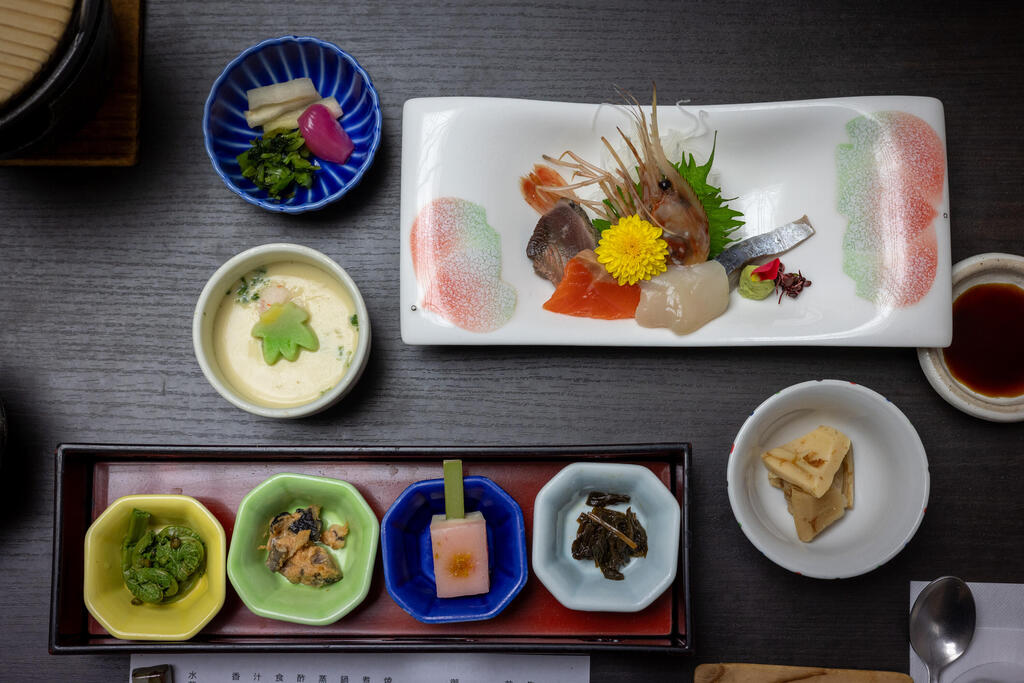
Traditional dinner
(Photo: Rafi Koren)
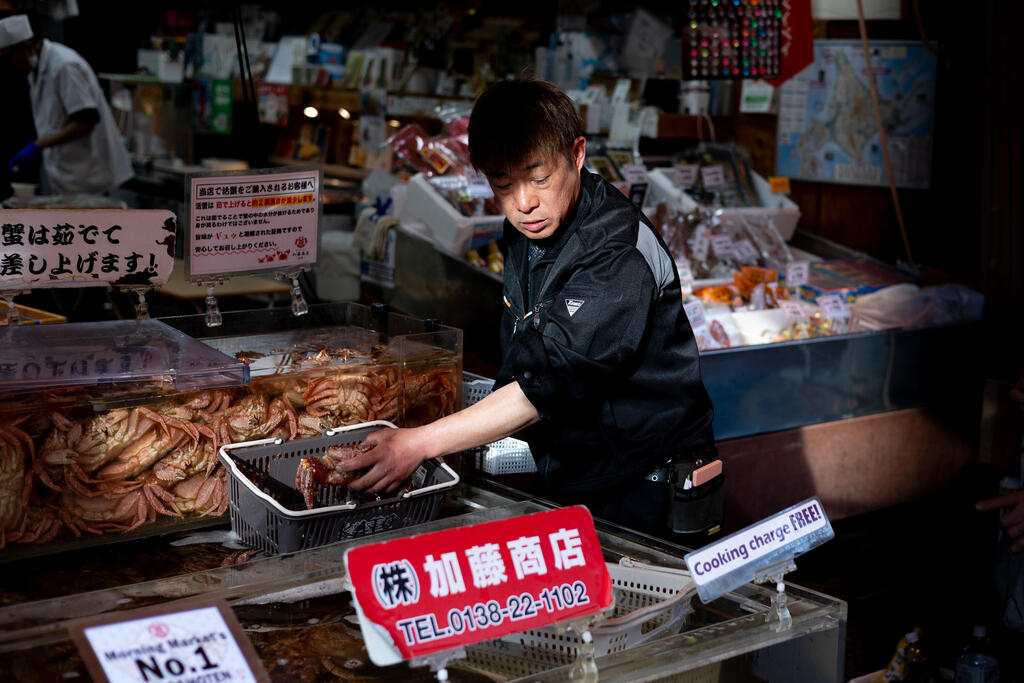
That same earthquake gave us an early wake-up call, so we set out for a tour of the morning market as it came to life, passing dozens of stalls offering the best of the sea. We admired both the abundance and variety, and the locals’ ability to eat it so early in the morning.
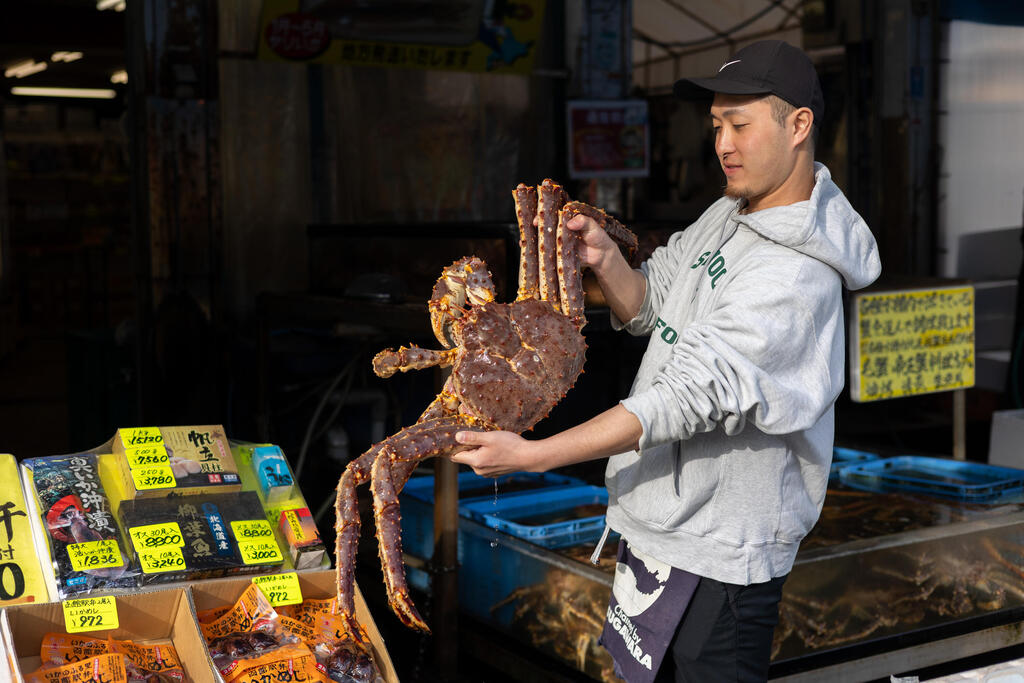
Morning market
(Photo: Rafi Koren)
(Photo: Rafi Koren)
Hokkaido is also a dairy powerhouse, producing about half of all the milk in Japan. The common belief is that the green expanses and cold climate help the cows produce especially rich milk, the basis for excellent ice cream, high-quality butter and rich cheese desserts. We were happy to taste and confirm.
At the end of April, we landed in Hakodate, Hokkaido’s third-largest city, an hour and a half after taking off from Tokyo. Hakodate, a port city that has served for centuries as the southern gateway to the island, was also the starting point for our eight-day circular journey.
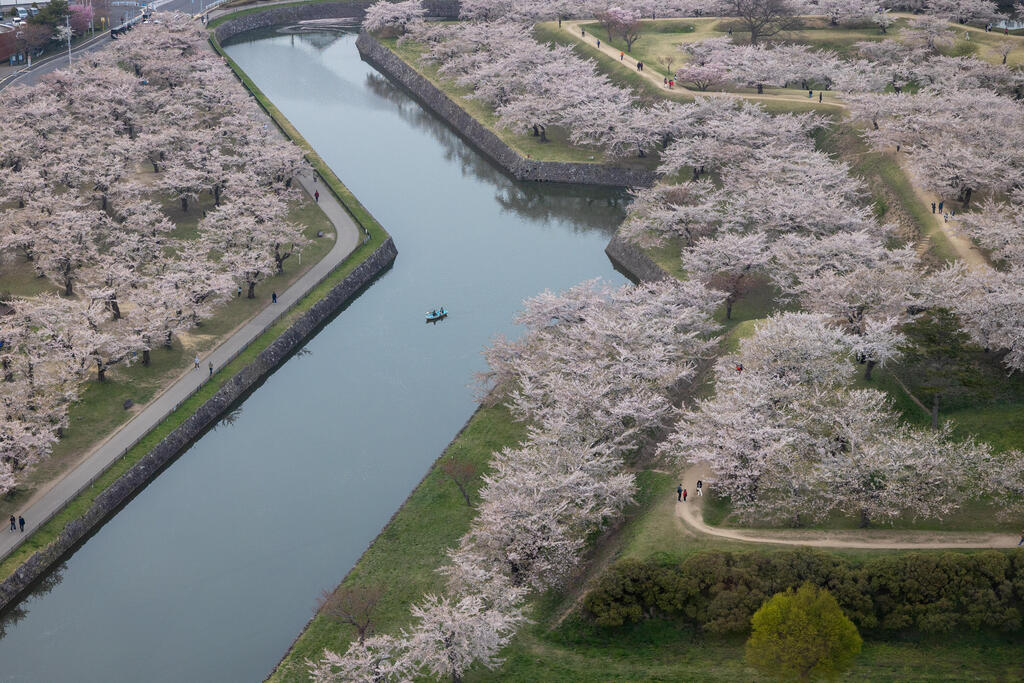
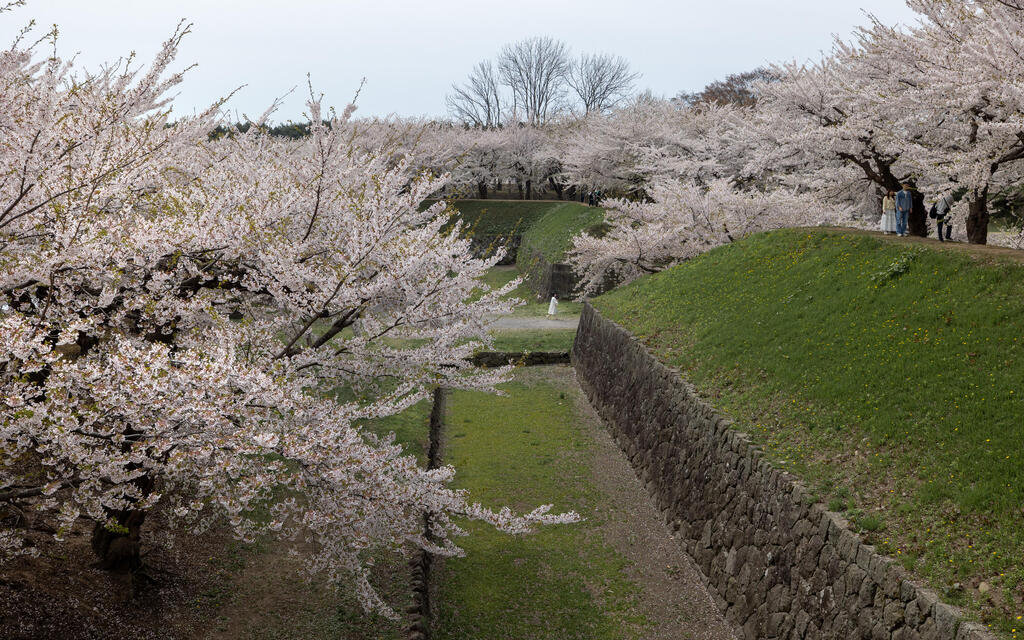
While sakura, Japan’s famous cherry blossom season, reaches its peak in central Japan in early April, on the northern island it bursts into shades of white and pink only at the end of the month, perfectly synchronized with our itinerary. We realized that the best place to take it all in was Hakodate’s famous star-shaped fort, Goryokaku, whose grounds are planted with about 1,600 ancient cherry trees.
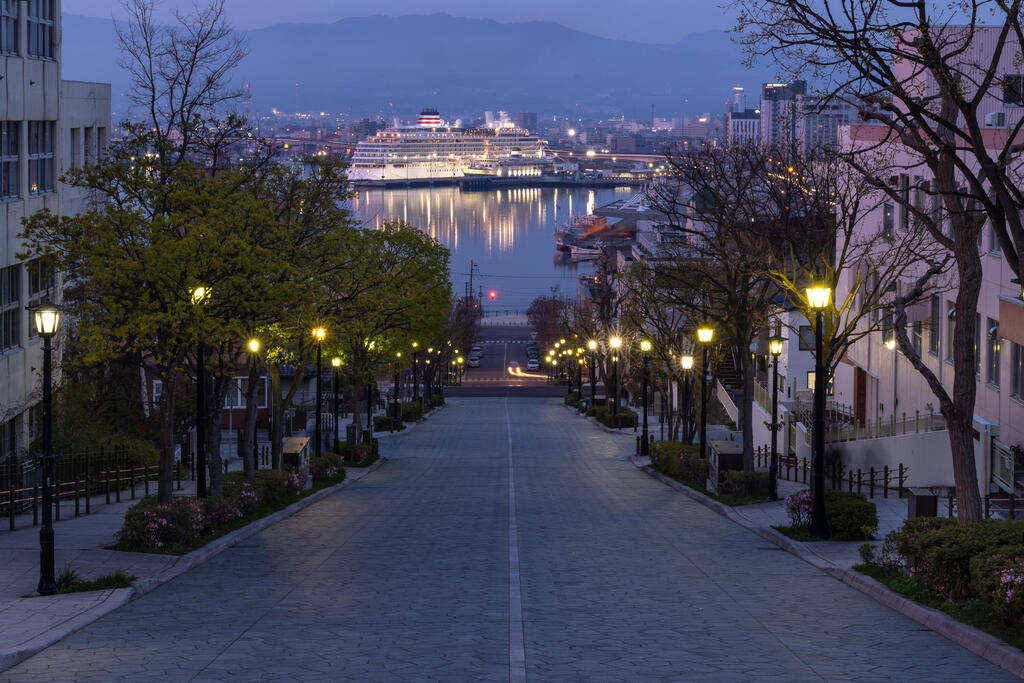
Hakodate, looking toward the port
(Photo: Rafi Koren)
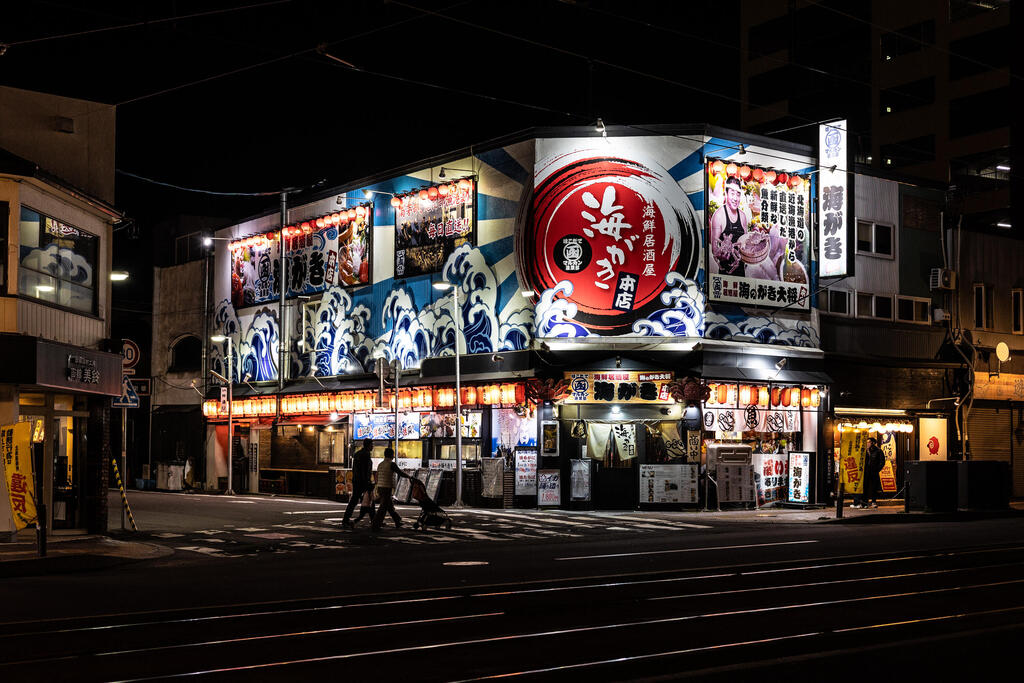
Photogenic even at night
(Photo: Rafi Koren)
We arrived early and wandered for hours through the park, unable to get enough of the mesmerizing sight of the abundant blossoms. We met couples posing for pre-wedding photos, people with dogs, parents and children, and families spreading picnic mats in perfect weather against an even more perfect backdrop.
The magical atmosphere seemed to cast calm and joy over everyone strolling through the natural mazes created by the impressive trees. It was easy for us to connect with locals and tourists alike, with the camera once again serving as a wonderful communication device.
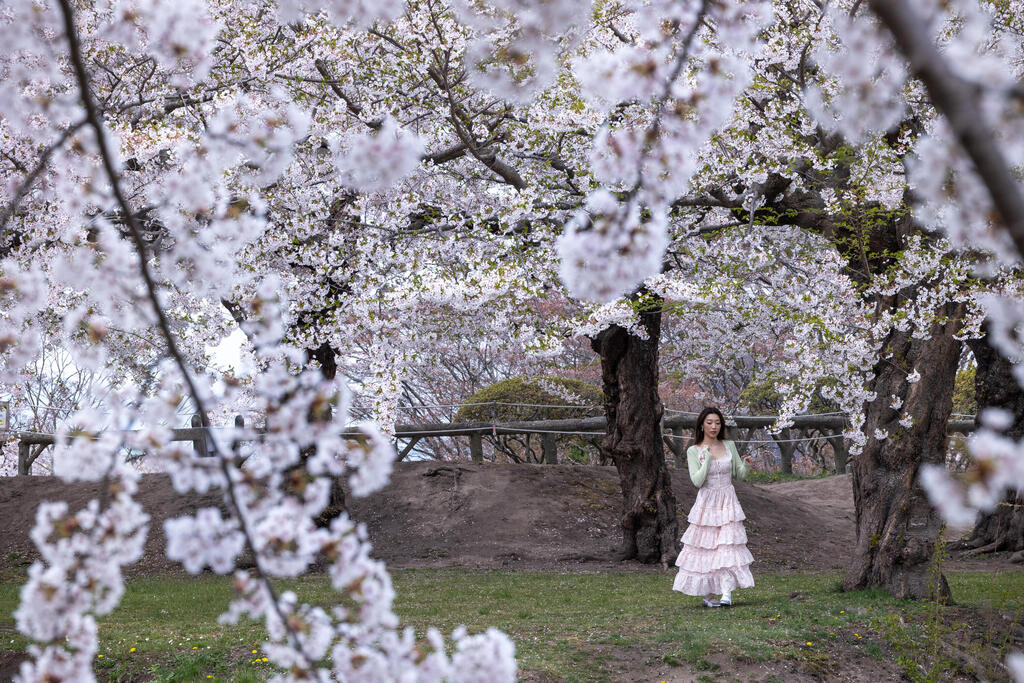
Goryokaku park
(Photo: Rafi Koren)
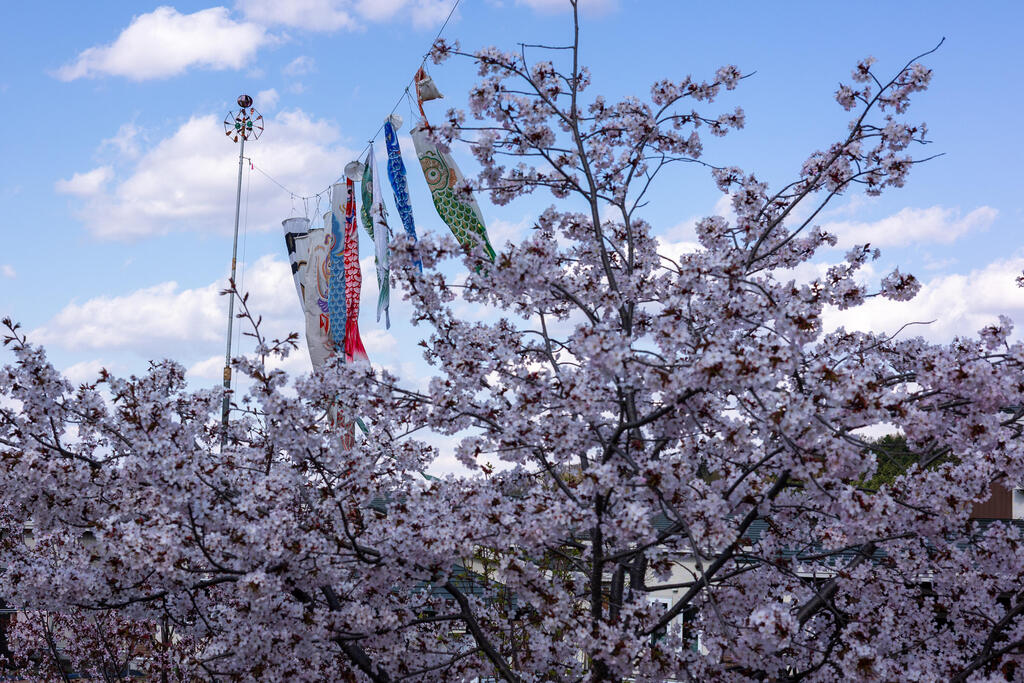
Sakura and koinobori flags on Children’s Day
(Photo: Rafi Koren)
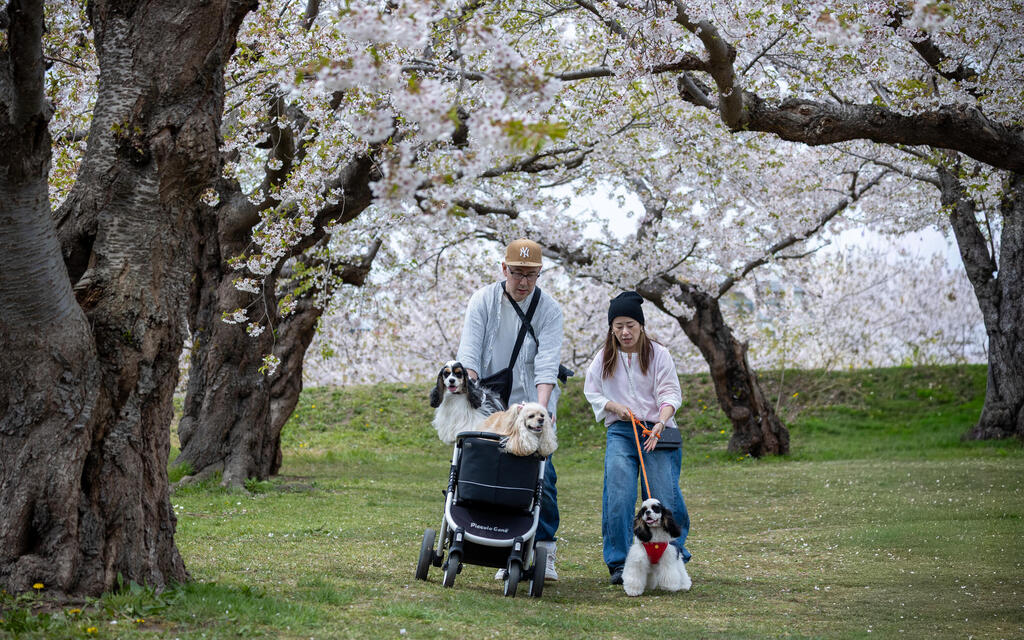
(Photo: Rafi Koren)
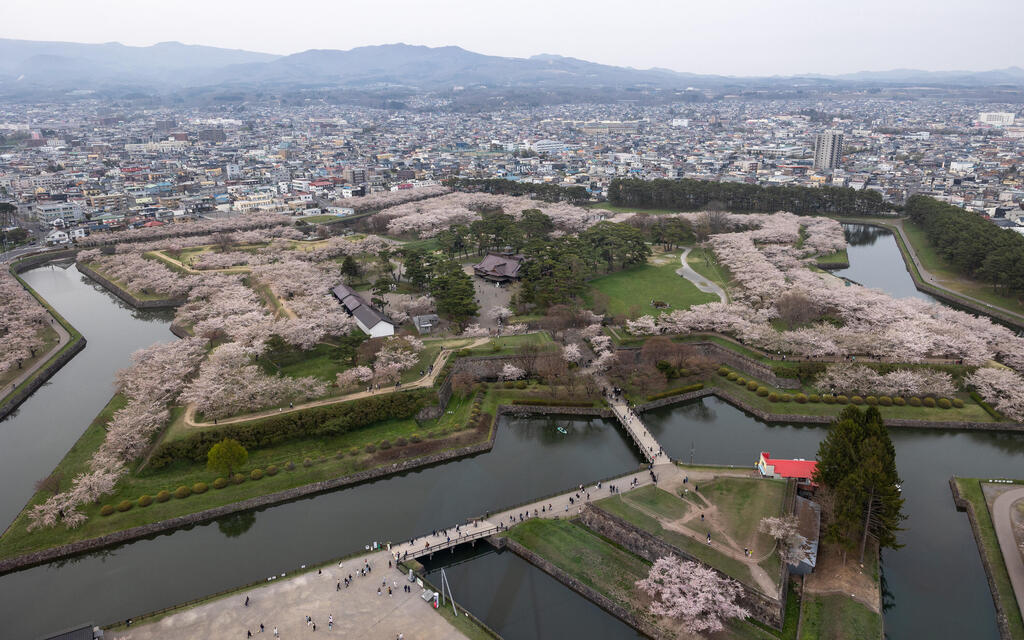
Goryokaku park
(Photo: Rafi Koren)
(Photo: Rafi Koren)
(Photo: Rafi Koren)
From Hakodate, we drove along the coastal road to Shikotsu, a deep, clear lake surrounded by three volcanoes. The traditional hotel we chose on the western shore almost touched the lake’s waters, and a morning dip in its mineral-rich onsen, or hot spring, felt like a truly purifying spiritual experience.
Imagine a set of four natural pools with different water temperatures, crowned by an outdoor pool overlooking the lake and the surrounding mountains, while the crisp air settles at just 5 degrees Celsius.
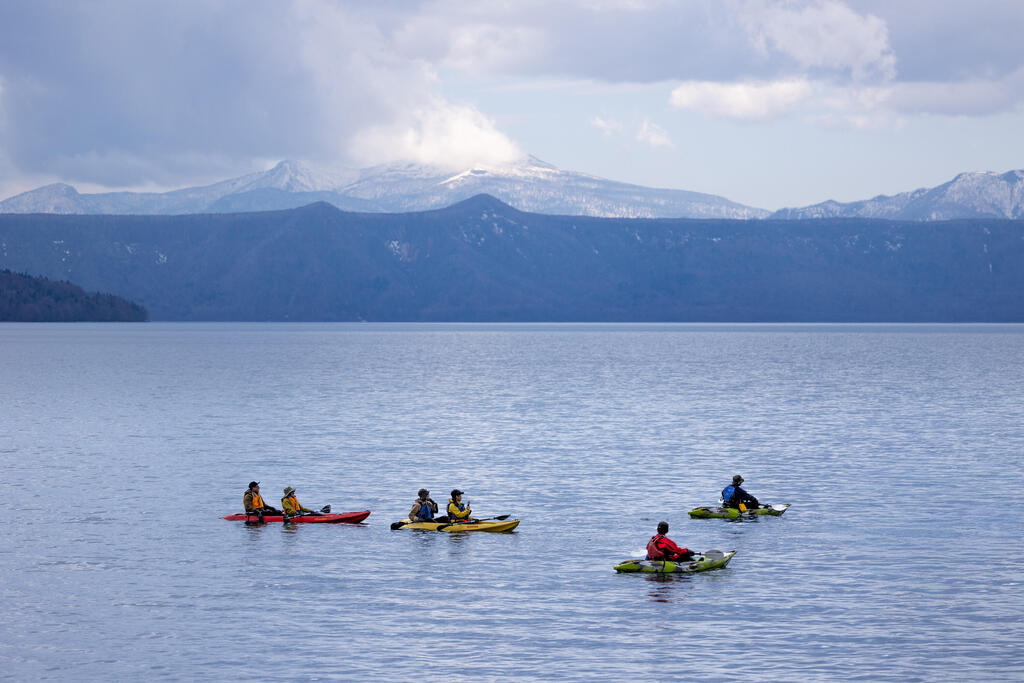
Shikotsu lake
(Photo: Rafi Koren)
The Lake Shikotsu area is rich with hiking trails, waterfalls and birdwatching spots, some featuring species unique to Hokkaido. The lake itself offers a range of water activities, from kayaking and stand-up paddleboarding to funny swan-shaped pedal boats and motorboats.
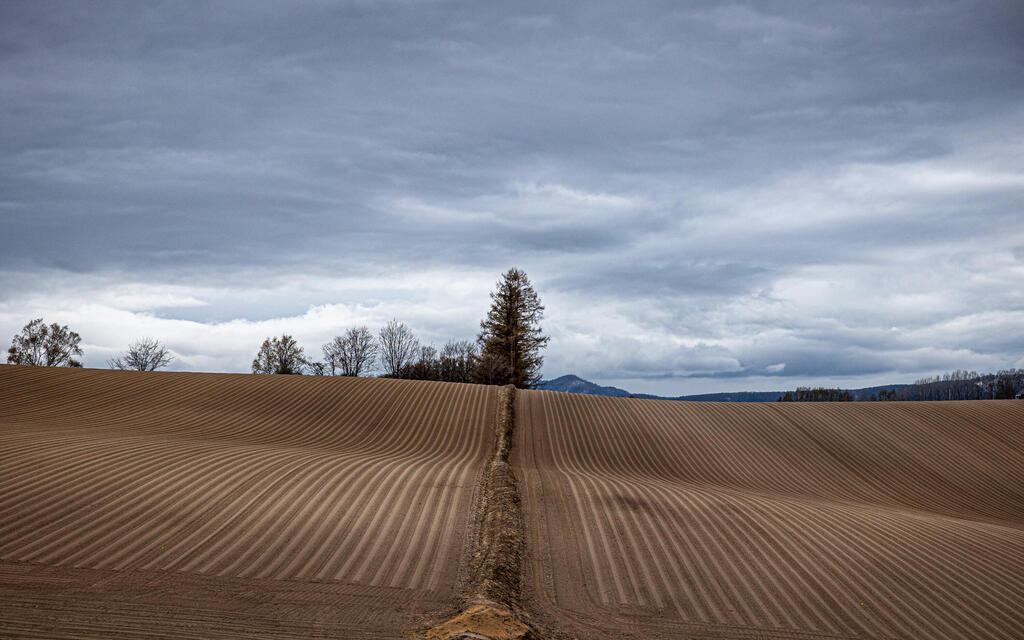
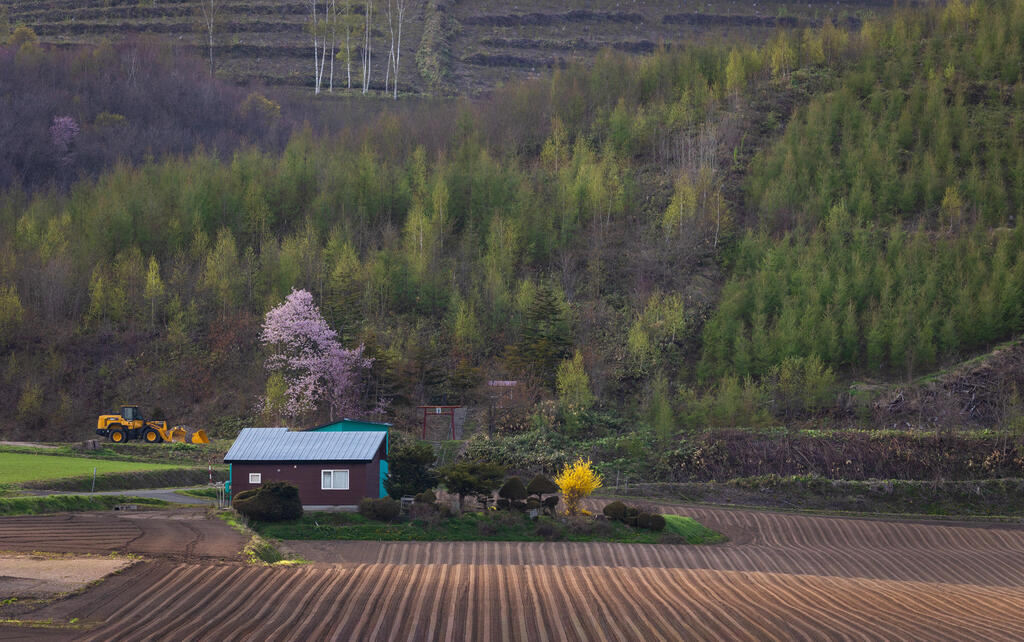
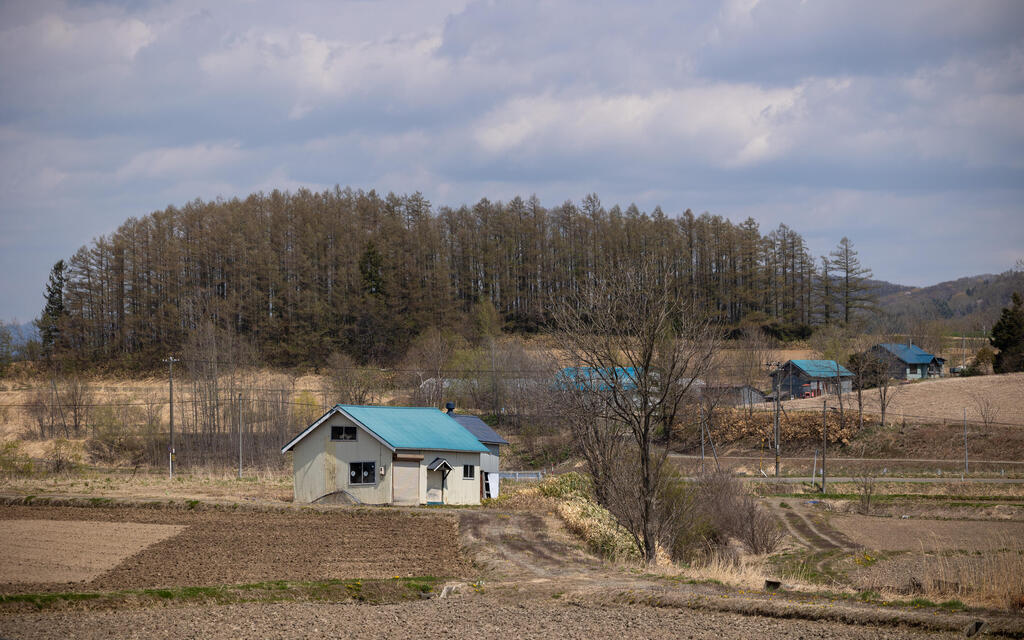
The heart of our trip, and in many ways its peak, was the area around Furano, a region of rural landscapes, rolling hills and fields stretching to the horizon at the foot of snow-capped volcanoes. It turns out the town sits exactly at the island’s geographic center, earning it the nickname “Belly Button Town.”
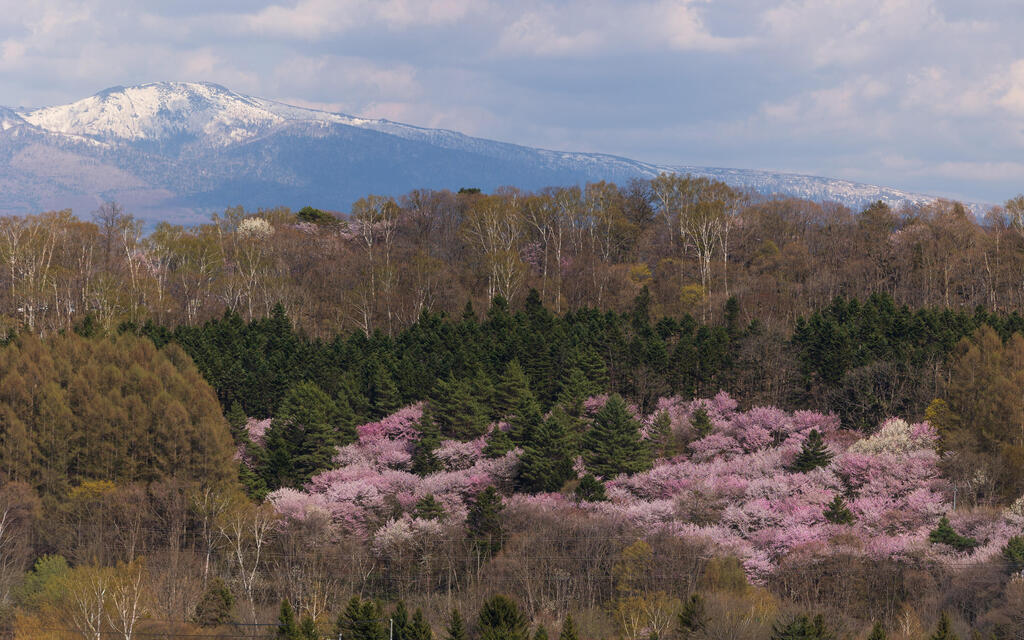
The enchanting landscapes around Furano
(Photo: Rafi Koren)
(Photo: Rafi Koren)
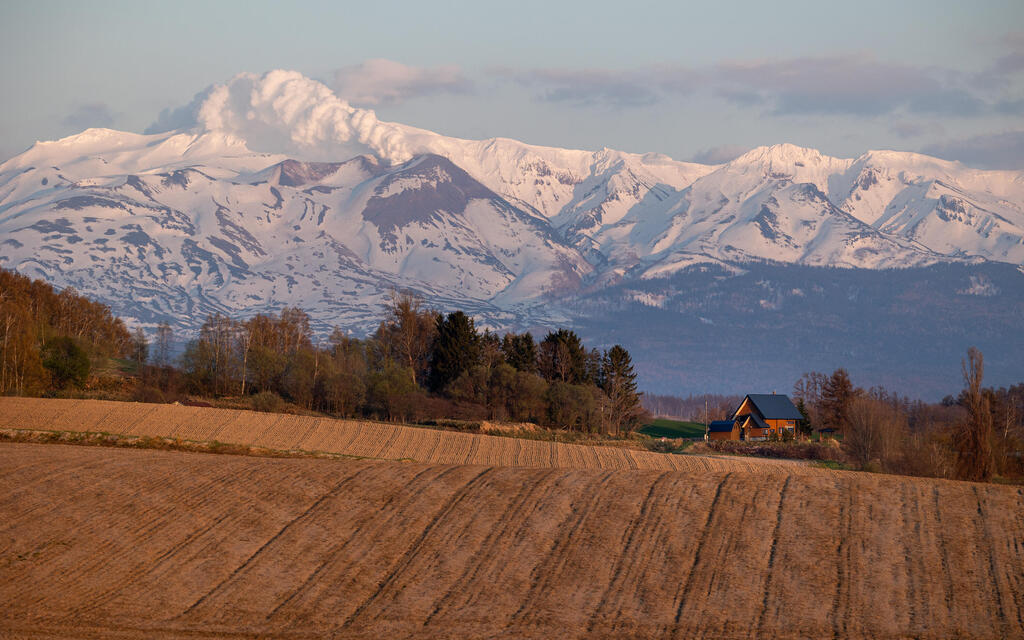
Mount Tokachi volcano
(Photo: Rafi Koren)
(Photo: Rafi Koren)
(Photo: Rafi Koren)
At the end of July, the town reportedly holds a Belly Button Festival, in which thousands of dancers parade after painting huge faces on their stomachs. Every side road, every bend and every turn drew cries of admiration from us, as the scenery looked as if it had been taken straight from a postcard.
We visited in early spring, but those who arrive in summer can enjoy a large selection of events that have become symbols of the area, each celebrating in turn the spectacular blooming of lavender, tulips or sunflowers.
Not far from Furano, on the outskirts of the town of Biei, lies the Blue Pond, which is truly, absolutely blue, as if artificial color had been poured into the water. The spectacular sight of the water, with symmetrical tree trunks rising from it, was so beautiful that we visited the pond both in the morning and again in the afternoon.
In between, we drove along the “Roller Coaster Road,” a photogenic route that rises and falls with the topology of the hills, walked through dense woodland to a tiered waterfall flowing among rocks, and held a picnic in a magnificent grove of cherry and jujube trees at the height of their bloom.
We ended with heavenly cheesecakes, before a perfect sunset beyond hills painted in deep gold.
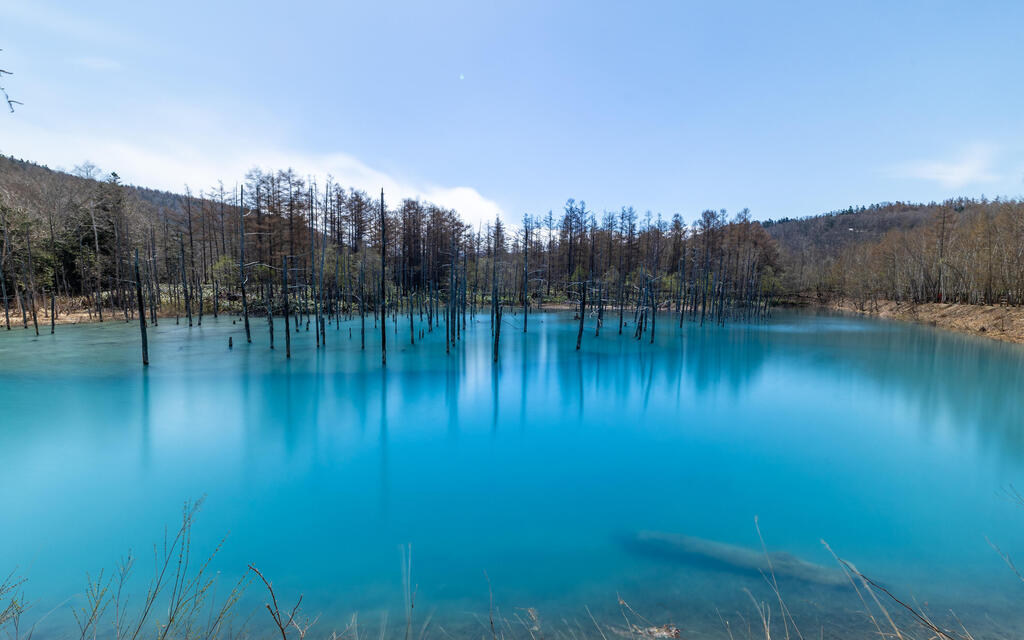
Blue Pond in Biei
(Photo: Rafi Koren)
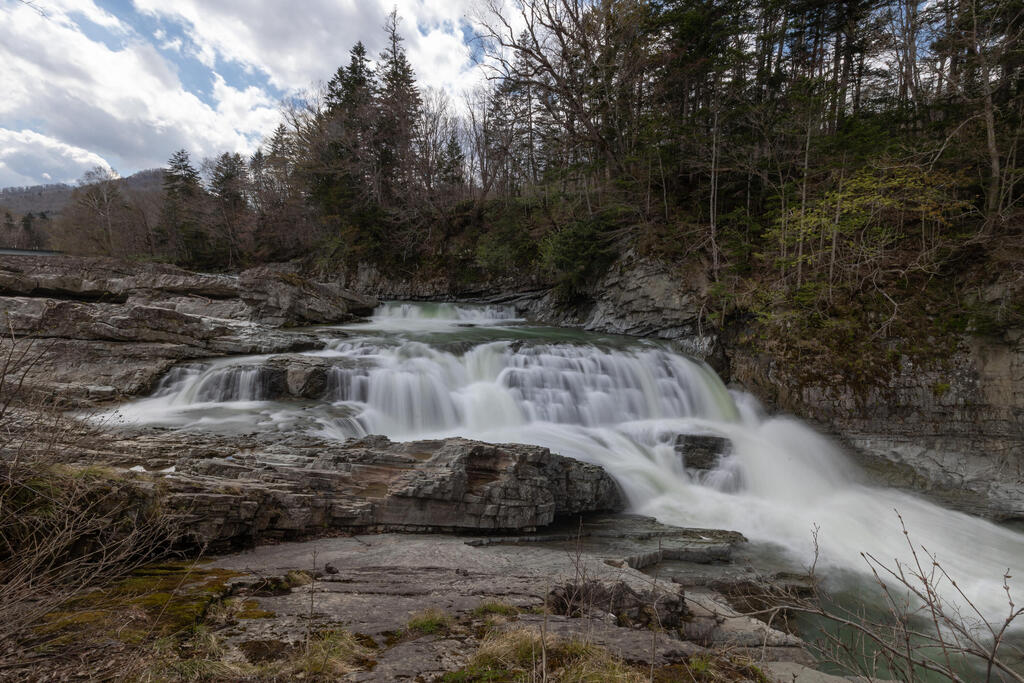
Sandanaki waterfalls
(Photo: Rafi Koren)
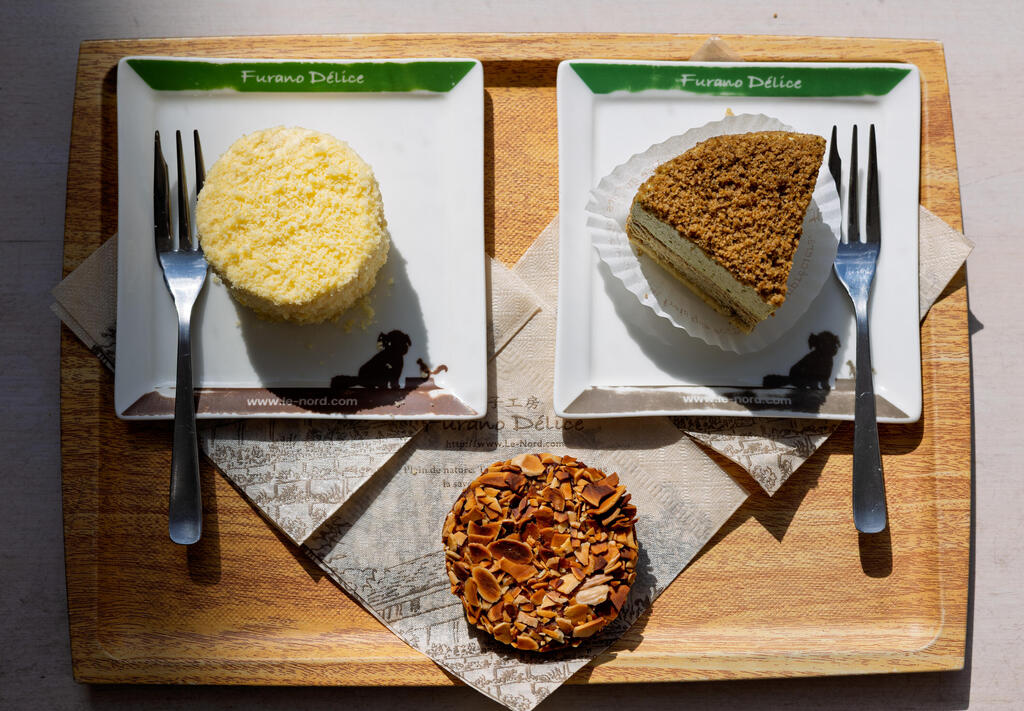
Delicious cheesecakes
(Photo: Rafi Koren)
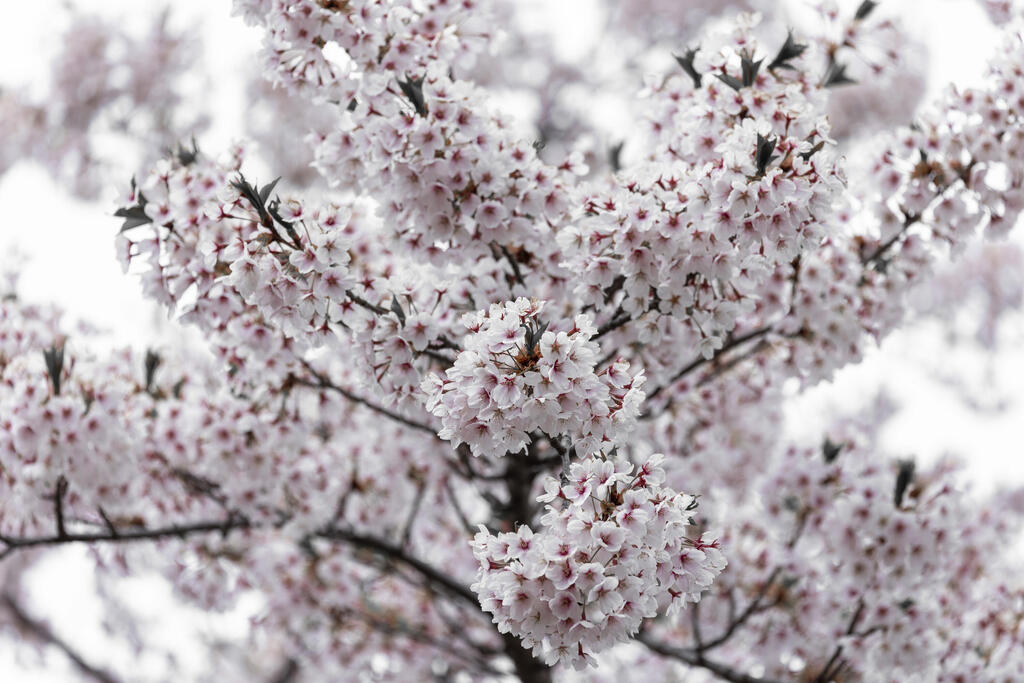
Sakura at its peak
(Photo: Rafi Koren)
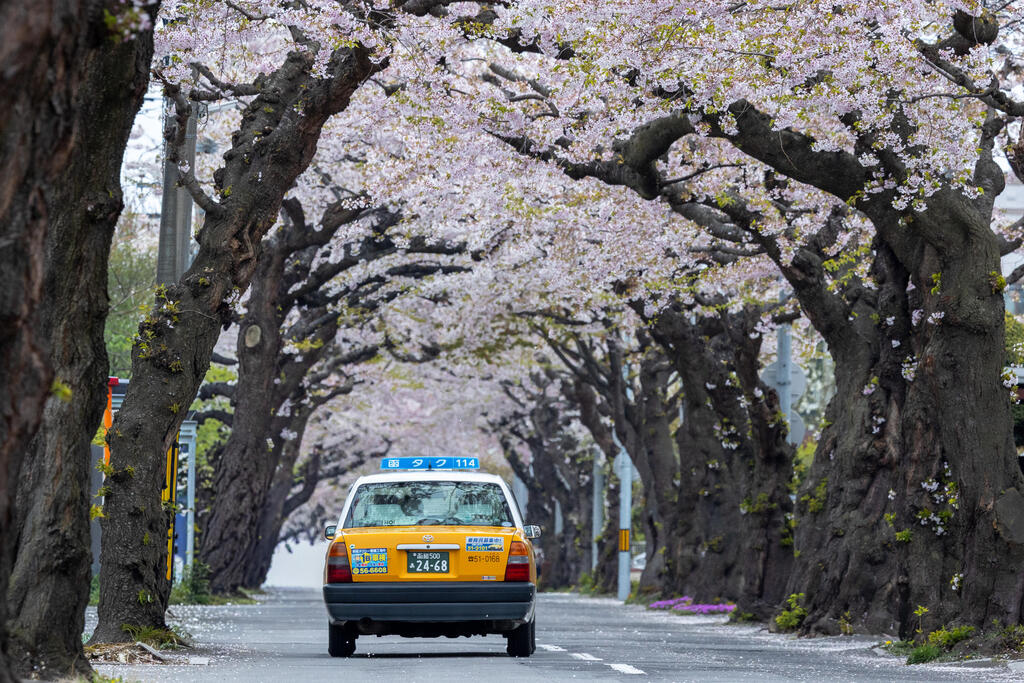
(Photo: Rafi Koren)
With some sorrow, and with a promise that we would return, we parted from Biei and Furano and set out for our final destination in Hokkaido: Otaru, a sleepy port city about 30 minutes from Sapporo, the island’s capital.
We settled into a hotel at the edge of the Otaru Canal, the city’s famous symbol. Completed a century ago, the canal was used to unload goods from ships into stone warehouses, which over the years have been converted into restaurants, galleries and small shops.
Otaru was our base for a beautiful day trip to the Shakotan Peninsula. Along the way, we climbed to a viewpoint over the city, visited cherry orchards beside a whisky distillery in the town of Yoichi and stopped in small fishing villages.
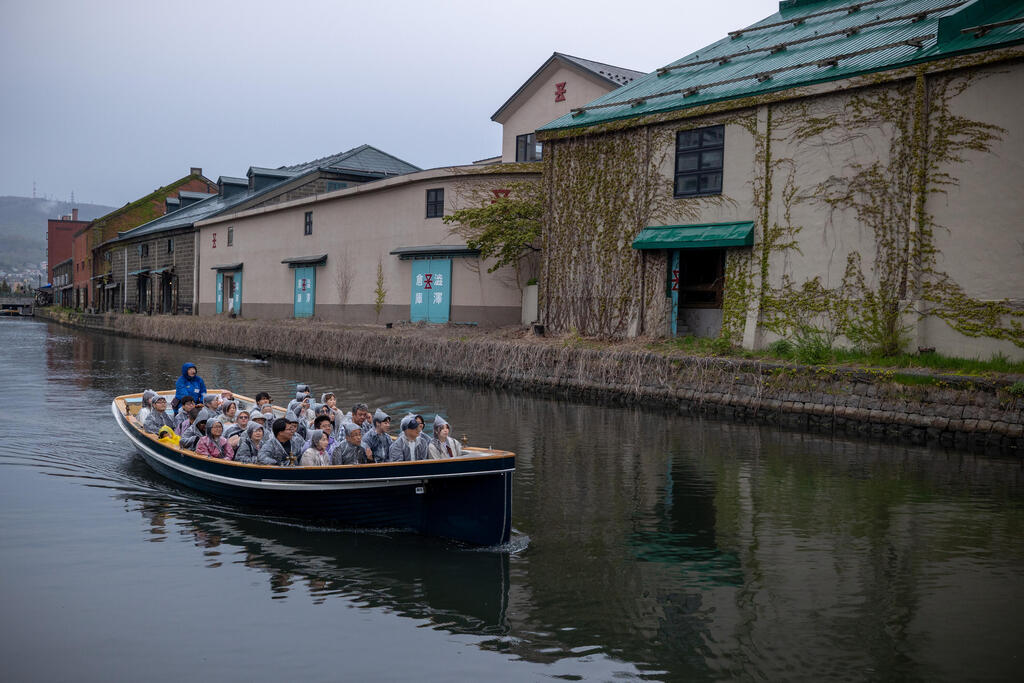
Otaru Canal
(Photo: Rafi Koren)
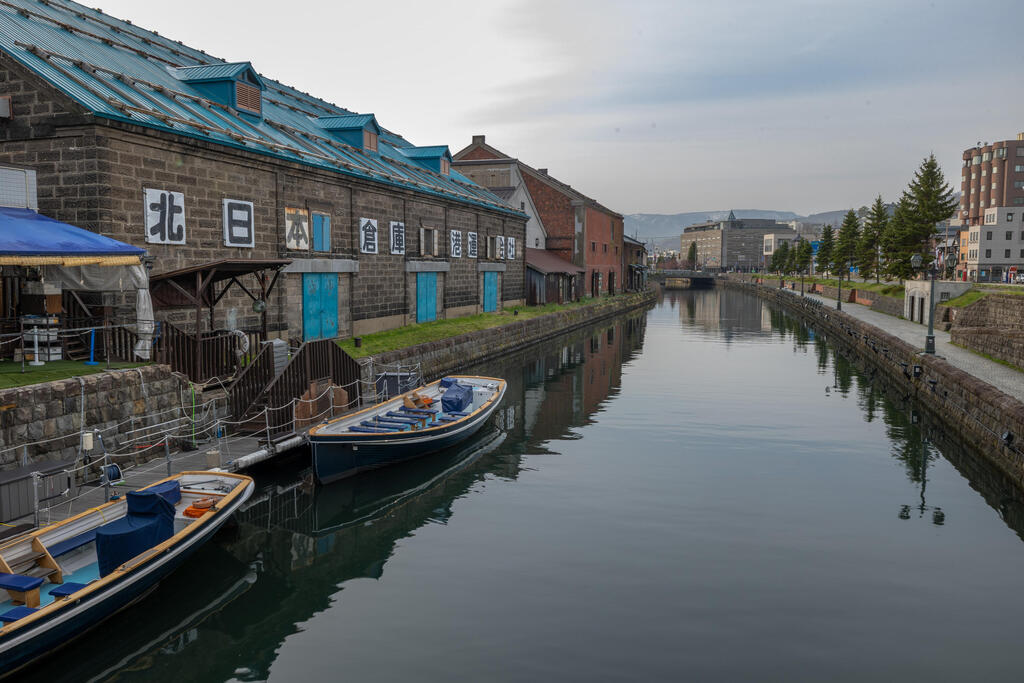
(Photo: Rafi Koren)
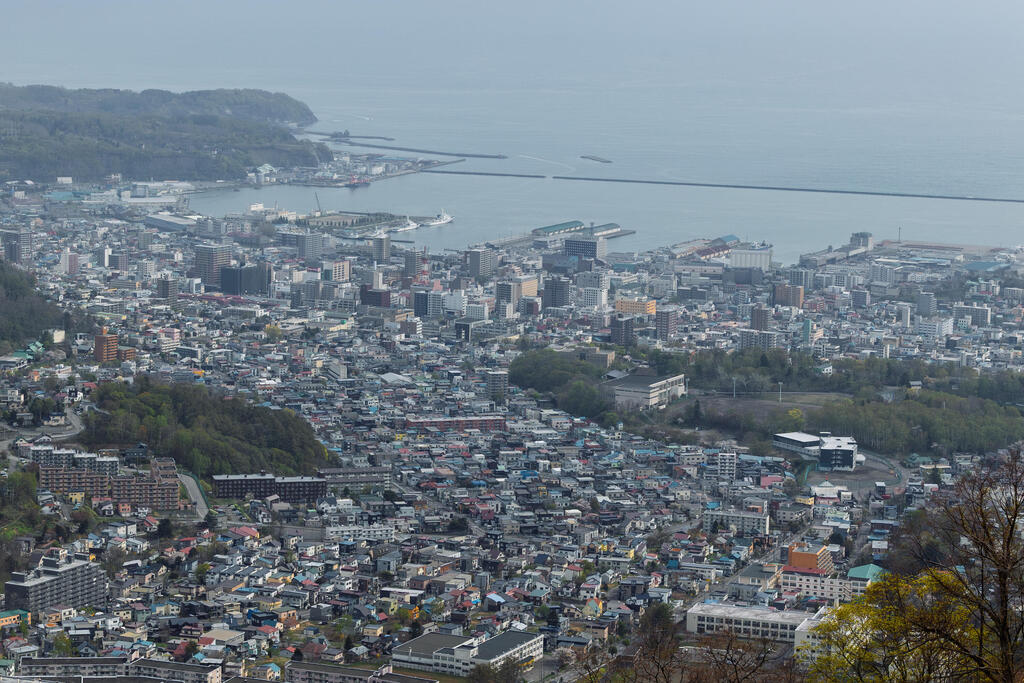
View of Otaru
(Photo: Rafi Koren)
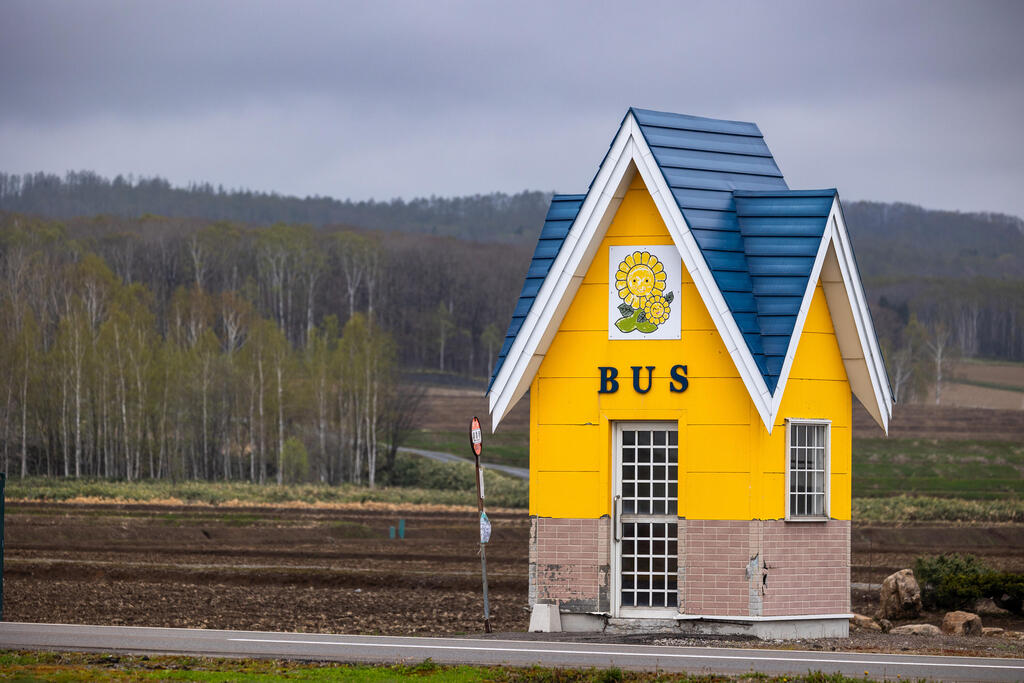
Bus stop prepared for the cold winter
(Photo: Rafi Koren)
The highlight of the day was a walk along a narrow trail that rises and falls along the cliff toward the sea, ending at the viewpoint and lighthouse at Cape Kamui, with the vast sea spread out below. We finished with a sweet note: blue ice cream made from excellent Hokkaido cream.
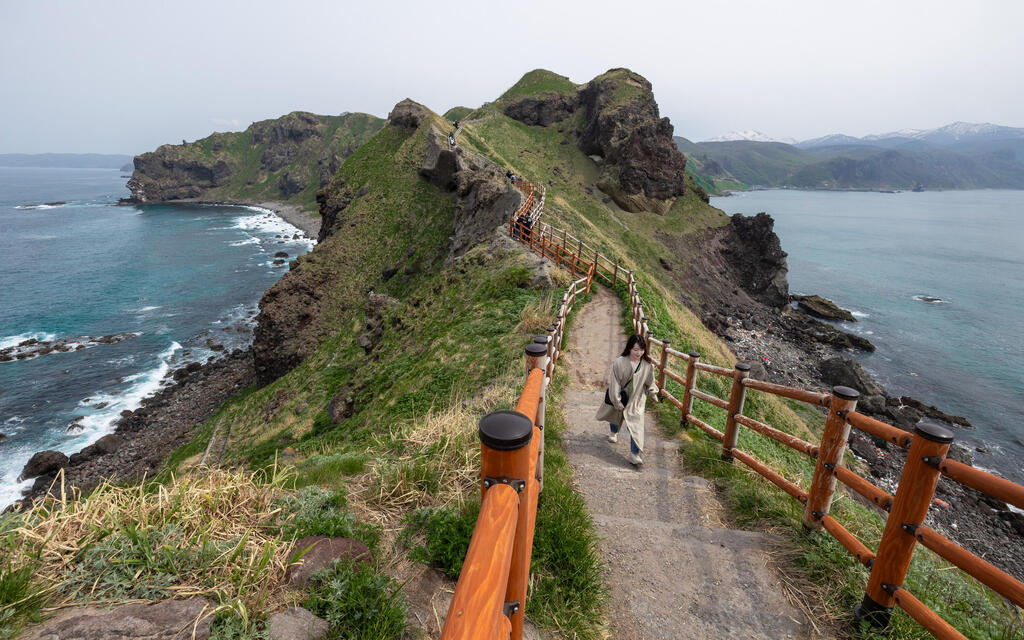
Cape Kamui. The beautiful trail through the picturesque landscape
(Photo: Rafi Koren)
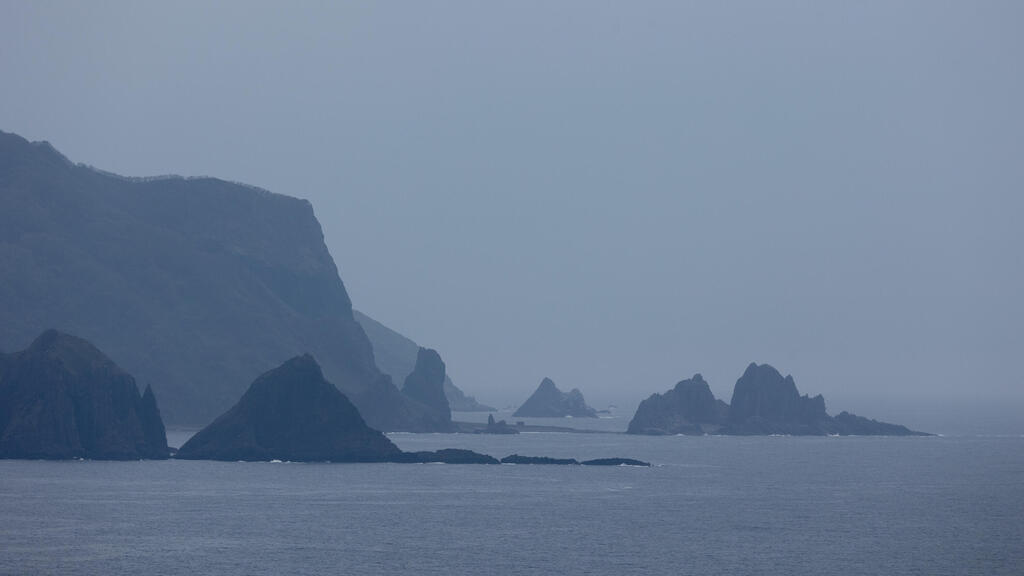
Cape Kamui
(Photo: Rafi Koren)
On the way to the airport, we stopped at Hill of the Buddha, an impressive Buddhist temple with large statues, including a giant Buddha, before boarding a short and very bumpy flight that brought us back by evening to the big city, Tokyo. Two final days of walking tours, good food, shopping, and then home.
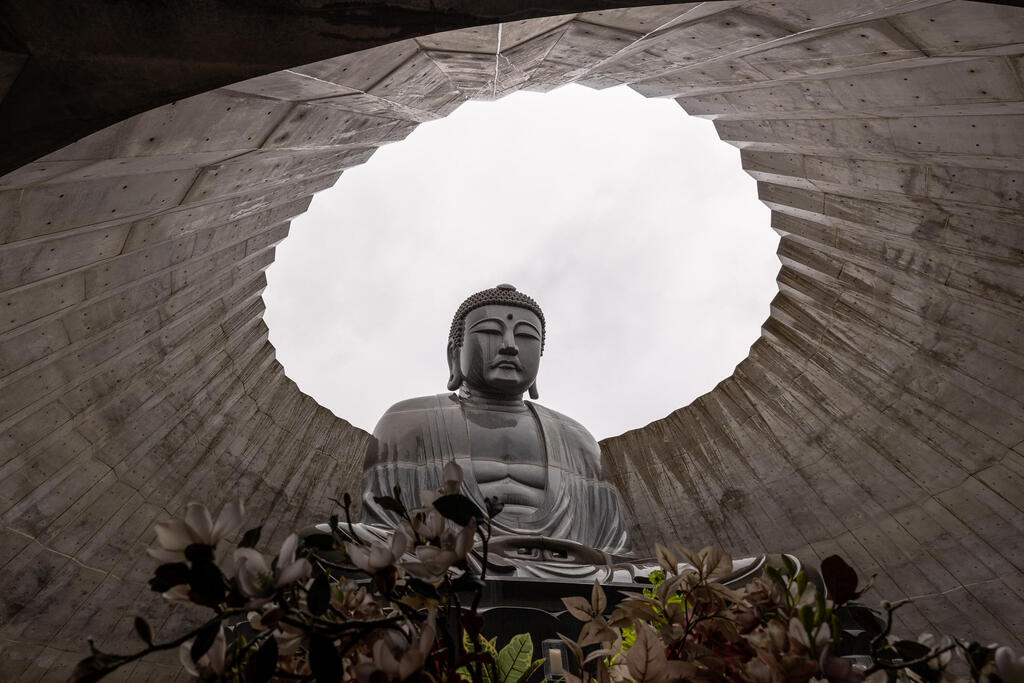
Hill of the Buddha
(Photo: Rafi Koren)
For me, the journey to Hokkaido not only met the promise and the high expectations I had placed on it, but left me with a strong taste for more and a desire to return and experience it in other seasons.
The island may be less accessible than Japan’s more famous points of interest, most of which are concentrated on the main island of Honshu, but that is also what gives Hokkaido its distinctive character: a wild destination, rich in nature and full of special charm.
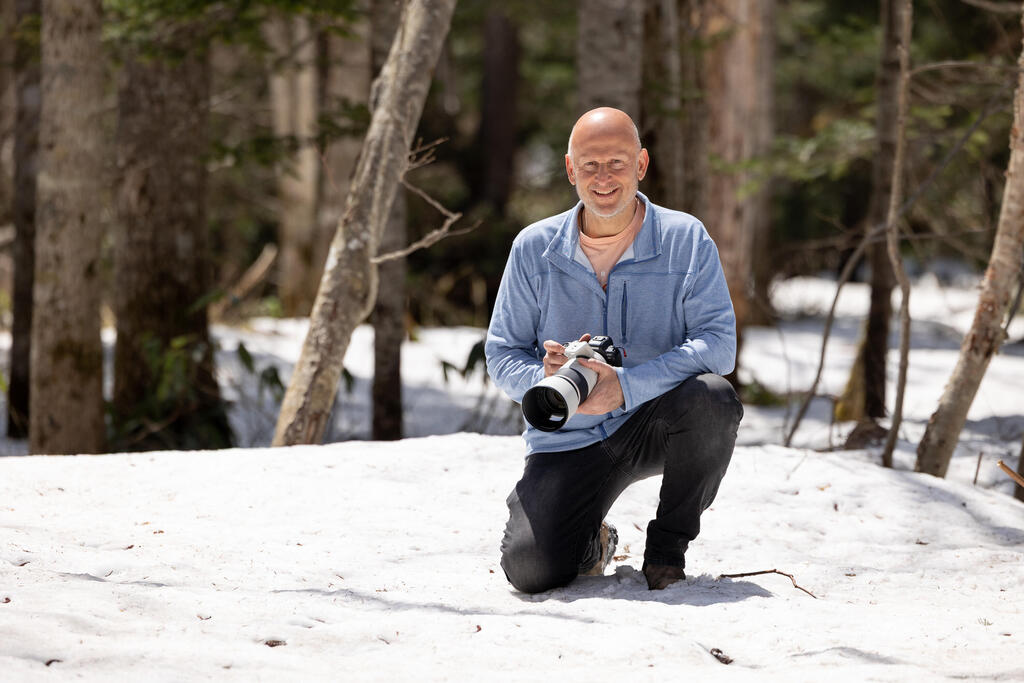
Rafi Koren
(Photo: Orit Guterboim Fertuk)