

Forget the Maldives or the Alps. The hottest destination shaping up for 2032 is 384,000 kilometers away. While most people his age are still figuring out their path in life, 22-year-old pilot and entrepreneur Skyler Chan is already advancing ambitious plans to build the first inhabited hotel in history on the surface of the moon.
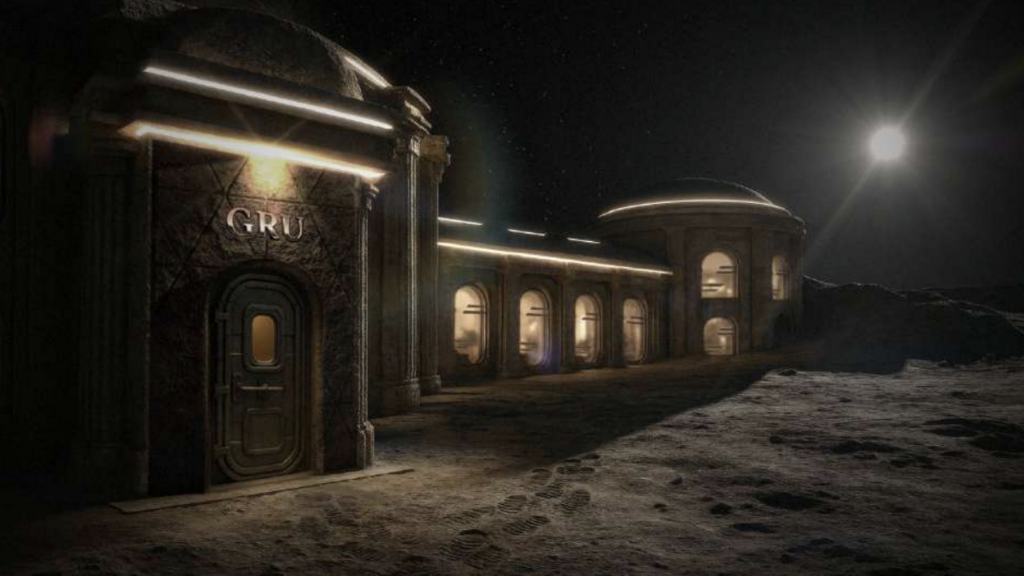
Printed suite inside a cave
Unlike the familiar image of exposed glass domes, the hotel will not be built on the surface. Guests will stay inside “lava tubes,” natural underground caves that provide protection from radiation and meteorites. The hotel will operate as a boutique property with just four suites.
The major innovation lies in the construction method. To avoid the enormous cost of transporting materials, the company plans to use 3D printers that turn lunar regolith, moon dust, into a strong building material. The suites themselves will be inflatable modules coated with this protective layer and will include large observation windows offering a direct view of Earth.
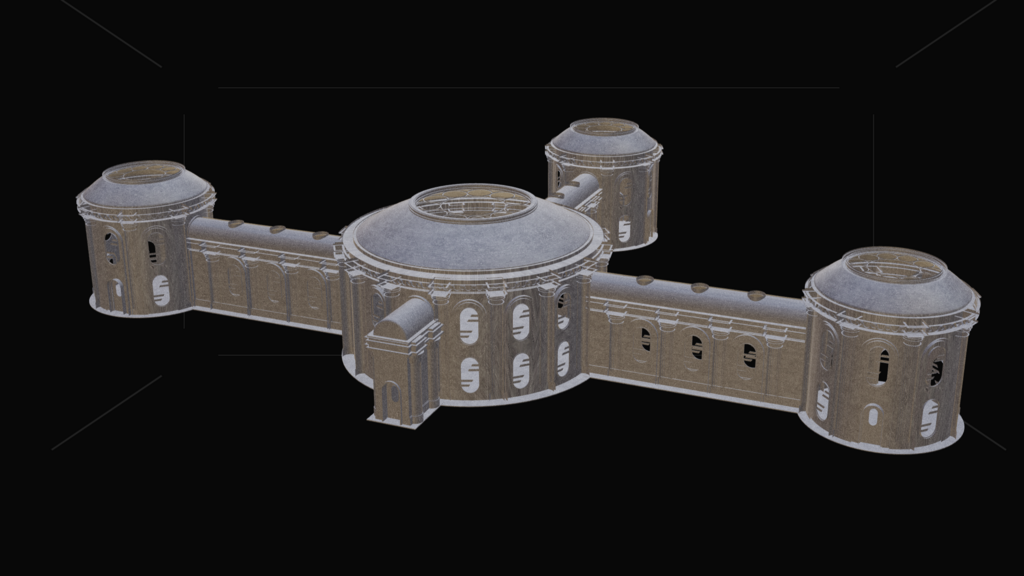
(Illustration: www.gru.space)
Moonwalks, golf and off-road rides
Staying at the hotel is designed to be more than just gazing out the window. It is planned as a theme park of experiences unavailable anywhere else in the universe.
It starts with guided “moonwalks.” Guests will wear modern, relatively lightweight space suits and head out on foot tours across the lunar surface. Thanks to the moon’s low gravity, just one-sixth of Earth’s, every step becomes a gentle leap, an experience previously reserved for a handful of historic astronauts.
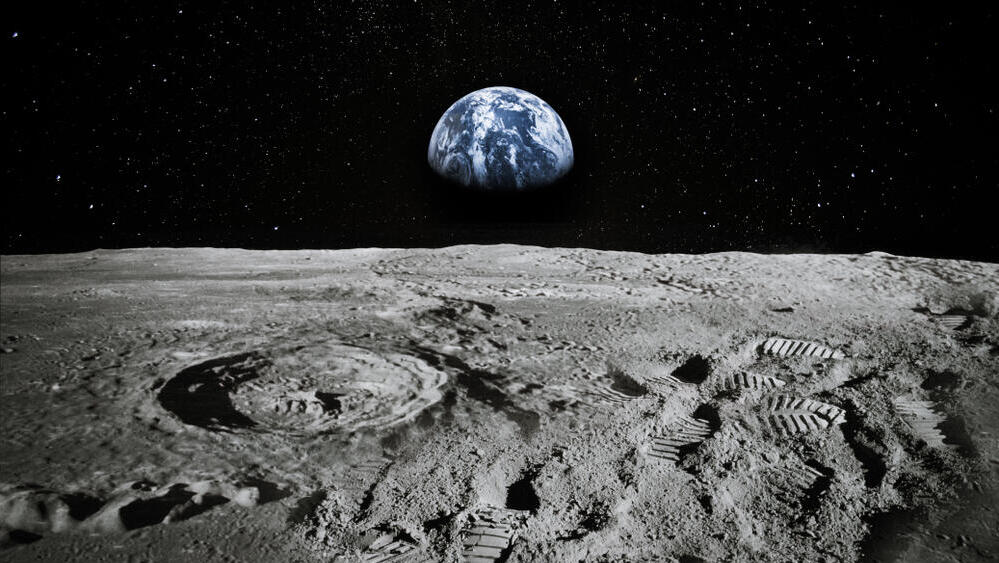
A view of Earth
(Photo: shutterstock / Elena11)
For thrill-seekers and sports enthusiasts, two main attractions are planned: off-road driving in open rovers through craters and ancient basalt landscapes, and golf in low gravity, the only place where even an amateur can send a ball flying for kilometers with little effort.
In the culinary arena, GRU Space is planning a small revolution. Instead of relying solely on dried or preserved food, the hotel will operate advanced hydroponic greenhouses inside the complex. That means that 384,000 kilometers from home, guests could enjoy fresh vegetable salads, strawberries and herbs picked minutes before a meal, a striking contrast to the gray desolation outside.
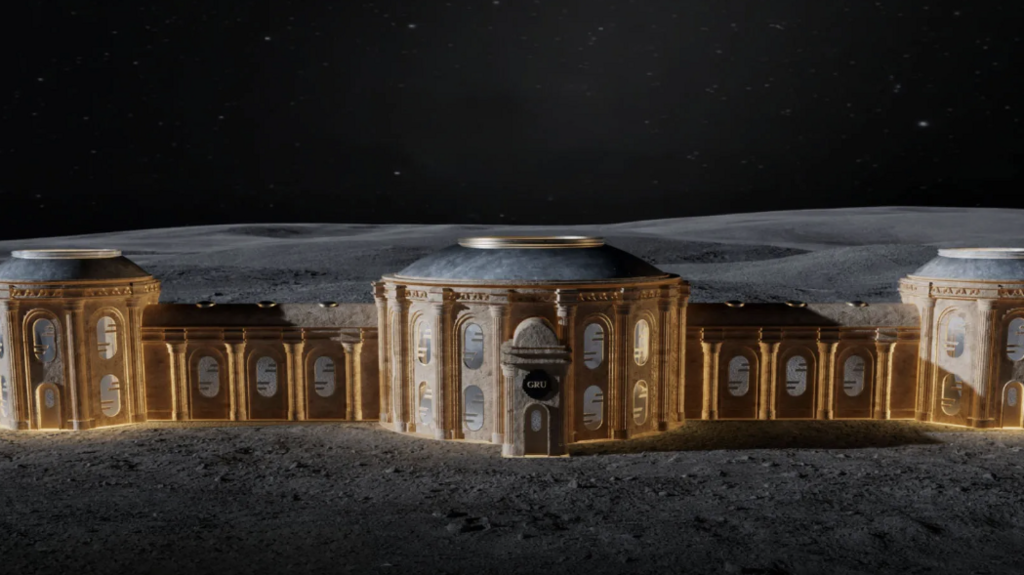
(Illustration: www.gru.space)
Bookings and prices: for the wealthy
At this stage, the waiting list is open to the general public and not just billionaires, at least initially. The official website allows anyone to reserve a spot on the list for $1,000. Those seeking serious priority, however, will need to pay far more. Deposits for preferred VIP tracks range from $250,000 to $1 million.
The final price of the full vacation has not yet been published and is expected to be astronomical. The company believes that as infrastructure expands to host 10 people or more, prices will eventually decline.
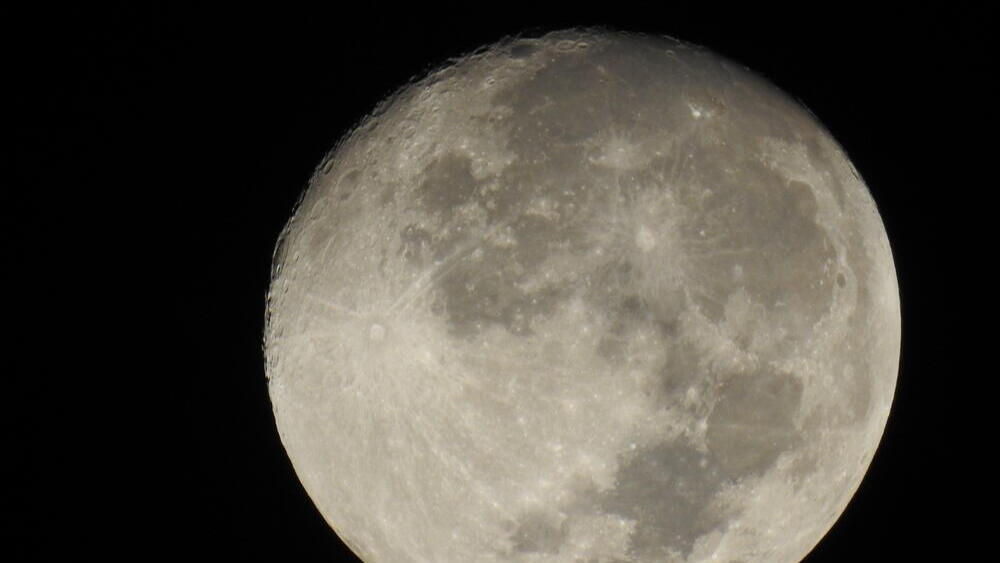
The moon
(Photo: AnithamRaju Yaragorla/Shutterstock)
First check-in: 2032
The plan is led by Chan, a 22-year-old entrepreneur and pilot who has already gained experience in software development at Tesla and in printer design at NASA. Unlike other speculative ventures, Chan comes with substantial backing. The company was accepted into the prestigious Y Combinator accelerator and received support from chip giant Nvidia.
On the scientific front, Chan is also not alone. The team includes globally recognized experts such as Dr. Kevin Cannon, a specialist in lunar soil, and Dr. Robert Lillis of the Space Sciences Laboratory at Berkeley, alongside engineers from SpaceX.

Skyler Chan (center) with the project team
(Illustration: www.gru.space)
Their goal is to use the hotel as a “beachhead product” to prove economic feasibility, paving the way for Chan’s broader vision of turning the moon into Earth’s “eighth continent,” a place where billions of people could one day live and work.
According to the planned timeline, an initial payload to test construction technology will be sent in 2029. In 2031, robots will land to locate a suitable cave. In 2032, if everything goes according to plan, the hotel will open its doors to its first guests.