


Israel’s Foreign Ministry issued a warning overnight Sunday to Israelis planning to travel to the Netherlands, following reports of customs inspections of luggage belonging to passengers arriving on flights from Israel.
The ministry warned that travelers could encounter “long and invasive baggage checks” following the introduction of a Dutch measure barring goods originating in Israeli settlements in the West Bank, including East Jerusalem, and the Golan Heights.
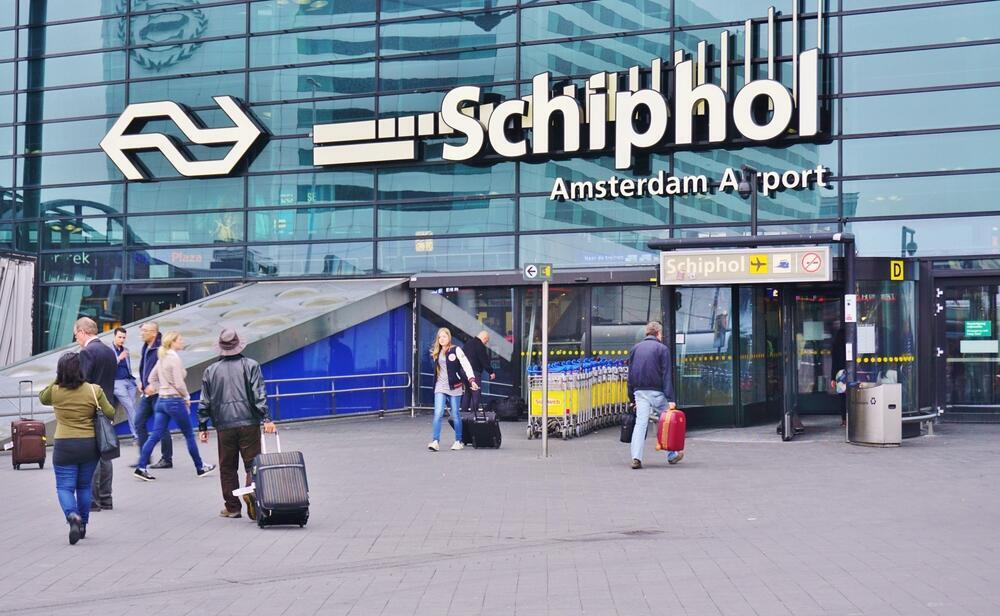
Schiphol Airport
(Photo: Shutterstock)
The measure took effect on Sept. 22 and applies to goods carried in personal luggage as well as commercial imports. According to the Foreign Ministry, violating the order is a criminal offense that could result in fines or imprisonment.
“In recent days, the Foreign Ministry has received reports of customs inspections of luggage belonging to passengers who arrived in the Netherlands on flights from Israel,” the ministry said. “These reports are being examined, including the scope of the inspections and the manner in which the order is being implemented in practice.”
The ministry added that the Israeli government “views this seriously and has taken responsive measures,” saying both the Foreign Ministry and Israel’s embassy in The Hague were monitoring developments and would update the public.
The Dutch measure prohibits bringing into the country goods originating wholly or partly in Israeli settlements covered by the order. Dutch Customs says the prohibition also applies to souvenirs, gifts and products intended for personal use, and advises travelers to retain packaging, labels or documents showing a product’s origin.
Passengers arriving on a direct flight from Tel Aviv to Amsterdam’s Schiphol Airport told ynet over the weekend that they had undergone unusually strict inspections after landing.
According to the conservative Dutch website Nieuwsrecht, passengers were required to put their luggage through an X-ray machine. Travelers said customs officials asked about wine, dates, olives and other products that could have originated in areas covered by the new restrictions.
There was initially no official confirmation that Dutch authorities had begun conducting special inspections targeting passengers arriving from Israel. Dutch Customs, however, says officers are authorized to inspect travelers’ luggage to enforce the new measure and may ask passengers about the origin of goods they are carrying.
A member of Amsterdam’s Jewish community told ynet that the checks appeared to be part of regular random customs inspections rather than a broader operation targeting entire flights.
“These were regular random customs checks. They weren’t checking entire flights, and there was no increased inspection,” he said. “No one is expected to be arrested. The procedure itself isn’t entirely clear.”
Another community member said the number of passengers selected for inspection did not appear unusual, but added that it was the first time travelers arriving from Israel had been questioned about products from the West Bank and Golan Heights.
Passengers cited in the earlier report also complained about the conduct of some customs officials. According to local reporting, one passenger approached an officer and said: “Listen, mate, they’re from Israel. They don’t speak Dutch.”
The officer responded angrily and, according to the testimonies, shouted: “Shut the fing hell up, shut the fing hell up and wait.”
One Israeli due to fly to the Netherlands next week said the reports had left him concerned about the possibility of having to prove where products in his luggage originated.
The Dutch measure, published in July and effective from Sept. 22, prohibits the import, purchase and sale of goods originating in settlements covered by the order, as well as services facilitating such trade and attempts to circumvent the restrictions.
The Dutch government says the measure applies to settlements and outposts in the West Bank, including East Jerusalem, and the Golan Heights that are included on an EU postcode list. Dutch Customs says travelers carrying prohibited goods may have them seized and a report filed, after which prosecutors decide whether further criminal action is warranted.
Israel has also taken diplomatic measures in response. Foreign Minister Gideon Sa’ar informed the Dutch Embassy in Israel that Dutch diplomats operating in Ramallah would be required to return diplomatic documentation issued by Israel within seven days. According to Sa’ar, the immunities and privileges granted under those documents would then expire.
Sa’ar said the Netherlands could continue representing its interests with the Palestinians from Palestinian Authority territory rather than from Israeli territory.