

We are lucky to live just a few hours by plane from Europe. The continent is packed with must-see sites every tourist checks off a list, but sometimes the places we remember are far off the usual route: a small lake tucked between mountains, or a side street in a town whose name is hard to pronounce.
That idea guided the editors at Time Out in their annual ranking. Instead of producing another generic list, they turned to their travel writers, who practically live out of a suitcase and have seen almost everything, asking each to choose the one place in Europe that most captivated them. The result is a list of 36 destinations with a story, from Iceland to Greece, many of which probably are not on your radar.
The top 10
From all the recommendations gathered from the magazine’s writers, these are the 10 places that reached the top of the ranking. The list offers a varied mix of lakes, historic villages, natural wonders and striking architecture.
Lake Ohrid, North Macedonia
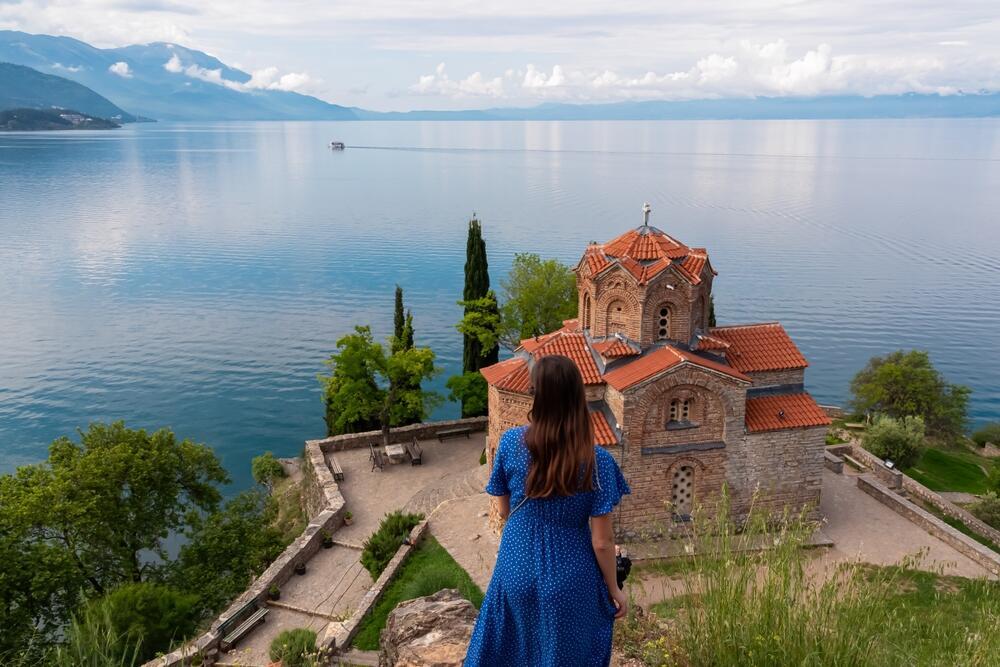
Opening the top 10 is Lake Ohrid, one of Europe’s oldest and deepest lakes, located on the border between North Macedonia and Albania. It is so unique that UNESCO declared it a World Heritage Site, for both its natural value and history. Its clear waters are home to more than 200 species of plants and animals found nowhere else in the world, while ancient, picturesque churches dot its shores.
"Europe’s oldest natural lake straddles the border between two wildly underrated destinations. It doesn’t get much better than the view of the 13th-century Church of St. John at Kaneo backed by the cerulean grace of the lake. It is a truly spectacular sight,” Time Out wrote in explaining the choice.
Lake Ohrid, North Macedonia
(Photo: Christopher Moswitzer / Shutterstock)
Saturnia hot springs, Tuscany, Italy
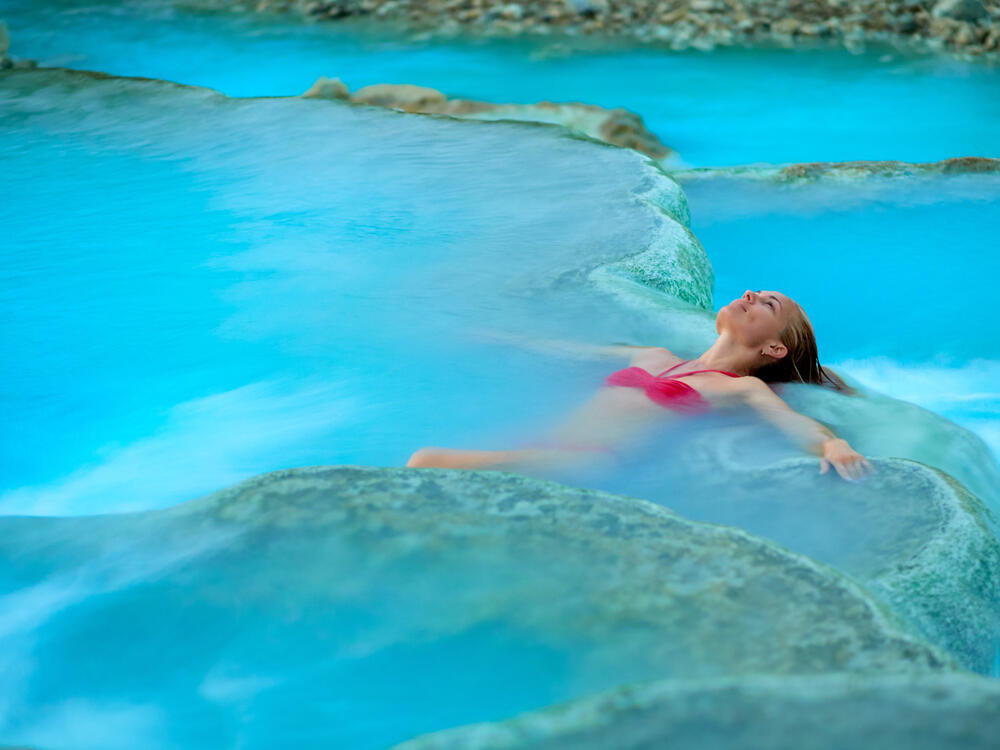
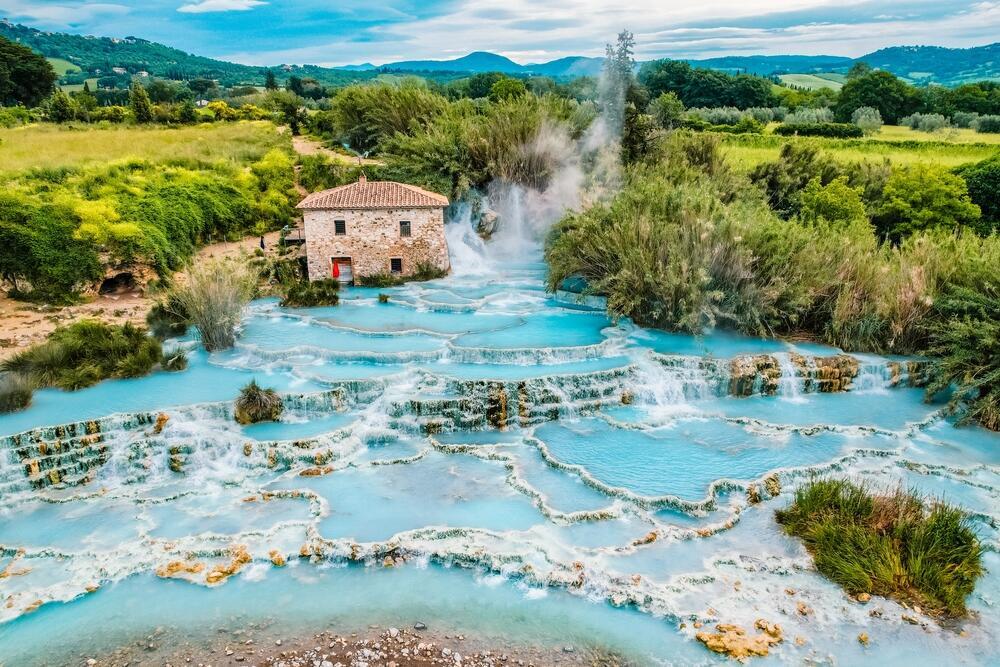
In the heart of Tuscany’s Maremma region lies one of Italy’s best-known and most beloved natural spa sites. The sulfur springs rise from the ground at a constant 99.5 degrees Fahrenheit (37.5 degrees Celsius) year-round. The water flows over limestone, creating a series of terraced pools and natural waterfalls that are open to the public for free.
Time Out described the experience as "Reminiscent of Turkey’s famous Pamukkale,” with springs that cascade down the hillside and bubble at a comfortable temperature. The Romans, the magazine noted, even believed they had mythical healing powers.
Saturnia hot springs
(Photo: Trabantos / Shutterstock)
Giant’s Causeway, Northern Ireland
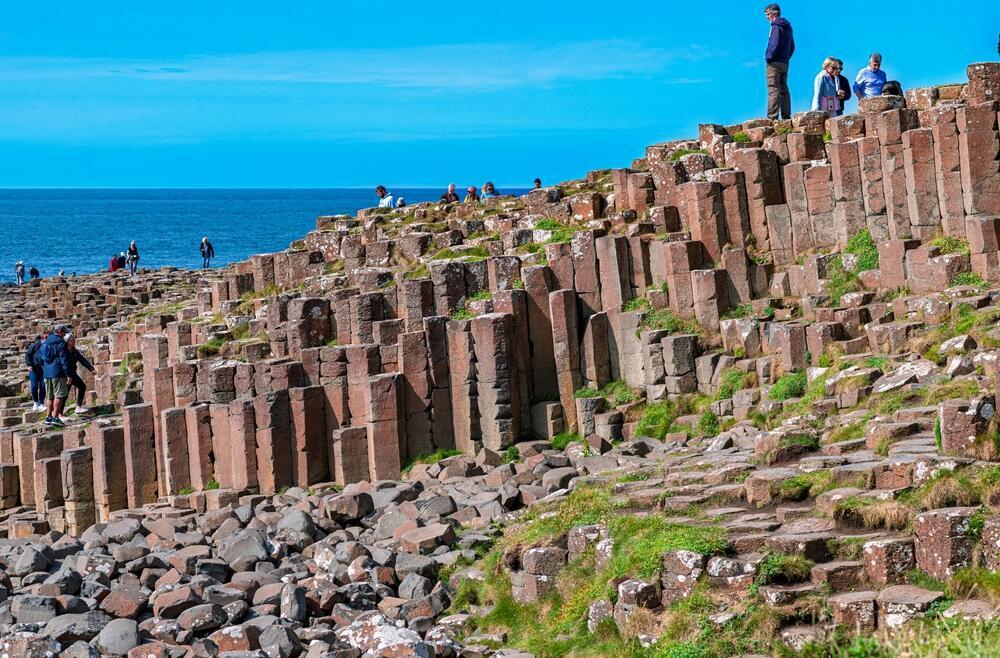
This spectacular natural site on Northern Ireland’s northern coast looks as if it were taken from a fantasy film. It features about 40,000 interlocking hexagonal basalt pillars that fit together like a giant puzzle and descend into the sea, a formation created by a volcanic eruption millions of years ago.
Time Out was no less impressed: "Legend and land combine in an awe-inspiring way. A visit proves that it’s magnificent enough to be a feat of ancient engineering. The best part? Visitors can hop, skip and jump across the pillars freely."
Giant’s Causeway, Northern Ireland
(Photo: Ba_peuceta / Shutterstock)
Alberobello, Puglia, Italy
This southern Italian town is famous worldwide for its trulli, small whitewashed stone houses with conical roofs. The distinctive homes were built using an ancient mortar-free technique, and their cluster in the town is now recognized as a UNESCO World Heritage Site.
"I don’t use ‘fairytale town’ liberally, but towns really don’t get much more whimsical than Alberobello," Time Out wrote, "houses look like they’d home hobbits rather than humans.”
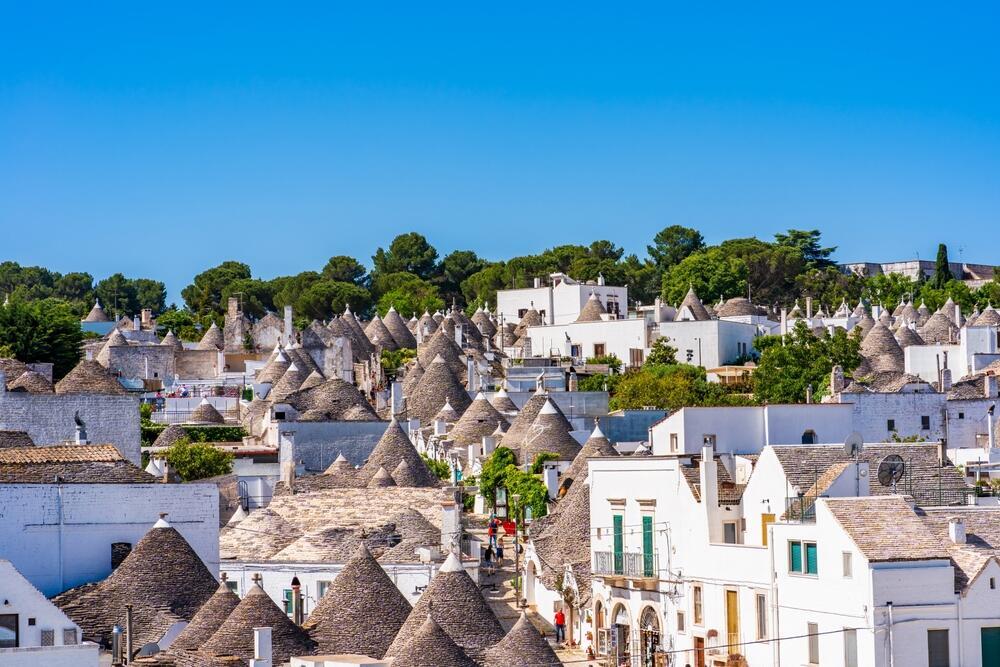
Alberobello, Puglia, Italy
(Photo: BBA Photography / Shutterstock)
Počitelj, Bosnia and Herzegovina
The ancient village of Počitelj sits on a steep hillside above the Neretva River and feels like a place frozen in time. It combines medieval architecture with Ottoman-era influences, including an old fortress, a large mosque and a clock tower.
"What was once a village has become something of an open-air museum, a none-more-picturesque settlement frozen in time," Time Out wrote. It is "punctuated by minarets, exquisite gardens, historic architecture, and some of the best views of the Neretva River you could ask for."
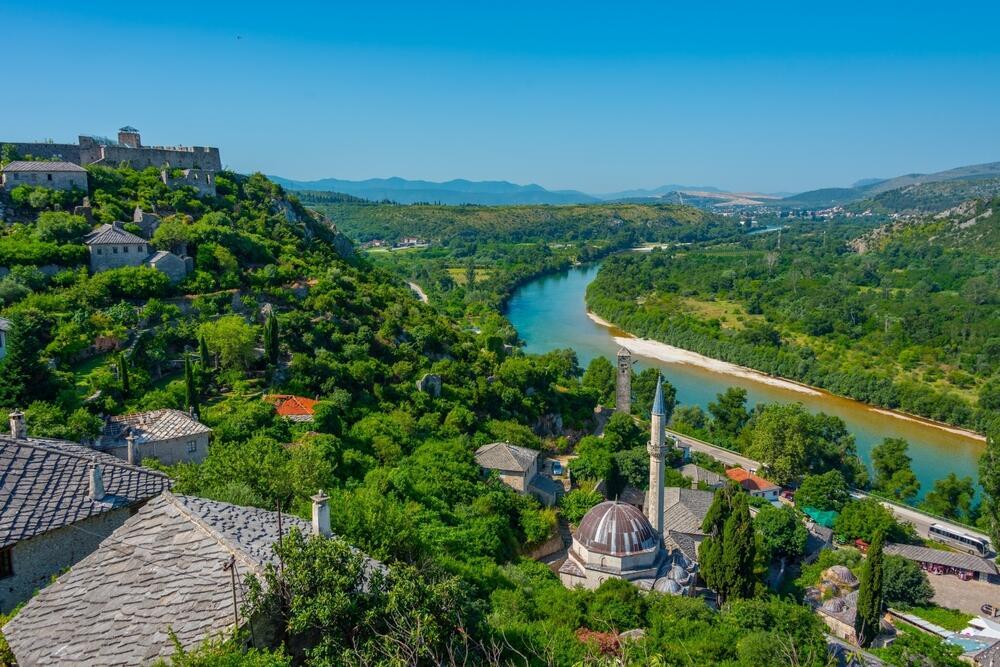
Počitelj, Bosnia and Herzegovina
(Photo: trabantos / Shutterstock)
The Norwegian fjords, Norway
The fjords are probably Norway’s most recognizable natural landmark: deep, narrow valleys flooded by seawater and formed by the movement and erosion of massive glaciers during the Ice Age. Steep cliffs, green mountains and roaring waterfalls surround them.
"Fjords exist in only a handful of countries, and Norway is home to the longest, deepest and most spectacular," Time Out wrote. "It is the type of scenery that will make you audibly gasp."
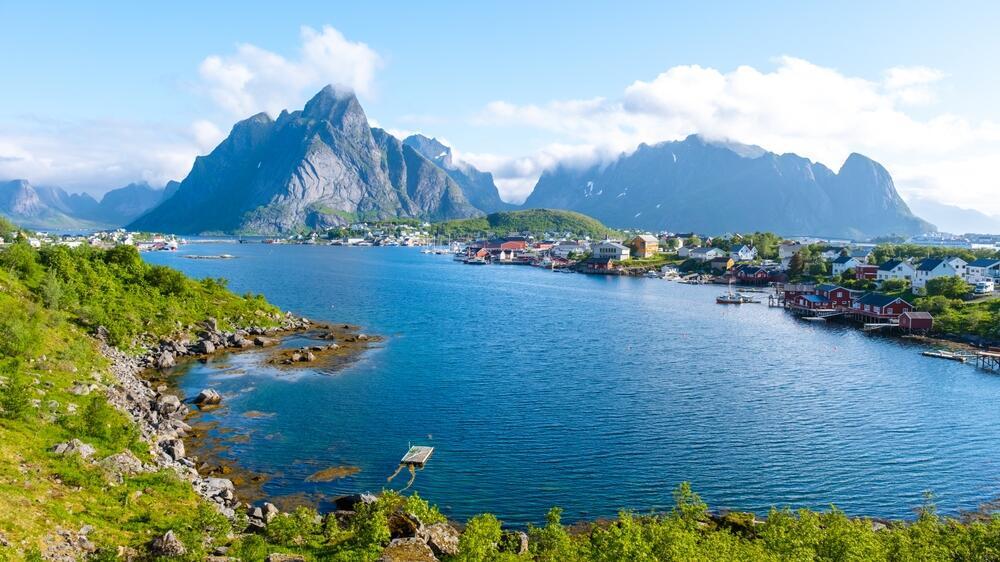
The Norwegian fjords, Norway
(Photo: fokke baarssen / Shutterstock)
Kew Gardens, London, UK
The Royal Botanic Gardens, Kew, are far more than just another beautiful park. They contain one of the largest, most diverse and most important plant collections in the world, with more than 50,000 living plants and historic structures such as a towering Chinese pagoda and impressive Victorian greenhouses.
It is "a 326-acre slice of horticultural heaven," Time Out wrote. "While there’s much to see here, the best way to do it is simply by wandering the paths. Let them take you to the bamboo and Carbon Garden, the greenhouses and the neck-breaking Great Pagoda."
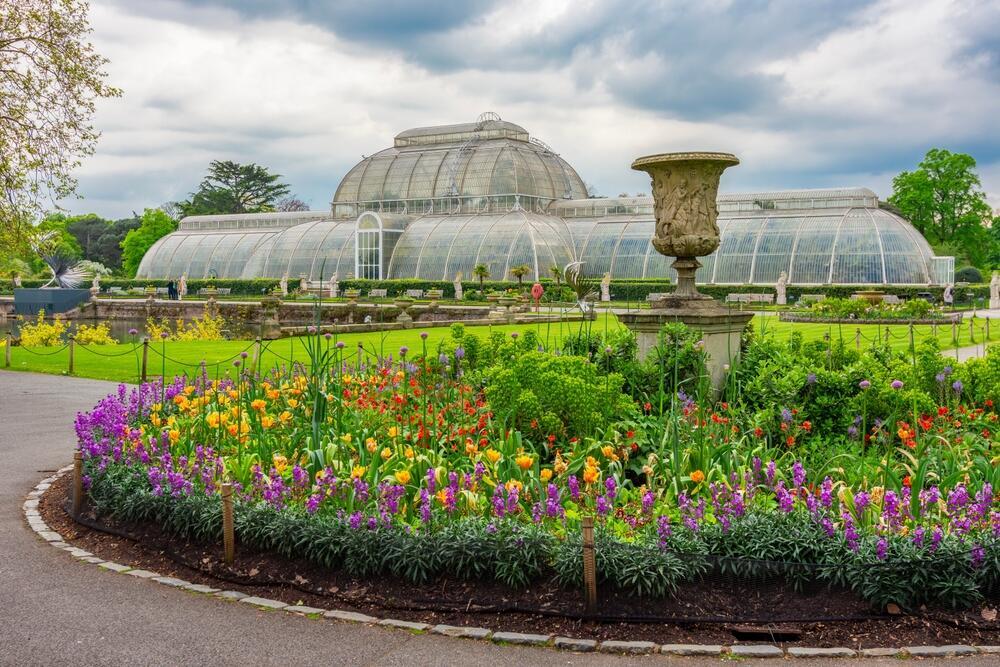
Kew Gardens, London, UK
(Photo: Mistervlad / Shutterstock)
Prinsengracht canal, Amsterdam, Netherlands
Of the three main canals circling Amsterdam’s historic center, Prinsengracht, or the Prince’s Canal, is the longest and outermost. It was dug in the 17th century, and along it are the city’s classic canal houses and colorful houseboats.
Time Out was charmed: "You might have seen it on countless postcards, desktop backgrounds and Instagram stories, but no over-exposure will ever take away the feeling of walking Amsterdam’s canals. Pure romance, I tell you."
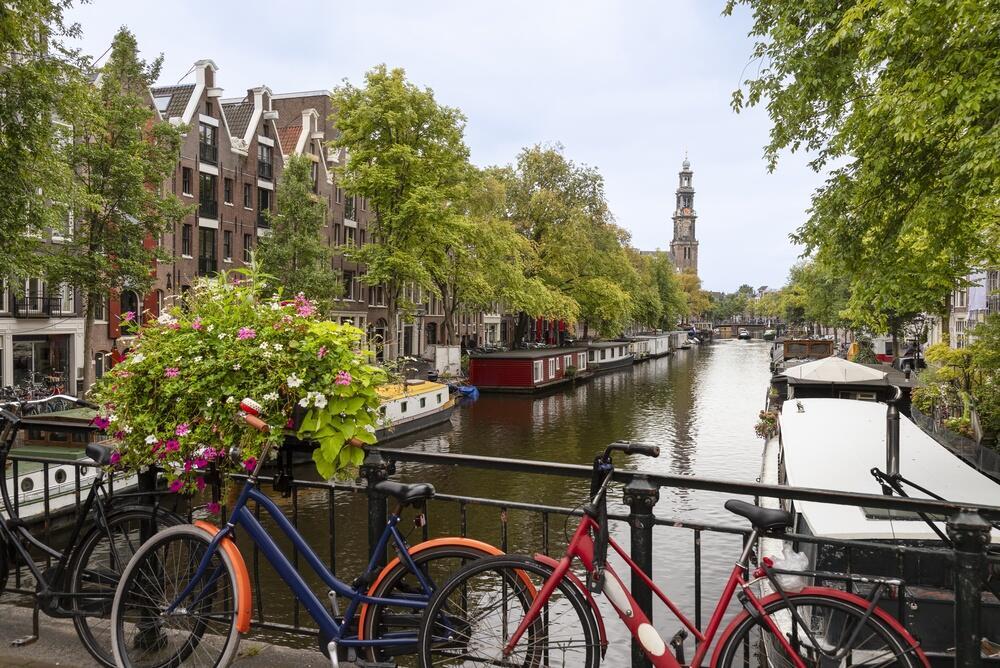
Prinsengracht, Amsterdam
(Photo: Wolf-photography / Shutterstock)
Mosel Valley, Germany
The Mosel River Valley is one of Germany’s oldest and most romantic wine regions. The river winds for miles between picturesque villages, with steep slopes on both sides covered in vast vineyards and ancient castles perched on hilltops.
"Forget the wine regions in France and Italy," Time Out declared. "Germany’s Mosel Valley is an equally impressive place to soak up rolling hills, fairytale castles and a wine bar or two along the country's prettiest river."
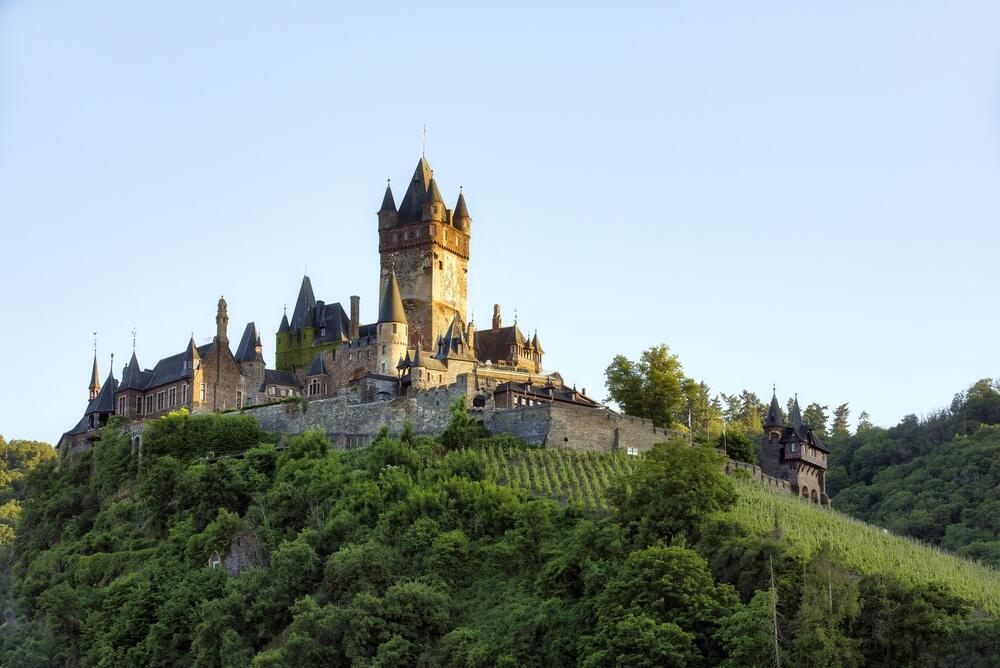
Mosel Valley, Germany
(Photo: Rolf E. Staerk / Shutterstock)
Casa Batlló, Barcelona, Spain
This dazzling building in central Barcelona is one of the great masterpieces of famed architect Antoni Gaudí, who transformed it into a colorful work of art with almost no straight lines. Its facade is covered in shimmering mosaic, and its roof is shaped like the back of a dragon.
"No, it’s not the new set of a live-action Disney movie,” Time Out wrote. "It incorporates a blend of marine and fantasy themes. Looking down into the inner courtyard looks like the checkered vortex-like rabbit hole Alice in Wonderland tumbles into."
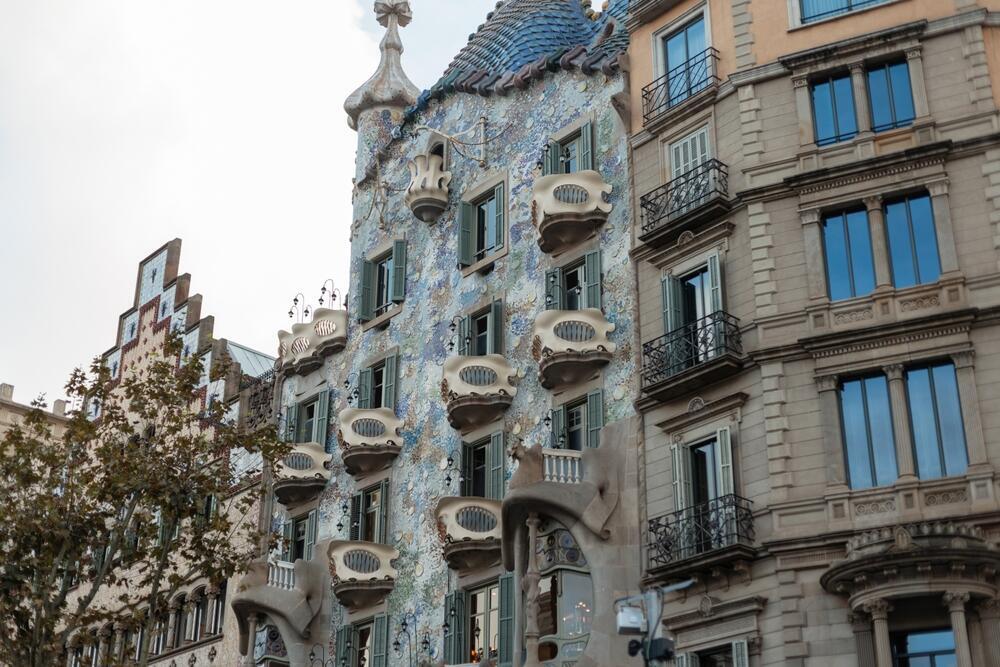
Casa Batlló, Barcelona, Spain
(Photo: Alones / Shutterstock)
A giant dune in the middle of Europe
The rest of the list continues to move across dozens of intriguing destinations around the continent, from remote islands to wild nature trails.
In 11th place is Montenegro’s Our Lady of the Rocks, known as one of the region’s most unusual pilgrimage sites, originally built artificially by sailors who laid stones in the bay. In 12th place is the old Croatian town of Motovun, known for its medieval architecture and endless vineyard views.
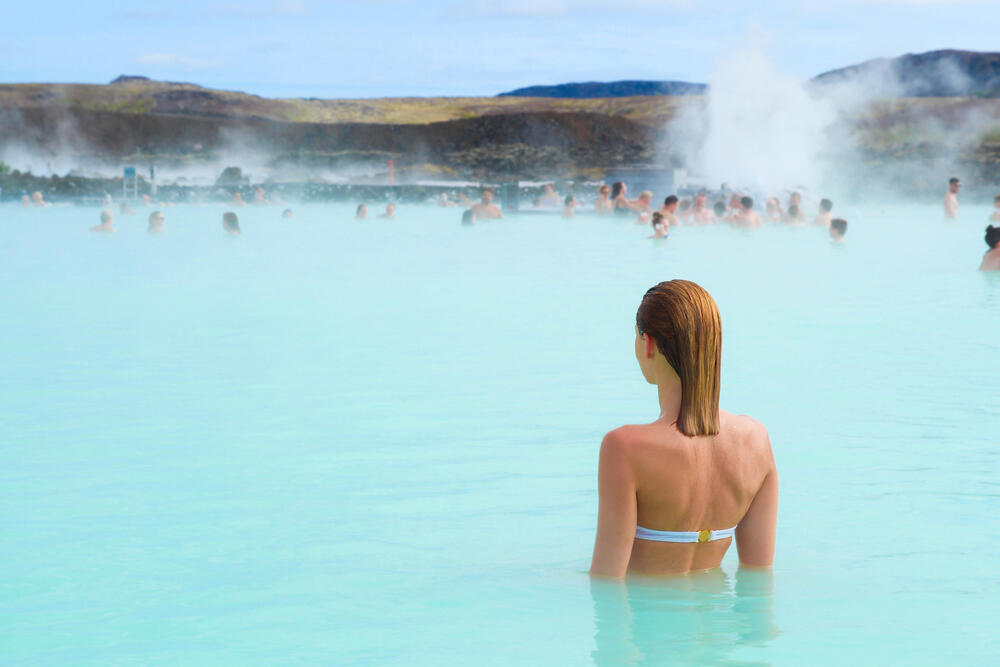
Blue Lagoon, Iceland
(Photo: Shutterstock)
In 13th place is Iceland’s Blue Lagoon, followed by the Swiss ski town of Zermatt in 14th, watched over by the majestic Matterhorn. Rounding out that group in 15th place is Albert Street in Riga, Latvia, known as one of Europe’s densest and most impressive centers of Art Nouveau architecture.
Further down the ranking, in 16th place, is Sighișoara, Romania, one of the best-preserved and most picturesque medieval artisan towns. The 17th spot belongs to the UK’s Peak District, a national park with dramatic cliffs, hiking trails and broad valleys. In 18th place is another Blue Lagoon, this one on Malta’s island of Comino, with sparkling turquoise waters and a sandy seabed. Slovenia’s Lake Bled takes 19th place, with its picturesque island at the center, while 20th place goes to Jajce in Bosnia and Herzegovina, home to powerful waterfalls plunging from a height of 72 feet.
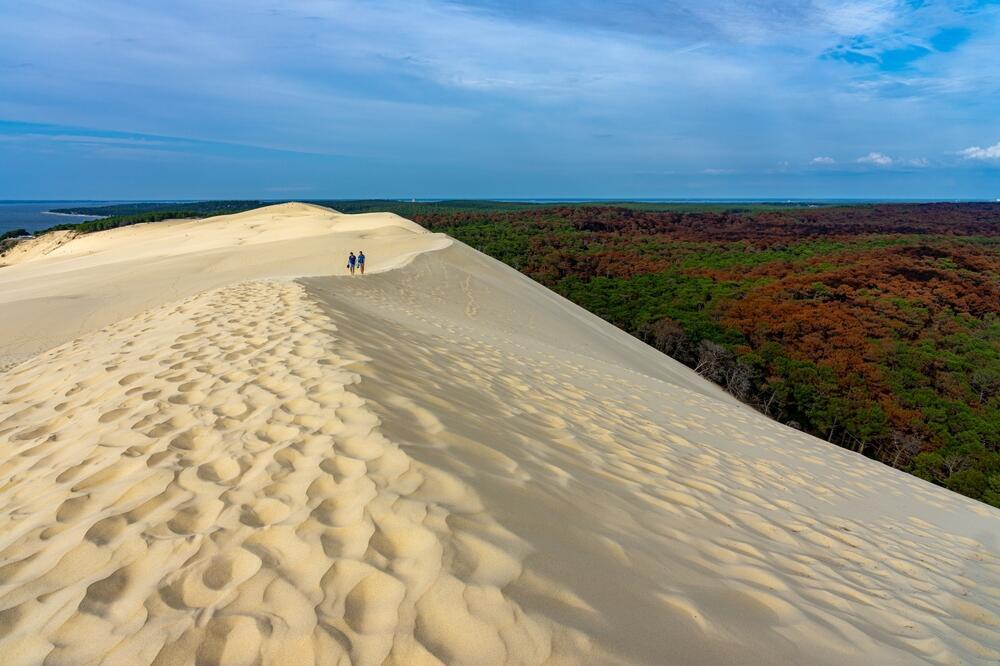
Dune du Pilat, France
(Photo: Frank Lambert / Shutterstock)
The next section of the list opens in 21st place with Hagia Sophia in Istanbul, Turkey, one of the world’s oldest and most magnificent former cathedrals, now a mosque. In 22nd place is Jardim do Morro in Porto, Portugal, offering some of the city’s best sunset views. The 23rd spot belongs to the Unité d’Habitation in Marseille, France, an architectural gem designed by Le Corbusier as a kind of futuristic vertical village. In 24th place is Iceland’s Vestmannaeyjar archipelago, with towering cliffs that feel like the edge of the world, followed by Britain’s Isles of Scilly in 25th, known for white-sand beaches and turquoise waters.
The 26th spot goes to the wild and secluded Xerokampos beach in Crete, Greece. In 27th place is the picturesque fishing village of Fjällbacka in Sweden, also known as Ingrid Bergman’s “paradise on earth.” In 28th is the mountainous coastal town of San Vito Lo Capo in Sicily, followed in 29th by Switzerland’s Col d’Avouillon mountain pass, overlooking a vast glacier that is gradually disappearing. The 30th spot goes to Europe’s tallest dune, France’s Dune du Pilat, which rises to 338 feet.
Near the end of the list, in 31st place, is Britain’s South West Coast Path, stretching for about 630 miles of spectacular scenery. In 32nd is the charming winter garden of the Glyptotek museum in Copenhagen, Denmark. The 33rd spot belongs to Schlachtensee, a lake wrapped in old forest on the outskirts of Berlin. In 34th are Scotland’s Arrochar Alps. In 35th is the Wilderness Road in Swedish Lapland, offering a spectacular drive through untamed nature. Closing the list in 36th place is the small, romantic Italian island of Giglio in Tuscany, known as an unspoiled and quiet destination far from the crowds.