

After decades of meticulous restoration, Egypt has reopened the tomb of Pharaoh Amenhotep III in the Valley of the Kings—less than a month before the official inauguration of the Grand Egyptian Museum near the pyramids of Giza, set to open on November 1.
The massive tomb of Amenhotep III, who ruled ancient Egypt from 1390 to 1350 BCE, has drawn crowds of visitors since its reopening. Located on the western side of the Valley of the Kings, the tomb was discovered in 1799 by two explorers but was later looted, including the removal of its sarcophagus, according to Egypt’s Supreme Council of Antiquities.
Mohamed Ismail, secretary-general of the council, said the site has been at the center of a three-phase restoration project over the past two decades, which included the reconstruction of wall paintings depicting the ninth king of Egypt’s 18th dynasty and his queens.
The tomb begins with a 36-meter-long descending corridor that reaches a depth of 14 meters beneath the valley. It contains a main burial chamber for the king and two additional rooms for his wives, Queens Tiye and Sitamun.
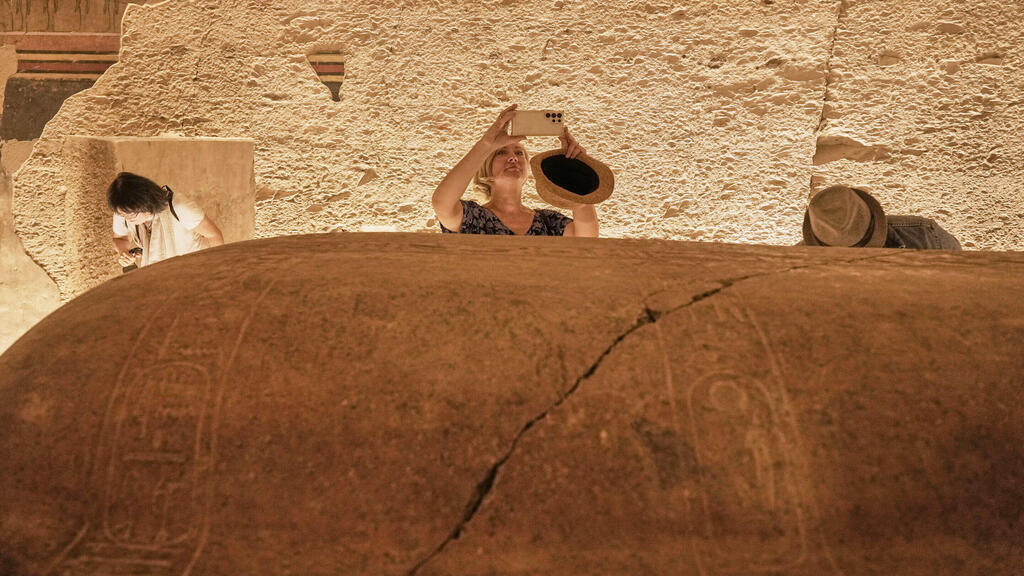
One of the visitors photographs the sarcophagus of King Amenhotep III, who ruled ancient Egypt between 1390 and 1350 BCE
(Photo: Amr Nabil/AP)
Unlike other royal tombs in the valley, where the pharaohs of Egypt’s New Kingdom—dynasties 18 through 20—were buried, Amenhotep’s tomb is not fully decorated. The paintings show the king alongside a group of ancient Egyptian deities, while the burial chamber contains inscriptions from the Book of the Dead, a collection of ancient funerary texts meant to guide the deceased through the afterlife with spells, advice and instructions to achieve eternal life.
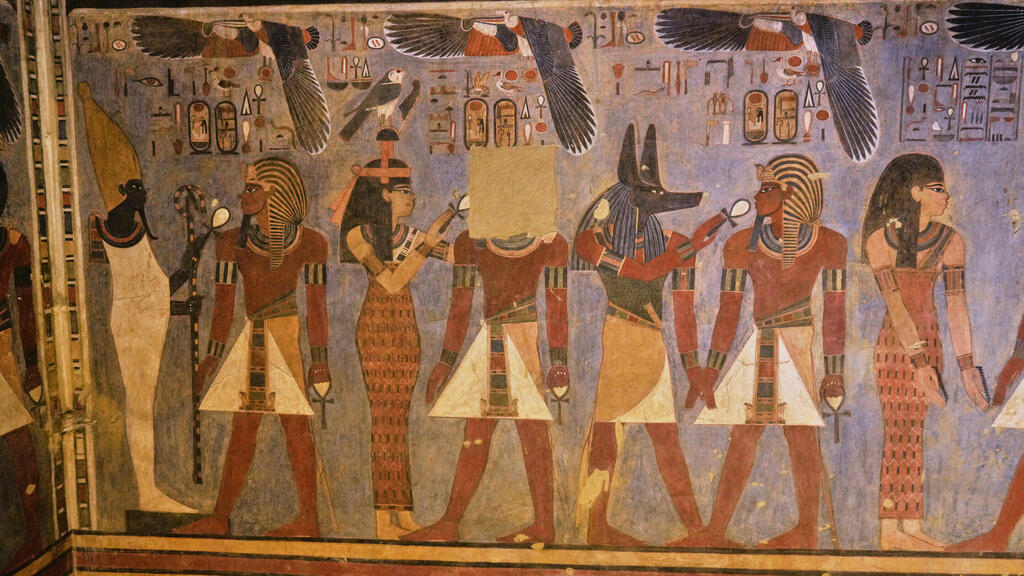
(Photo: Amr Nabil/AP)
Amenhotep III’s mummy was later moved by ancient priests to the tomb of his grandfather, Amenhotep II, also in the Valley of the Kings, according to the National Museum of Egyptian Civilization. The mummy, which suffered significant damage, is now displayed alongside 16 others belonging to 17 ancient Egyptian kings and queens.
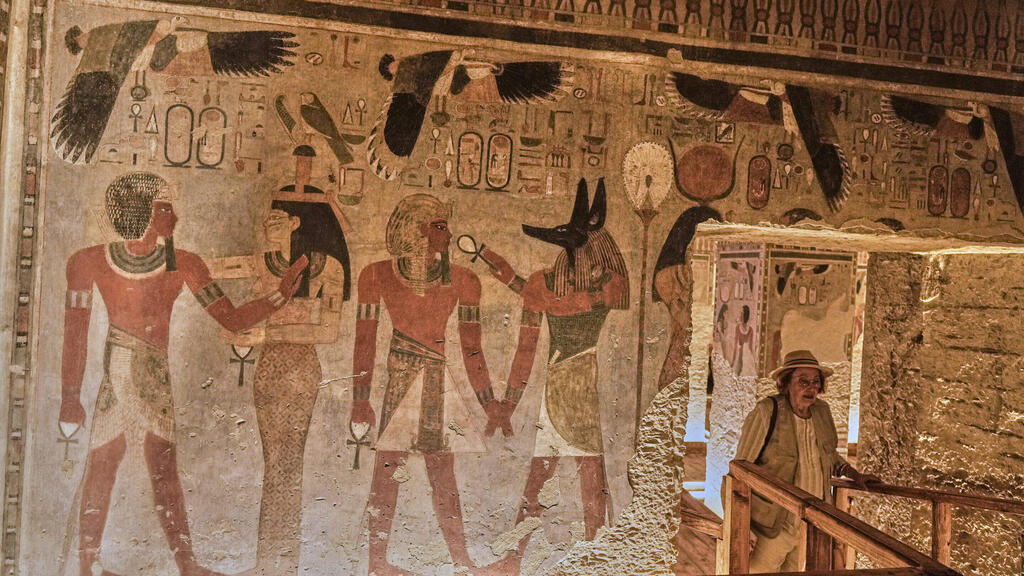
(Photo: Amr Nabil/AP)
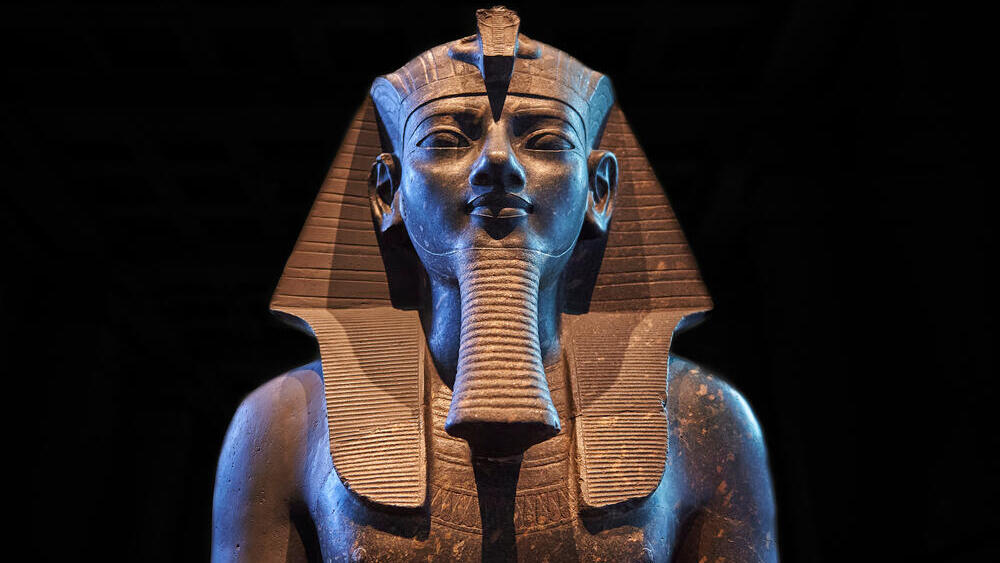
One of the most distinguished rulers of the 18th dynasty, Amenhotep III—also known as Amenhotep the Great—ascended the throne as a teenager and reigned for nearly four decades. His era is often regarded as a peak of Egyptian prosperity, diplomacy and artistic achievement.
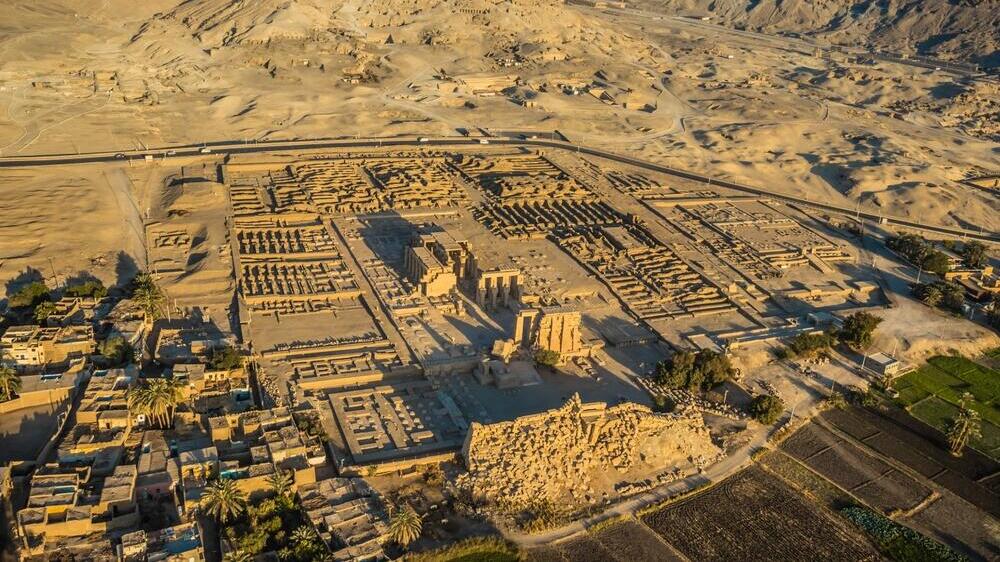
(Photo: Shutterstock)
The reopening of the tomb is part of Egypt’s broader effort to attract more international visitors and revive its tourism industry, a vital source of foreign currency. Tourism, heavily dependent on Egypt’s rich pharaonic heritage, suffered severe setbacks following the political upheaval and violence that erupted after the 2011 Arab Spring uprising.