

Israeli researchers marked the earliest signs of cooking by prehistoric humans to 780,000 years ago – predating the available data by some 600,000 years – when they found the remains of a “carp-like fish” at the Gesher Benot Ya’aqov archaeological site in northern Israel.
Published in the Nature Ecology and Evolution journal, the study was a joint effort by researchers from Tel Aviv University (TAU), the Hebrew University of Jerusalem (HU), and Bar-Ilan University (BIU), in collaboration with the Natural History Museum in London and Germany’s Johannes Gutenberg University.
3 View gallery
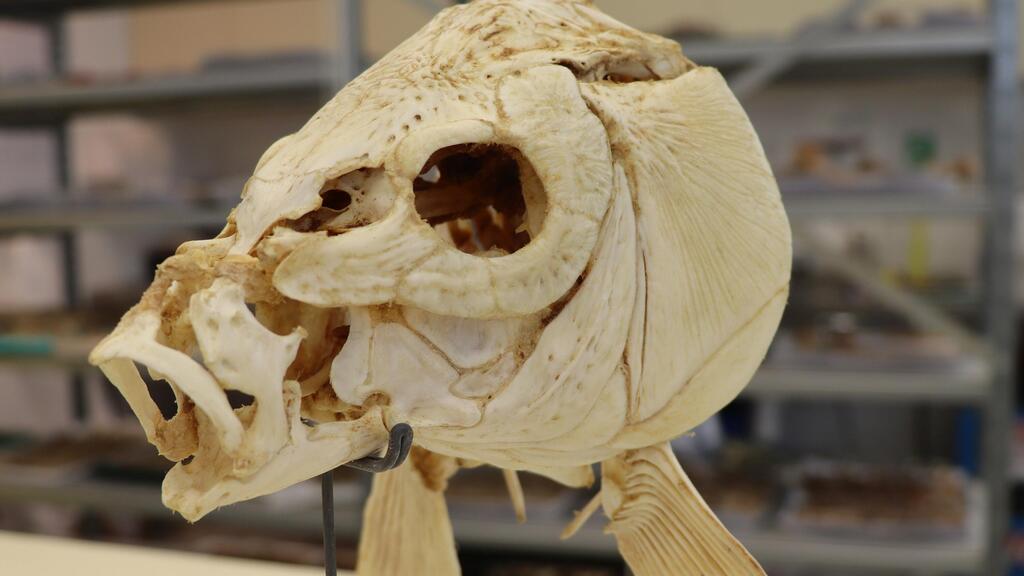
An example of the skull of a modern-day carp fish
(Photo: Natural History Collections, Steinhardt Museum of Natural History VIA Tel Aviv University)
Cooking is defined as the ability to process food by controlling the temperature at which it is heated and includes a wide range of methods.
The question of how early mankind began using fire to cook food has been the subject of much scientific debate for over a century, and until now, the earliest signs of cooking dated back to approximately 170,000 years ago.
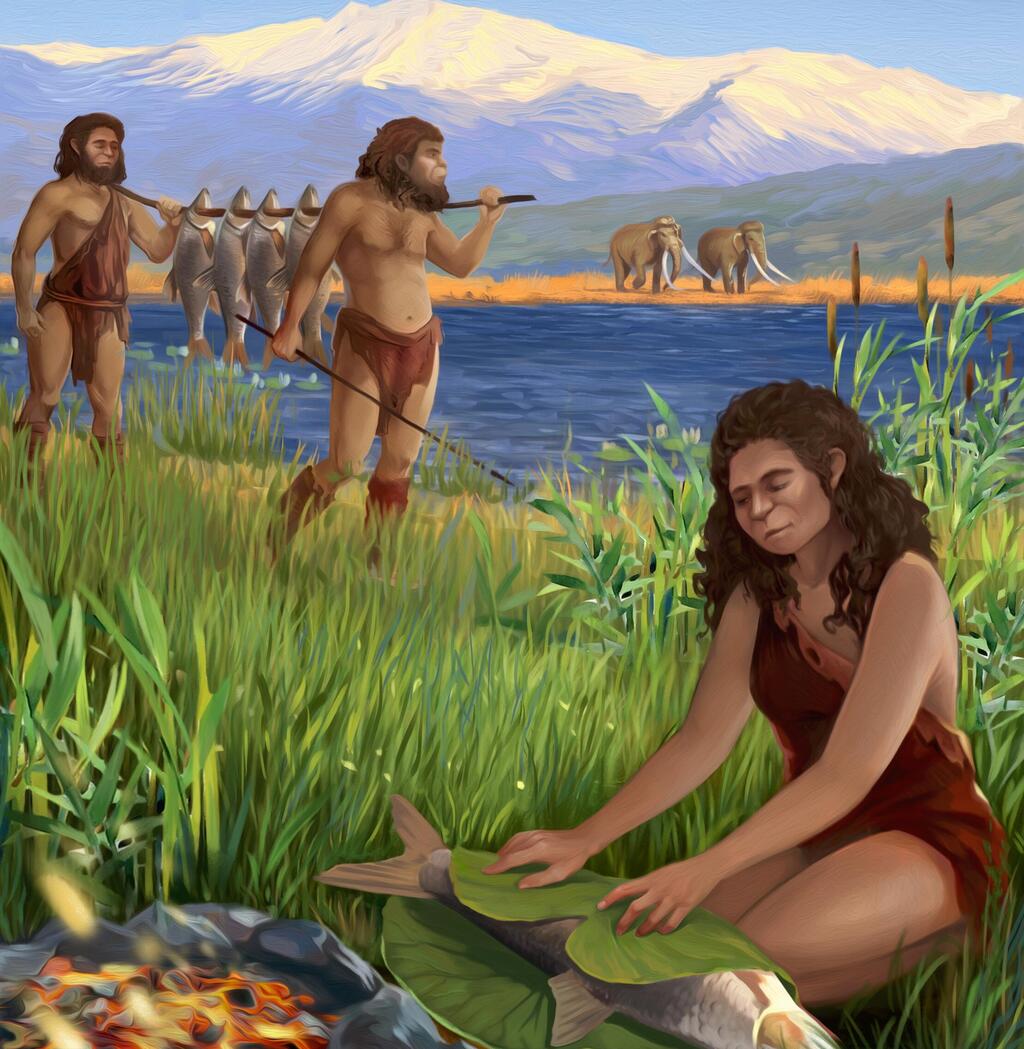
“The large quantity of fish remains found at the site proves their frequent consumption by early humans, who developed special cooking techniques,” said Dr. Irit Zohar of TAU and Dr. Marion Prevost of HU in a joint statement.
“These new findings demonstrate not only the importance of freshwater habitats and the fish they contained for the sustenance of prehistoric man, but also illustrate prehistoric humans’ ability to control fire in order to cook food, and their understanding of the benefits of cooking fish before eating it.”
The research team believes that the location of the freshwater areas where the fish remains – identified first by BIU Professor Nira Alperson-Afil – determined the route of the migration of early man from Africa to the Levant and beyond.
3 View gallery
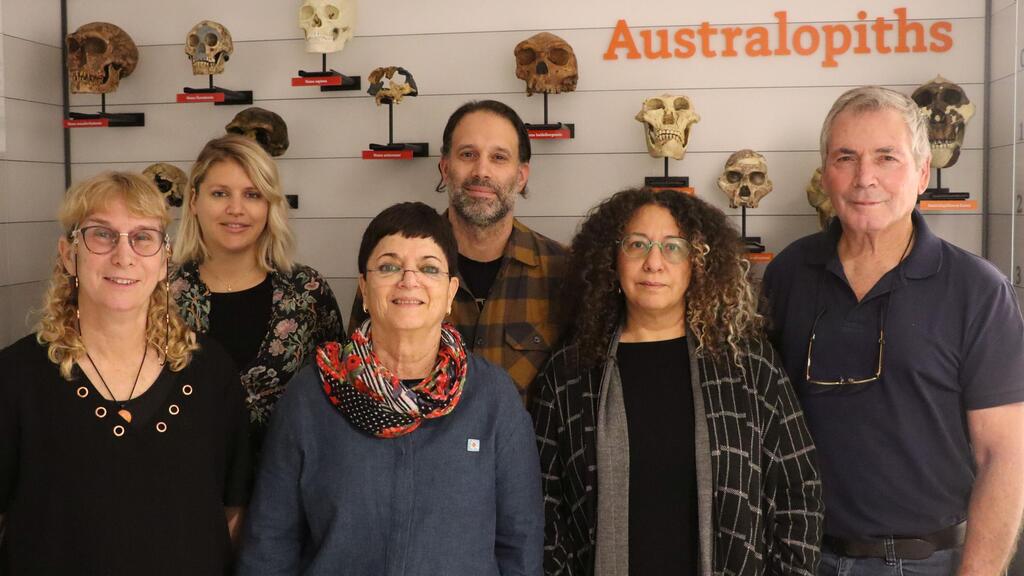
Israeli research team (L-R): Dr. Irit Zohar, Dr. Marion Prevost, Prof. Naama Goren, Dr. Guy Sisma-Ventura, Prof. Nira Alperson-Afil, and Prof. Israel Hershkovitz
(Photo: Tel Aviv University)
Exploiting fish in freshwater habitats, the team posited, was the first step of prehistoric humans’ route out of Africa, and cooking fish was an important foundation for the connection between mankind, the environment, climate, and migration.