

“We earned this the hard way. The State of Israel has neglected the Dead Sea region for decades, and it has neglected the periphery and Route 90, not to mention this natural resource placed in our care,” said Merav Ayalon of Ein Gedi in an interview on Monday, after the Dead Sea was ranked second on a global list of the world’s most disappointing tourist sites.
“Instead of creating a plan to revive the area and recognizing that tourism here will never resemble Eilat but can still be something unique, nothing is done. The Dead Sea could even serve as a foundation for peace, but for years, the authorities have continued to pump water, continue to retreat, and continue to close things down. South of Ein Gedi, there is no sea left. I grew up on its shores. Today, there is no beach and no real Dead Sea. In the south, it is just evaporation ponds. In the north, they are doing good work, but that will also run out soon because it is the same process.”
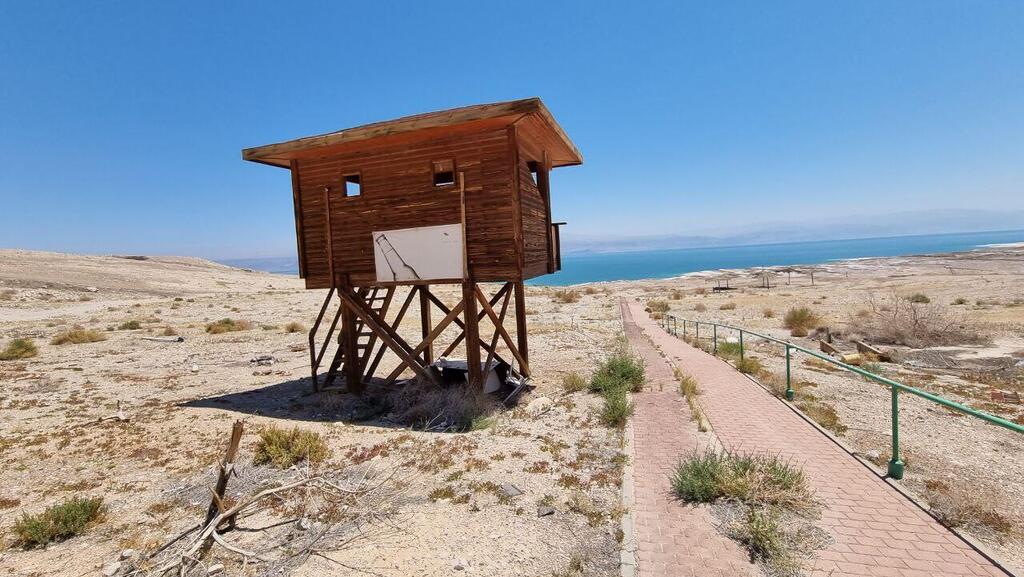
Ayalon, who was unsurprised by the low ranking, also remembers more optimistic days. “We were once finalists for the Seven Natural Wonders, but everyone involved in the region managed to destroy it. I say that as someone who grew up here and is heartbroken. The place is stunning. Setting the hotels aside, anyone who comes to the central and northern Dead Sea discovers something incredible. Whether you want to relax, hike or explore, it is an amazing microcosm. But no one cares, so of course we end up with results like this.”
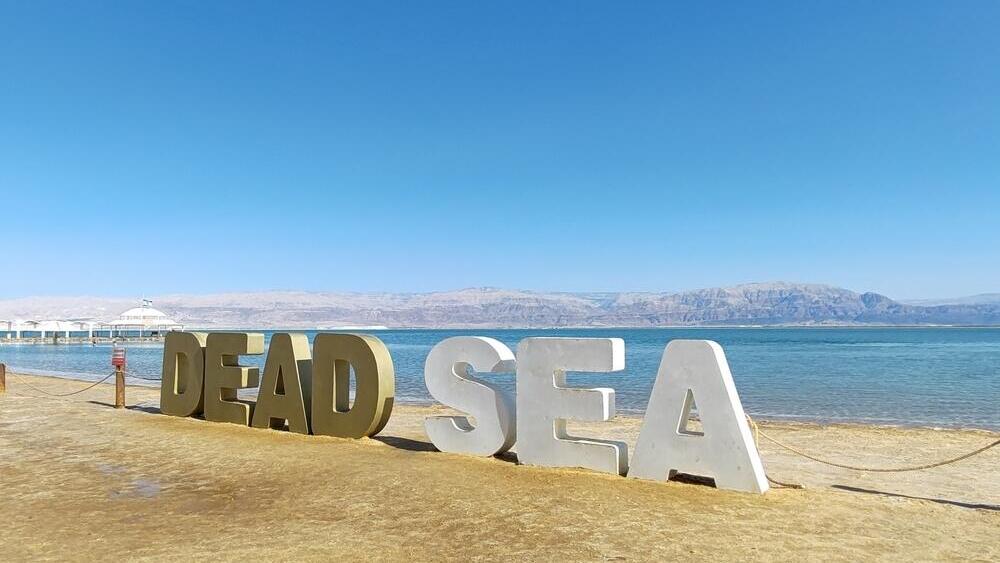
The dead sea – the world is disappointed
(Photo: Patyuk / shutterstock)
Guy Golan, a soil and water researcher and owner of the tour company “Secrets of the Dead Sea,” agreed. “You can clearly see the area is neglected,” he said. “Visitors do not see picnic tables, water points, trails or accessible beaches. The nature is challenging on one hand but incredibly unique on the other. If authorities found creative ways to make these sites accessible, people would come.”
Asked how he still brings both Israelis and foreign tourists to the area, Golan said expectations often collide with reality. “People see beautiful Instagram photos and want to reach those same places. Some of those spots have already disappeared because the Dead Sea constantly changes. The shoreline retreats, and natural phenomena change and shift. So visitors do not always see what they expected, but they find other views that are just as beautiful. Some places require a guide because there is no access. We constantly update our routes and show travelers new and interesting things. What existed yesterday may not be there tomorrow.”
Asked for a recommendation, he said, “Go off-road and reach the less visited, lesser known areas. Most people never reach the actual Dead Sea. The hotel zone is not the Dead Sea. Those are artificial evaporation pools. The real Dead Sea is barely known today. People forgot the wild place it once was. It is worth visiting the hidden beaches with proper guidance and knowledge of where it is safe to go, where there are fewer sinkholes and fewer hazards. Do not skip the unique natural formations.”
Ayalon offered her own advice. “Ein Gedi. I will even tip my hat to the Israel Nature and Parks Authority, which is trying to bring some order there so it is safe and accessible. Just listen to the instructions and the people on the ground. After the reserve was restored and repaired, one of the most breathtaking spots is Gav H’alon at the top of Nahal David. It is stunning. Fall, winter and spring at the Dead Sea are incredible. Every morning I wake up and give myself that wow moment. Natural beauty with no filters, just nature as it is. Four ibexes, three hyraxes, two foxes and you have a celebration.”
How irreversible is the situation, and what happens if nothing changes?
Golan said, “Honestly, I am skeptical anything will change. Water is a precious resource, and I do not see anyone deciding to divert water back into the Dead Sea. The process is already known. The sea will continue to drop by a meter or a meter twenty each year until it reaches a balance where the water flowing out equals the water flowing in. But by then it will no longer be a lake that is pleasant to swim in, and access will be very difficult. Unfortunately, the resource is more valuable as potash mines than as a tourism asset, and I do not see anyone investing in it. We try through nonprofits, campaigns, influencers and members of Knesset to raise awareness, but with all the country’s problems, this is not a place people want to invest in. Restoring the Dead Sea requires massive funding, and we do not see that happening.”