

Booking.com has released its 2026 travel predictions report, revealing what vacations in the coming year are expected to look like: more personal, more creative and far less concerned with what anyone else thinks. From trips that immerse travelers in fantasy worlds to stays in homes run by robots and holidays planned according to astrology, these are the trends set to dominate global tourism in the year ahead.
The list of trends is based on an extensive international survey of more than 29,000 travelers from 33 countries and territories. Booking.com combined the survey results with search and booking patterns on the platform, along with the company’s industry insight, to identify the experiences, accommodation choices and travel habits that will shape vacations in the coming year.

We deserve it: traveling with no special reason
In 2026, travelers won’t be looking for excuses to get away. No weddings, births or anniversaries needed: 67 percent say they don’t need any reason to book a flight, and 21 percent will travel to a dream destination even without a celebratory event. Most put it simply: we worked hard — we deserve it. A promotion at work, an unexpected tax refund, the end of a relationship or even a new outfit are all legitimate reasons to fly abroad. Twenty-two percent will travel to mark a major change in health or fitness. The idea is clear: if it makes you feel good, it’s reason enough to get on a plane.

Trend forecast for the coming year
(Photo: Jacob Lund / Shutterstock)
Waking up in castle: romantic fantasy
Travelers in 2026 won’t be satisfied with a good beach read. They want to step inside the story. With the rapid rise of the “romantasy” genre, vacations will increasingly include destinations that feel like living fantasy worlds: ancient castles, mysterious forests, medieval-style feasts and masquerade balls. Seventy-one percent are interested in destinations inspired by such settings, and 53 percent are willing to take part in role-playing adventures based on beloved books or films. Many will also seek out secluded lodging that looks straight out of a fairy tale, or locations where iconic scenes were filmed.

Neuschwanstein Castle, Germany
(Photo: Andrew Mayovskyy / Shutterstock)
AI holidays: sleeping in smart homes
More travelers are expected to choose holiday rentals equipped with robots and smart assistants. These are homes where a cleaning robot tidies up, a robotic chef cooks and washes dishes, and automated systems manage energy, water and waste seamlessly. Seventy-seven percent say they want to try this kind of stay. Some are simply curious; others want a futuristic experience worth talking about.
Trip as an experiment: testing every relationship
In 2026, more travelers will see vacations as a way to understand how they mesh with people entering — or already in — their lives. Sixty-nine percent are willing to travel with a potential partner, a colleague or a new friend to see how they get along during long stretches together. Sixty-two percent don’t mind going to remote places to test how the other person handles stress or discomfort. Fifty-nine percent are interested in trips that involve “switching roles,” where the usual planner steps aside. Another 59 percent are willing to travel under limiting conditions, like a tight budget. Seventy-one percent are open to letting someone else plan the entire trip — just to see if they can lead. Gen Z takes this the farthest: 81 percent are willing to join itineraries designed specifically to test relationship dynamics.
Culinary souvenir mission
Local spice jars, handmade ceramics, special oils and cookware that looks like art. Once, travelers returned home with kitchen upgrades without really thinking about it. In 2026, it becomes a defined goal. Sixty-eight percent say they want to buy kitchen items on vacation, and 55 percent would even choose a destination specifically for the products available there. Twenty-six percent say edible souvenirs bring them back to the destination each time they cook, and 25 percent value the local craftsmanship behind them. Nearly one in five will travel somewhere just to find a rare or limited-edition kitchen item — something that looks good on a shelf and on Instagram.
Road trip with new friends
Travelers in 2026 will look for more opportunities to meet new people along the way. Eighty-four percent are willing to join a shared ride on vacation with people they’ve never met, and 54 percent will use apps that connect travelers heading in the same direction. Seventy-nine percent like the spontaneity, and 77 percent simply want to meet others. Those who don’t drive will discover a new world of routes thanks to autonomous vehicles. Here, too, Gen Z stands out: 77 percent are willing to let AI or a self-driving car determine the route. Sixty-five percent will use artificial intelligence to design a scenic itinerary tailored to their preferences.
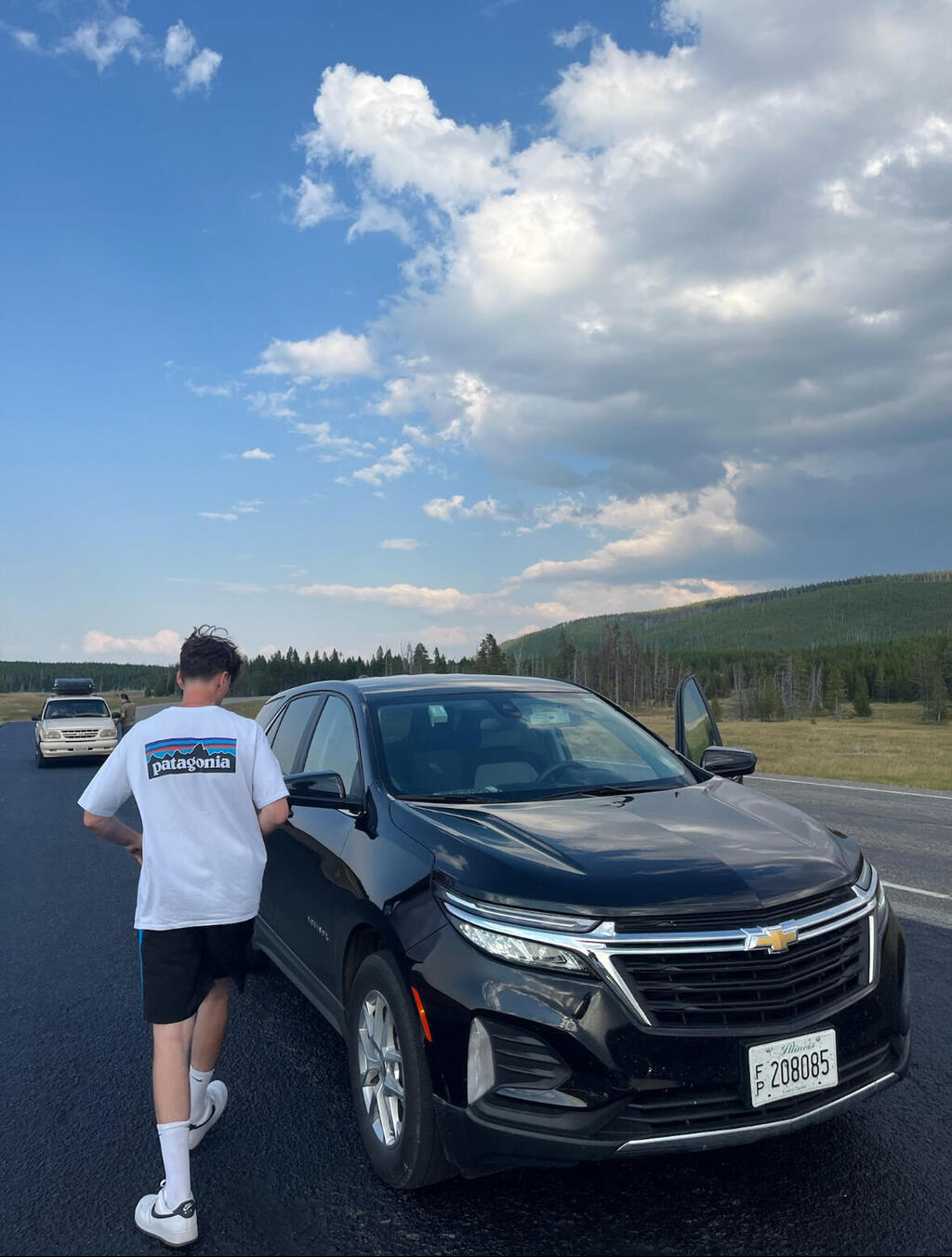
Road trip; an opportunity to meet new people
(Photo: Jonathan Hefetz)
Astrology holidays
In 2026, many travelers will plan their vacations according to what the stars say. Nearly half (47 percent) would consider postponing or canceling a trip if a spiritual advisor said the timing was wrong, and 43 percent would change plans because of a negative horoscope. Thirty-nine percent will time vacations around astrological events like Mercury retrograde. Another 39 percent are already choosing destinations based on “mystical” dates — moon phases, high-energy days or visits to spiritually significant sites.
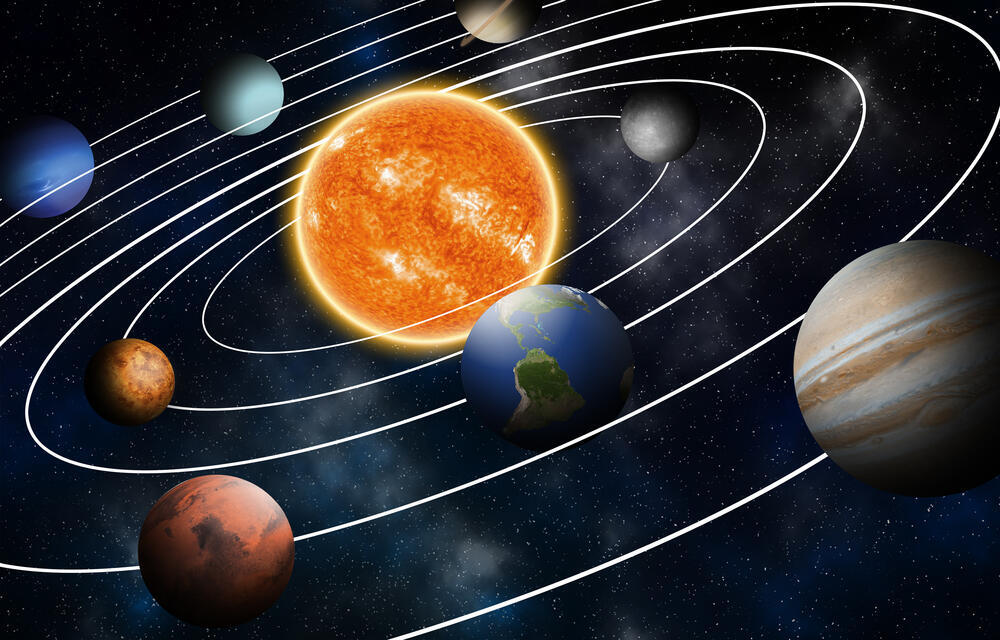
The Solar System
(Image: Withan Tor/Shutterstock)
The skin-care trip
Wellness trips aren’t new, but in 2026 nearly 80 percent of travelers are considering vacations dedicated entirely to their skin and personalized treatments. Fifty-nine percent intend to use AI to choose the destination best suited to their skin. Another 75 percent want bedrooms with lighting calibrated to the body’s natural cycles to improve sleep — a key factor in skin rejuvenation. These trips combine traditional wellness rituals, advanced testing and cutting-edge technology with one goal: returning home refreshed and glowing.
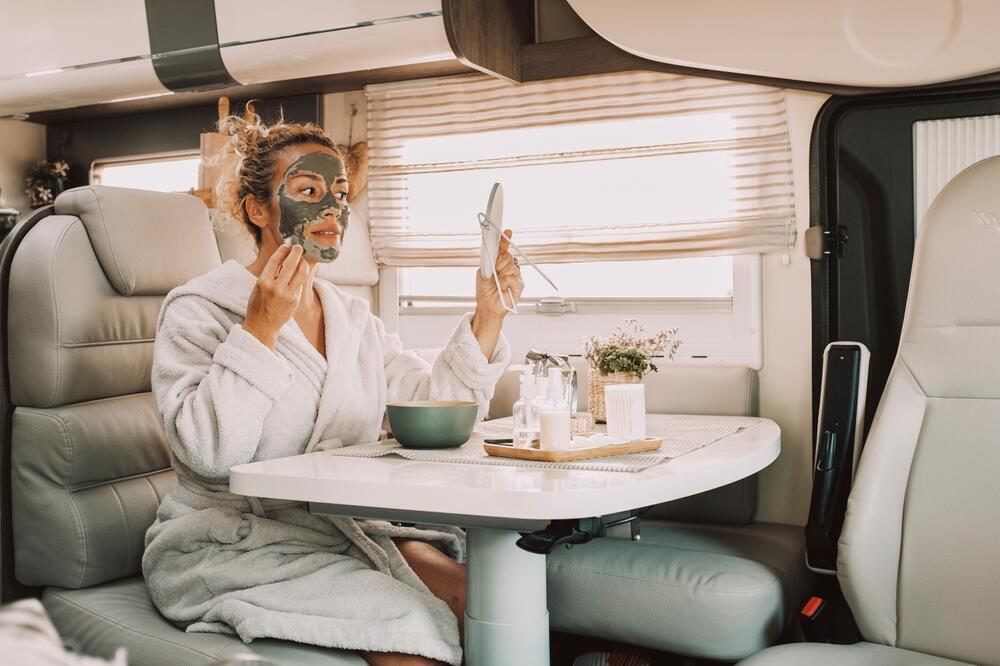
Yes, even on vacation
(Photo: Simona Pilolla 2 / Shutterstock)
Noise-canceling travel
To escape news overload and traffic, more travelers are seeking one thing: quiet. Forty-three percent say they would fly specifically to be close to nature. Fifty-seven percent are interested in observing insects or butterflies, 73 percent are open to fishing or bird-watching trips, and 69 percent would consider a hotel stay that includes foraging excursions as part of its meals.
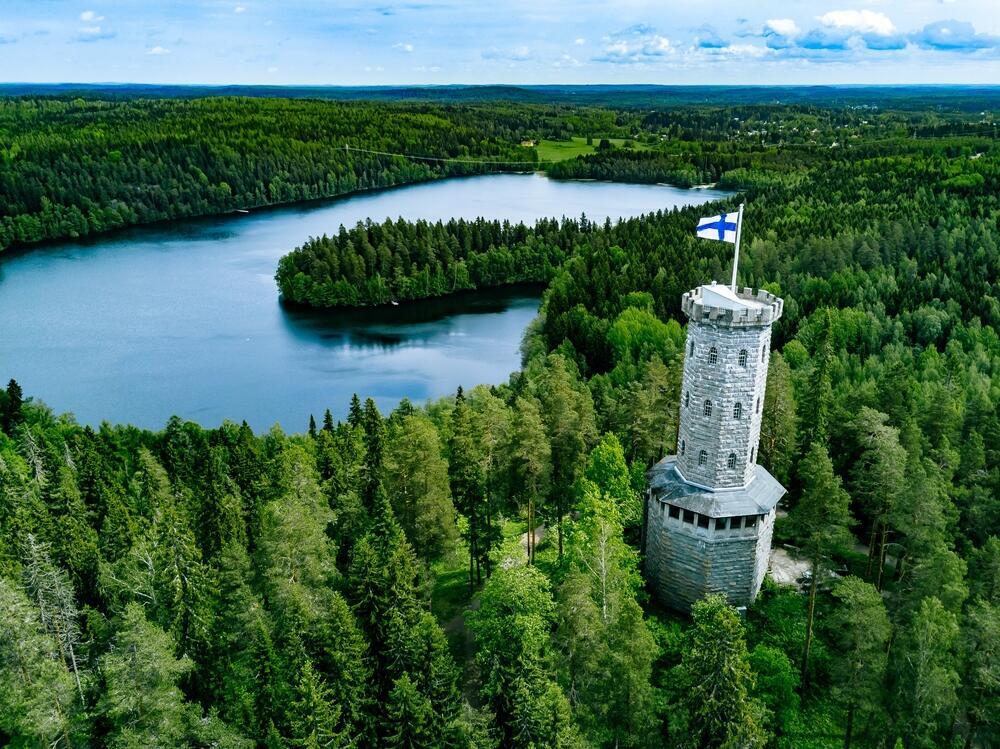
Finland; one of the most peaceful destinations in the world
(Photo: Shutterstock)
Back to photo taken 30 years ago
In 2026, nostalgia itself may become a destination. AI tools that pinpoint the exact locations of old photographs allow travelers to stand again exactly where a picture was taken decades earlier. Sixty-six percent are considering recreating an old moment this way. Forty-nine percent do it to share a meaningful memory with family or friends, and 46 percent prefer destinations with a deep emotional connection. Thirty-six percent see such trips as a chance for closure.