

It was born to change the rules of commercial aviation: a massive double-decker aircraft capable of carrying up to 853 passengers, designed to challenge the Boeing 747 for dominance on long-haul routes. But over the years, the Airbus A380 proved too large, too expensive and too complicated for most airlines.
Nearly two decades after entering service, the world’s largest passenger jet is still far from disappearing — 196 of the superjumbos remain in service — but more and more airlines are shrinking their fleets or preparing to phase them out. Qantas, Australia’s flag carrier, has now decided to bring forward the retirement of its 10 A380s, adding another chapter to the aircraft’s extraordinary story of rise and decline.
The world’s largest passenger plane


Gallery
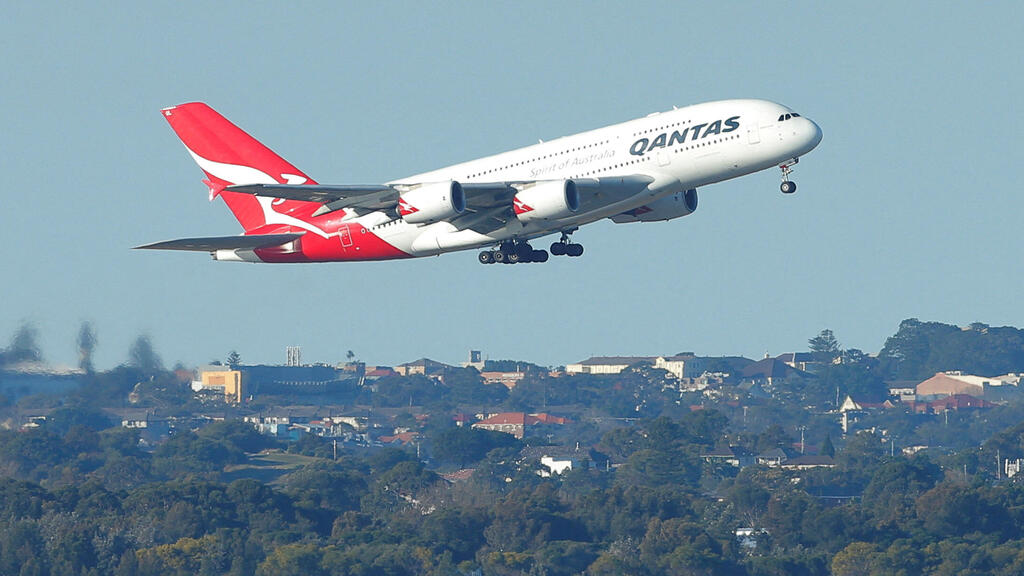
A Qantas Airbus A380-800 takes off from Sydney International Airport en route to Dubai
(Photo: Jason Reed/Reuters)
The world’s largest passenger plane
Qantas said it will begin retiring its 10 A380s from mid-2028, four years earlier than previously planned. The airline said maintaining the aircraft is becoming increasingly expensive and complex, partly because production ended in 2021 and supply-chain constraints are making parts harder to obtain.
The A380 was developed by Airbus to challenge the Boeing 747’s dominance of the long-haul market. The four-engine aircraft, with two full-length passenger decks, entered commercial service with Singapore Airlines in 2007. But Airbus’ ambitious vision did not unfold as hoped. Only 251 aircraft were delivered before production ended after Emirates, the model’s biggest customer, cut a major order.
The numbers show just how extraordinary the A380 remains. According to Airbus, it is about 73 meters long, 24 meters high and has a wingspan of nearly 80 meters. It is certified to carry up to 853 passengers in an extremely dense seating configuration, although in practice most airlines operate it with significantly fewer seats because of multiple cabin classes and dedicated passenger areas.
Its two passenger decks together cover about 550 square meters, an area Airbus has compared to three singles tennis courts. Since entering service, A380s have operated more than 800,000 flights and carried more than 300 million passengers.
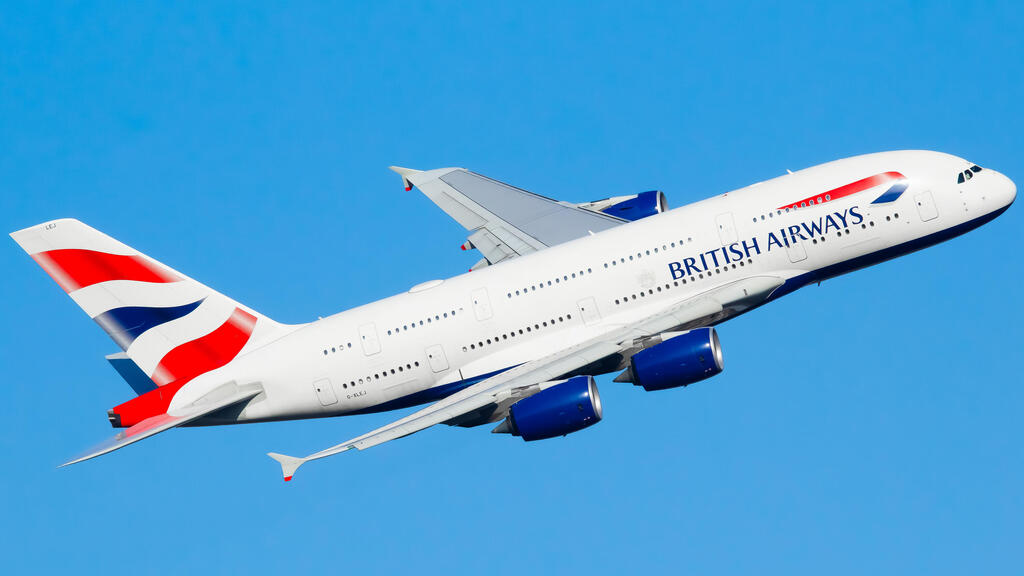
A British Airways Airbus A380
(Photo: Arnold Aaron / Shutterstock)
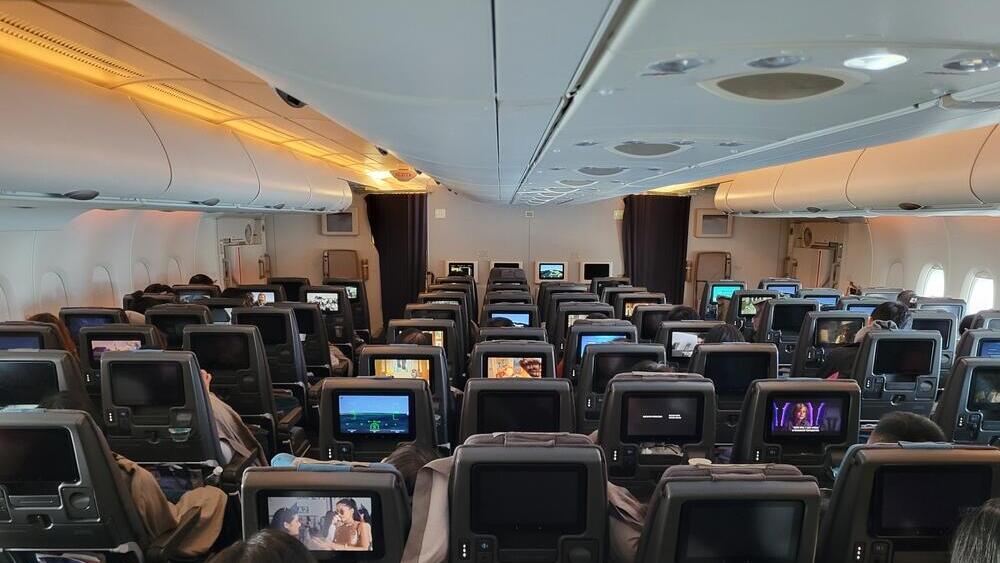
And this is what it looks like inside: Economy class on Singapore Airlines
(Photo: Nate Hovee / Shutterstock)
One of the A380’s biggest problems was also its greatest advantage: its size. To justify operating an aircraft capable of carrying more than 500 passengers in many configurations, airlines had to fill an enormous number of seats on every flight. High fuel consumption and heavy maintenance costs added to the challenge, while newer and more efficient twin-engine aircraft such as the Boeing 787 and Airbus A350 became increasingly attractive to airlines.
All this is happening as fuel prices have again become a major headache for airlines. Qantas said the surge in fuel prices following the war in the Middle East cut A$420 million from its earnings in the second half of the year and that its fuel bill is expected to rise by A$1 billion in the current half. For the four-engine A380, high fuel consumption had already been one of its main disadvantages throughout its years in service.
A comparison with the aircraft it was built to challenge also tells part of the story. Airbus delivered just 251 A380s, while Boeing produced 1,574 747s over more than half a century. The final 747 was delivered in January 2023, bringing to a close one of the most successful and long-running aircraft programs in the history of commercial aviation.
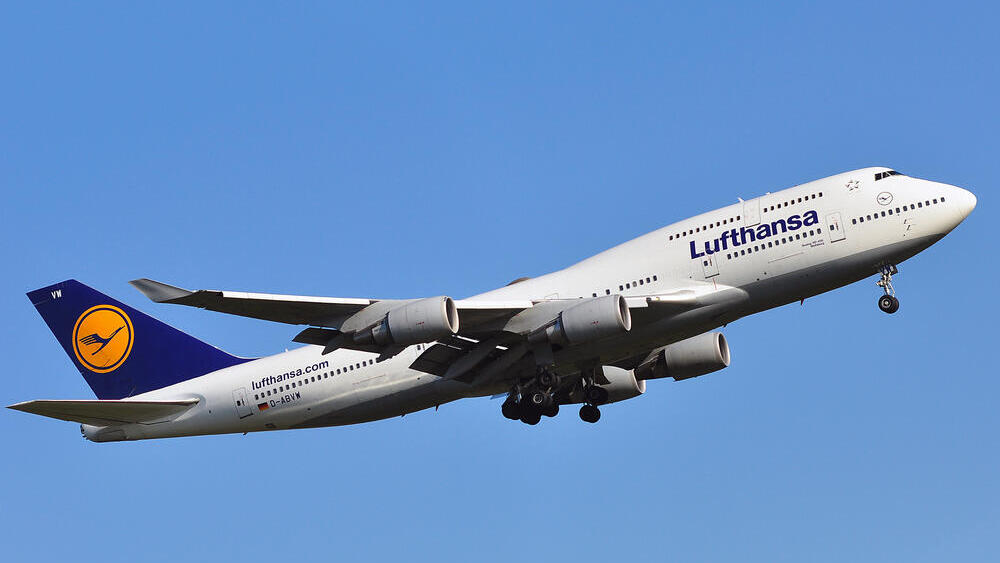
A Lufthansa Boeing 747 jumbo jet
(Photo: Shutterstock)
The COVID-19 pandemic accelerated the A380’s decline. When international aviation came to an almost complete halt, most of the global fleet was grounded. Qantas itself kept its A380s out of service for more than 500 days and stored them for extended periods in California and Abu Dhabi.
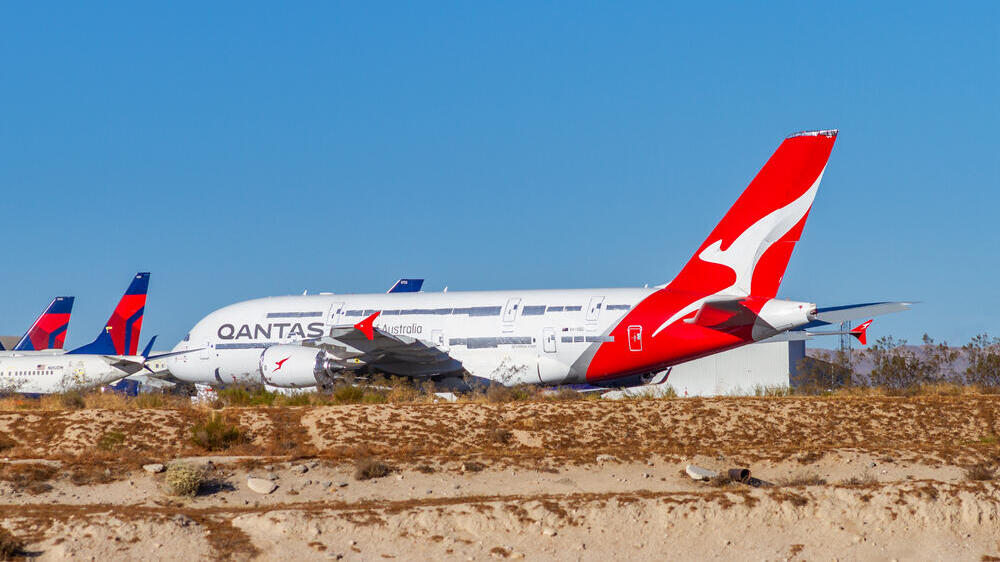
A Qantas aircraft in storage during the COVID-19 pandemic
(Photo: Felipe Sanchez / Shutterstock)
Several airlines have already parted ways with the aircraft entirely. Air France retired its 10 A380s in 2020, two years earlier than planned. China Southern retired its five aircraft in late 2022, while Malaysia Airlines withdrew its six from service in 2023. Thai Airways also no longer operates the model. Other airlines, including Lufthansa, Korean Air, Singapore Airlines and Qatar Airways, have reduced their A380 fleets in recent years.
But despite its decline, the giant aircraft is still far from disappearing. According to Airbus data cited by Reuters, 196 of the 251 A380s delivered remain in service. Emirates is by far the world’s largest operator of the model, with 116 aircraft — nearly half of all A380s ever produced.
Singapore Airlines and British Airways each operate 12 A380s, while Lufthansa, Qatar Airways and Etihad Airways each operate eight. Korean Air, Asiana Airlines and Japan’s All Nippon Airways also continue to fly the aircraft.
And while other airlines prepare to say goodbye to the superjumbo, Emirates continues to invest heavily in it. The airline is carrying out a $5 billion retrofit program covering 219 aircraft, including 110 A380s. By mid-July, comprehensive upgrades had been completed on 47 A380s, along with 53 Boeing 777s.
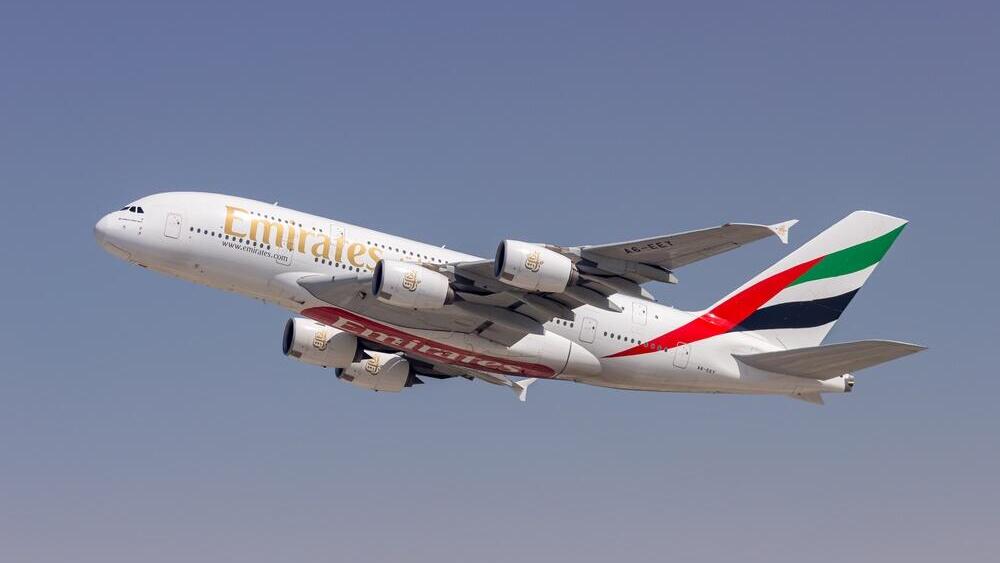
An Emirates Airbus A380-800
(Photo: Markus Mainka / Shutterstock)
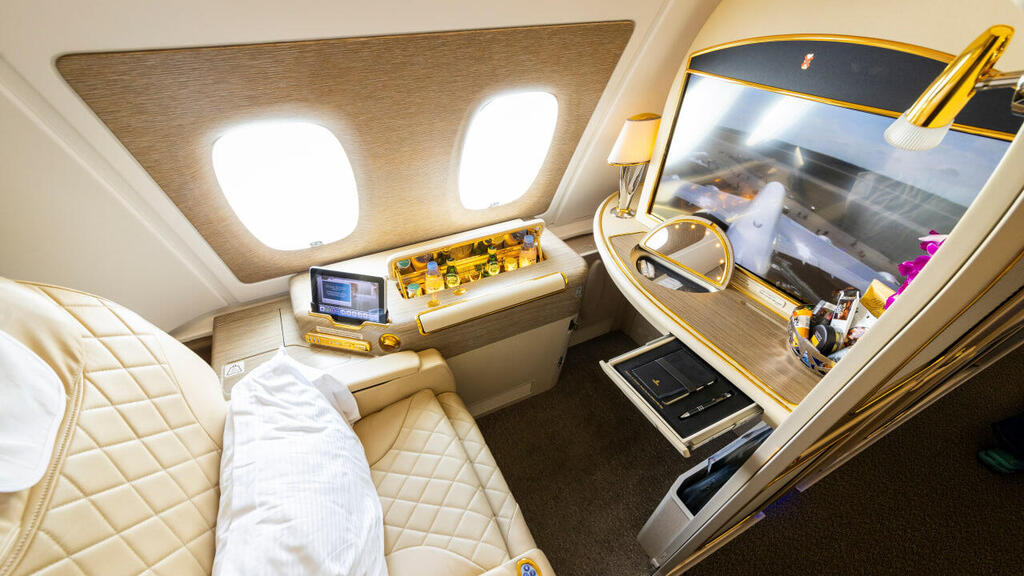
And this is what first class looks like on the world’s largest passenger plane
(Photo: Photofex_AUT / Shutterstock)
Emirates plans to keep flying the A380 into the 2040s. So while the aircraft may not have become the commercial success Airbus once envisioned, its story is far from over — and in the coming years, it is expected to remain in the skies mainly with a small group of major operators.