

Air India is back in the headlines, this time over a sharp rise in technical incidents.
An internal document submitted to the Indian government and obtained exclusively by Reuters shows that in January the airline recorded 1.09 incidents per 1,000 flights, four times the rate in December and the highest level in at least 14 months. The spike comes as the Indian carrier, which also operates flights to Israel, seeks to rebuild its reputation following a fatal crash last summer.
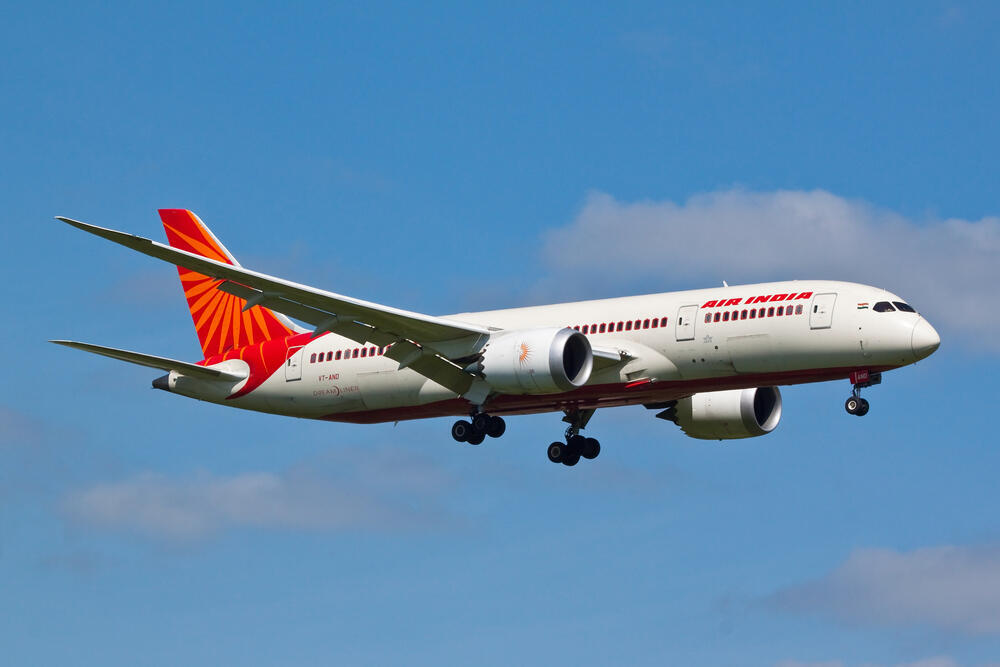
Air India has been under intense scrutiny since one of its Boeing Dreamliners crashed on June 12 in Ahmedabad in what became the deadliest aviation disaster worldwide in the past decade. The crash killed 260 people, including 241 passengers and crew and 19 people on the ground.
According to a report in The Wall Street Journal, citing cockpit voice recordings from the black boxes, the captain moved the fuel control switches of both engines from “run” to “cutoff” position shortly after takeoff, leading to a loss of thrust and the crash. A preliminary investigation report did not determine whether the fuel cutoff was accidental or intentional, and the probe remains ongoing.
The newly disclosed document states that Air India operated more than 17,500 flights in January and recorded 23 technical incidents across its domestic and international network. At least 21 of those cases were formally investigated.
Reported issues included engine stall warnings, problems with flight control and hydraulic systems, and engine oil and fuel leaks. Five incidents during the month involved fuel or engine oil leaks. On one flight from Dubai to Mumbai, crews found upon landing that oil levels in one engine were “low.” In another case, a Delhi-Dubai flight on January 12 was forced to turn back shortly after takeoff due to "no water in lavatory and galley", said the document.
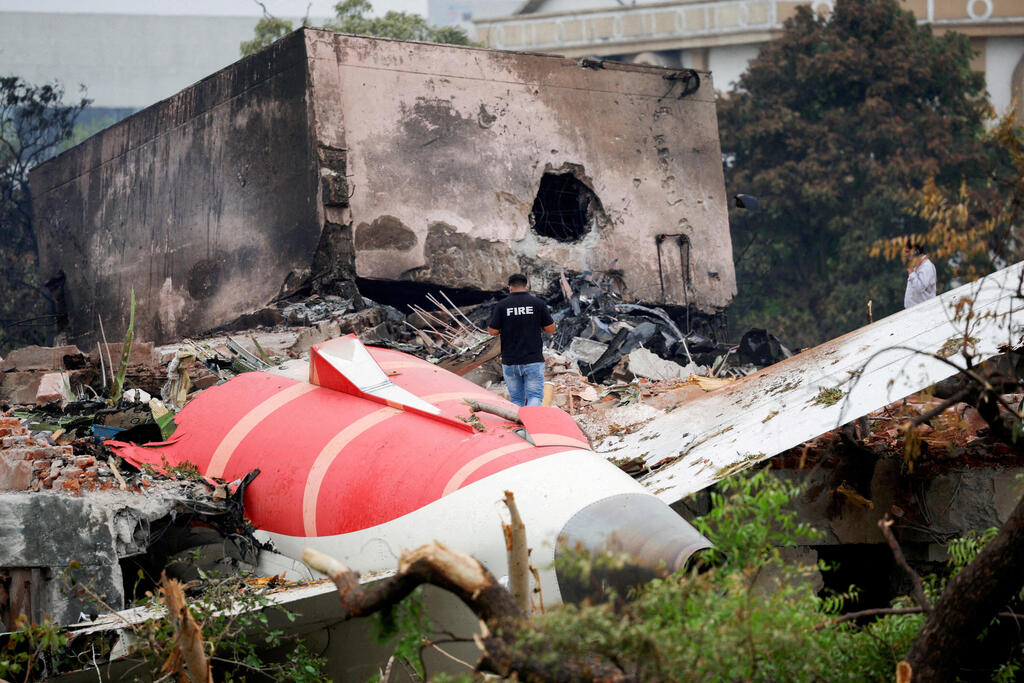
The crash site in Ahmedabad
(Photo: REUTERS/Adnan Abidi)
Operational irregularities also increased. The rate of incidents involving rejected takeoffs, restricted-altitude flights or takeoffs with incorrect settings rose to 0.29 per 1,000 flights in January, more than double the rate in December 2024. However, the document noted some recent decline in operational incidents in the following months.
Separately, India’s civil aviation ministry told lawmakers this month that 82.5% of 166 Air India aircraft inspected since January 2025 were found to have recurring technical defects. By comparison, only 36.5% of aircraft at market leader IndiGo had similar recurring issues. The ministry did not specify the nature or severity of the defects.
Air India’s troubles have also drawn international concern. Britain’s aviation regulator recently sought explanations after a Dreamliner departed London with a suspected malfunction in one of its fuel control switches. In response, the airline said it had refreshed pilot procedures and replaced components in the aircraft’s control system. In December, the company acknowledged it needed urgent improvement in its compliance culture and operational discipline.
Footage of Air India plane crash


Air India was acquired by the Tata Group in 2022 after decades of government ownership and is now undergoing a sweeping overhaul. The airline operates a fleet of 191 aircraft and has ordered more than 500 new jets. However, CEO Campbell Wilson has previously acknowledged that supply chain delays have slowed cabin refurbishments and aircraft upgrades.
In a February document, the airline outlined a series of steps aimed at reducing incidents, including a preventive inspection program to address leaks in its Airbus A320 fleet and the replacement of all steering-system hydraulic hoses on its Boeing 777 aircraft. It also introduced an air-conditioning system leak detection program and other targeted engineering measures to strengthen aircraft reliability and lower incident rates.
Air India did not respond to Reuters’ requests for comment, and India’s civil aviation ministry also declined to comment.