

A passenger who says he accidentally listened in on cockpit conversations during a recent flight has sparked an online debate about in-flight audio systems, pilot protocols and passenger curiosity.
The traveler, who said he was flying on an Airbus A319, wrote in a post on Reddit that he inadvertently tuned into what appeared to be a live audio feed from the cockpit while browsing the aircraft’s entertainment system.
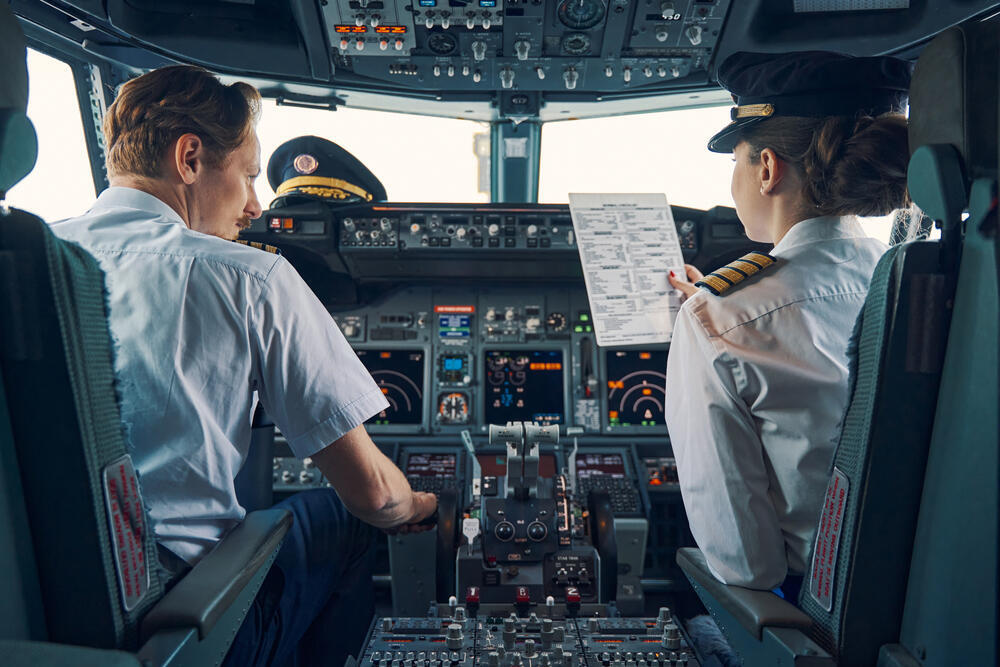
(Photo: Shutterstock)
“For 2.5 hours, I listened to all the calls, prechecks, and the pilot and copilot talk to each other about their lives, kids, random terrain we were flying over, previous incidents they've encountered that may or may not have gone unreported, and even dropping a few curse words during the flight,” he wrote
He ended his post with a question: “Is this a common occurrence or a stroke of good luck?”
According to aviation news site Simple Flying, some Airbus aircraft operated by United Airlines have historically offered an audio channel — often referred to as Channel 9 — that allows passengers to listen to radio communications between pilots and air traffic control.
In certain configurations, the audio feed is routed through the cockpit’s observer seat audio panel. If the internal intercom channel remains selected while the feature is active, it could allow passengers to hear not only communications with air traffic control but also conversations within the cockpit.
The feature is not available on every flight and is typically activated at the captain’s discretion. Industry observers say it is used sparingly, partly out of concern that passengers could misinterpret routine exchanges or analyze standard communications out of context.
The online discussion also raised the issue of the “sterile cockpit” rule, a safety regulation that prohibits nonessential conversation during critical phases of flight such as takeoff and landing.
One user said he had experienced a similar situation involving open microphones. “Listened the whole time,” he wrote. “Was the day I realized that some pilots do not take the sterile cockpit rule seriously. I was amazed.”
Despite such concerns, many commenters said they missed the audio channel, noting that it was more common in the past. Some said it provided useful early information.
“Occasionally one would even get important information before it was announced in the cabin. Like delays, flight diversions weather issues, etc,” one user wrote.
Others said listening to pilots communicate could ease anxiety during turbulence. “It was sometimes kind of interesting to hear and on trips with a lot of turbulence, reassured me to know all was cool, or that we're changing heading/altitude for a better ride,” another user wrote. He added that it sometimes offered practical benefits: “Also nice to get a heads-up, like heavy chop 20 minutes out, good time to use the head before seat belt signs were lit.”