

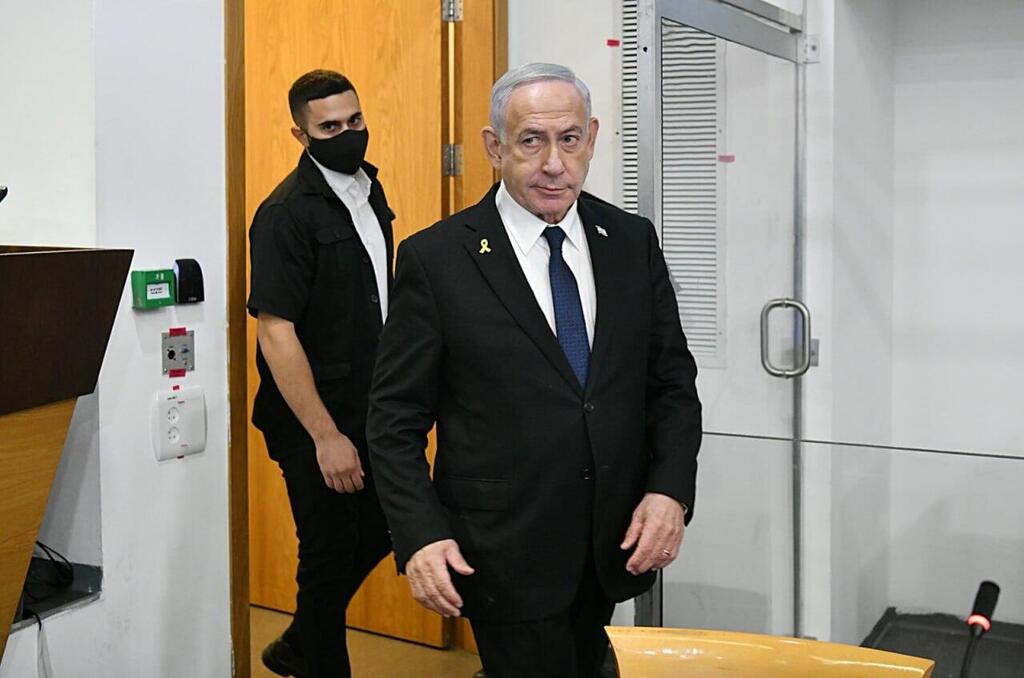
After more than a month-long recess, Prime Minister Benjamin Netanyahu’s corruption trial resumed Monday with his cross-examination by the prosecution. On the eve of the session, judges ruled that beginning in November, the trial will be held four days a week to expedite proceedings, even though until now the court has struggled to hold two days of testimony per week. Although cross-examination began four months ago, only a few sessions have taken place and only the most recent ones directly addressed the indictment. The trial is expected to extend well into late 2026.
Monday’s session focused largely on the judges’ decision to hold the trial four days a week, a move that dedicates nearly all the time of both defense and prosecution teams exclusively to this case. The prosecution supports the schedule, partly out of concern that Netanyahu is attempting to delay his cross-examination, while the defense faces an all-or-nothing situation. With the judges’ approval, defense attorneys met with Netanyahu and informed him they would not be able to continue representing him if the decision was not reversed.
Israeli law requires that a lawyer cannot simply resign and stop representing a client immediately. Judges must approve or deny the resignation to ensure a defendant’s right to a fair defense is not compromised. For example, in December 2024, the lawyers representing Miki Ganor, the main defendant in the submarine case, requested to resign because he was not paying them. The court proposed that Ganor be assigned a public defender from the Justice Ministry. Nine months later, the court had still not released the lawyers. Even if attorney Amit Hadad threatens to resign, the judges will make the final decision. Replacing lawyers would delay the trial by at least one to two months to allow new attorneys to study the extensive case material.
Under the current schedule of two days of testimony per week, Netanyahu’s trial is expected to conclude in the first half of 2026. Additional months will be required for the judges to draft a verdict, pushing the process into 2027. Any conviction is likely to be appealed to the Supreme Court by the defense and possibly also by the prosecution if the judges acquit Netanyahu on the bribery charge in Case 4000, which the prosecution continues to pursue. This could add another year to a year and a half, meaning the trial could extend into 2028 or early 2029.
Prolonged trials are not unusual for cases involving a prime minister, but the judges’ motivation to expedite proceedings is clear, although it is uncertain how much can realistically be achieved at this stage.
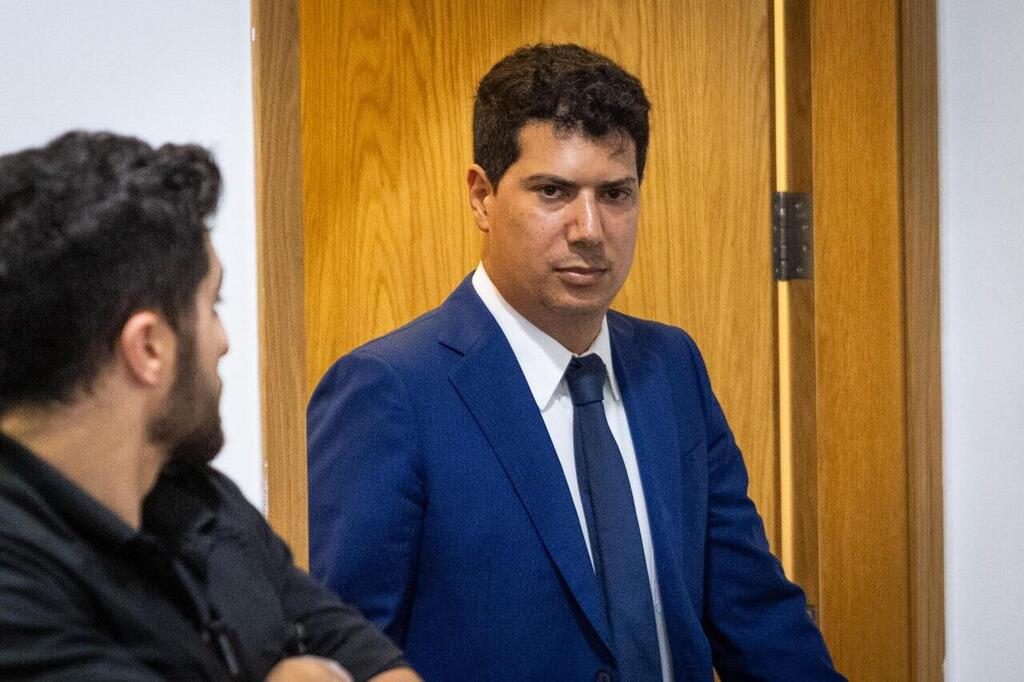
Attorney Amit Hadad
(Photo: Haim Goldberg)
So far, Netanyahu has undergone only four days of cross-examination, most of which served as an introduction to the indictment and focused on his relationship with Arnon Milchan as part of Case 1000. In the coming months, cross-examination will continue on this case, led by Jonathan Tadmor, head of the Tax and Economic Affairs District, and prosecutors Alon Gildin and Keren Tzviran. Tadmor, who won the position of Deputy Attorney General for Economic Enforcement with support from Attorney General Amit Ishman, will continue overseeing cross-examination in his new role.
During the initial days of cross-examination, Tadmor and Gildin aimed to show the judges that Milchan courted Netanyahu and gave him cigars and overseas vacations due to his high political status. Netanyahu argued their relationship was “genuine friendship” with no outside interests. The prosecution emphasized that Netanyahu’s ties to Milchan strengthened as he planned his return to public life following his 1999 election defeat. Netanyahu rejected this, saying their friendship deepened “precisely while I was on a political hiatus.”