



In the wake of deadly Iranian missile strikes that killed three civilians in central Israel overnight Saturday, the military is set to introduce a new four-stage alert protocol aimed at giving residents more time and clearer instructions in the event of future attacks.
Under the planned changes, the first stage would include a pre-alert message sent 15 to 30 minutes before a missile salvo is expected, warning residents via the Home Front Command app to remain close to reinforced shelters. A second stage would issue a location-based SMS alert about 10 minutes before launch, using loud audio notifications. Traditional sirens will still sound about 90 seconds before impact. The final stage will revamp the all-clear process, moving from open-ended instructions to wait "until further notice," to explicit clearance messages from the Home Front Command.
Gallery
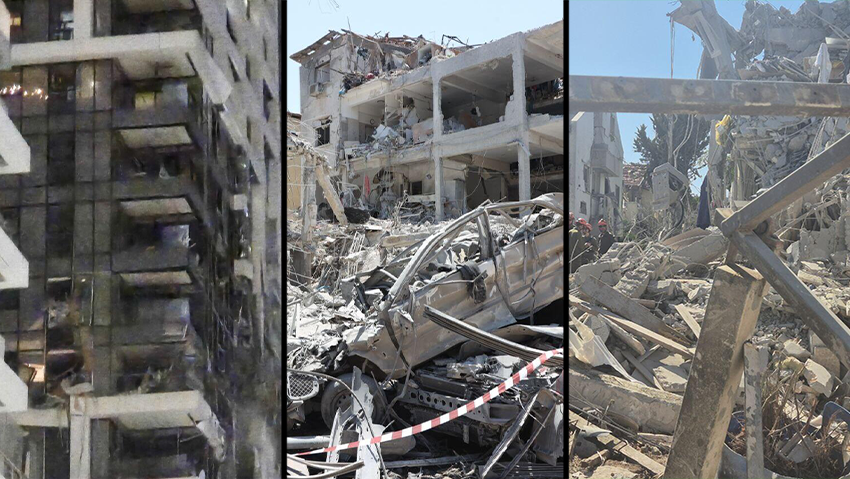
Imapct sites of Iranian ballistic missiles in Tel Aviv, Ramat Gan and Rishon Lezion
(Photo: Ido Erez, Yoav Keren, Moti Kimchi)
The adjustments come after a pre-dawn technical failure in Israel’s alert system resulted in no warning before a barrage struck cities including Ramat Gan and Rishon Lezion. The Home Front Command said the malfunction was caused by system overload due to the high volume of polygon-based alerts—over 800 in central Israel—which temporarily disabled mobile broadcast alerts. Officials said the issue has been fixed.
The IDF estimates that 200 missiles were launched toward Israel in four waves, along with 40 armed drones. Of these, about 10 missiles breached Israeli defenses. The Air Force said it successfully intercepted the drones.
The military said the civilian deaths were avoidable, noting that there were reinforced rooms near those killed. “If they had entered the shelter, nothing would have happened,” officials said. “We will improve and learn how to influence people’s behavior in such situations.”
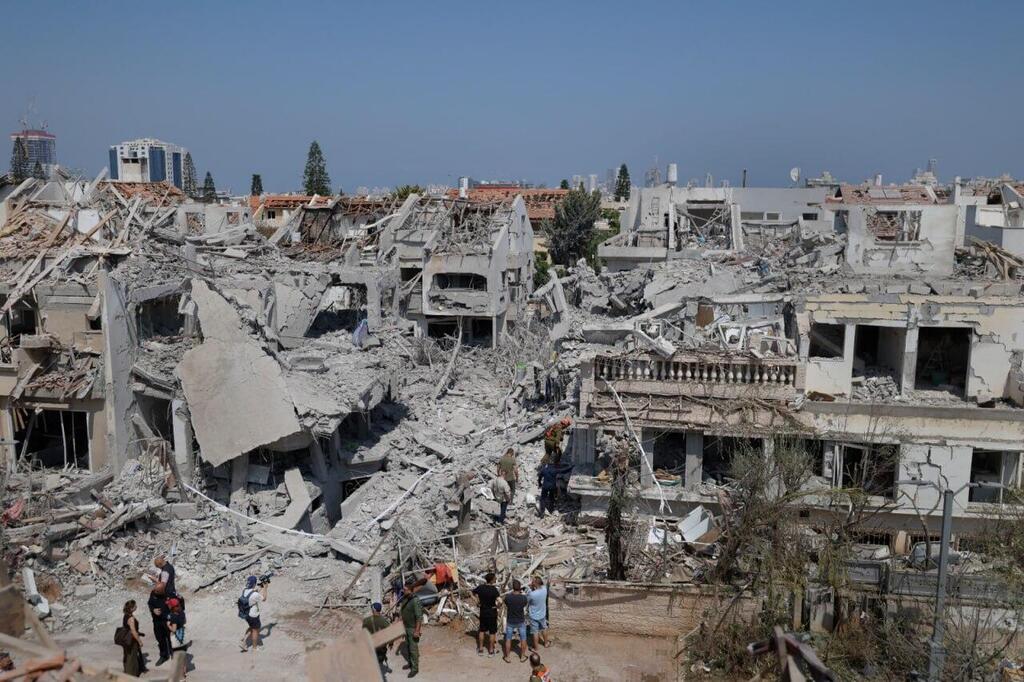
Extensive damage in Rishon Lezion after Iranian ballistic missile strike
(Photo: Ziv Koren)
In anticipation of further attacks, which are expected to resume Saturday evening, the Home Front Command has activated its full operational force—about 30,000 soldiers—and deployed over 50 search and rescue battalions nationwide. The IDF has emphasized the importance of proper protection, pointing to recent missile impacts in Tel Aviv where three apartments were destroyed but the reinforced rooms withstood the blast.
Get the Ynetnews app on your smartphone: Google Play: https://bit.ly/4eJ37pE | Apple App Store: https://bit.ly/3ZL7iNv
Authorities have already opened a wide range of public shelters, including in schools, parking lots and light rail stations, particularly for residents without home shelters. Officials noted that most Israelis have shown resilience, choosing to remain calm rather than fleeing during attacks. However, they acknowledged a need for improvements to support those without access to reinforced spaces.
In Ramat Gan, where a missile directly struck a residential building, officials said the stairwells remained intact, but urged residents of older buildings not to shelter in stairwells and instead move to basements or designated shelters.

(Photo: Rishon Lezion Municipality)
Despite previous expectations that older buildings would collapse under a direct hit, the Ramat Gan building remained standing, prompting a reevaluation of evacuation policies. Home Front Command officials said they have decided against quietly evacuating large numbers of residents from Tel Aviv or other urban centers, despite the fact that about 40% of Tel Aviv residents lack access to reinforced shelters. They also cited the ongoing threat from missiles in both the north and south of the country.
Security officials expect non-essential work and all educational activities to be suspended nationwide again on Sunday, as part of an emergency alert level known as “Red Policy 4.”
While the situation has remained relatively quiet in recent hours—likely due to holiday observances in Iran—the IDF warned that more missile salvos could resume by evening.