


Prime Minister Benjamin Netanyahu decided on Thursday evening to postpone a government discussion on allocating 1 billion shekels (around 337 million dollars) for the establishment of dozens of new settlements in the West Bank. The discussion was transferred to a meeting of the security cabinet in order to keep the decision confidential, apparently with the aim of avoiding international criticism.
The move came after the issue had already appeared on the agenda for the government meeting under the title: "Establishment of temporary sites in communities approved for construction in the rural areas of the West Bank."
Gallery
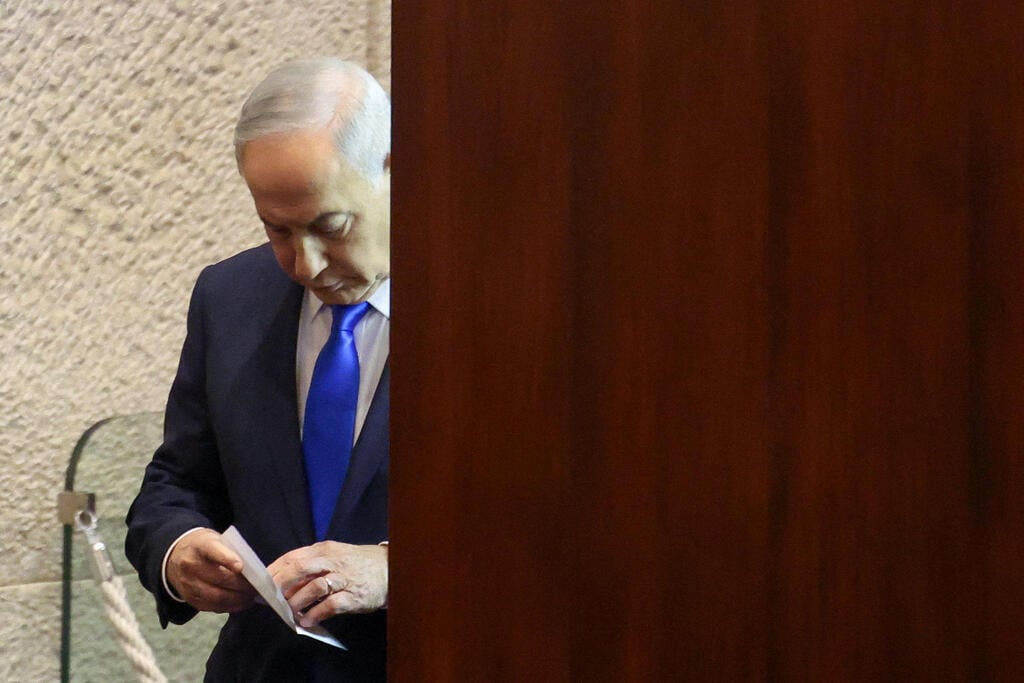
Netanyahu decided to postpone a government discussion on allocating 1 billion shekels for the establishment of dozens of new settlements
(Photo: REUTERS/Ronen Zvulun)
Although the item appeared on the government agenda, details of the resolution had not been published on the Government Secretariat’s website as of publication time. The funding is intended for the construction of infrastructure and buildings in new settlements whose establishment has been approved by the government over the past three years.
Since taking office in December 2022, the government has approved the establishment of 103 new settlements. Some had previously been created as “neighborhoods” of existing settlements, while others began as unauthorized outposts. The decision would enable their formal legalization.
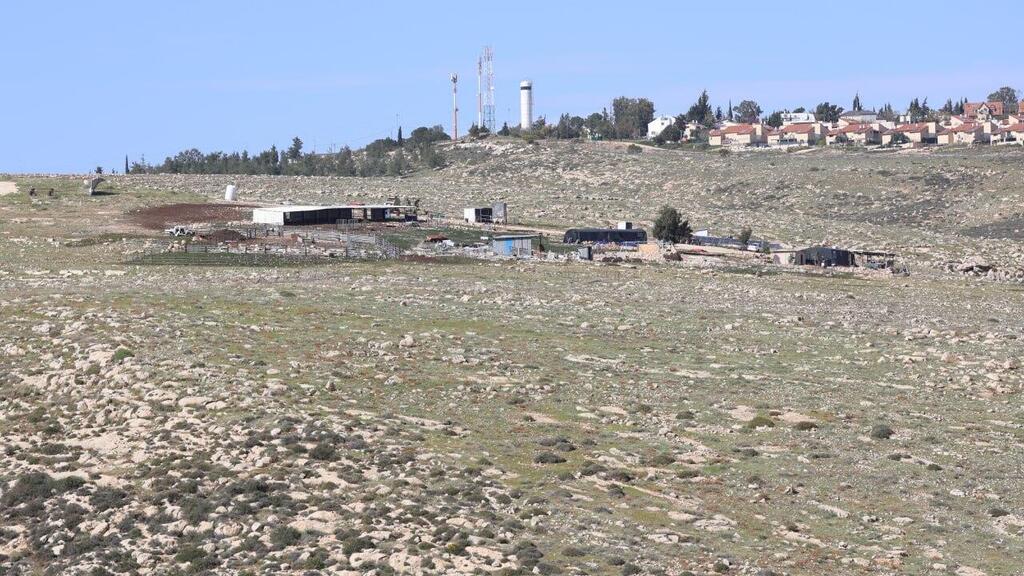
'Farm' in Judea and Samaria
(Photo: Shaul Golan)
The resolution concerns 61 settlements and, according to the draft, hundreds of millions of shekels will be allocated to the Settlement Division for the construction of “temporary sites” in those locations. At each site, the division will fund the installation of 15 residential caravans and two caravans designated for public-use buildings.
In addition, the draft allocates hundreds of millions of shekels to the Ministry of Construction and Housing development in the new settlements, including roads, land preparation, sewage systems and water infrastructure. Millions more will be allocated for “community coordinators” tasked with assisting the initial settlement groups in each of the new communities.