

Dr. Anthony Fauci invoked the Fifth Amendment on Wednesday and declined to answer questions at a Republican-led Senate hearing examining his handling of the COVID-19 pandemic and the disputed origins of the virus. Fauci, the former government infectious disease expert who helped lead the U.S. response to the pandemic, appeared before the Senate Homeland Security and Governmental Affairs Committee after being subpoenaed by its chairman, Republican Sen. Rand Paul of Kentucky.
Paul has spent years accusing Fauci of misleading Congress and the public about U.S.-funded coronavirus research and the possibility that COVID-19 emerged from a laboratory. Fauci has repeatedly rejected the accusations as “preposterous.” At the start of the hearing, Fauci accused Paul of having an “obvious obsession with calling for my prosecution” and said he would not answer questions on the advice of his attorneys.
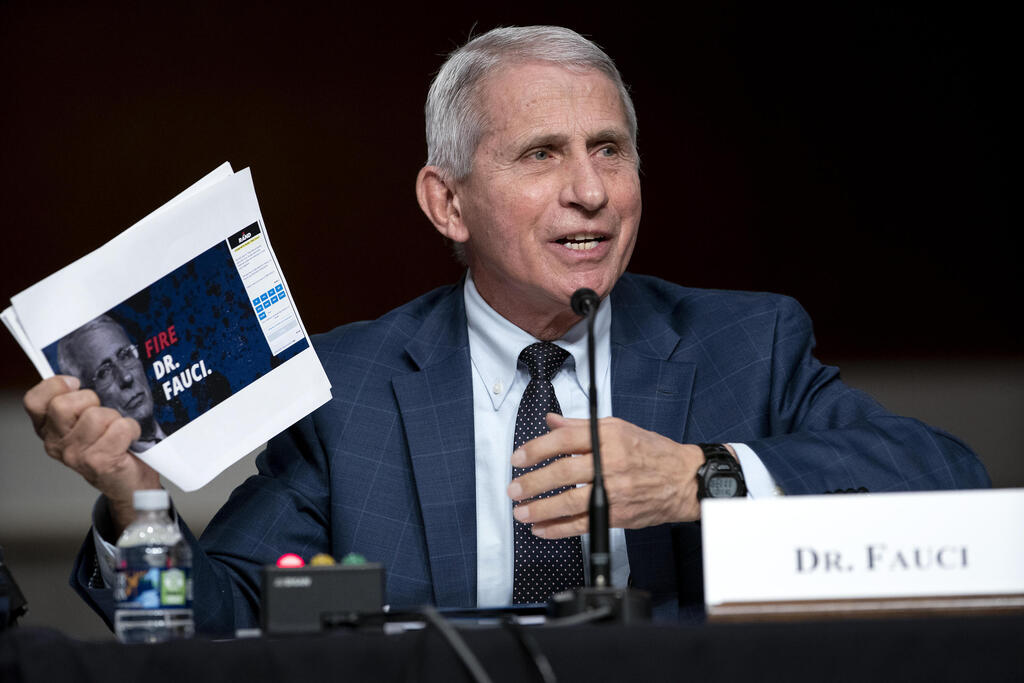
“The only conclusion that I can reach is that the sole reason he is calling me before this committee is to get me to say something, anything, that could vindicate his repeated public pledges that I end up, in his words, quote, behind bars,” Fauci said.
The Fifth Amendment protects people from being compelled to provide testimony that could incriminate them. Fauci’s decision largely eliminated the prospect of another explosive exchange between him and Paul, whose confrontations during earlier congressional hearings became defining moments of the political battle over the pandemic. It also gave Paul a largely uninterrupted platform to present his allegations about the virus’s origins, federally funded research in China and what the senator describes as an effort by government officials to conceal their involvement.
Paul accused Fauci and other officials of helping create the conditions that led to the pandemic by approving funding for research involving mutations in viruses, then attempting to cover up their role after the outbreak began. Fauci’s lawyers and supporters strongly deny those claims.
Paul said Fauci should acknowledge that “funding this research in China” was “a mistake” and accused him of making false statements during the pandemic, including before Congress, about whether the virus could have originated in a laboratory. “Your primary concern was hiding the fact that you had approved funding for this dangerous research,” Paul said.
The senator described Fauci’s “categorical public denials” as “indefensible” and accused him of having “destroyed trust” in American public health institutions. Before the hearing, Paul released more than 1,000 pages of Fauci’s personal diary entries from the pandemic years. The senator said the documents showed that what Fauci “wrote privately and what he told the country are two different stories.”
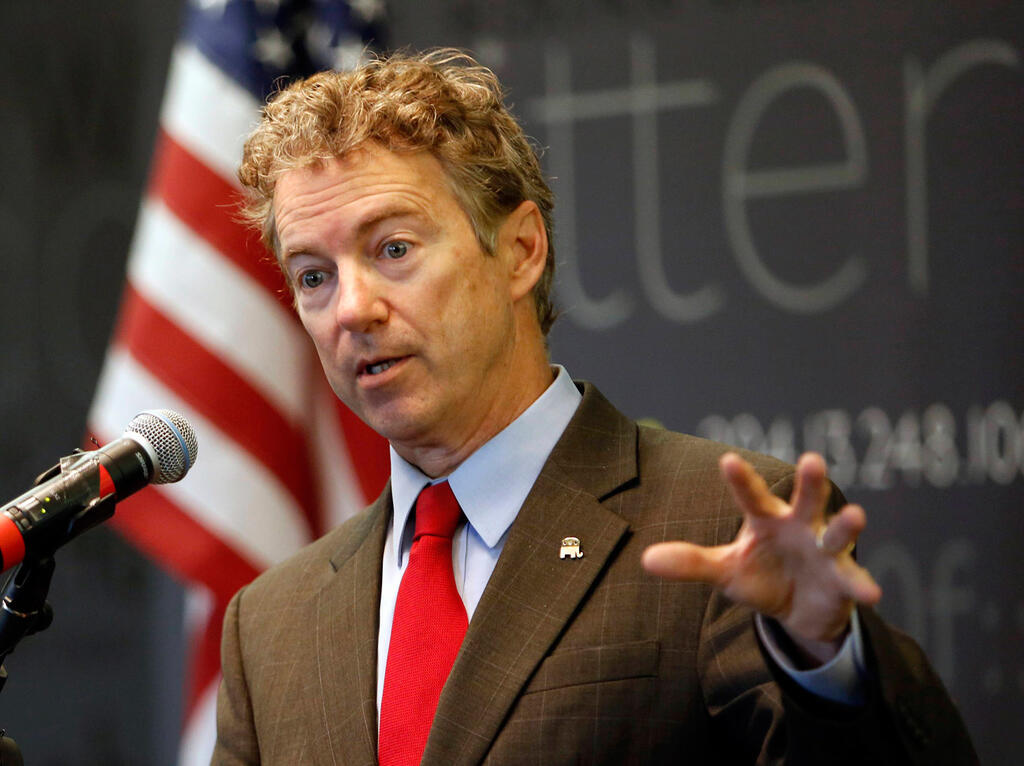
Republican Sen. Rand Paul of Kentucky
(Photo: AP)
Fauci, a physician and immunologist who led the National Institute of Allergy and Infectious Diseases for nearly four decades, became one of the most prominent and polarizing figures of the pandemic. He served as a senior medical adviser during the administrations of both President Donald Trump and former President Joe Biden before retiring from government at the end of 2022.
Fauci’s critics blame him for mask mandates, vaccination policies and other public health restrictions they say infringed on individual rights. His supporters credit him with helping guide the country through an unprecedented health crisis while hundreds of thousands of Americans were dying.
Sen. Gary Peters of Michigan, the committee’s ranking Democrat, dismissed Wednesday’s hearing as a partisan exercise and accused Paul of denying Democratic members access to portions of the evidence cited by the chairman. Paul called that allegation “categorically false.”
Peters sought to shift the hearing toward the Trump administration’s cuts to the federal workforce and the departure of career scientists from government public health programs. He said the administration’s policies had slowed the response to an ongoing cyclospora outbreak and argued that reductions in global health programs and international partnerships had weakened the country’s ability to contain dangerous diseases.

(Photo: shutterstock)
Those issues were more urgent than “relitigating the past,” Peters said. “We should be asking how to strengthen our biodefense efforts to deter our adversaries and prevent biological attacks against our country,” he said, while examining “how our government can better coordinate and communicate during public health emergencies.”
The origins of COVID-19 remain the subject of scientific and political debate. Some U.S. agencies have assessed with varying levels of confidence that the virus may have emerged from a laboratory, while other agencies and many scientists continue to favor natural transmission from animals to humans. Fauci has said he remained open to both possibilities but maintained that there was no conclusive evidence establishing that the virus originated in a laboratory.
Wednesday’s hearing again exposed the deep partisan divide surrounding the pandemic, years after the initial outbreak and the end of most emergency restrictions. For Paul, the inquiry represented an effort to hold Fauci and other officials accountable for what he alleges were misleading statements and dangerous research decisions. For Fauci and his supporters, it was the latest stage of a politically motivated campaign aimed at criminalizing disputed scientific and policy judgments made during a global emergency.