

After several months of relative quiet, the Middle East conflict returned this week to New Yorkers’ plates, now exacting a direct price from Israeli- and Jewish-owned businesses.
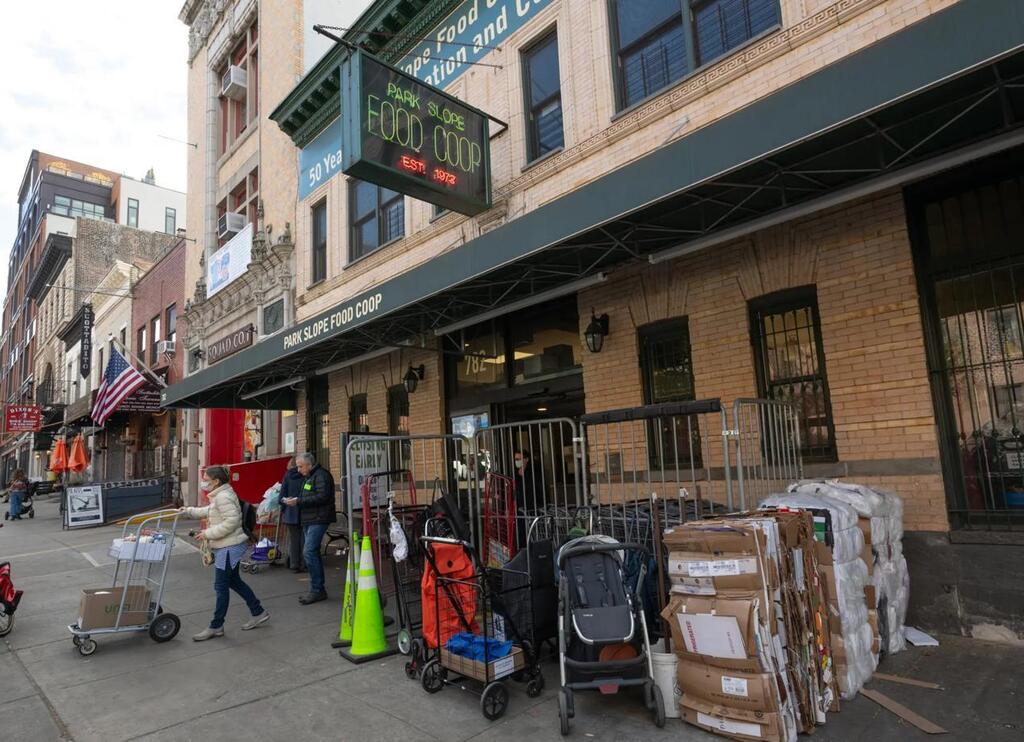
The famed food cooperative in Brooklyn’s Park Slope neighborhood, a longtime consumer institution that has served for decades as a status symbol of the city’s progressive elite, overwhelmingly approved a boycott of Israeli products Tuesday night. At the same time, a vandalism incident at Israeli Hila Ashkenazi’s kosher bagel shop in Queens is being investigated as a hate crime. Footage shows a masked man in Muslim clothing vandalizing the store’s outdoor seating area.
Watch the footage:
Bagel shop in Queens vandalized by masked man in Muslim garb


At Park Slope Food Coop, what may at first seem like a local dispute over grocery shelves has emerged as a microcosm of the deep rupture over Israel among some of the most established communities in the United States. The historic vote was accompanied by such a tense atmosphere that management was forced to move the general meeting to Zoom after Jewish members explicitly expressed concern for their personal safety if they had to attend in person.
More than 7,000 of the organization’s roughly 15,000 members joined the online meeting, which lasted about three hours. The boycott passed with 67% in favor, 31% opposed and 2% abstaining. It will apply to a range of goods produced in Israel and in West Bank settlements, including peppers, persimmons, several tahini brands, olive oil, hummus, matzah and hair care products.
Boycott supporters speak:
Boycott supporters speak
To ensure the measure’s passage, boycott supporters approved a bylaw change just before the decisive vote, eliminating the requirement for a 75% supermajority and allowing a simple majority instead. The meeting then moved directly to a vote on the boycott, and opponents of the boycott expressed frustration that the vote proceeded directly without giving them a chance to present their position first.
Several Israeli members of the co-op threatened to quit in protest and plan to demonstrate outside the store Thursday, while others praised the move.
“As long as Bibi’s deranged right-wing government is in power, I fully support this boycott,” said Lior. “You cannot cry over the destruction of democracy and human rights, and then keep buying as usual as if it’s business as usual. I am not willing to fund this policy, not even by one cent. This boycott is a moral and necessary step, and it is the only way we abroad can exert real pressure to change the situation.”
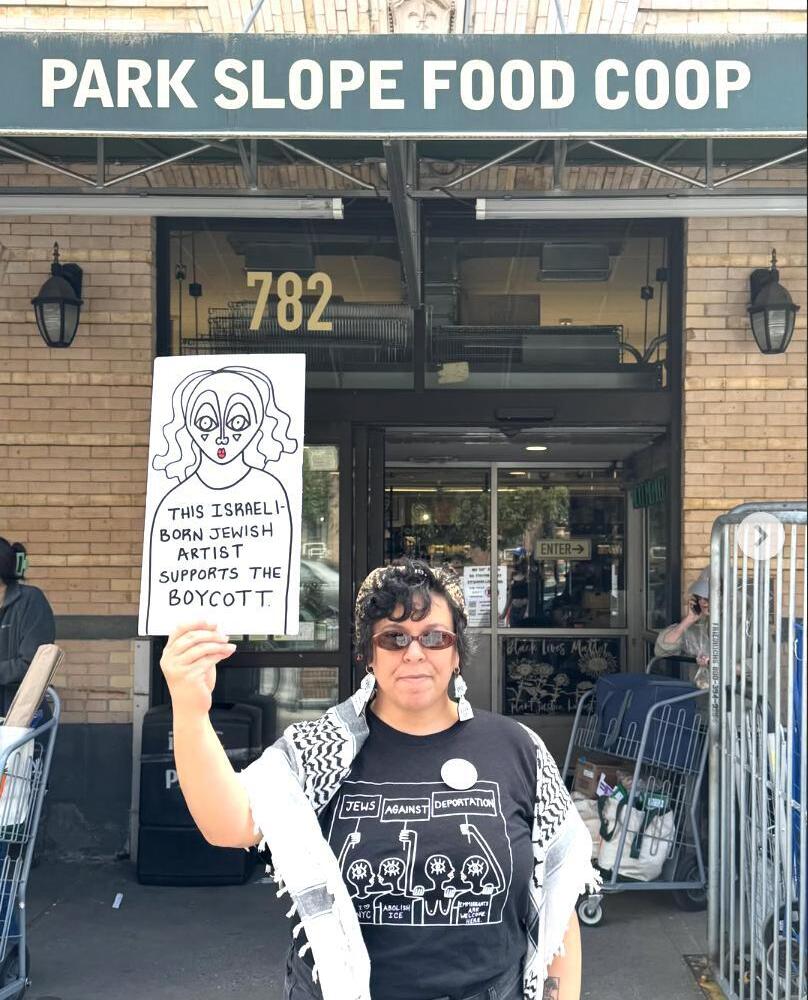
Israeli boycott supporter
Unlike commercial supermarkets designed to generate profit, the cooperative model is meant to provide members with high-quality products at significantly reduced prices. Consumers effectively jointly own and operate their grocery store. The model is based on active participation, with each member required to contribute several monthly work hours in various roles, such as stocking shelves, cleaning or working the register, in addition to paying membership fees.
The veteran Park Slope institution was founded in 1973 and has become one of the best-known of its kind in the United States. It is identified not only with organic produce but also with deep political engagement among its members, and it carries a long history of consumer boycotts over environmental issues and international conflicts.
But tensions over the Israel boycott have in recent weeks led to physical confrontations outside the store, tense community meetings and harsh exchanges of accusations. In an email sent to members, the co-op’s management cited antisemitic and anti-Muslim remarks made at last month’s general meeting. Among other things, one member was quoted as saying that “Jewish supremacism is a problem in this country."
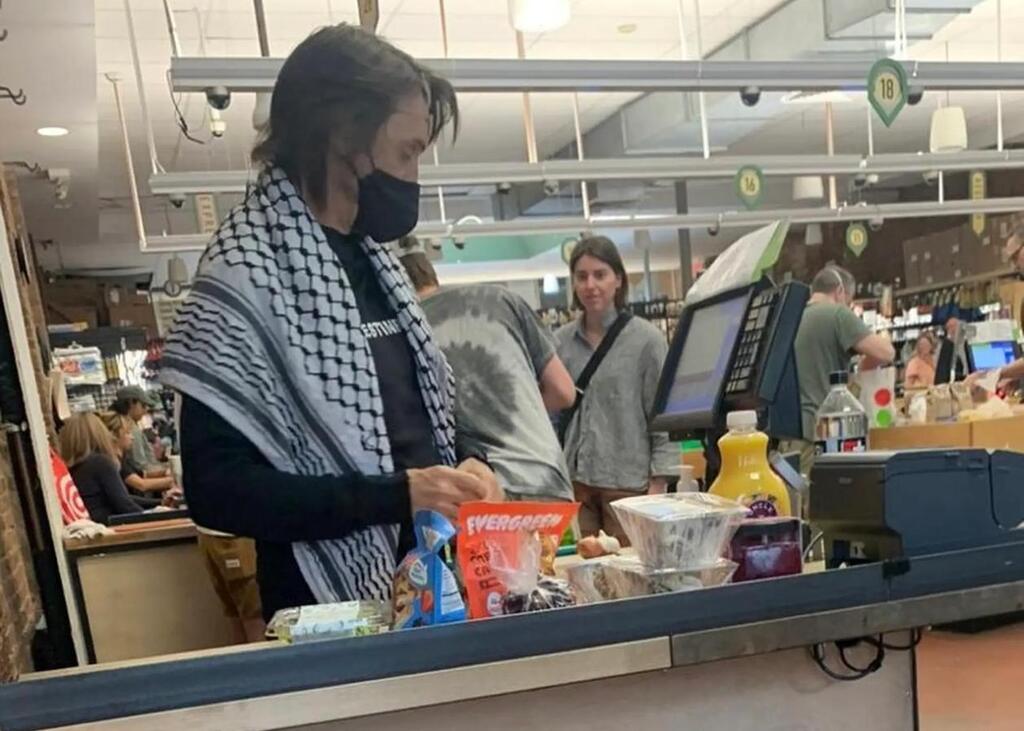
Member working in Park Slope Food Coop
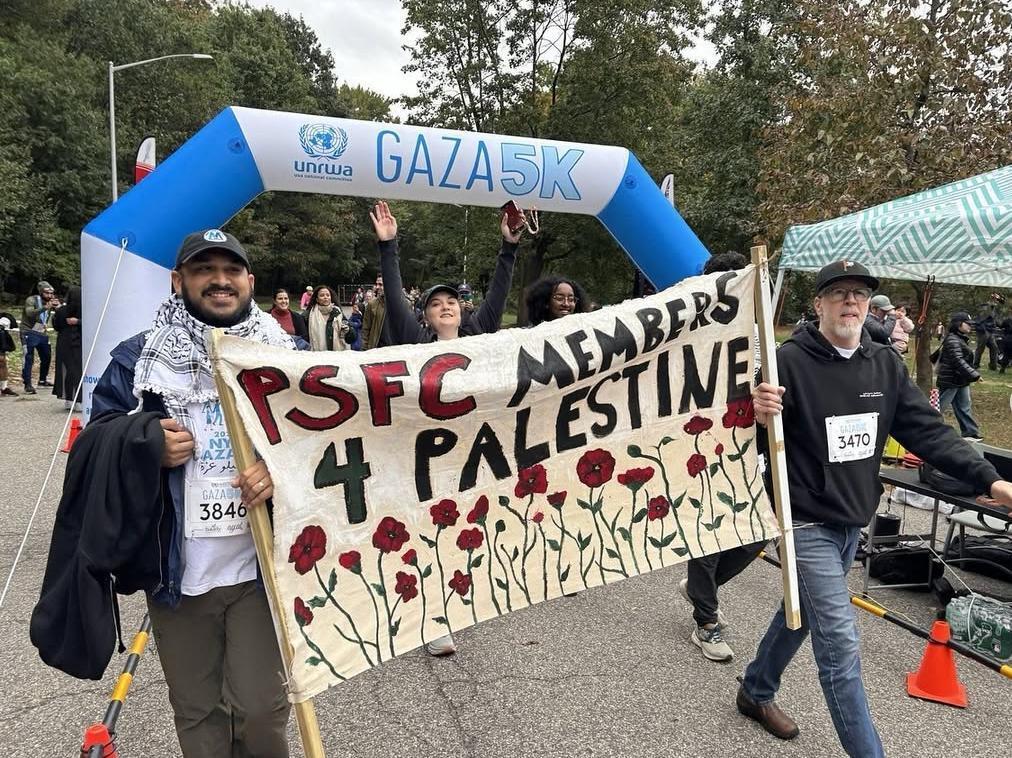
Among the photos on the Coop's Instagram
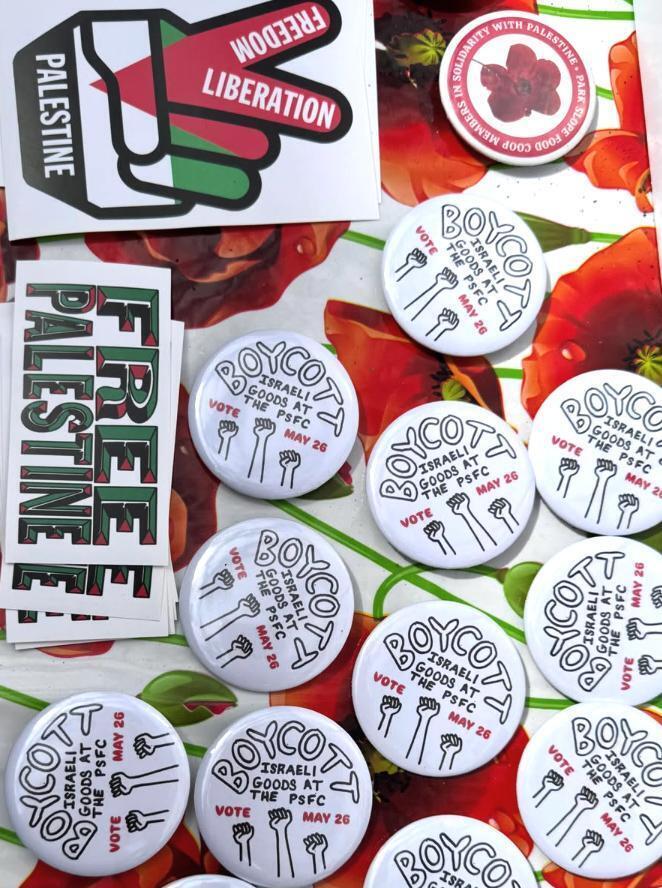
Alice Barr, a leading boycott activist and Jewish member of the cooperative since 1978, said at the meeting that the co-op had never been merely a grocery store. “A yes vote on this boycott is a vote against genocide, a vote against apartheid and a vote to return our co-op to the right side of history,” she said.
By contrast, Rabbi Rachel Timoner, senior rabbi at Congregation Beth Elohim in Park Slope, who led the opposition campaign, announced her intention to resign from the organization. She described the result as “a very sad night” for many Jews in the area.
“This was not a vote for peace or justice or humanity,” she said. “It was disguised as that, but BDS is a movement to eliminate Israel, and I think many Jews who are members of my community will feel that antisemitism has infected a really important local institution at a time when there is so much antisemitism growing everywhere.”
In another borough: Kosher bagel shop vandalized
Meanwhile, in another part of the city, the Jewish community in Queens is dealing with a vandalism incident that local police are investigating as a possible hate crime.
At 1 a.m. Friday, a masked man dressed in traditional Muslim clothing arrived at Israeli Hila Ashkenazi’s kosher bagel shop in Jamaica Estates, one of New York’s wealthiest and most prestigious neighborhoods and the birthplace of President Donald Trump.
Security cameras captured the suspect wearing a white robe, or kandura/dishdasha common in Persian Gulf states, as he vandalized the outdoor seating area of Bagels & Co for about five minutes. He smashed planters, overturned tables and chairs and threw a heavy metal barrier at the storefront windows before fleeing on foot.
The business prominently displays U.S. and Israeli flags above its entrance, and community members believe that led to it being targeted, as it is the only clear marker distinguishing it from neighboring businesses.
Moshe Safran, a Queens high school teacher and president of the Jewish Teachers Association, said: “This targeted attack on a Jewish business is part of a troubling pattern of unchecked harassment against the Jewish community in Queens, despite rallies and public statements.”
He called for urgent city intervention, saying: “Mayor Mamdani must immediately deploy additional NYPD resources to protect our synagogues, schools and businesses.”
“These intimidation tactics must stop now,” he said. “Jewish New Yorkers deserve safety in our city.”
An 18-year-old Jewish student, who asked to remain anonymous, said she was not surprised by the attack but admitted she is afraid to walk around the area. “It looked like a really angry person throwing tables and screaming,” she said. She added that there is now much more antisemitism and terror against Jews, concluding: “No, I do not feel safe walking here alone.”
Against the backdrop of the incidents, New York State approved a new law Tuesday night making it a criminal offense to harass worshippers entering or leaving religious institutions and private schools. The law establishes a protest-free buffer zone of about 50 feet around synagogues, churches, mosques and yeshivas, with violators facing up to 90 days in jail and a fine of up to $500.
The legislation was advanced at the state level and therefore applies directly inside New York City as well, in an effort to bypass Mayor Zohran Mamdani after he vetoed a similar municipal law. New York Gov. Kathy Hochul welcomed the move, saying: “Every New Yorker should be able to enter their house of worship and practice their religion without fear.”