

Dr. Gabriel “Gabi” Weisman, a Holocaust survivor, Palmach fighter and the first chief mental health officer of the IDF, has died at 97.
Weisman’s life spanned many of the defining chapters of modern Israel, from surviving the Warsaw Ghetto and the Mauthausen concentration camp to fighting in the 1948 War of Independence and later building the military’s mental health system.
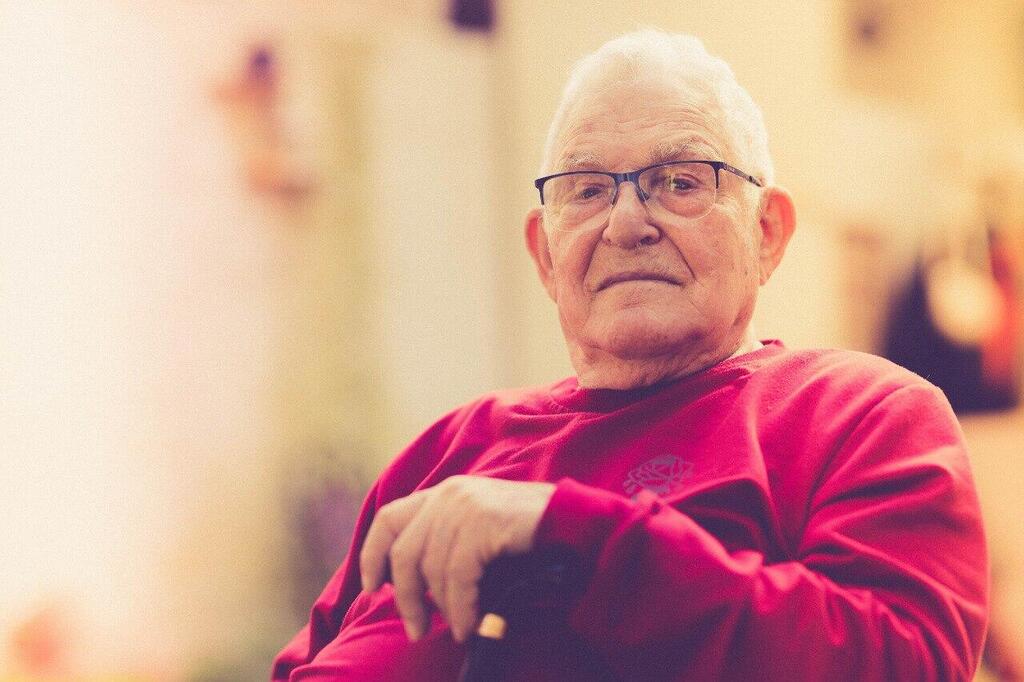
Born in Poland in 1928, Weisman survived the Warsaw Ghetto, was captured and imprisoned in Mauthausen, and emerged as the sole surviving member of his extended family.
“He was the only remnant of his entire family,” his son, actor and director Erez Shafir, told ynet. “He moved through villages in Poland with forged papers, passed through ghettos and concentration camps, and endured the horrors of the war in the most traumatic way imaginable.”
In 1946 he immigrated to Israel and was absorbed into Kibbutz Dan through the Youth Aliyah program. In May 1948 he enlisted in the IDF, trained in Afula and served as a rifleman in the Sixth Battalion of the Harel Brigade.
In later writings, he described the difficulty Holocaust survivors faced upon joining the army. “We were absorbed with difficulty into a battalion that was bleeding and did not have the tools to absorb us, who were bleeding from wounds of the Holocaust that had not yet healed,” he wrote. “We had two casualties who fell in Kfar Bilu and we had no tools to mourn them. The sense of orphanhood was difficult, as was deep loneliness.”
After the war, Weisman worked in construction before turning to social work, initially helping children. He later studied psychology and became a psychologist, sexologist and expert in trauma and stress.
From 1962 to 1978, he served as the IDF’s chief mental health officer. The military’s mental health branch was formally established during the Six-Day War, and Weisman was its first head.
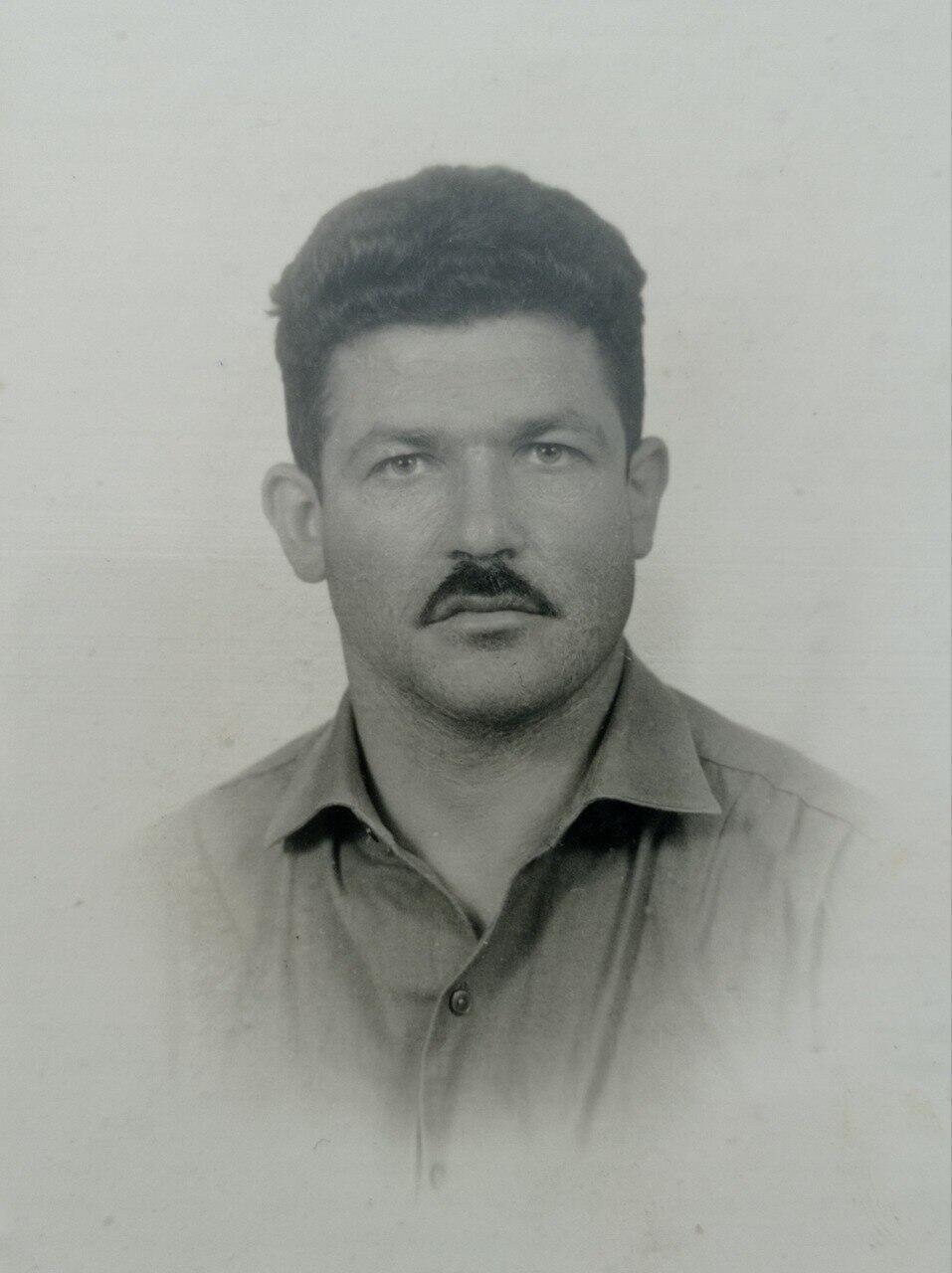
“He was at the forefront of the pioneers who established the unit for treating psychological casualties and combat trauma victims, even before the unit formally existed,” Shafir said. “During the Yom Kippur War he went to the front in the first days to personally treat soldiers suffering from combat shock and came back with very difficult stories.”
In recent years, as awareness of post-traumatic stress among soldiers has grown, his family said the importance of his work has become even clearer.
Despite the trauma he endured as a child, Weisman spoke openly about his experiences, his children said.
“He did not shut himself away in gloom,” Shafir said. “He was very open, he told and shared. It burned in his bones to help people suffering from trauma, to pull them out of extreme stress and dark situations. He knew what it meant to lose a family and to confront extreme circumstances, and that was directly connected to his professional path.”
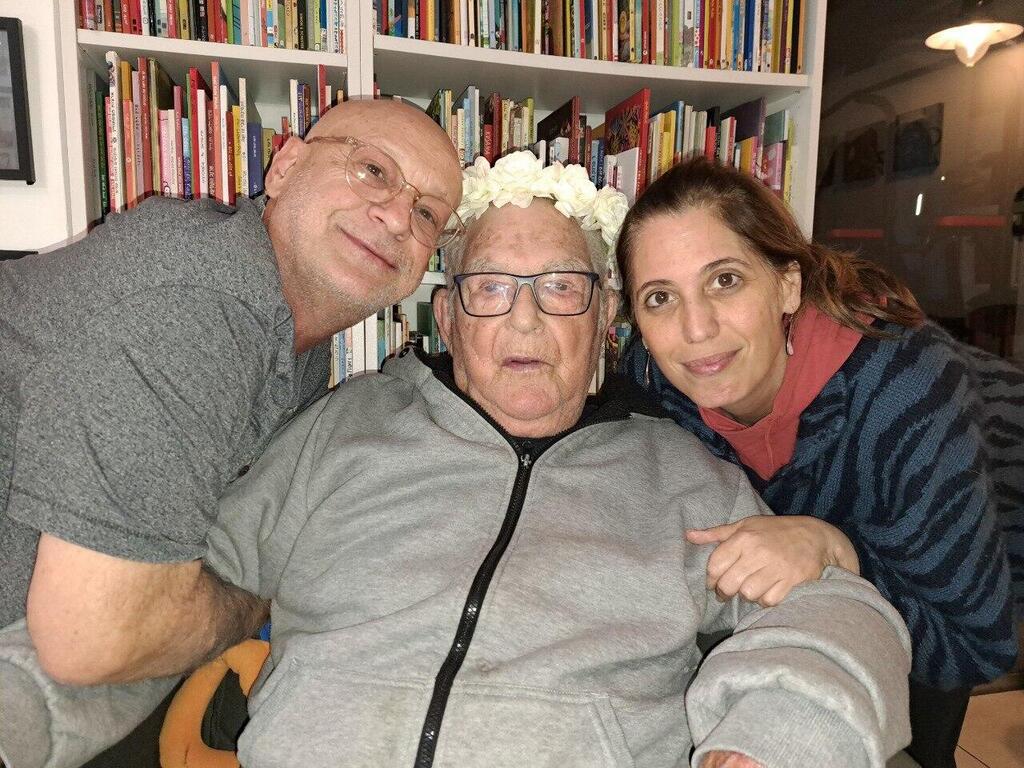
His daughter, author and illustrator Shirley Weisman, recalled her grandmother’s words to her father: “The most important thing is to survive. No matter what, do everything, just survive and tell the world what you went through.”
“He not only survived,” she said. “He married, built a family, children and grandchildren. I am proud to be his daughter.”
In addition to his clinical work, Weisman was a prolific author. He wrote a personal memoir, professional books on stress and trauma studied at universities, works on the military from a psychological perspective and novels, including books about his lifelong love story with his wife.
In his later years, he lived with his family in Ramat Hen, a neighborhood of Ramat Gan. For 16 years, his daughter said, he was cared for at home by family members.
“We lived together, seven people in one house,” she said. “We wrapped him in love. He was never alone. The grandchildren were with him every day, playing music and singing. He was an inseparable part of us.”