

Pakistan has delivered a Saudi warning to Iran to rein in its Yemeni Houthi allies after they stepped up attacks on the kingdom, in a coordinated effort to prevent the crisis from spiraling, Saudi, Pakistani and Iranian sources said.
The Houthis struck an airbase in Khamis Mushait and oil infrastructure in nearby cities on Tuesday, wounding 73 people, in one of the biggest attacks on Saudi Arabia since the start of the U.S.-Israeli war on Iran in February.
Gallery
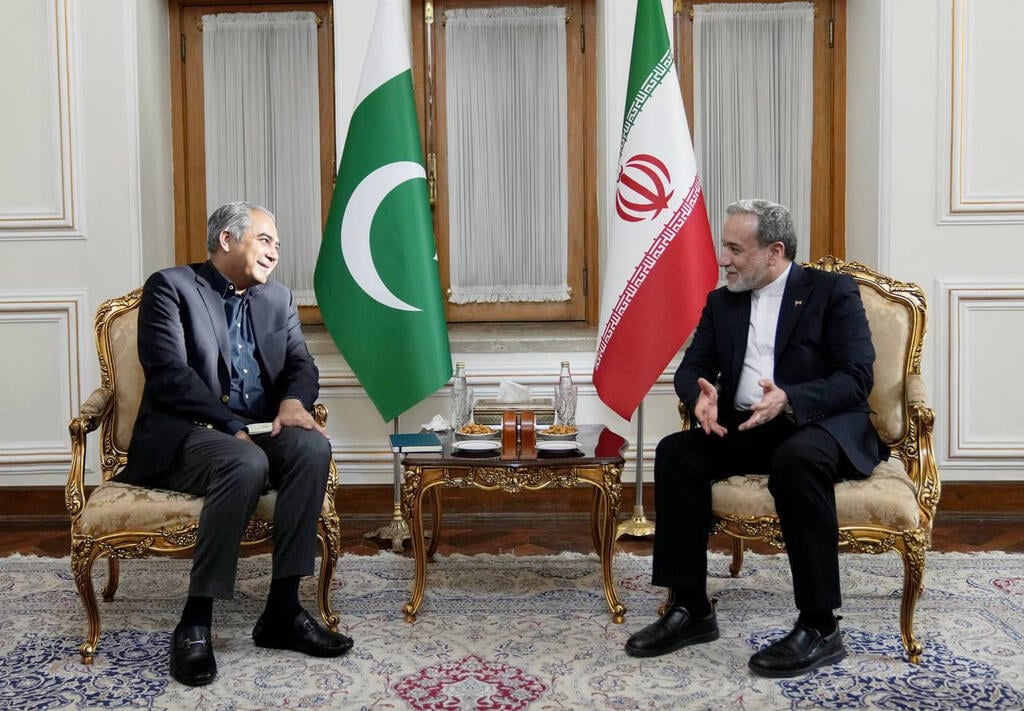
Iranian President Masoud Pezeshkian meets with chief of Defense Forces of Pakistan, Field Marshal Asim Munir, in Tehran, August 24, 2026
(Photo: Iran's Presidential website/WANA (West Asia News Agency)/Handout via Reuters)
Houthi military spokesman Yahya Saree said on Wednesday that Saudi warplanes carried out 54 airstrikes across various Yemeni provinces over the past 12 hours, adding that they would "not go unanswered and unpunished."
The escalating conflict, which represents a second theater of war to threaten global energy supplies, comes as Iran and the United States wage their biggest declared wave of tit-for-tat attacks on shipping in the Gulf region since their war began.
Pakistan's warning to Iran carries significant weight because of its defense pact with Saudi Arabia and Turkey.
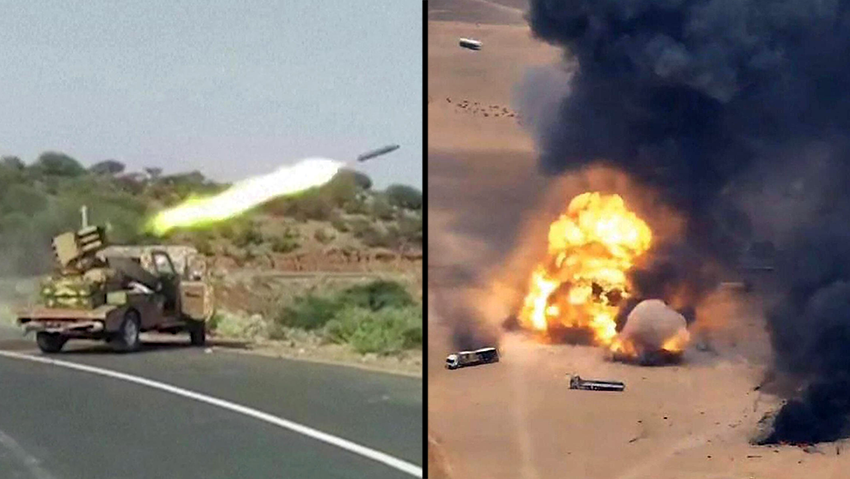
Houthis footage which they claim shows an attack on weapons equipment that Saudi Arabia transferred to a military camp in northern Yemen
(Photos:ANSARULLAH MEDIA CENTRE/AFP, NATIONAL RESISTANCE FORCES IN YEMEN / HANDOUT/AFP)
While officials in Islamabad stressed any military role would be confined to defending Saudi territory, Pakistani Defense Minister Khawaja Asif said attacks spilling into the kingdom could trigger a joint security arrangement involving Riyadh, Ankara and Islamabad.
"An aggression on one country will be considered an aggression on all three countries," Asif said on Pakistani TV.
"There is no ambiguity or doubt... Unprovoked aggression or spillover... into Saudi Arabia will definitely make this agreement operational."
The Pakistani defense ministry, foreign ministry and the military did not respond to a Reuters request for comment.
Fears of proxy war turning into wider regional crisis
Pakistan’s intervention, after years of balancing ties with Saudi Arabia and Iran, has underscored the seriousness of the Houthi attacks. The message to Tehran is clear: rein in the Houthis or risk turning a proxy conflict into a broader regional security crisis, the sources said.
A senior regional diplomat said Pakistan had conveyed the message to Iran over the past 24 hours, urging Tehran to use its influence to halt Houthi attacks on Saudi Arabia.
A senior Iranian official confirmed that Pakistan conveyed the message to Tehran on Tuesday and Tehran's response was that "Iran does not control the Houthis."
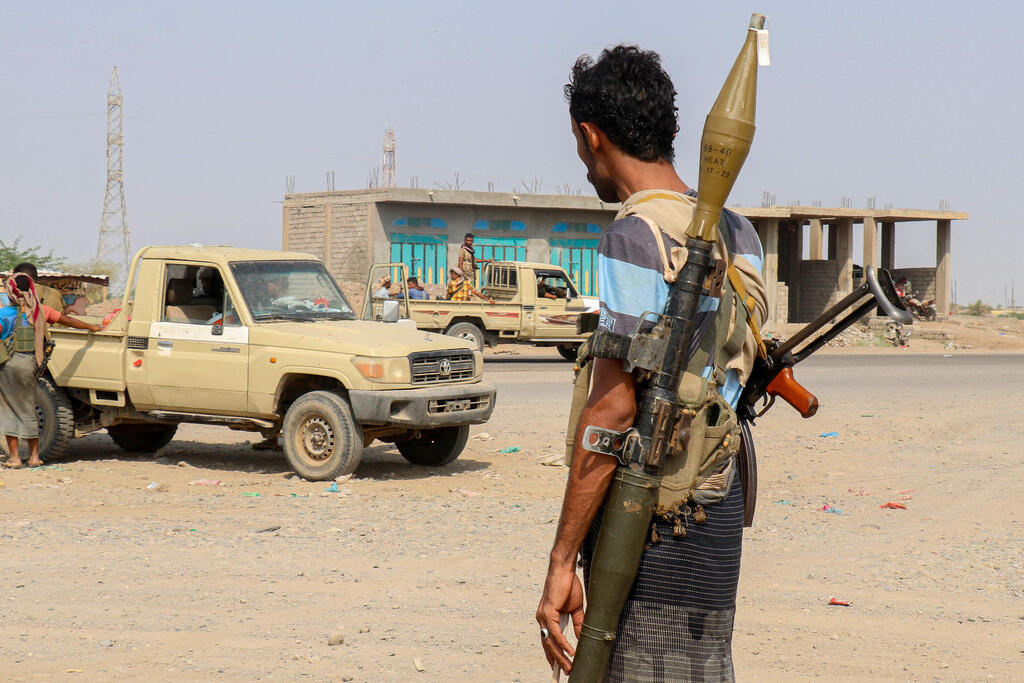
Fighters loyal to the Saudi-backed Yemeni government forces at a checkpoint near Hodeidah amid renewed fighting in Yemen against the Houthis
(Photo: Khaled Ziad / AFP)
However, two Iranian sources said Tehran had told the Houthis last week to carry out attacks on Saudi Arabia. Tehran promised additional funding and weapons, they said, while several Islamic Revolutionary Guard Corps commanders had travelled to Yemen to help coordinate the attacks.
The regional diplomat said Islamabad was seeking to restrain the Houthis before the escalation reached a point where Riyadh could press Pakistan to play a more active role in defending it.
"Pakistan has an agreement with Saudi Arabia, but I am hopeful the situation will not reach the point where Pakistan has to practically step in," the diplomat told Reuters. "It will pursue a diplomatic solution for now."
Pakistani support for Saudis
The Pakistani source said Saudi officials had met senior Pakistani and Turkish military representatives in Riyadh to coordinate their response. The three countries agreed that their troops would not enter Yemen and that any response would be launched from Saudi territory, the source added.
A second Pakistani source said no decision had been made to join retaliatory strikes, stressing that its military pact with Riyadh was defensive and limited to protecting Saudi territory. Pakistani forces could provide military, technical, ground or air support within Saudi Arabia, but would not take part in combat operations on foreign soil, the source said.
The pressure campaign waged by Iran and the Houthis could have the opposite effect to that intended by Tehran, the regional diplomat said.
By targeting Gulf security in a bid to pressure Washington over its blockade of Iranian ports, Tehran risks driving Saudi Arabia, Pakistan, Turkey and other U.S.-aligned states into closer security coordination rather than fracturing their ties.
Trump's blockade of Iran set to continue
Regional officials also see little sign that Washington is prepared to relent.
President Donald Trump appears committed to maintaining the U.S. blockade until Iran reaches an agreement with Washington, the diplomat said, while Qatar is quietly exploring new proposals aimed at bringing both sides back to negotiations.
Another regional source said Saudi Arabia's military response would remain focused on the Houthis rather than Iran itself. Nor do Saudi officials believe Houthi attacks will achieve Tehran's broader objective of ending the U.S. blockade.
Riyadh is not expected to press Washington to lift the blockade, that source said, stressing that Trump believes sustained economic coercion is the most effective pathway to negotiations.
"The question is how much pain Iran can absorb, and for how long," the source said. "Trump does not want a military solution. He wants to squeeze them through the blockade."