


Talks in Sharm el-Sheikh on U.S. President Donald Trump’s plan to free all the hostages and end the war resumed Wednesday morning, and behind-the-scenes negotiations continue over the lists of Palestinian prisoners to be included in the deal.
Alongside Hamas handing over lists to the mediators in the morning, Palestinian sources say the prisoner issue is taking a prominent place in the discussions — in part because of Turkish pressure to push the lists, and because Hamas insists on including prisoners who were given long sentences.
A senior Palestinian source told ynet Wednesday morning that attempts are now being made to increase the number from 250 to 300 prisoners serving life sentences. According to figures from the “Palestinian Prisoners Club,” 303 life prisoners are held in Israeli prisons — some from before the Oslo accords — and therefore have almost no hope of release in the future. “For those prisoners, this could be their last chance to go free, so there is great hope among them,” the senior official said.
Gallery
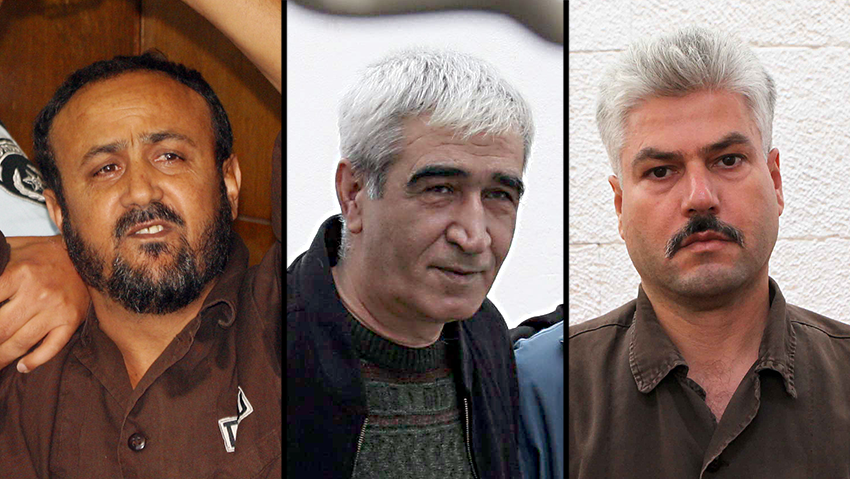
High profile Palestinian terrorists serving life sentences include Marwan Barghouti, Ahmed Saadat, Abbas a-Sayed
(Photos: Noam Moskowitz, Ata Awisat, Yariv Katz)
He added that, following Turkish pressure, there has been an effort to prevent Israel from vetoing the names of prisoners proposed for release, and that there is also an effort to prevent their deportation to third countries. “The most important thing is the release itself,” he said, and added that among the names the Palestinians want included are also Israeli-Arab prisoners who were sentenced to long terms.
According to him, the deportation issue remains one of the sensitive points in the negotiations. “Prisoners who are deported are actually released, but they face many difficulties — especially those who end up in Egypt,” he said. “So far they do not hold citizenship, they cannot move freely, and Egypt becomes for them an interim station on the way to other countries, whether in Europe or countries such as Pakistan that receive Palestinian prisoners.”
The senior official stressed that most of the prisoners released in past deals “did not return to engage in terror or in politics,” and that many of them now live in various places around the world, detached from the Palestinian arena.
Meanwhile, Hamas is trying to broadcast optimism. Taher al-Nunu, the communications adviser to the head of the political bureau, said from Sharm el-Sheikh that the organization’s delegation “displayed the positivity and necessary responsibility to achieve the needed progress and bring the agreement to completion.” According to him, “the mediators are investing great efforts to remove the obstacles to implementing the ceasefire, and there is an atmosphere of optimism among all parties.”
Al-Nunu added that the discussions focused on mechanisms to end the war, the withdrawal of Israeli forces from the Strip and prisoner exchanges, and that Wednesday lists of hostages were exchanged in accordance with the criteria and numbers agreed upon.
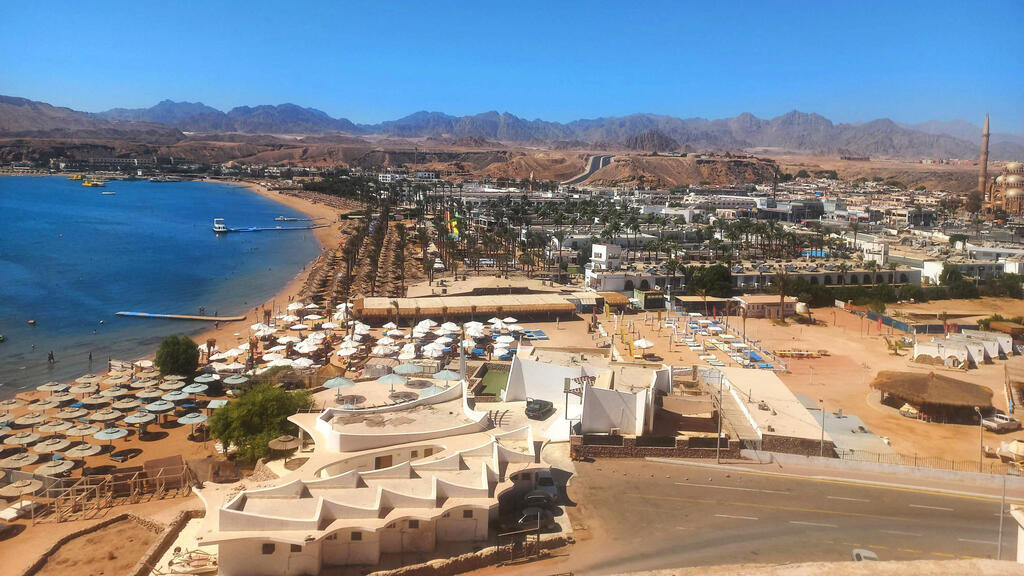
The negotiations are being held in the Egyptian resort town of Sharm el-SHeikh
(Photo: AFP)
According to the Egyptian channel Al-Qahira Al-Akhbariya, Wednesday’s talks will deal with the issues of prisoners and hostages, arrangements for complete ending of fighting, as well as withdrawal maps and the delivery of aid. The talks began at 11:00 a.m. Senior advisers to U.S. President Donald Trump, Jared Kushner and Steve Witkoff, arrived in Sharm Wedneday morning, alongside Minister Ron Dermer - who leads the Israeli negotiating team, Qatar’s prime minister Mohammed al-Thani and head of Turkish intelligence İbrahim Kalın. A source familiar with the talks said the coming 24 hours will be a central indicator of whether an agreement can be reached.
According to Arab reports, Hamas is demanding the release of “aces” (life-term prisoners), including Marwan Barghouti, who headed the Tanzim and was sentenced in Israel to five life terms plus 40 additional years. A Palestinian source said Barghouti’s wife, Fadwa, left Ramallah and arrived in Cairo — a step that has attracted considerable attention in light of the recent developments in the talks.
The Wall Street Journal reported that Hamas is demanding not only the release of those “aces” but also the return of the bodies of Yahya and Mohammed Sinwar. The newspaper quoted sources in the mediating countries saying the demand includes returning the bodies of the architects of the October 7 massacre from. Israel has already refused in the past to release Yahya Sinwar’s body after it was moved to secret storage.
Sources involved in the discussions say no agreement has yet been reached on the timing for implementing the first phase of Trump’s plan. Hamas is demanding a permanent ceasefire, a full withdrawal of IDF forces from the Strip and the start of reconstruction under Palestinian supervision, while Israel demands the disarmament of the terror organization — a condition Hamas rejects. Sources on both sides warned that it is too early to speak of a breakthrough, although the United States has expressed cautious optimism about progress in the negotiations.