

Israel is helping the United States manage the crisis around the Strait of Hormuz, primarily through intelligence, a senior Israeli security official said Monday, as Washington weighs its next steps in the war with Iran.
The remarks underscored Israel’s supporting role in one of the conflict’s most sensitive arenas, as President Donald Trump has warned Tehran to reopen the strategic waterway or face broader U.S. attacks on Iranian energy infrastructure.
Gallery
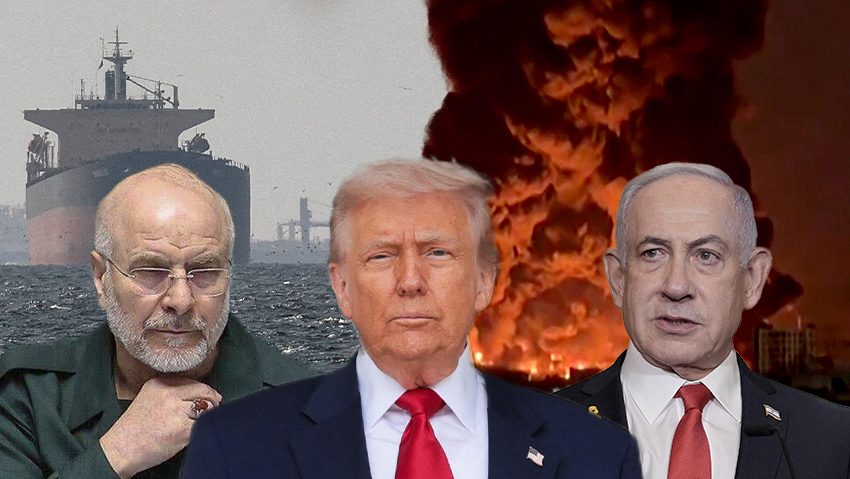
(Photo: AFP / SOURCE: UGC / UNKNOWN, REUTERS/Jessica Koscielniak/Stringer, Oliver CONTRERAS/AFP)
The official said Israeli strikes on Iranian steel plants earlier this week had caused damage worth billions of dollars and had become a major preoccupation for Tehran. He said the IDF had been tasked with creating conditions that could enable the fall of the regime and said Israel was “very close” to achieving the objectives it had set for itself in Iran, with assessments of the campaign’s gains being updated constantly.
On Lebanon, the official said Israel saw a rare opportunity to bring about Hezbollah’s disarmament and would not end its campaign there until the safety of residents in northern Israel was assured. He said the defense establishment viewed the fighting in Iran and the fighting on the northern front as separate campaigns, and that even if the Iran operation ends, the campaign in Lebanon would continue until its goals are achieved.
“The population will not return to southern Lebanon until we finish there,” the official said, describing the moment as a historic opportunity to “pull the snake’s teeth.” He said the IDF was demolishing homes in the first line of villages that had been identified as having been used by Hezbollah, comparing the operations to those in Gaza and saying areas from which attacks had been launched were being flattened.
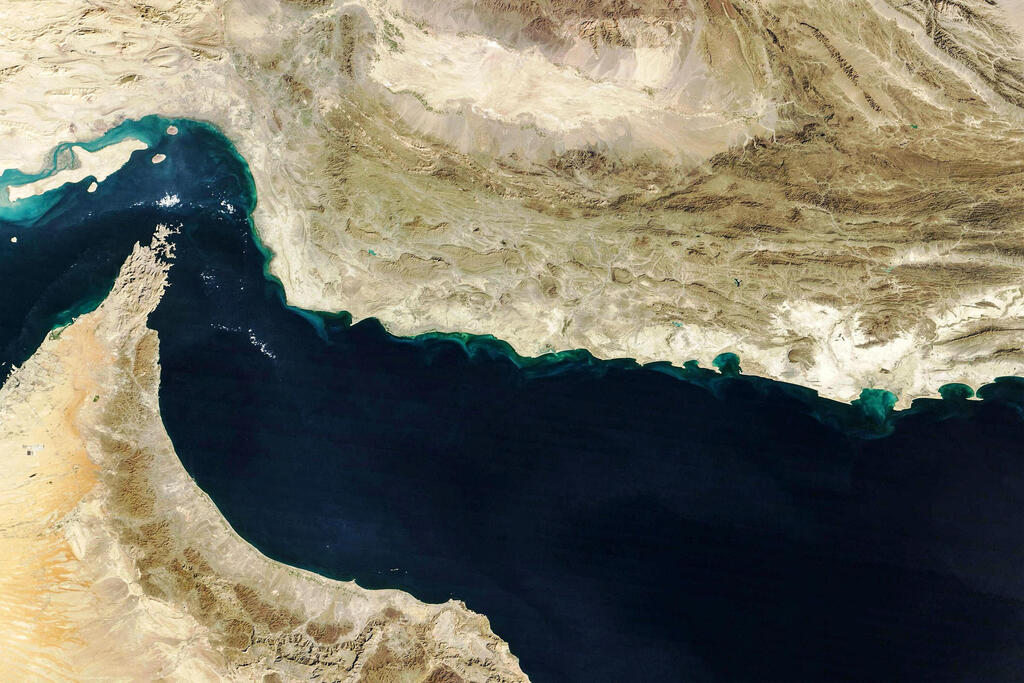
The Strait of Hormuz
(Photo: AFP PHOTO / NASA)
Meanwhile, Iran appears to be continuing to signal an intent to assert control over the Strait of Hormuz. According to reports in Iranian media affiliated with the regime, a member of Iran’s National Security Committee said the panel had approved a plan for managing the waterway.
According to the reports, the plan’s main elements include setting security arrangements for the strait, ensuring shipping safety, addressing environmental issues, establishing economic and tariff mechanisms, barring passage to U.S. and Israeli ships, enforcing what Iran describes as its sovereign role and that of its forces in the area, and blocking vessels from countries participating in sanctions against Iran.
Meanwhile, Iranian media reported that four boats caught fire in Bandar Lengeh in southern Iran after an attack.
IDF strikes 170 Iranian regime-linked targets in 24 hours
(Video: IDF)


The IDF said the air force struck 170 regime-linked targets across Iran over the past 24 hours using about 400 munitions. According to the military, the targets included drone engine production sites in Tehran, an industrial compound where weapons components were developed, a research and development site and a central facility used to manufacture major components for a range of weapons.
Israeli strikes were continuing Monday in and around the Iranian capital. Iranian media reported sounds of explosions in Tehran and Karaj.