


Nearly seven years after announcing that Prime Minister Benjamin Netanyahu would be indicted, and a decade after disclosing that a preliminary examination into his affairs was underway, former Attorney General Avichai Mandelblit arrived Sunday at the Jerusalem District Court to testify in Netanyahu's corruption trial.
Mandelblit entered the courthouse accompanied by two police officers and court security personnel. Netanyahu also arrived for the hearing, which took place just over two weeks before Israel's October 27 election.
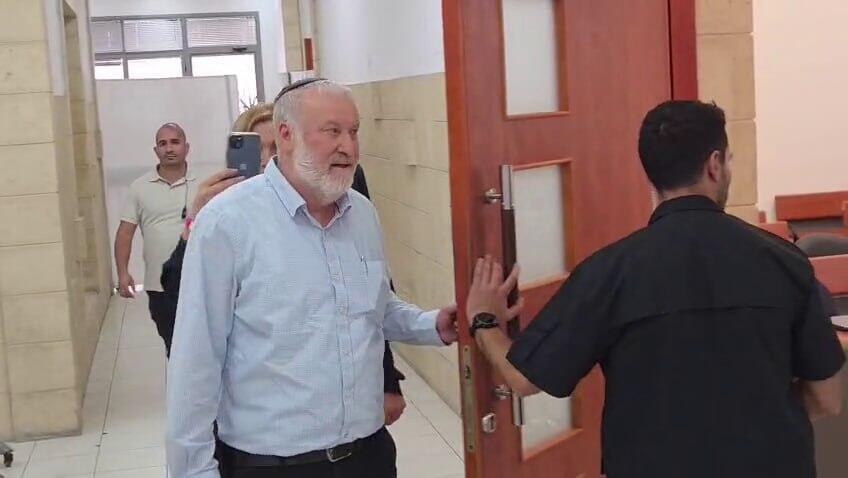
7 years after indicting Netanyahu, ex-AG Mandelblit testifies at corruption trial as PM attends
Among those attending the testimony were Foreign Minister Gideon Sa'ar, Knesset Speaker Amir Ohana and Efi Nave, the former head of the Israel Bar Association who was defeated in the Likud primaries. It was the first time Sa'ar had attended a hearing in Netanyahu's trial.
Also present was lawmaker Tally Gotliv, who recently left Likud for Otzma Yehudit. Gottlieb shouted at Mandelblit as he entered the courtroom.
Mandelblit, appearing as a defense witness, is expected to face questions from Netanyahu's attorneys, Amit Hadad and Noa Milstein, focusing primarily on whether he authorized investigative actions taken against the prime minister and whether police carried out certain steps without his knowledge or approval.
The question of authorization has become a central issue in the defense's challenge to the investigation. Netanyahu's lawyers argue that some investigative actions were conducted without the necessary approval from the attorney general, while prosecutors maintain that the investigative steps were lawful and properly authorized.
At the defense's request, Mandelblit was summoned to testify over seven nonconsecutive days. However, it remains unclear whether the judges will allow the full seven days, as questioning concerning the attorney general's authorizations may require less time than the defense has requested.
Mandelblit's testimony is expected to focus on decisions made during the investigation that ultimately led to the criminal charges against Netanyahu, including the scope of the approvals he granted police and whether investigators exceeded those authorizations.