


Iran had threatened retaliation against American bases in the Middle East prior to early Sunday’s U.S. strikes on its nuclear facilities, The New York Times reported, citing longstanding warnings from U.S. intelligence agencies.
However, U.S. and Israeli officials assessed that Israel’s preemptive strikes "severely damaged Iran’s ability to mount attacks," destroying launchers and degrading military bases.
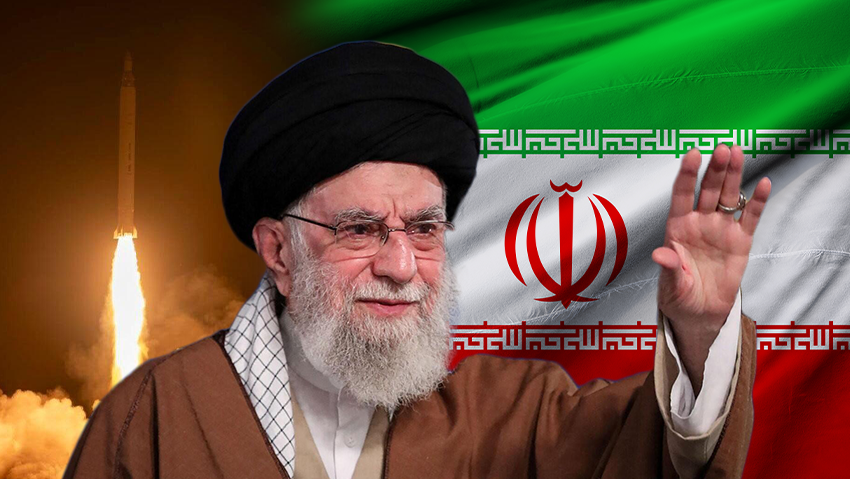
According to the report, sources said Israel’s week-long campaign depleted Iran’s arsenal: the country began with around 2,000 medium to long-range missiles—one of the region’s largest stockpiles—but fired "hundreds" while losing "at least half" of its launchers to Israeli strikes.
Nicholas Carl of the American Enterprise Institute’s Critical Threats Project told the American outlet this degradation critically limits Iran’s capacity: "As you begin to whittle away at the launchers, the Iranian ability to summon large volumes of missile fire is diminished."
U.S. officials warned that while Iran might avoid striking bases in Arab states, Sunday’s U.S. strikes on Fordow, Natanz and Isfahan could shift this calculus.
Get the Ynetnews app on your smartphone: Google Play: https://bit.ly/4eJ37pE | Apple App Store: https://bit.ly/3ZL7iNv

U.S. Presidnet Donald Trump
(Photo: Carlos Barria/Pool via AP)
U.S. President Donald Trump’s post-strike address underscored U.S. resolve: "There will be either peace or there will be tragedy for Iran far greater than we have witnessed... if peace does not come quickly, we will go after those other targets."
Despite Iran’s threats, experts noted its diminished coordination capacity. Carl observed that Israeli pressure forced Iran to accelerate launch timelines, making "large-scale attacks across the country" harder to execute. U.S. missile defenses (Patriot batteries, Aegis destroyers) are also deemed effective against smaller barrages—Iran’s likely remaining capability.