


Likud’s 2026 primaries have become one of the most consequential moments of Israel’s election campaign before a single ballot in the general election has been cast.
The party is completing a full four-year term defined by two events of historic magnitude: the government’s judicial overhaul, which pushed Israeli society to a level of political confrontation rarely seen in recent years, and the Oct. 7 massacre, which created a new and deeply destabilizing reality for much of the country.

That makes these primaries more than the usual contest over who rises and who falls on Likud’s slate. Veteran ministers and lawmakers are fighting for their political survival, but the larger question is what kind of party Likud intends to be. The list chosen by roughly 140,000 party members will become its public face heading into the 2026 election.
Prime Minister Benjamin Netanyahu is watching closely. He knows the makeup of the slate could have a decisive effect on the general campaign, and the primary will also test which force matters more inside Likud: registered members who control the party institutions, or the much larger pool of Likud voters who turn out in national elections without participating in its internal machinery.
The difference between those two groups can be substantial. That is where one of the primary’s most closely watched tests comes in: what Likud figures have begun calling “Gottliebism.”
MK Tally Gotliv has become one of the party’s most popular figures without following the traditional Likud playbook. She does not routinely attend Central Committee gatherings, make the rounds at activists’ homes or cultivate the local networks that have long been considered essential to surviving a Likud primary.
Despite that, she enjoys unusually strong support, a phenomenon that has unsettled some in the party and drawn attention even inside Netanyahu’s office.
The term “Gotlivism” was coined by outgoing MK Eliyahu Revivo, who announced that he would not run in the primaries because, he said, the system left him little chance of success. Revivo used the term critically, but a broad segment of Likud members openly identifies with Gotliv’s political style and says it admires her.
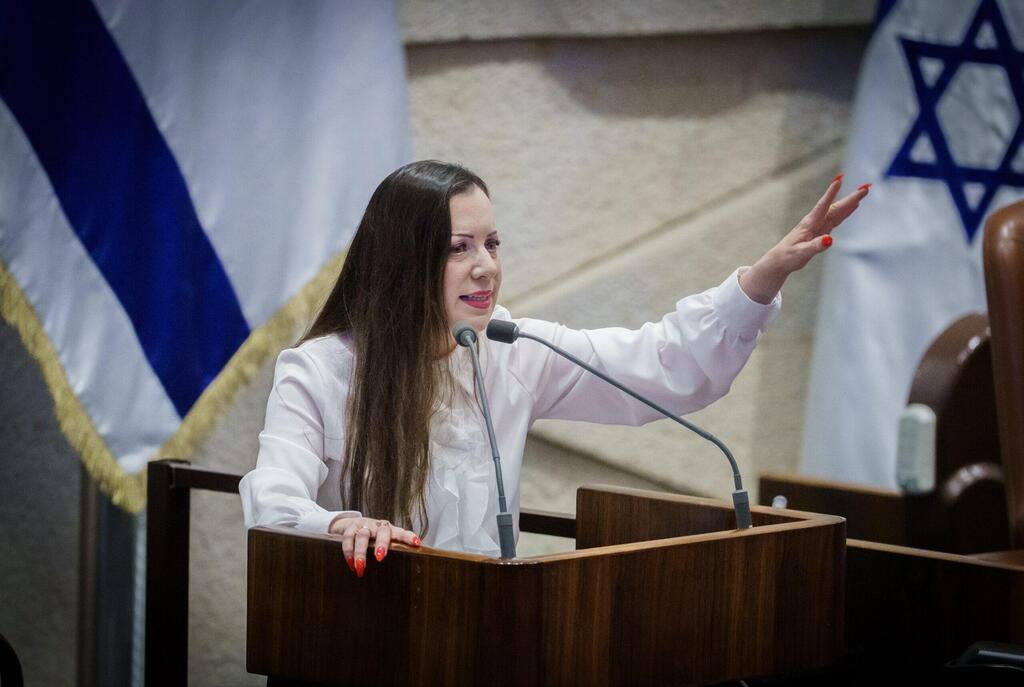
MK Tally Gotliv
(Photo: Shalev Shalom)
Her performance will therefore be one of the clearest indicators of where the party’s base is heading.
Another closely watched contest will be over the highest-ranking woman on the slate. In a party long dominated by men, that position has traditionally carried symbolic weight. Transportation Minister Miri Regev will be seeking to retain her standing, but the result could show whether party members are ready to elevate a different figure.
Hours before polls were due to open, ynet reported that Netanyahu had decided to back Dr. Ruth Kabesa Abramzon for the reserved slot for a new female candidate, currently designated for No. 34 on the slate.
Kabesa Abramzon, a familiar figure on the Israeli right who is running for the first time, is viewed by Netanyahu as a potentially fresh addition to the ticket. Sources familiar with the matter said branch leaders aligned with Netanyahu had begun adding her to their recommended voting lists and removing rival candidates.
The protected candidates and Netanyahu’s rivals
Two senior ministers, Israel Katz and Haim Katz, have already avoided what is expected to be one of Likud’s most difficult primaries in years after securing reserved places on the slate.
Attention will now turn to what role they play afterward. Israel Katz has largely remained on the sidelines, while Haim Katz has emerged, intentionally or not, as an important organizational force in shaping the party list and helping Netanyahu dismantle and rebuild political alliances.
Economy Minister Nir Barkat is another major figure under scrutiny. Reports recently alleged that Barkat tried to oust Netanyahu immediately after Oct. 7. Barkat denied the claim, and his aides sought a meeting with the prime minister, but Netanyahu’s office rejected the request, saying there was no need.
That leaves Barkat facing the final hours of the primary campaign while also trying to contain the political fallout from the allegations.
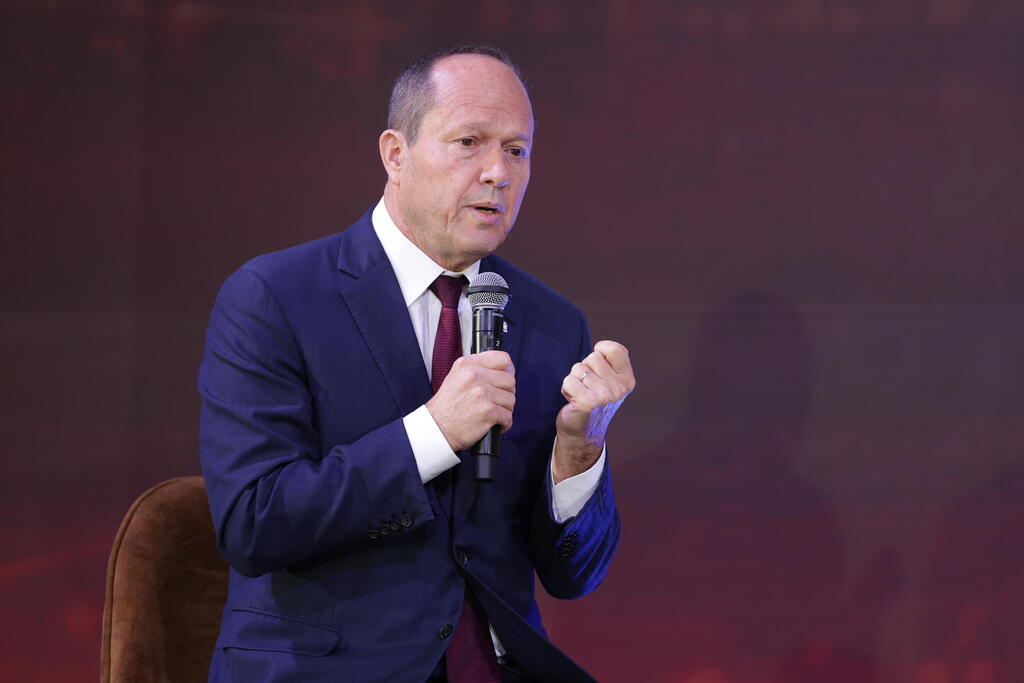
Economy Minister Nir Barkat
(Photo; Avigail Uzi)
MK David Bitan’s showing will also be closely watched. Bitan has strengthened his political position during the current Knesset term and recently came out firmly against Netanyahu’s proposed reserved slots on the Likud slate, clashing with him in the party’s Constitution Committee.
Those who have worked with Netanyahu over the years say his public indifference toward Likud primaries is largely an act. Major membership organizers and mayors aligned with him routinely consult him on election day before finalizing their recommended lists.
Usually, by the time polls close, Netanyahu already has a good sense of which way the party is moving and how many candidates he favors have secured realistic positions.
This time, however, the stakes are higher.
With Likud’s prospects in the next Knesset still uncertain, Netanyahu needs a slate that is tightly controlled, disciplined and loyal, and, if possible, one that can also project a more statesmanlike image to voters outside the party’s registered membership.
The primaries will show whether Likud’s 140,000 members intend to give him that list, or something very different.