

Iranian President Masoud Pezeshkian warned Sunday that any attack on Iran’s supreme leader, Ayatollah Ali Khamenei, would be considered a declaration of all-out war against the Iranian nation, saying the Islamic Republic’s response to any military aggression would be severe and deeply regrettable.
Pezeshkian’s remarks came a day after Dan Shapiro, a former US ambassador to Israel, said he believed President Donald Trump would attempt to kill Khamenei as early as this week.
Gallery
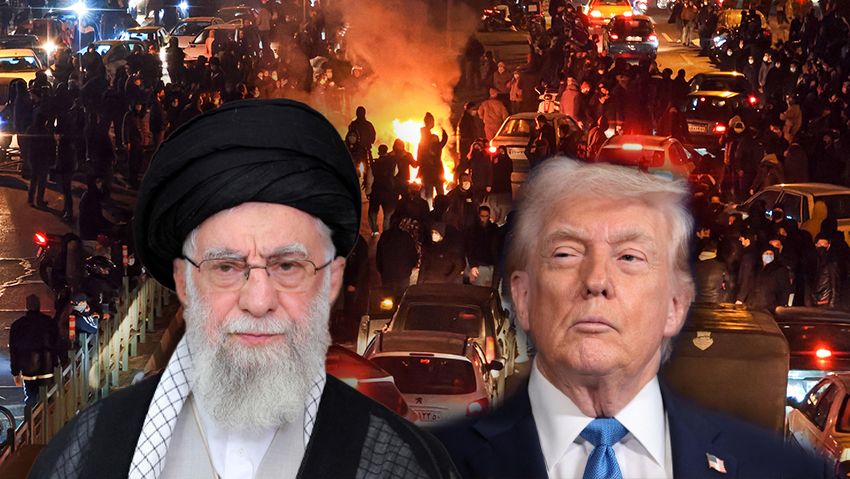
Ayatollah Ali Khamenei: 'We find the US President guilty,' Trump: 'He is a sick man, Iran needs new leadership'
(Photo: REUTERS/Jonathan Ernst, Office of the Iranian Supreme Leader/WANA (West Asia News Agency)/Handout via REUTERS, Anonymous/Getty Images)
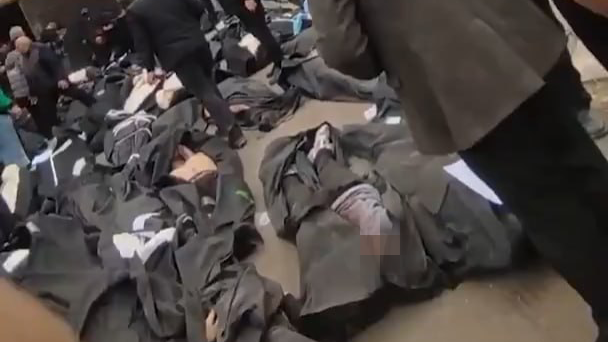
Bodies of victims in footage that emerged from Iran about a week ago
In a post on X, formerly Twitter, Pezeshkian wrote: “If there are hardships and suffering in the lives of the dear people of Iran, one of the main reasons is the long-standing hostility and inhumane sanctions imposed by the US government and its allies. Any harm to the supreme leadership of our country is tantamount to a declaration of total war against the Iranian nation.”
In recent days, Trump has signaled he decided to delay any immediate strike on Iran, backing away from a pledge he made to Iranians at the height of unrest about a week and a half ago, when he said “help is on the way” and urged them to continue fighting the regime. Over the past 24 hours, however, threats and insults have again been exchanged between Trump and Iran’s leadership. At the same time, the US has continued moving an aircraft carrier and forces suitable for a major strike closer to the Middle East, leading many analysts to assess that the likelihood of an American attack remains high.
In a series of posts on X on Saturday, Khamenei sharply criticized Trump, accusing the United States of responsibility for the wave of protests that erupted over Iran’s economic crisis. “Responsibility must be placed on the United States,” he wrote, adding: “We find the US President guilty due to the casualties, damages and slander he inflicted upon the Iranian nation.” Trump responded in an interview with Politico, calling Khamenei “a sick man” and saying it’s time to look for new leadership in Iran.
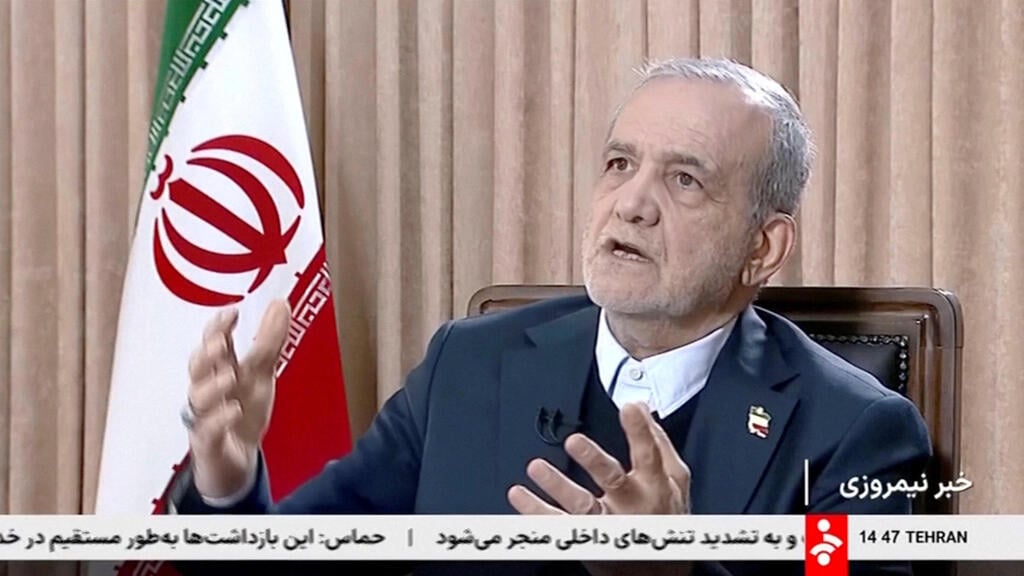
Iranian President Masoud Pezeshkian
(Photo: IRIB/via Reuters TV/Handout via REUTERS)
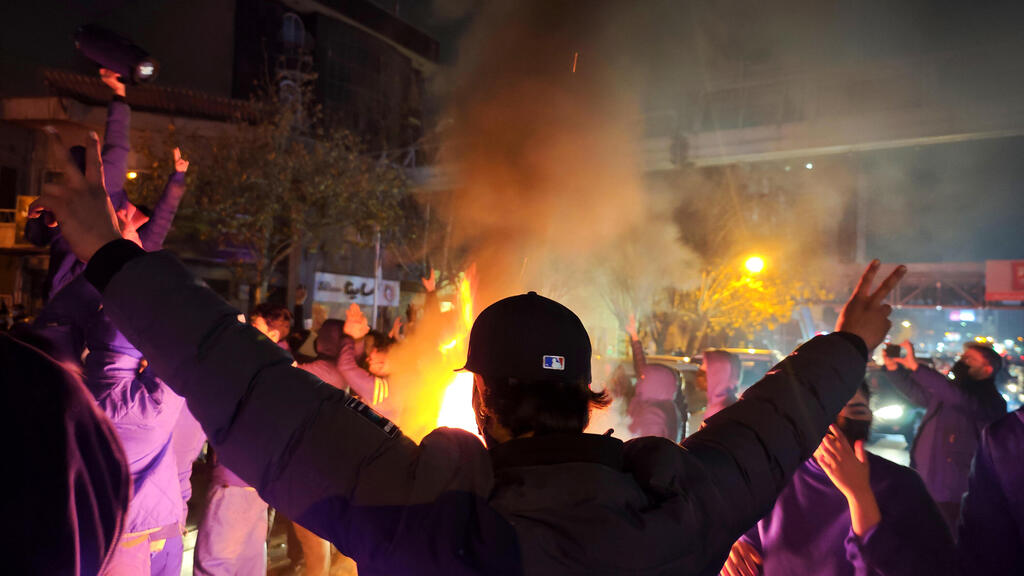
Iranians protest on Jan. 8
(Photo: Anonymous/Getty Images)
Against this backdrop, Shapiro said Sunday that “Trump’s comments on needing new leadership in Iran, and Khamenei's mindless baiting of Trump on X, lead me to believe that Trump is going to try to kill the Supreme Leader this week.” He added that a US aircraft carrier strike group would soon be in the Middle East, making it easier for the United States to carry out large-scale strikes on Iran and prepare to defend against retaliatory Iranian attacks. Seizing the moment, he said, would allow Trump to claim he remained loyal to Iranian protesters he encouraged to take to the streets and was following through on his threat to make the regime pay for killing them.
Reports of mounting death toll
An Iranian official told Reuters on Sunday that at least 5,000 people have been killed in the crackdown on protests against the clerical regime since the start of the month. The official said about 500 members of the security forces were among the dead and, in line with the government’s position, blamed the deaths of “innocent people” on “armed terrorists and rioters” allegedly supplied by Israel and other foreign actors. A day earlier, Khamenei acknowledged that “thousands” had been killed in the crackdown, also blaming the United States, Trump and “the Zionists,” as he put it.
Trump: No one convinced me not to strike Iran, I convinced myself
(Video: Reuters)


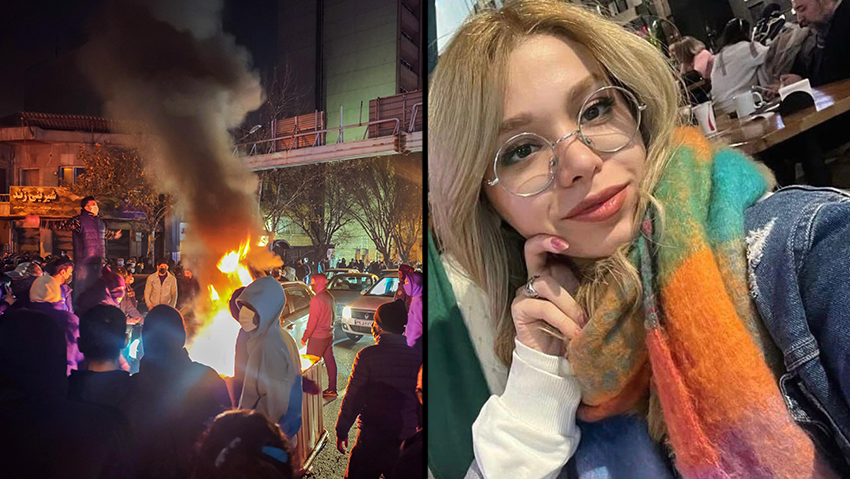
Fire in the streets of Iran at the height of the protests, and protest activist Rubina, whose family was informed she was killed
(Photo: Anonymous/Getty Images, AP)
The Iranian official told Reuters the final death toll was not expected to rise significantly, but unverified reports suggest the number of people killed is far higher. Britain’s Sunday Times reported Sunday that, according to Iranian doctors, the death toll could exceed 16,000. The report, based on a leaked medical document compiled inside Iran and transmitted with the help of doctors using Starlink satellite internet, said between 16,500 and 18,000 protesters were killed and about 330,000 wounded, including children and pregnant women.
On Saturday night, the US-based Human Rights Activists News Agency, or HRANA, said it had verified 3,308 protester deaths but was still reviewing another 4,382 cases, meaning the toll could rise further. The group said more than 24,000 protesters have been arrested. It added that despite Trump’s claim that Iran halted 800 planned executions of detainees, many could still be tried and executed, as Iran has done following previous protest waves, including the 2022 “hijab protests.”
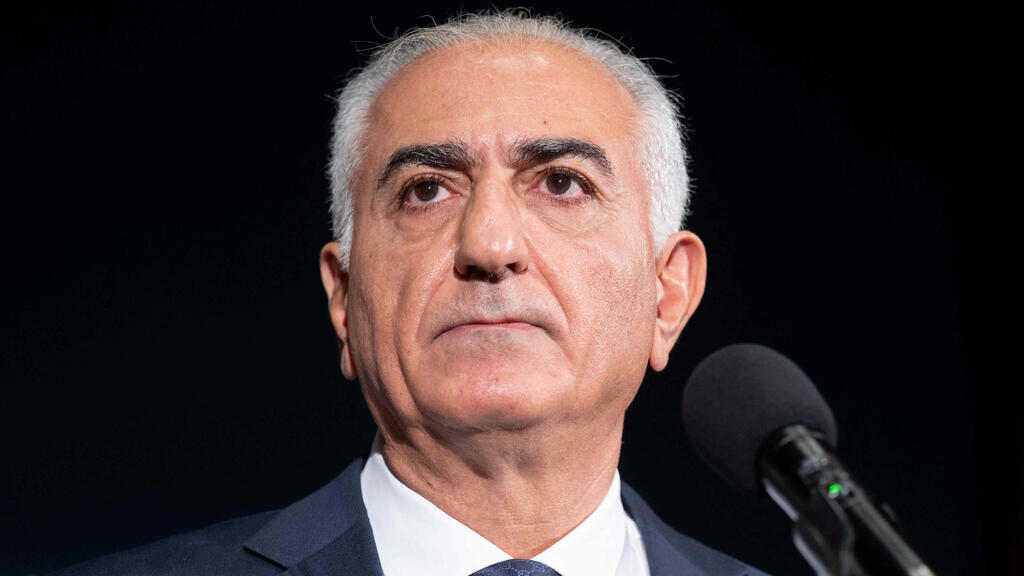
Reza Pahlavi, son of the shah ousted in the Islamic Revolution, who sought to lead the current protest movement
(Photo: SAUL LOEB / AFP)
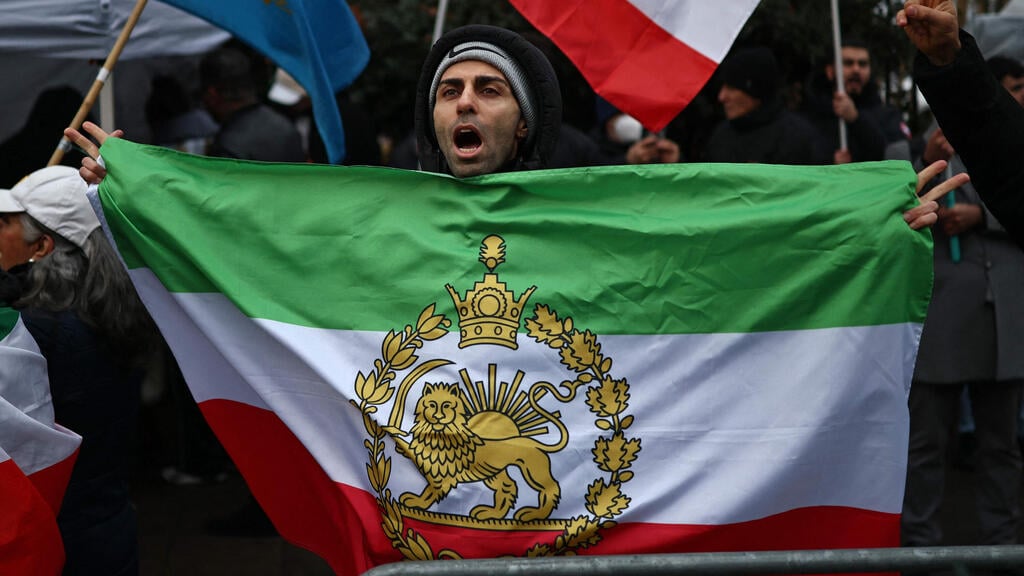
Pro-Iranian protest in London, with Iran’s former flag associated with the Persian shah
(Photo: Henry NICHOLLS / AFP)
The protests erupted on Dec. 28 as a spontaneous demonstration by merchants in Tehran’s Grand Bazaar over soaring inflation and the sharp depreciation of Iran’s currency. The unrest gradually gained momentum and, as in past protests, quickly turned into a broader movement against the clerical regime and its widespread repression of civil and human rights under Islamic law.
Protesters chanted slogans including “death to the dictator,” directed at Khamenei, and “this is the final battle, Pahlavi will return,” referring to exiled Crown Prince Reza Pahlavi, son of the shah overthrown in the 1979 Islamic Revolution.
The most significant escalation came on Jan. 8, when hundreds of thousands answered Pahlavi’s call to take to the streets at exactly 8 p.m. that evening. Nationwide internet service was cut the same day and has yet to be fully restored, though some easing has been reported in recent days.
Since the beginning of last week, protests have waned, in what appears to be a temporary success by the regime in crushing the movement through violent repression. Reports say militias from other Middle Eastern countries, including Iraq, assisted Iranian forces. While the final death toll remains unknown, it is already clear that more protesters were killed in this crackdown than in any previous wave of unrest against the Islamic Republic, rivaled only by the mass executions carried out in the years immediately following the 1979 revolution.