

U.S. President Donald Trump directly addressed protesters in Iran on Tuesday, urging them to continue demonstrating and announcing he had halted all contacts with Iranian officials.
“Iranian Patriots, KEEP PROTESTING – TAKE OVER YOUR INSTITUTIONS!!!” Trump wrote on his Truth Social platform. “I have cancelled all meetings with Iranian Officials until the senseless killing of protesters STOPS. HELP IS ON ITS WAY.”
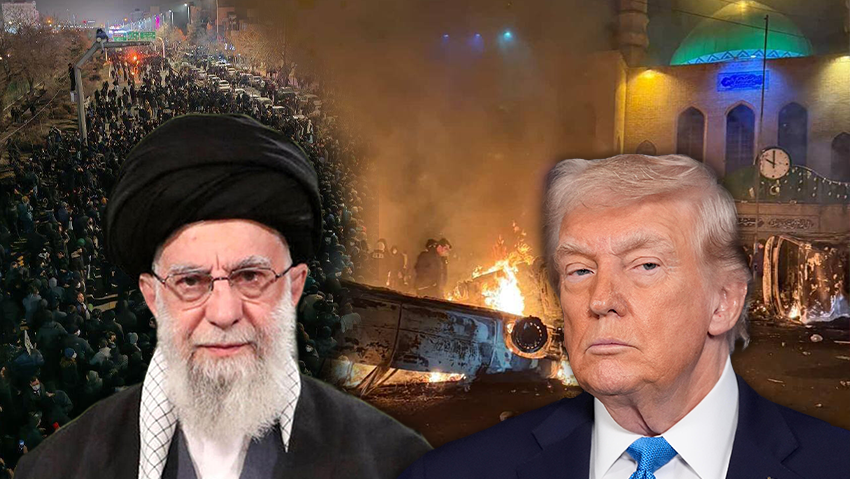
Trump’s message came as mounting reports from inside and outside Iran described a sweeping and violent crackdown on nationwide protests, with claims that thousands of demonstrators have been killed, many more wounded, and thousands detained in what rights groups and opposition figures describe as one of the bloodiest episodes of unrest in the Islamic Republic in decades.
Graphic footage: dozens of protesters’ bodies at Tehran’s forensic institute


According to accounts emerging despite severe restrictions on communications, Iranian security forces have used live fire, mass arrests and summary trials to suppress the protests, which erupted amid deep economic distress and public anger toward the ruling clerical establishment.
International media outlets and human rights organizations have struggled to verify casualty figures, but an Iranian official speaking to Reuters acknowledged that at least 2,000 people had been killed. That figure exceeds estimates published so far by rights groups, but remains far below claims by Iranian opposition activists abroad, who say the death toll may be significantly higher.
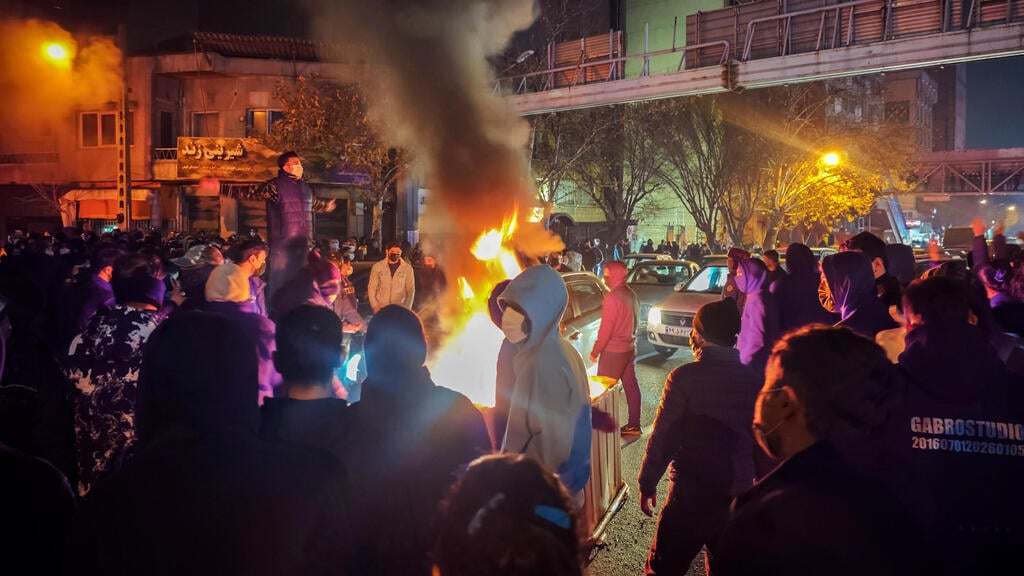
Protests in Tehran
(Photo: Anonymous/Getty Images)
The Iranian government has blamed what it calls “terrorists” and “rioters” for the violence, accusing them of acting on behalf of Israel and the United States. Officials say members of the security forces were also killed during the unrest.
Opposition outlets, including Iran International, have reported a much higher toll. Citing its own investigation, the channel said at least 12,000 people may have been killed, a figure that has not been independently confirmed.
Despite the regime’s efforts to block information by shutting down internet access for days at a time, testimonies from families of victims have begun to surface. International broadcasters, including CNN, the BBC and Sky News, have spoken with relatives of protesters killed during demonstrations in multiple cities.
Among the names that have emerged is Robina Aminian, a 23-year-old Iranian Kurd who was killed during a protest in Tehran. According to Iran Human Rights, an Oslo-based organization that relies on a network of activists inside Iran, she was shot during demonstrations that escalated after calls by exiled opposition figures for coordinated nationwide protests.
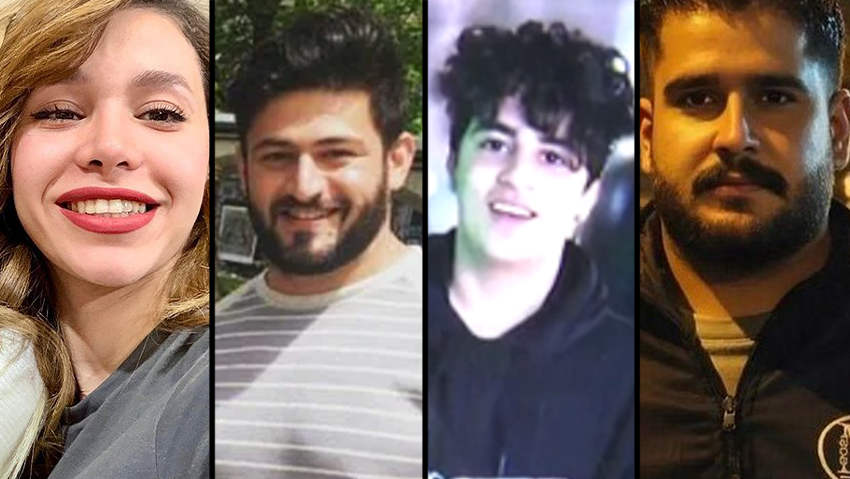
Four of the massacre victims, from right to left: Mohammad Kouhkan, Amir Ali Heydari, Mehdi Zatparvar and Robina Aminian
Aminian was a fashion design student at a Tehran university and dreamed of moving to Milan to pursue a career in the industry, CNN reported. Her uncle, Nazar Minouei, told the network she was “brave, independent and impossible to silence,” adding that she was driven by a desire for freedom and women’s rights.
BBC reporting said Aminian’s family was forced to travel from their home in Kermanshah to Tehran to search for her body among hundreds of corpses near her university. Relatives said authorities initially refused to release her body and later barred her burial in her hometown, forcing the family to bury her elsewhere.
Another victim identified by rights groups was Mehdi Zatparvar, a 39-year-old former bodybuilding champion and fitness coach who was killed during a protest in Rasht, in northwestern Iran. According to the Hengaw human rights organization, Zatparvar was a two-time world champion in classic bodybuilding and held a master’s degree in sports physiology.
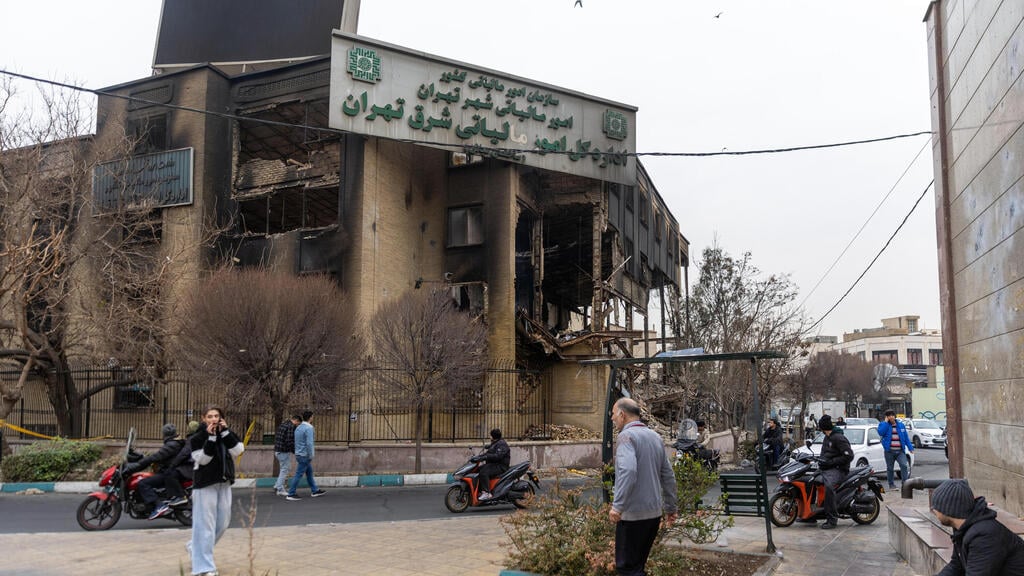
Iran’s tax authority building set ablaze in Tehran
(Photo: Stringer/Getty Images)
IranWire, an opposition outlet, reported that in his final Instagram post, Zatparvar wrote, “We only want our rights. A voice silenced for 40 years must finally be heard.”
The BBC also reported the killing of Amir Mohammad Kouhkan, a 26-year-old football referee and coach who was shot during a protest in the town of Neyriz in southern Iran. A friend told BBC Persian that Kouhkan was killed by live fire and was widely known in his community as a kind and respected figure.
Sky News aired particularly graphic testimony regarding the death of Amir Ali Heydari, a 17-year-old who was shot and beaten to death during a protest in Kermanshah. His cousin, Diako Heydari, told the network that the teenager was shot in the heart and then struck repeatedly with a rifle butt as he lay dying. Authorities later issued what the family described as a falsified death certificate claiming he died after a fall.
Families of victims have also described being forced to locate bodies themselves in overcrowded morgues. In one case cited by relatives, hundreds of bodies were reportedly transported to morgues using municipal buses due to lack of space.
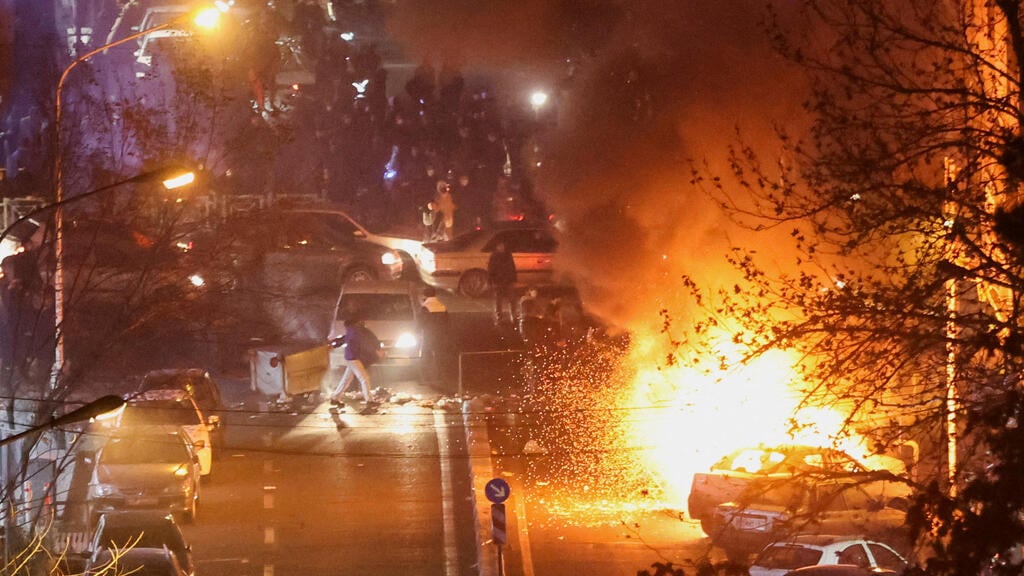
Tehran
(Photo: Stringer/WANA (West Asia News Agency) via Reuters)
The Associated Press reported Tuesday on a tense calm in Tehran, after residents were briefly able to place calls abroad for the first time since the communications blackout began. Witnesses described a heavy security presence, burned government buildings, smashed ATMs and largely empty streets.
According to residents, police in riot gear, along with members of the Basij militia affiliated with the Revolutionary Guard, were deployed at major intersections, armed with batons, tear gas launchers and rifles. Some security personnel were also seen in civilian clothing.
The Grand Bazaar in Tehran, a focal point of the protests that began amid spiraling inflation and currency collapse, reopened, though residents said shopkeepers were ordered by security forces to open their stalls.
Thousands of protesters have reportedly been detained. The U.S.-based Human Rights Activists News Agency said at least 10,600 people have been arrested. Iran Human Rights reported that one detainee, 26-year-old Arfan Soltani, was arrested last week, swiftly tried and sentenced to death, with authorities informing his family that the execution would take place within days.
“We have never witnessed a trial conducted at such speed,” the family’s lawyer told the BBC, accusing the government of using fear as a tool to crush dissent.
As international condemnation grows, European Commission President Ursula von der Leyen said the European Union would move quickly to advance new sanctions against Iran. “The growing number of victims in Iran is shocking,” she said, condemning what she described as excessive use of force and ongoing restrictions on freedoms.
Iran’s foreign minister responded that Tehran would retaliate against any new measures imposed by the EU.
The United Nations high commissioner for human rights, Volker Turk, also condemned the crackdown, saying the “cycle of shocking violence must not continue” and calling for the demands of the Iranian people for justice and equality to be heard.
Amid the unrest, exiled figures linked to Iran’s former monarchy have taken on a more visible role. Reza Pahlavi, son of the late shah overthrown in the 1979 Islamic Revolution, has called on Iranians to continue protesting. Some demonstrators have chanted in support of his return, though often in the context of a constitutional monarchy with limited powers.
His mother, Farah Pahlavi, the widow of the shah, issued a rare public message of support. “Soon you will celebrate freedom together in Iran, and light will overcome darkness,” she wrote, praising the courage of protesters and offering condolences to grieving families.
Against that backdrop, Trump’s direct appeal to Iranian protesters and his declaration that talks with Tehran were suspended added a new international dimension to the crisis, as Iranians and the world await signs of whether outside pressure will translate into meaningful change on the ground.