

Sirens sounded in Karmiel and Safed for the first time since the ceasefire was declared more than a month and a half ago. After more than 10 rockets were fired from Lebanon overnight, including one launched toward the Mount Meron area for the first time and another that hit a shopping center in Kiryat Shmona, sirens sounded in Safed and nearby communities around 4:20 p.m. Saturday.
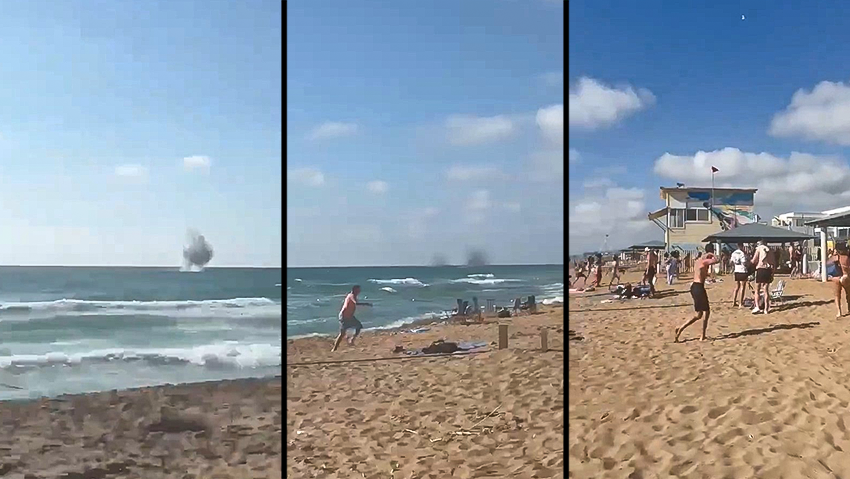
Half an hour later, rocket sirens were activated in Nahariya for the first time in three weeks. Sirens later sounded again in Kiryat Shmona and, for the first time in more than a month, in Karmiel. Footage from Nahariya showed impacts in the sea and bathers fleeing the beach after the sirens and explosions. “Wow, it’s in the sea, right in front of us!” residents were heard saying in the video.
Footage of impacts off Nahariya’s coast
(Video: According to Section 27A of the Copyright Law)


Seconds before the siren in Safed, the first in the city since April 11, the IDF said that “following the expansion of IDF operations in southern Lebanon and in accordance with the situational assessment, the IDF is preparing for the possibility of fire from Lebanese territory, with an emphasis on northern Israel. The IDF stresses that at this stage the public should remain alert, act responsibly and follow Home Front Command instructions. As of now, there is no change to Home Front Command guidelines. If changes are made, the public will be updated accordingly.”
The IDF said shortly after the sirens that one rocket fired from Lebanon was intercepted, while another exploded in an open area. After the sirens in Nahariya and the surrounding area, several more rockets were intercepted and others exploded in open areas. An hour earlier, sirens sounded nonstop across the Western Galilee for 10 consecutive minutes over concerns of a drone infiltration.
In all, about 20 launches from Lebanon into Israel were detected since midnight. All were intercepted or exploded in open areas, except for the rocket that hit Kiryat Shmona overnight and a drone that struck a military area in Shomera. No injuries were reported.
Destruction of Hezbollah command center
(Video: IDF Spokesperson’s Unit )
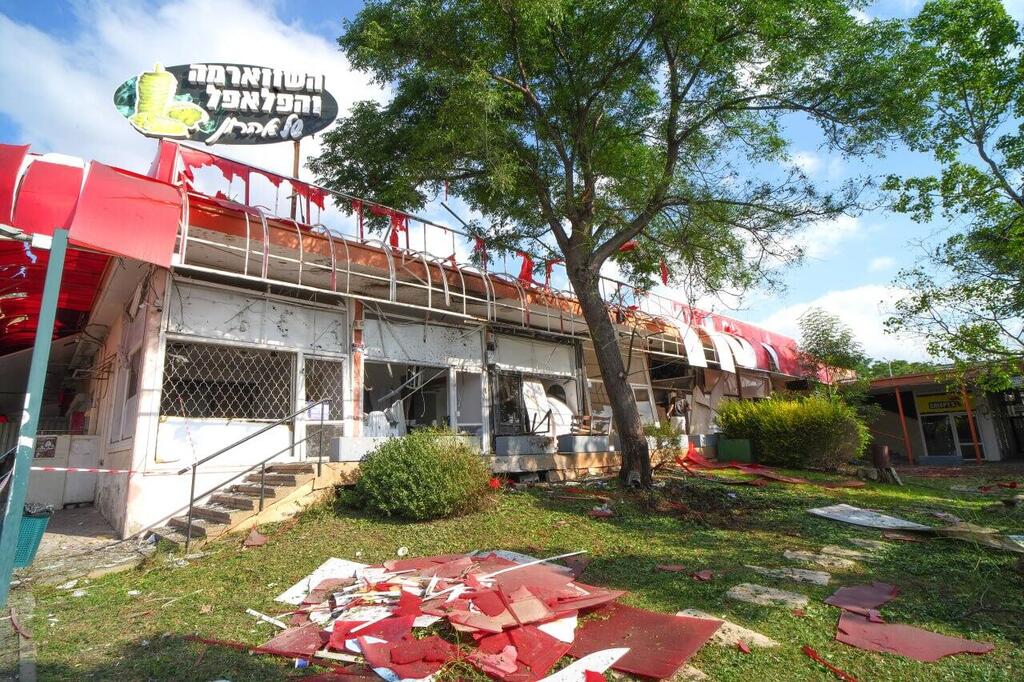
Scene of the strike in Kiryat Shmona
(Photo: Efi Sharir)
Meanwhile, fighting continued in southern Lebanon. After Prime Minister Benjamin Netanyahu said Friday that IDF forces were also operating beyond the Litani River, a senior Lebanese military source told Turkey’s Anadolu Agency on Saturday that “Israeli forces also reached the villages of Zawtar al-Sharqiyah and Shqif Arnoun” in the Beaufort area. Sources told Hezbollah-affiliated Al-Mayadeen that clashes between IDF troops and Hezbollah were continuing in those villages near the Crusader fortress. They said the IDF has carried out dozens of airstrikes and concentrated artillery fire in the area since Friday.
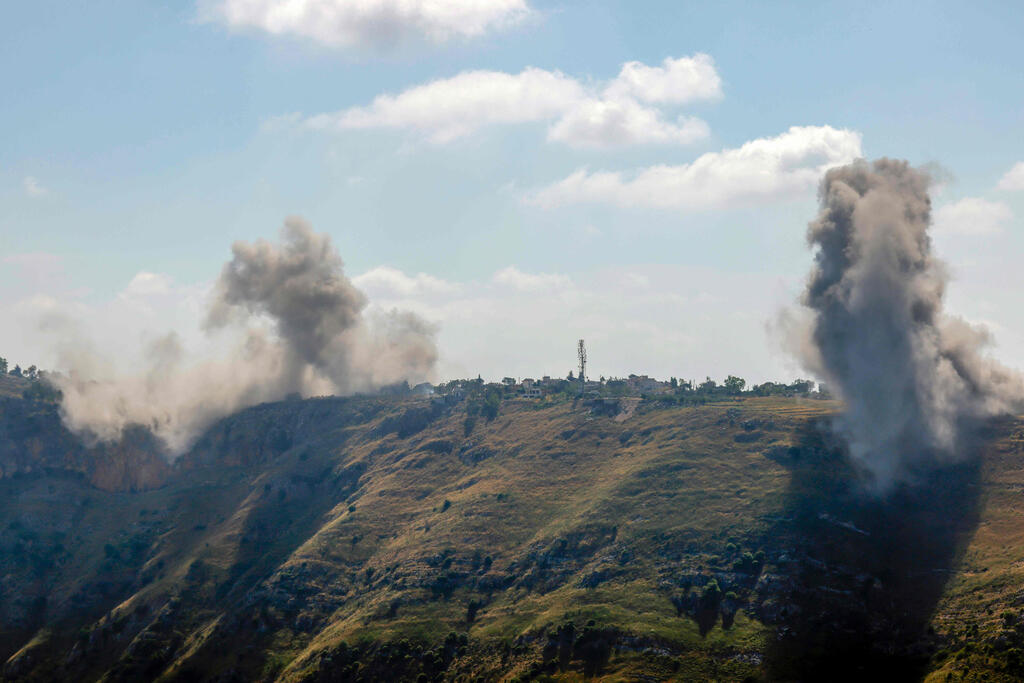
IDF strikes in Lebanon today
(Photo: AFP)
Despite Netanyahu’s remarks, Israel has generally refrained from striking Beirut, doing so this week after about three weeks without attacks in the Lebanese capital. Before that, Beirut had not been struck for about a month. In both cases, the targets were specific and the strikes were not aimed at Hezbollah infrastructure.
Defense Minister Israel Katz said during the same visit: “Hezbollah is weakened and battered in every clash with our forces south and north of the Litani. We pray for the safety of our heroic soldiers and look forward to good news and achievements.”
Amid the continued fighting with Hezbollah, the IDF said Saturday evening that it had struck an artillery command center belonging to the terrorist organization in the Ashmali area of southern Lebanon a day earlier. “After the strike, secondary explosions were identified, indicating the presence of weapons inside the building,” the IDF said, adding that the command center was struck after Hezbollah terrorists were identified nearby.
First published: 17:23, 05.30.26