

Prime Minister Benjamin Netanyahu said Tuesday he ordered the IDF to deepen its operations in Lebanon, as troops pushed beyond the Litani River and at points beyond the yellow line ceasefire demarcation in some areas to drive Hezbollah terrorists farther north and make it harder for them to launch attack drones at Israeli communities.
“The IDF is operating with large forces on the ground and seizing commanding areas,” Netanyahu said at the start of a Cabinet meeting. “We are fortifying the security zone to protect northern communities.”
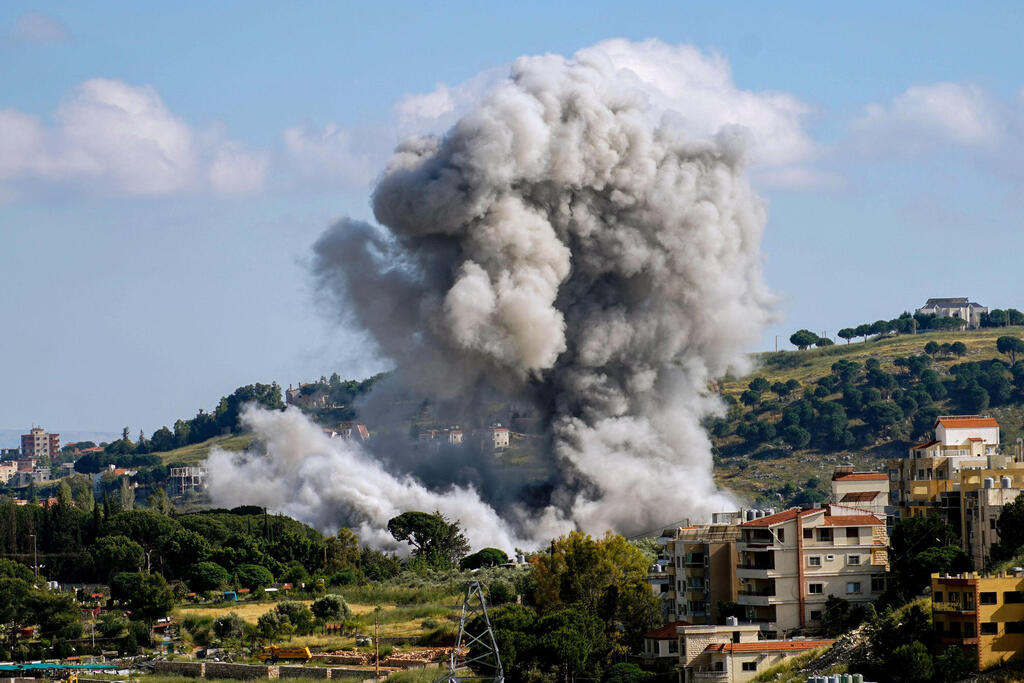
The yellow line is an Israeli-designated line in southern Lebanon marking the area where the IDF has maintained activity during the war with Hezbollah. The Litani River, farther north, has long been a key reference point in efforts to push Hezbollah away from the Israeli border.
The cross-line operations have been underway for several days. Israeli forces have raided beyond the Litani River and at points beyond the yellow line. The IDF believes that the farther Hezbollah is pushed north, the lower the threat to Israeli border communities, though Hezbollah's explosive-laden first-person-view (FPV) drones can reach targets up to 30 kilometers, or about 19 miles, away.
The operations are intelligence-based raids on Hezbollah positions. The military said it struck targets across Lebanon overnight, killing Hezbollah commanders. According to IDF figures, strikes across southern Lebanon hit more than 190 Hezbollah weapons depots.
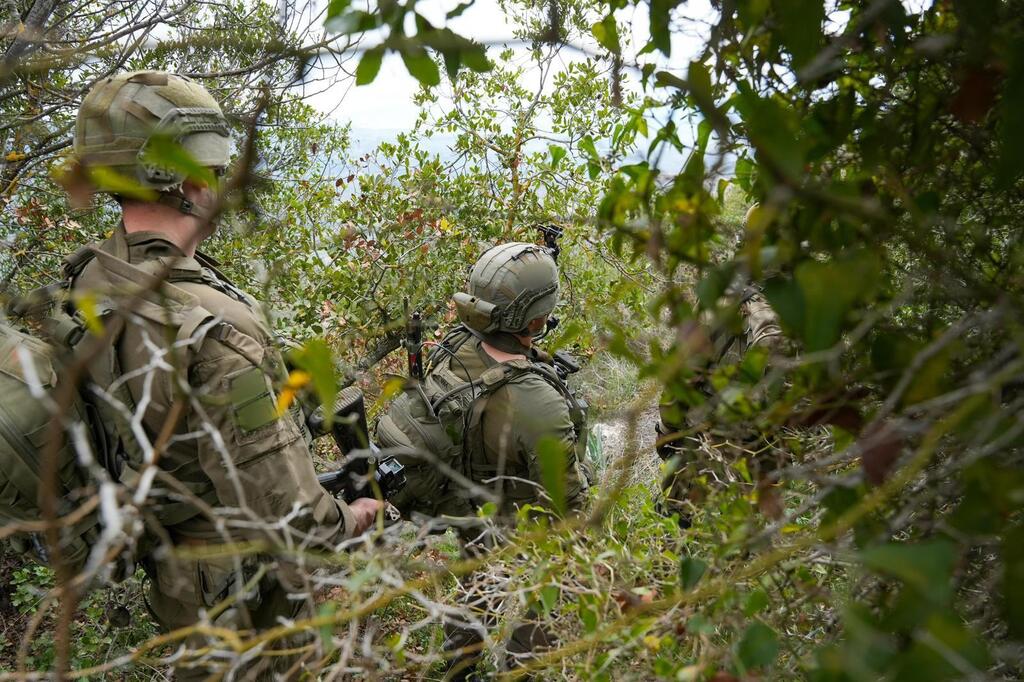
IDF forces operating in southern Lebanon
(Photo: IDF)
The IDF and defense establishment are also searching for “passive” defenses against Hezbollah’s FPV drones, including nets, rifles and other tools, while investing in offensive action against Hezbollah production sites. Netanyahu said Israel was conducting “a huge national effort to advance creative and innovative solutions against FPV drones.”
For now, the IDF has avoided striking Beirut’s Dahieh district, a Hezbollah stronghold, despite calls by Chief of Staff Lt. Gen. Eyal Zamir to do so. During a Cabinet discussion Sunday, Zamir said Israel should create a new equation in which buildings in Beirut will be destroyed in response to every drone attack. Netanyahu said Monday that Israel would “hit them and increase the intensity.”
This is not the first time the IDF has crossed the yellow line it set in southern Lebanon. Earlier this month, under a veil of secrecy and about 10 kilometers, or 6 miles, from the border, Golani Brigade troops raided deep into the Litani River area. The operation required the IDF to use heavy Namer armored personnel carriers, which showed they could cross the steep river terrain.
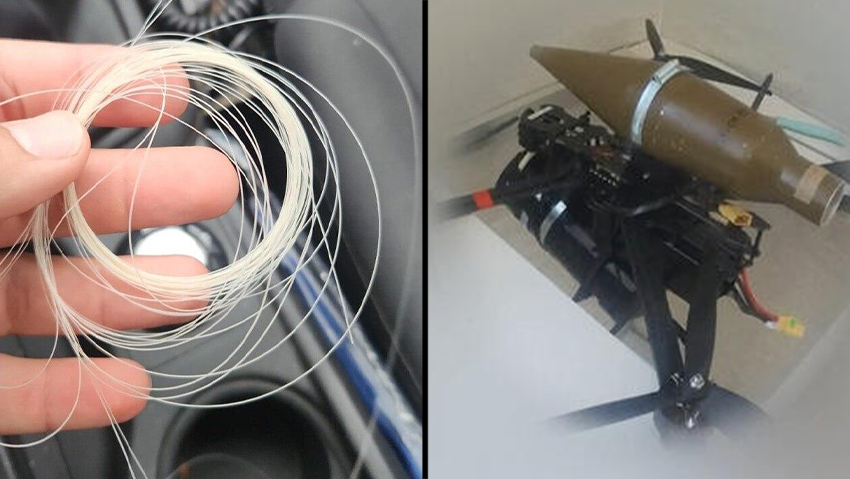
A Hezbollah fiber optic FPV drone
(Photo: from social media)
The drone threat was once viewed by Israeli combat troops as tactical. But a series of incidents and changes it has forced in military activity have turned it into a strategic threat.
In recent weeks, Hezbollah has shifted to drone attacks after gathering intelligence and observing IDF positions. The group has concentrated its efforts on areas where Israeli troops are operating, launching several drones at a time, sometimes simultaneously and sometimes in sequence. The IDF says Hezbollah is improving its use of FPV drones daily.
The threat has also slowed Israeli operations. Some equipment has recently been withdrawn from activity, and contractors have been instructed to carry out most work at night because of the drone threat. As a result, the pace of demolishing structures and clearing areas has slowed.
Hezbollah is launching drones to delay IDF operations and the demolition of villages, which is politically sensitive for the group among Lebanon’s Shiite public.