

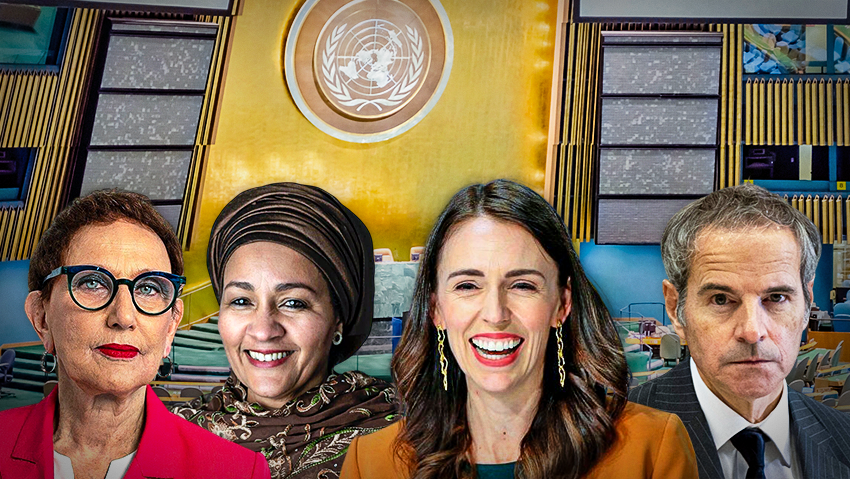
It is often described as “the most impossible job in the world,” and this time the path to it is no less forbidding. The race to become the ninth United Nations secretary-general, the man or woman who will replace António Guterres when his term ends in December 2026, is already underway.
Inside the glass corridors of UN headquarters in New York, campaign machinery is quietly coming to life. Messages are being delivered, pressure applied, promises floated and vetoes anticipated. Hovering above the process is a single dominant figure, US President Donald Trump, who wants to see an organization chief aligned with Washington’s demands.
Gallery
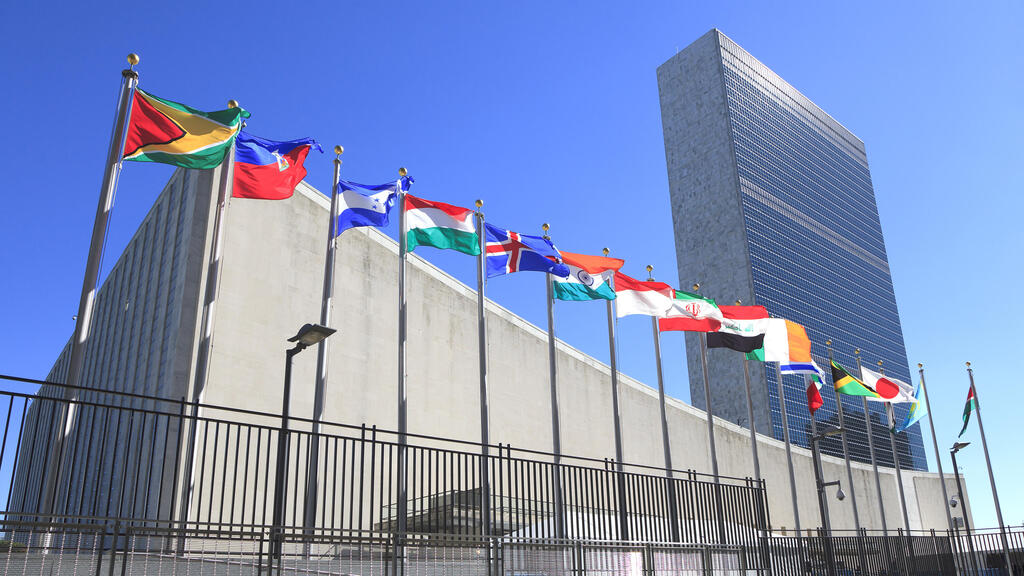
UN headquarters in New York. The road to the secretary-general’s post runs through Washington
(Photo: Osugi / shuyyerstock)
The institution meant to embody global consensus is facing one of the most difficult periods in its history. It is grappling with a severe budget crisis, eroding legitimacy and growing calls for fundamental reform. Member states are delaying payments, sometimes habitually and sometimes as political leverage. When the largest contributors, including the United States and China, hold back funds, the consequences are immediate, from delayed salaries to the temperature inside UN buildings.
Internal estimates suggest the UN could lose roughly 40 percent of its budget in the coming year. Any candidate seeking the top post will therefore have to clear Washington first. The United States is not merely a participant in the process. As the largest funder, it effectively sets the terms. For the first time, it is also openly backing the appointment of a woman, a shift that is reshaping the race.
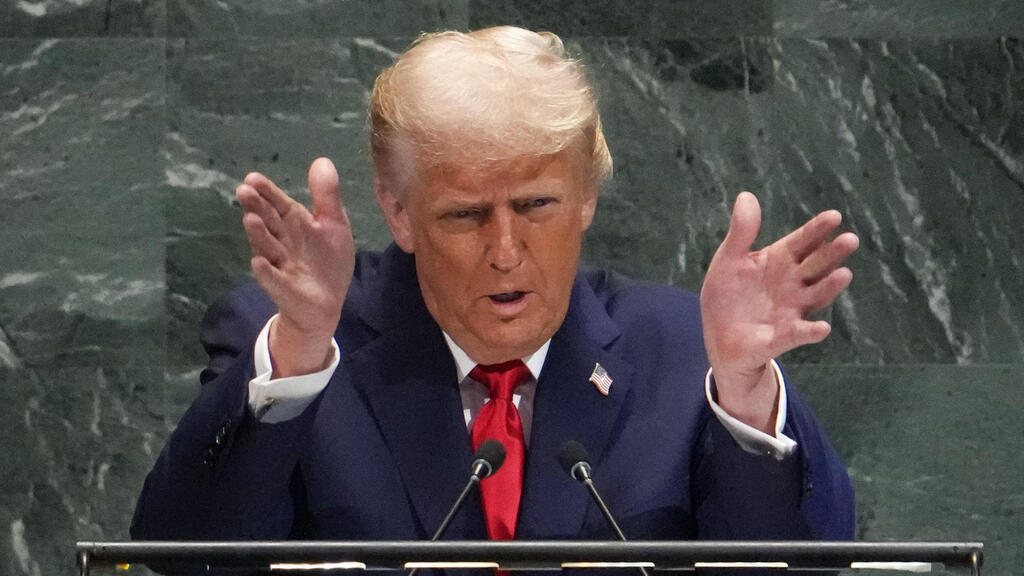
Trump speaking at the General Assembly in September, demanding a 'return on his investment'
(Photo: Timothy A. Clary / AFP)
In the previous contest in 2016, 13 women ran for the job, but Washington ultimately supported Guterres as a compromise candidate acceptable to both Russia and China. For years, the US position was that gender should not matter, only qualifications. Now, for the first time since the UN was founded, broad agreement has emerged that the time has come for a woman to lead the organization.
More than 140 countries have publicly pledged to support a female candidate, arguing that an institution that preaches equality cannot continue to exclude women from its highest office. As a result, a hijab-wearing Muslim diplomat, a Jewish economist with family in Judea and Samaria, a climate activist from the Caribbean, a globally admired former prime minister and even the initiator of a Miss Universe pageant are all seen as having more realistic chances than ever.
Despite the rhetoric about transparency and gender equality, the process remains deeply political. Governments nominate candidates, public hearings are held in the General Assembly and informal straw polls are conducted. The real decision, however, will again be made behind closed doors in the Security Council, most likely in the final months of 2026.
The five permanent members, China, Russia, the United States, Britain and France, retain veto power and can quietly end a candidacy long before it becomes official. The elected members lack vetoes, but in a stalemate they can still derail candidates who fail to meet their expectations. Navigating between Washington and Moscow, Beijing and Paris determines who survives and who disappears from the race without explanation.
Even after a candidate clears the Security Council, the secretary-general’s authority and crisis-management capacity depend heavily on relations with the White House. Without cooperation from Trump, the UN risks further budget cuts, political clashes and stalled initiatives. Candidates understand they are being judged not only on credentials and diplomatic skill, but on whether they can deliver the kind of reforms and results Trump wants, rather than procedural reports and technical fixes.
This makes the coming election one of the most consequential in the UN’s history. The organization in 2026 is fighting for relevance as much as leadership. The secretary-general has real power if willing to use it, from setting priorities and advancing reforms to appointing senior officials. Guterres attempted such changes, but even supporters concede his efforts amounted to limited fixes rather than structural overhaul.
Ambassador Danny Danon attacks a UN rapporteur in October, saying: “You are a witch”


Israel is following the race closely for more than one reason. Despite its size, Israel is seen as an influential player, largely because Washington often listens to Jerusalem, particularly under Trump. Israel’s leverage does not come from its vote in the General Assembly, but from a domino effect that reaches decision-makers in Washington, London and Paris.
Ynet has learned that several candidates have already sent envoys and messages to Israel’s ambassador to the UN, Danny Danon. In Jerusalem, some view the upcoming transition as a chance to repair relations with the organization after a turbulent Guterres era.
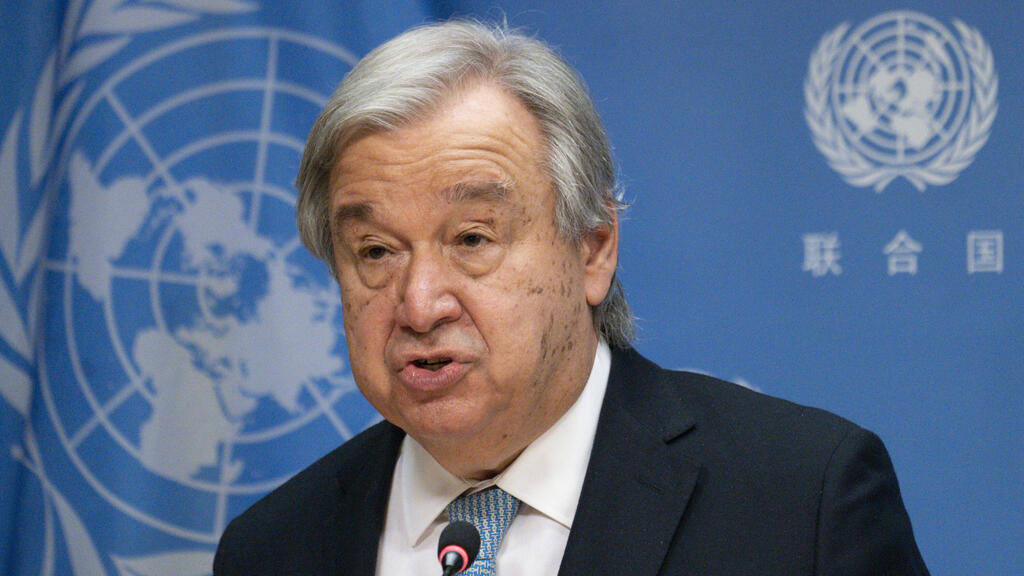
UN Secretary-General António Guterres, now beginning his final year in office; sought to project empathy and became persona non grata in Israel
(Photo: AP )
Although many Israelis see the UN as increasingly hostile and antisemitic under his leadership, Guterres was not universally viewed as an enemy. He expressed empathy, met with hostages’ families and spoke out against antisemitism. Still, several statements, particularly their timing, proved damaging. His remark that the October 7 Hamas attack “did not happen in a vacuum” made him persona non grata in Israel, prompting Prime Minister Benjamin Netanyahu to cut off contact.
A new secretary-general could influence how the UN addresses Gaza, how much weight is given to reports that routinely condemn Israel and whether antisemitism is treated as a global phenomenon linked to attacks on Israel. The next leader will help determine whether Israel remains isolated at UN headquarters or regains some measure of legitimacy.
The leading candidates
Rebeca Grynspan (Costa Rica)
Grynspan, 70, could become the first Jewish secretary-general in UN history. She is also seen as one of the more Israel-friendly candidates, a factor that could help or hurt her depending on the audience. The granddaughter of Holocaust survivors, she has family in Israel, including relatives who served in the IDF, and speaks openly about her Jewish identity.
A trained economist, she has served as Costa Rica’s vice president, headed UN development programs in Latin America and currently leads UNCTAD, the UN’s trade and development body. While personally close to Israel, UNCTAD under her leadership has published harsh reports on Israeli policy in Gaza and the West Bank. After October 7, she condemned Hamas and called for the release of hostages, while also criticizing Israel for civilian harm.
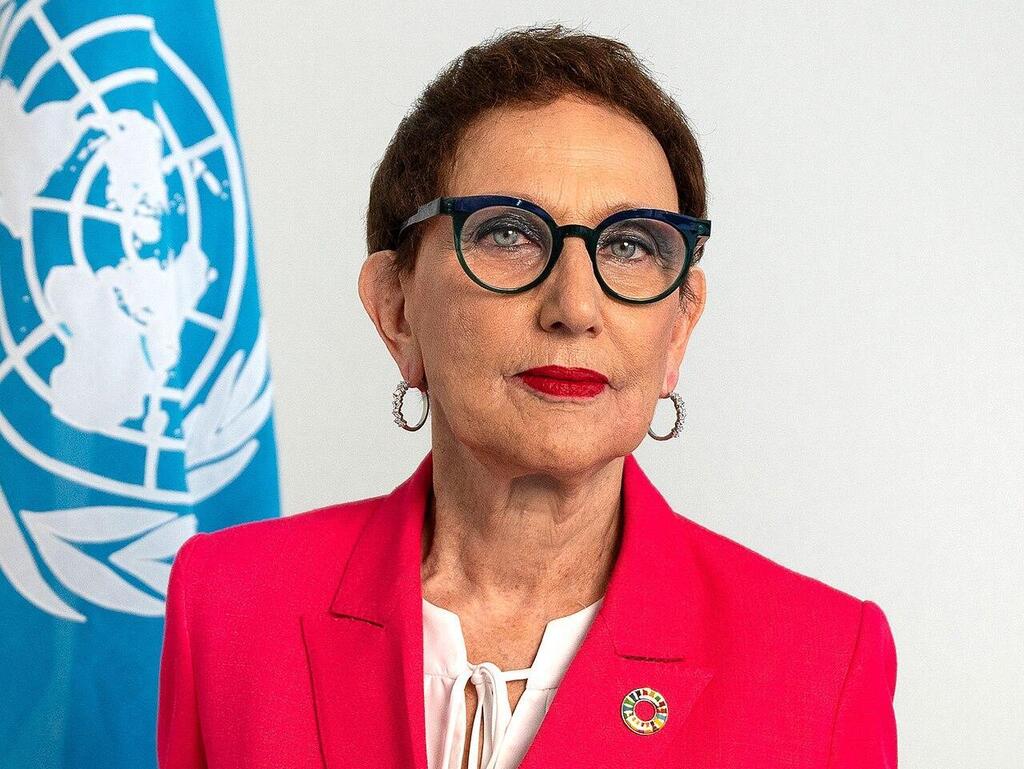
With family in Judea and Samaria and IDF officers. Rebeca Grynspan
(Photo: UNCTAD)
Grynspan presents herself as a pragmatic liberal willing to engage constructively with Trump and pursue institutional reform. She has said the push for a woman leader is not about special treatment, but equal opportunity.
Michelle Bachelet (Chile)
Chile’s former president, 74, stands at the opposite end of the spectrum from Israel. A former political prisoner and torture survivor under Augusto Pinochet, Bachelet is seen as a principled human rights advocate. She served two terms as president, was defense minister, led UN Women and later served as UN high commissioner for human rights.
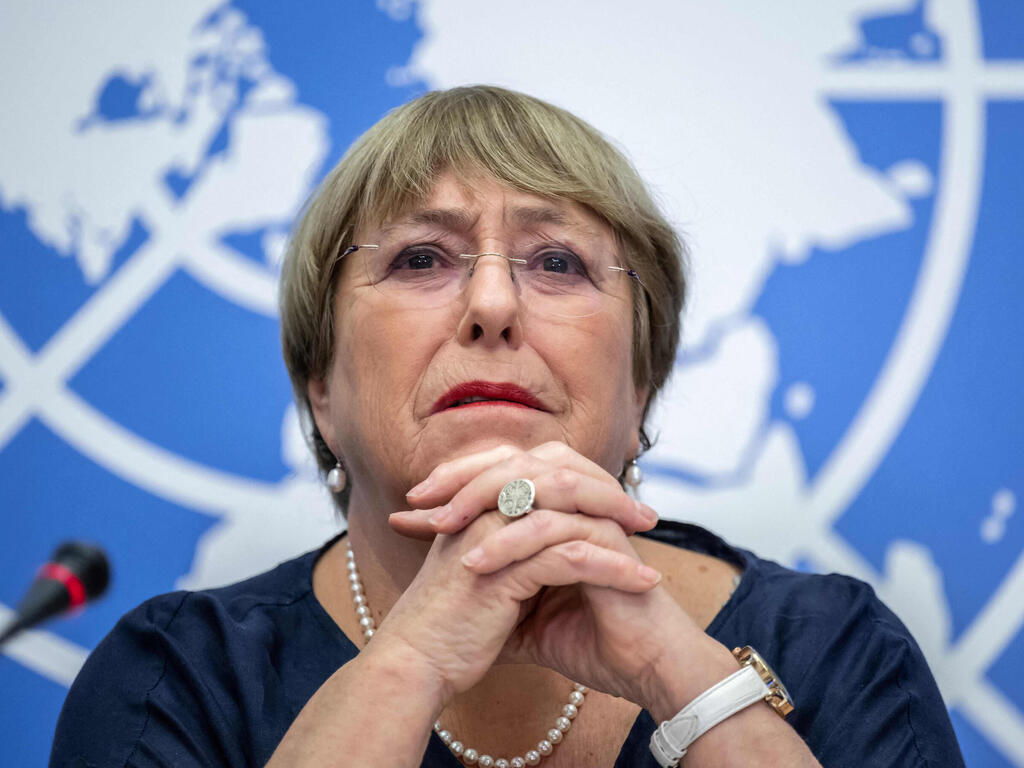
Former Chilean president Bachelet, who as UN high commissioner for human rights also angered China and Saudi Arabia
(Photo: AFP)
Her tenure there brought repeated clashes with China, Saudi Arabia and Israel. She accused Israel of potential war crimes during the 2021 Gaza conflict and criticized settlement policy and military operations, angering Jerusalem. Even supporters question whether her uncompromising stance makes her viable in a Security Council dominated by power politics rather than moral arguments.
Rafael Grossi (Argentina)
Despite the momentum behind a woman candidate, Grossi, 64, remains a serious contender. As head of the International Atomic Energy Agency since 2019, he has been at the center of major crises, including Iran’s nuclear program and nuclear facilities affected by the war in Ukraine.
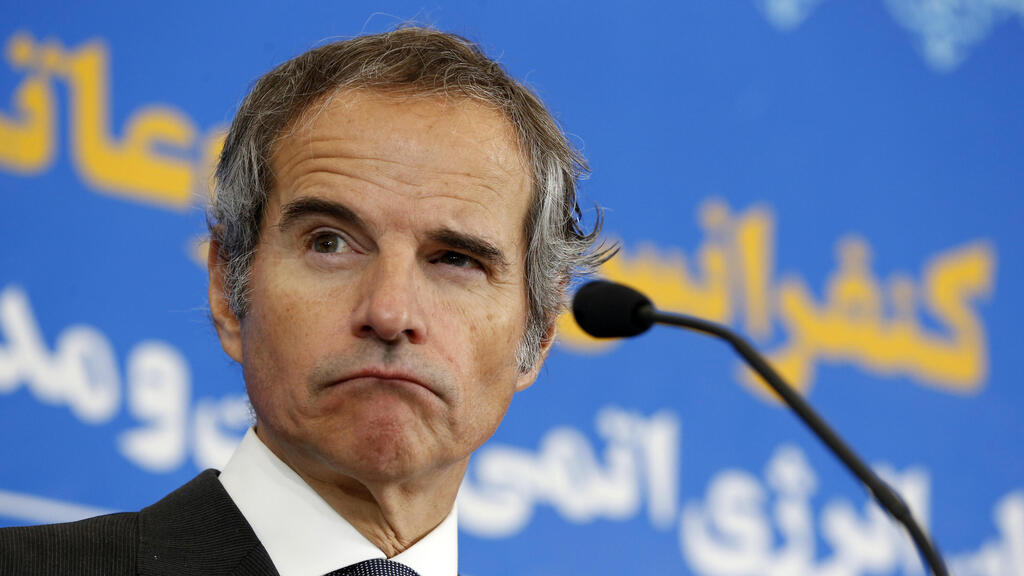
IAEA chief Rafael Grossi. In Iran he was accused of being an “Israeli puppet”
(Photo: AP)
He has strong ties with Washington and Jerusalem, and Israel is quietly backing his candidacy. Tehran, by contrast, has branded him an Israeli agent and issued threats against him. While respected for his hands-on experience, critics say he lacks broad multilateral political backing, particularly in Africa and Asia.
María Fernanda Espinosa (Ecuador)
Espinosa, 61, presents herself as a reformer determined to dismantle UN bureaucracy and refocus the organization on conflict prevention. She served as Ecuador’s foreign and defense minister and as president of the UN General Assembly, where she built extensive networks.
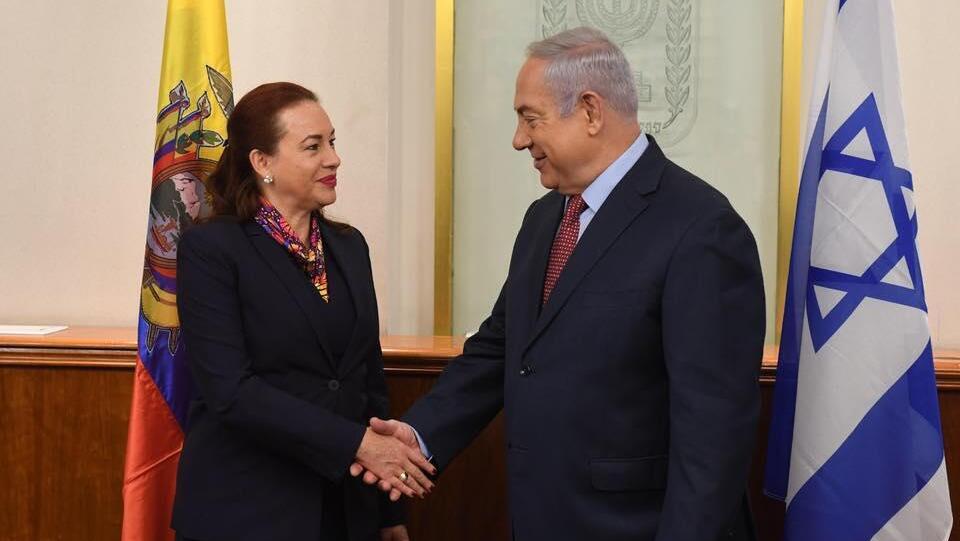
Espinosa and Netanyahu during her visit to Israel in 2017, when she was serving as Ecuador’s foreign minister
(Photo : Haim Zach / GPO)
Her opposition to US military bases in Ecuador could complicate relations with Washington. On Israel, she is viewed as relatively balanced, condemning Hamas after October 7 while also criticizing the scale of destruction in Gaza and supporting a two-state solution.
Amina Mohammed (Nigeria)
The current UN deputy secretary-general and the organization’s highest-ranking woman, Mohammed, 64, brings deep institutional knowledge but also the baggage of association with Guterres’ leadership. A former Nigerian environment minister, she was instrumental in shaping the UN’s Sustainable Development Goals.
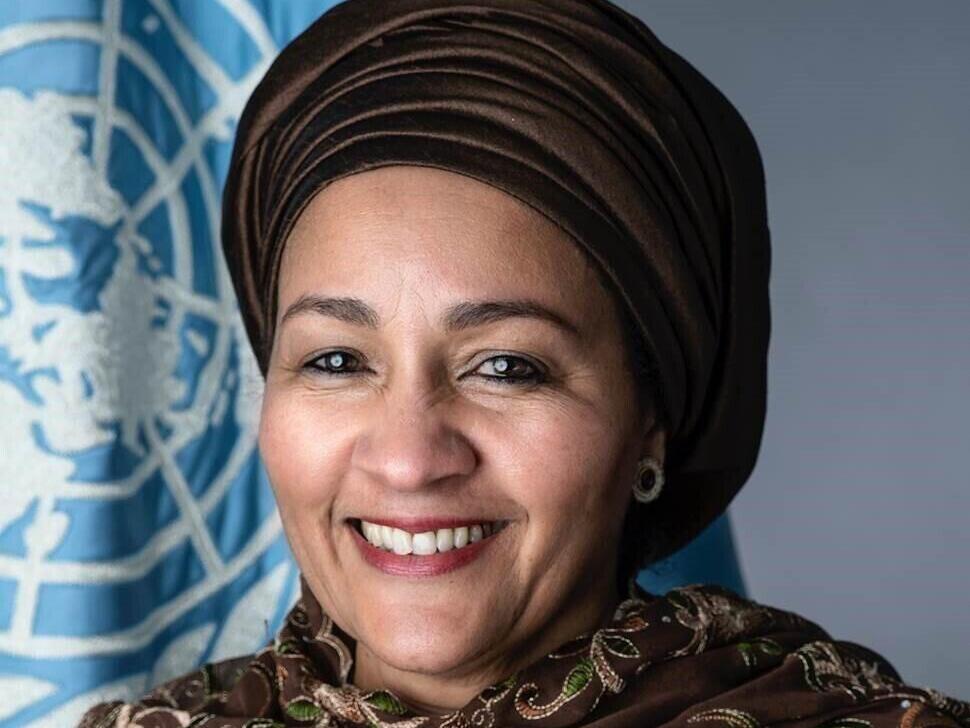
UN Deputy Secretary-General Amina Mohammed. Many countries want a reset, and she may pay the price for ties to leadership seen as weak and lacking vision
(Photo: Sanitation and Hygiene Fund/news aktuell via AP Images)
During the Gaza war, she adopted a sharply critical stance toward Israel and defended UNRWA, arguing that Israel would bear responsibility for civilian services if the agency were dismantled. In Jerusalem, she is seen as likely to take an even tougher line than Guterres.
Jacinda Ardern (New Zealand)
The former New Zealand prime minister, 45, remains a global progressive icon but has limited experience in multilateral diplomacy. She has not formally declared her candidacy and is viewed as a long shot, particularly given skepticism from Washington, Moscow and Beijing.
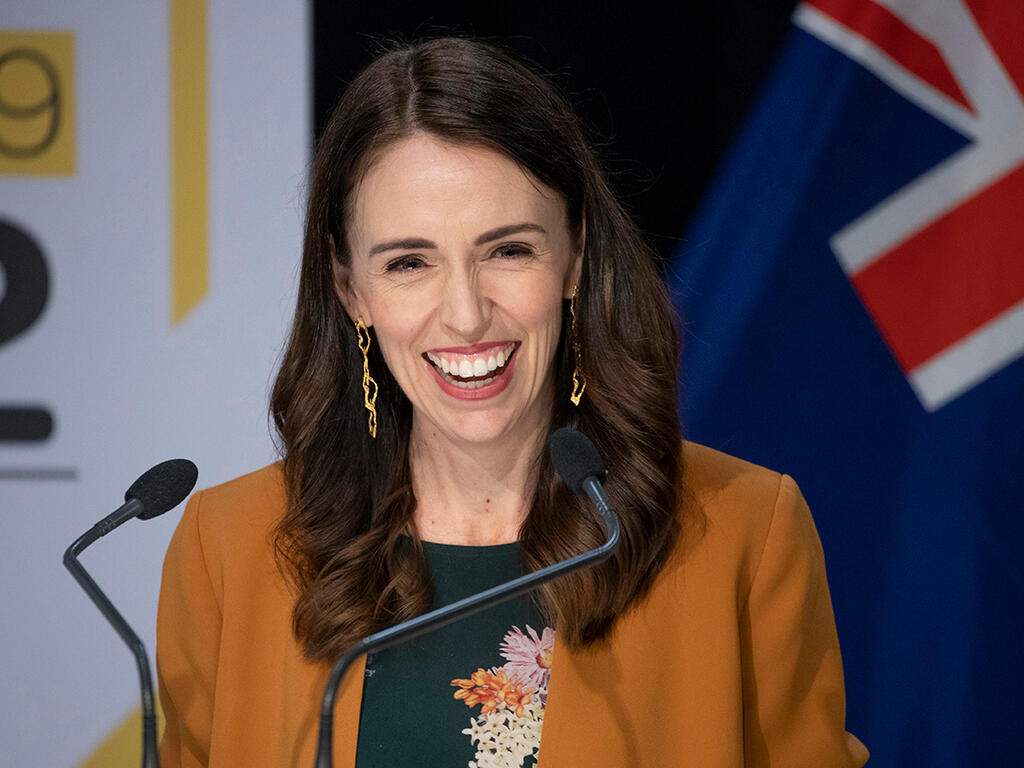
Former New Zealand prime minister Jacinda Ardern, a Western star who joined genocide accusations against Israel
(Photo: AP)
After October 7, she condemned Hamas but also accused Israel of actions she later described as genocide in a 2025 opinion piece, calling for recognition of a Palestinian state and an end to military support for Israel.
Alicia Bárcena (Mexico)
Bárcena, 73, is seen as a potential compromise candidate if the Security Council deadlocks. A veteran UN official and former Mexican foreign minister, she is respected but not associated with bold reform. Her positions on Israel are firm but measured, combining criticism with ongoing engagement.
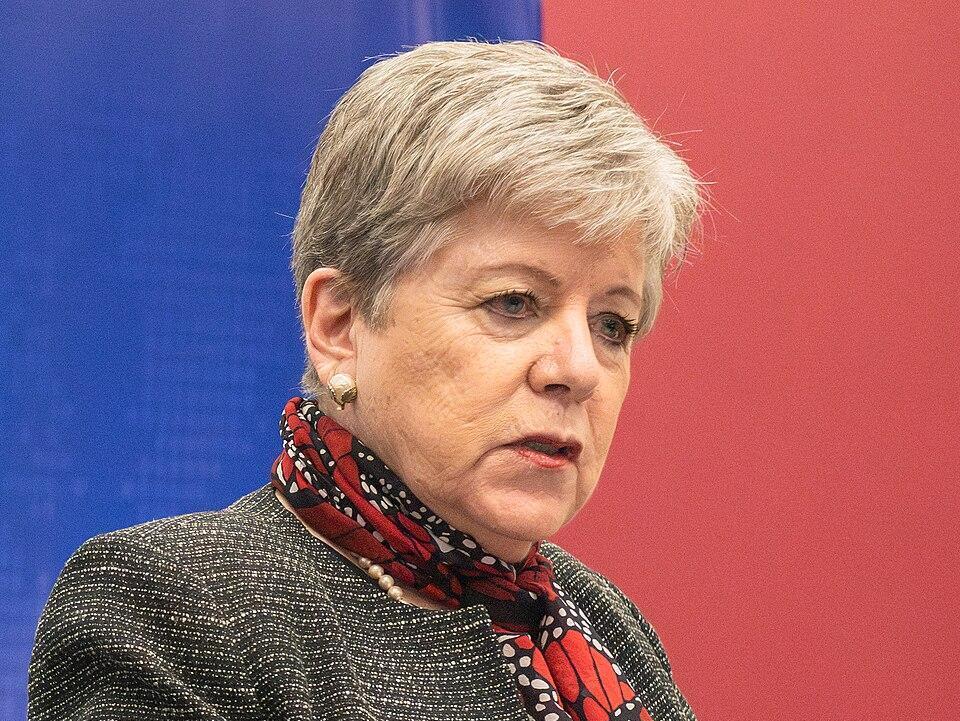
Alicia Bárcena. She could emerge as a compromise candidate in a deadlock, but without a new vision
(Photo: Wikimedia)
Mia Mottley (Barbados)
Barbados Prime Minister Mia Mottley, 60, is a charismatic advocate for climate justice and global financial reform. Her confrontational tone toward wealthy nations and harsh criticism of Israel at the UN have significantly weakened her chances among Western powers.
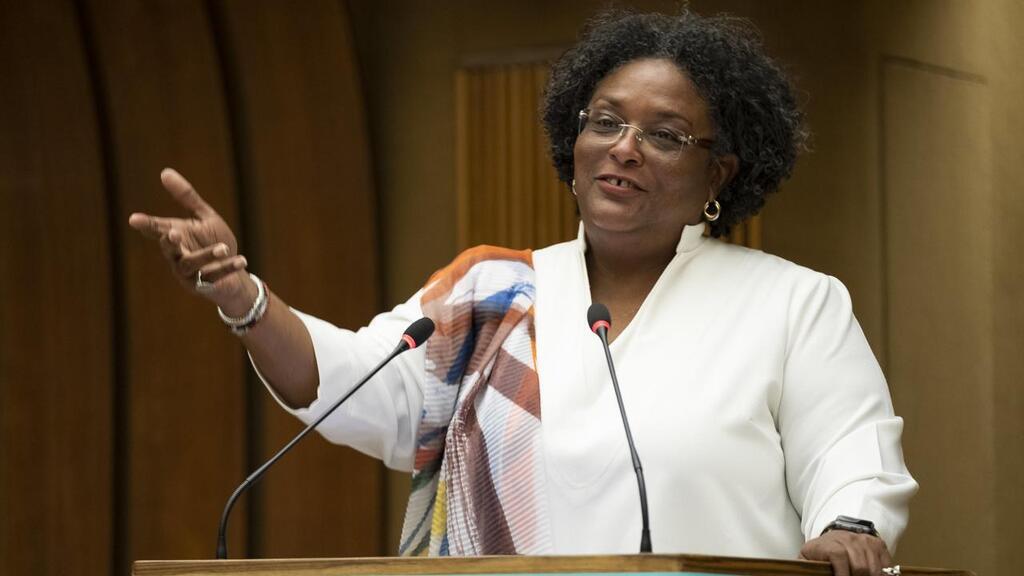
Barbados Prime Minister Mia Mottley calls for “climate justice” and said the fighting with Hamas and Hezbollah is a “distraction” from tackling global warming
(Photo: UNCTAD)
Bruno Donat (Mauritius)
Donat, 55, has launched a protest candidacy aimed at exposing what he calls a closed and opaque selection process. A former UN mine action official, he staged a hunger strike over Gaza while also calling for Hamas to be dismantled. His campaign is largely symbolic.
Ivonne Baki (Ecuador and Lebanon)
Baki, 74, is one of the most unconventional contenders. An Ecuadorian diplomat of Lebanese origin with personal ties to Trump, she has promoted herself as a peace broker shaped by firsthand experience of war. Her lack of solid state backing makes her candidacy unlikely to advance far.
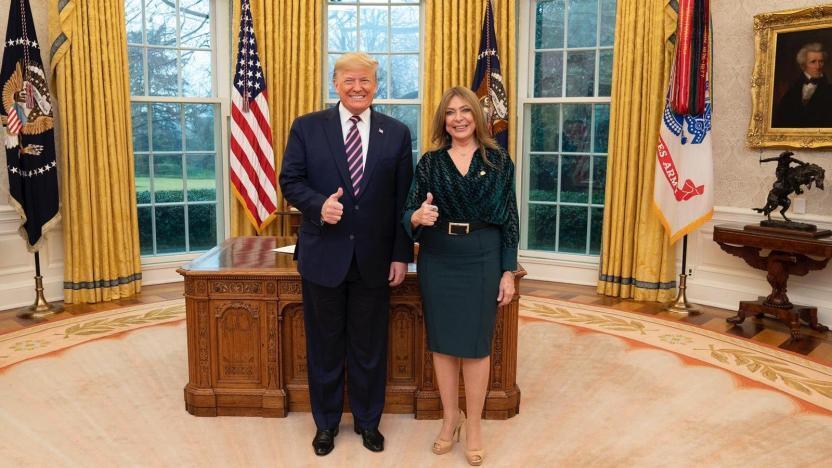
Ivonne Baki alongside her friend Trump, persuaded him to bring the Miss Universe pageant to Ecuador more than 20 years ago
(Photo: X)
Achim Steiner (Brazil and Germany)
Steiner, 64, currently heads the UN Development Programme and is widely respected as a capable administrator. Closely associated with the Guterres era, he is not actively seeking the post, but his name continues to circulate as a fallback option.
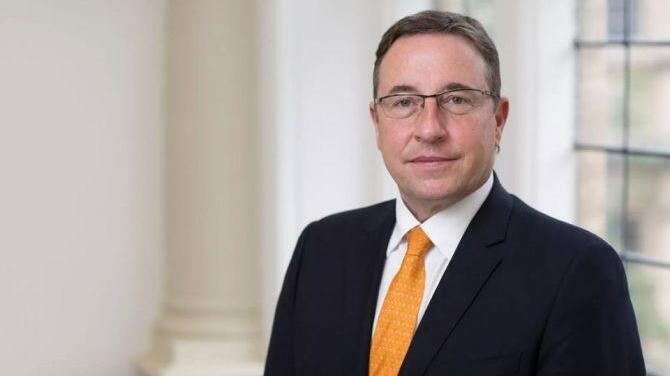
Achim Steiner, head of the UN Development Programme
(Photo: Oxford Martin School)
David Choquehuanca (Bolivia)
Choquehuanca, 64, was among the first to declare his candidacy but is widely expected to withdraw. An outspoken critic of Israel and self-styled representative of indigenous peoples, his run is seen as ideological rather than competitive.
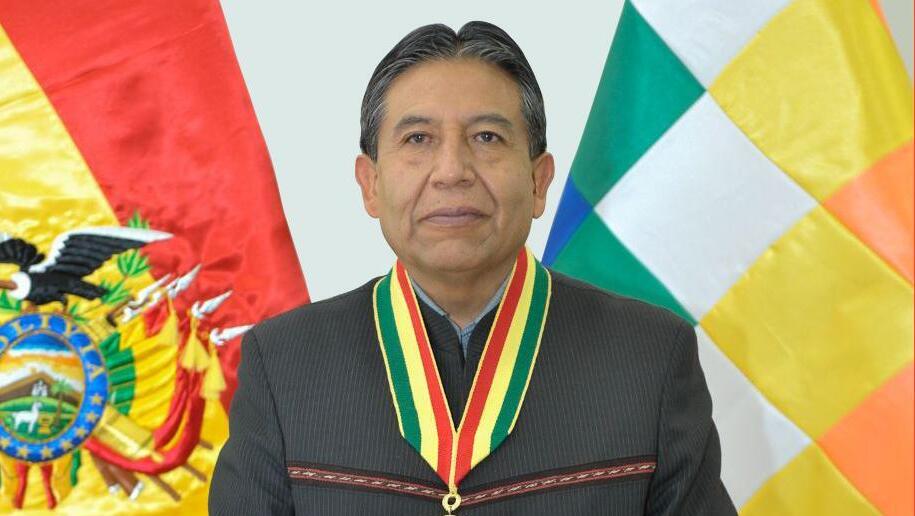
Former Bolivian vice president Choquehuanca, who calls himself “the last Inca” and attacks Israel
(Photo: Asamblea Legislativa Plurinacional)
As the process unfolds, one reality remains clear. The next UN secretary-general will be chosen less by ideals than by interests, and the organization’s survival may depend on how well that leader can navigate them.