

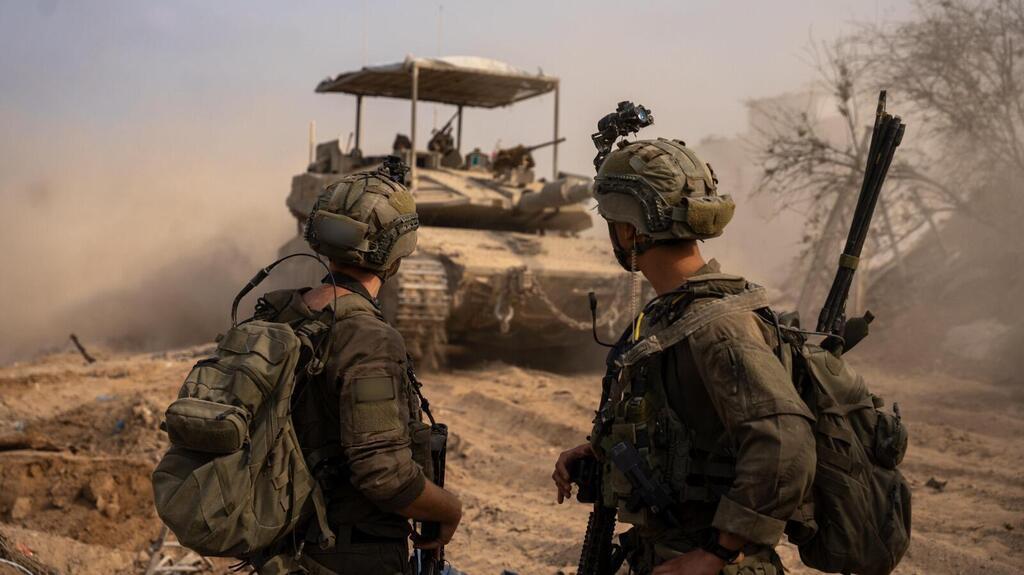
The maneuver, already named Gideon's Chariots II, comes as tens of thousands of reservists have been called up under emergency orders.
IDF forces operate in Gaza
(Video: IDF)


A senior Israeli military official told CNN the army is uncertain how many Hamas terrorists remain inside the city, noting that, nearly two years into the war, Israeli forces have not yet maneuvered into its depths. Before advancing, the IDF plans to evacuate roughly one million civilians. The symbolic deadline for the evacuation is October 7, 2025 — the two-year anniversary of Hamas’ Oct. 7 terror attack and massacre.
“Hamas knows we’re coming, and they’re preparing,” the official said, describing the group’s use of Gaza City’s extensive underground system, known as the “metro.” “It’s more complex than we expected, with command centers, branching passages and tactical tunnels for quick movement and ambushes.”
Defense Minister Israel Katz has called Gaza City the “capital of Hamas” and threatened to “open the gates of hell.” Once civilians are cleared, the IDF is expected to launch extensive airstrikes on urban targets, including sites that have not yet been hit due to population density.
According to the report, Hamas designated Gaza City as the de facto capital of the enclave after taking power in 2007. Before the war, its tunnels were often used for smuggling goods despite tight restrictions, giving residents limited access to outside products. Despite widespread unemployment, life in Gaza once allowed for matcha lattes on the way to yoga studios or parks.
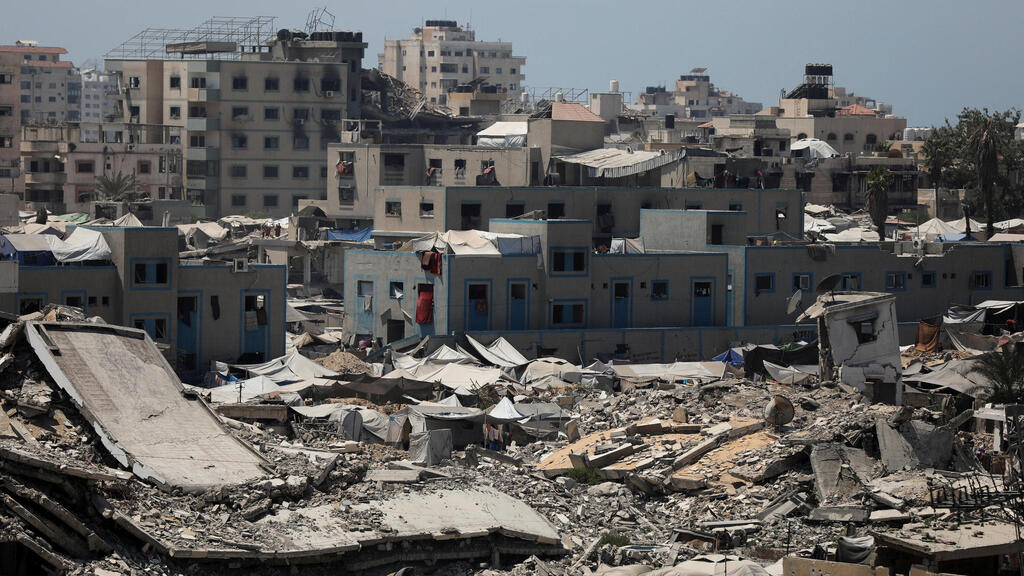
Gaza Strip
(Photo: Dawoud Abu Alkas/Reuters)
Nearly two years of war have left Gaza City in ruins. The once-bustling economic hub now suffers from lawlessness, hunger and collapsed infrastructure. Residents said they hide among rubble or in tent camps, with sewage flowing in the streets, smoke rising from fires and constant drone noise overhead.

(Photo: IDF)
Despite Netanyahu’s promise that international reporters would be allowed into Gaza, journalists remain blocked. CNN said the IDF has carried out “tens of thousands of strikes” in the city, leaving most high-rise buildings destroyed.
Hamas’ absence on the streets
Residents described widespread looting, soaring prices and hospitals that no longer function. At night, armed gangs roam freely. An underground “bank” operates with fees as high as 50% for cash withdrawals.
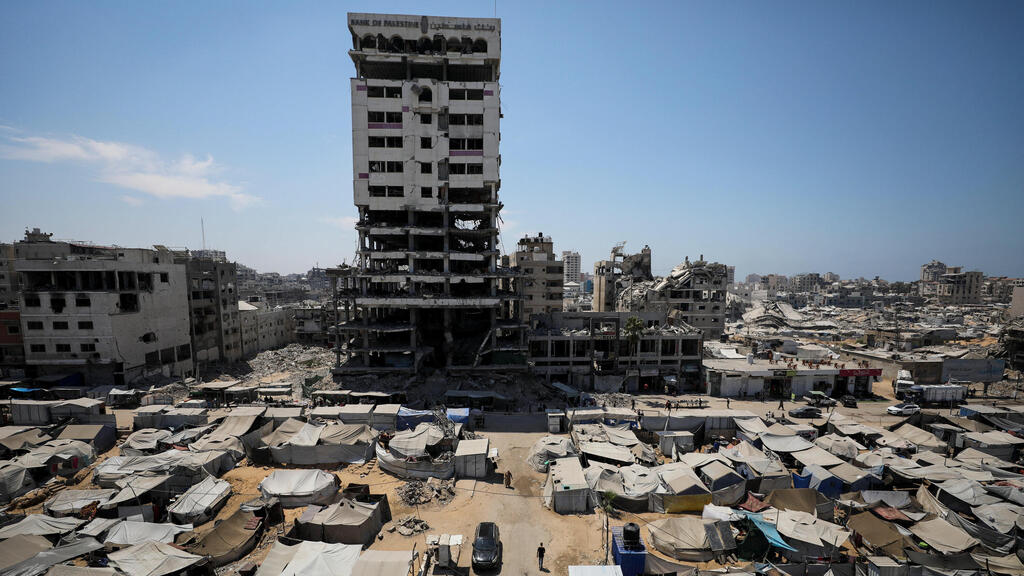
Tent camp in Gaza
(Photo: Reuters/Dawoud Abu Alkas)
Hamas, once a visible presence in the streets, has all but disappeared. Its offices, police stations and municipal buildings have been destroyed, while fighters stay hidden to avoid targeted killings.
“They have no control anymore. It’s not like it used to be,” said Abu Mohammed, a local who opposes Hamas and spoke under a pseudonym out of fear. “Sometimes they just show up out of nowhere, and then vanish again.”
According to residents, the group has no fixed gathering points and relies on secretive communications. “We don’t know how they do it,” one said.