

A military court on Sunday extended the detention of two residents of the Wet Bank Palestinian city of Qalqilya suspected of involvement in digging a 25-meter-deep tunnel in the city. One of the suspects is believed to be an officer in the Palestinian Preventive Security force, holding a rank equivalent to chief superintendent in the Israel Police. The detention of two additional suspects was extended on Thursday, and they also remain in custody.
A Palestinian Preventive Security officer is suspected of involvement in digging the tunnel in Qalqilya, where various types of weapons were found. The suspect is a Qalqilya resident and holds a rank equivalent to chief superintendent in the police. On Sunday, the military court extended his detention and that of another Qalqilya resident by eight days. Meanwhile, the detention of two Israeli suspects arrested in connection with the incident was extended last Thursday until Tuesday.
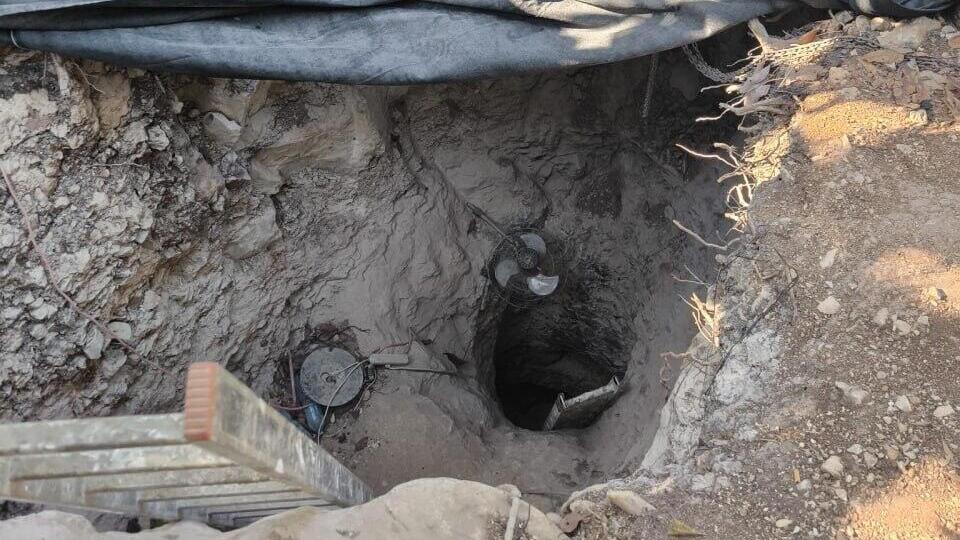
The four suspects are accused of offenses including possession of weapons, conspiracy to commit a crime, preparation to carry out an act of terrorism, preparing a passageway or tunnel for the purpose of committing an offense or escaping afterward, possession or storage of unauthorized material and additional offenses.
At a hearing on extending the suspects’ detention, their attorney said one of them was an officer in the Palestinian Preventive Security force. In its decision to extend his detention, the military court said that “after reviewing the investigation file and the confidential report, there is reasonable suspicion that the suspect committed the offenses attributed to him, including preparing a passageway or tunnel.”
Last week, police said two tunnels under excavation had been located during a joint police and Border Police operation in Qalqilya, one of them at least 25 meters deep. Police also said large quantities of weapons were found there.
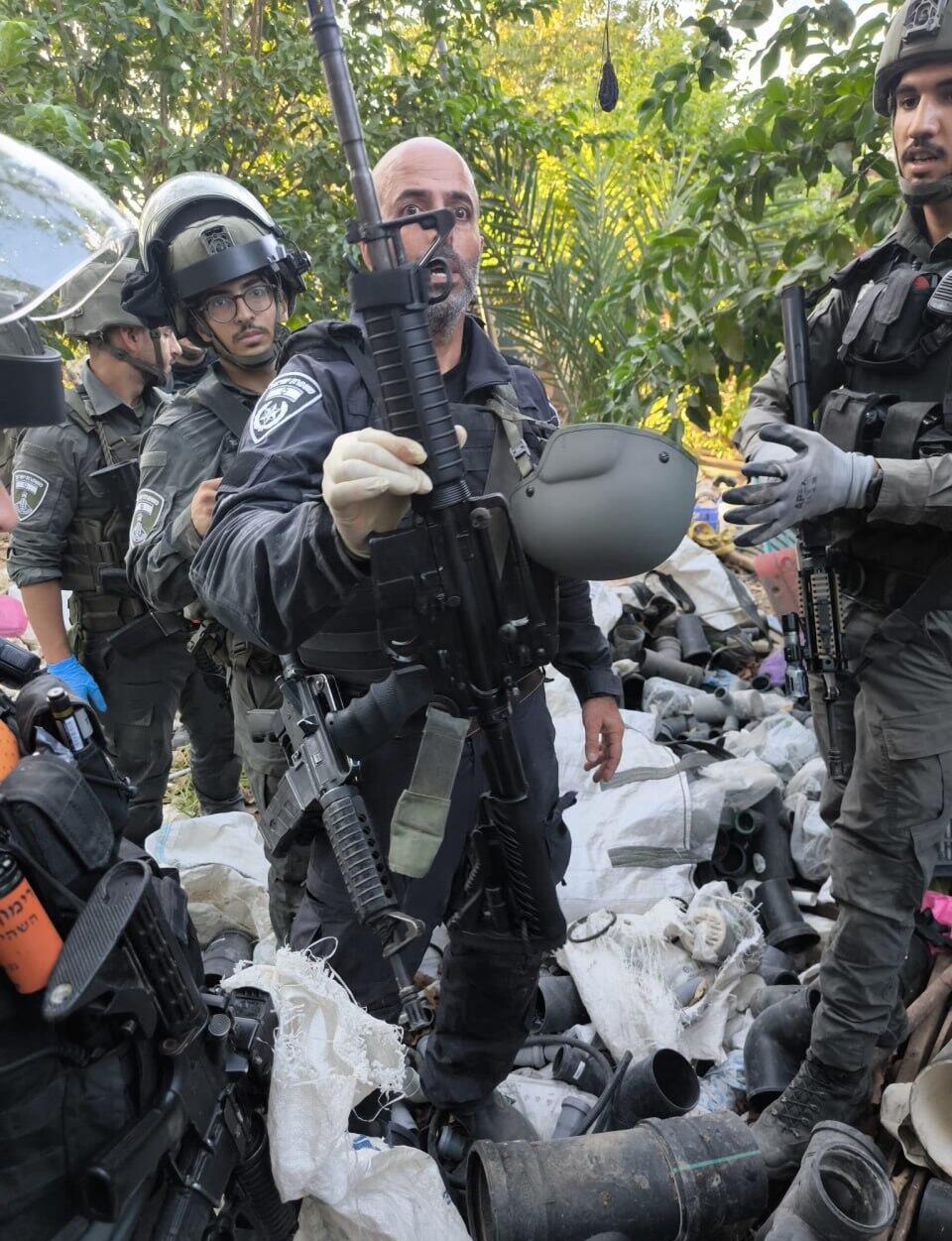
A rifle found in the tunnel
(Photo: Israel Police spokesperson)
According to police, the tunnel was located about 400 meters as the crow flies from Highway 6 and about 200 meters from Highway 55, and did not cross into Israeli territory.
The IDF disputed that account, saying the operation uncovered “two deep shafts,” but that after they were examined suspicions that they connected to a tunnel route were ruled out. The military also rejected the claim that one of the shafts was near the seam-line area.
Police continued to insist that their statement was “accurate and based on facts.” The dispute over the competing versions later moved to video, with each side publishing footage intended to support its position.
Only 18 kilometers, about a 30-minute drive, separate Qalqilya from Kfar Saba and other cities in central Israel and the Sharon region. Since October 7, concern has grown among Israelis living in communities along the seam line over the possibility of terrorists infiltrating into Israel.
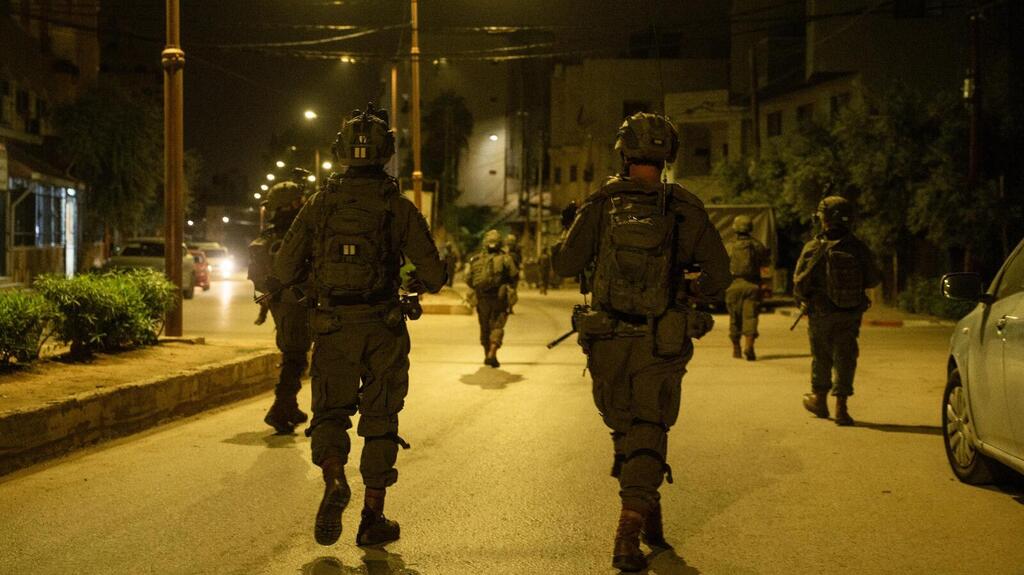
Security forces operate in Qalqilya
(Photo: IDF Spokesperson's Unit)
Kfar Saba Mayor Rafi Saar, who also chairs the forum of seam-line communities, said when news of the tunnel discovery emerged that it was “a serious incident that demonstrates just how real and immediate the security threat to residents of the seam line is.”
Residents themselves were alarmed by the discovery, though not surprised.
“People think this is a quiet city in central Israel, not like the north, where Hezbollah is right on the fence. Suddenly you discover that terrorism is here and raising its head. Now is the time to stop it before it is too late,” Roni, a student from northern Israel who lives in Kfar Saba, said.
Eran Beck, a farmer from Moshav Tzofit, about 1.5 kilometers from Qalqilya, said that "everyone expected this. Who knows whether there are more tunnels? If a cell crosses the fence, within minutes they are in Israel.”