

The IDF issued a rare evacuation warning Monday for residents of Beirut’s southern Dahieh district, saying it would carry out targeted strikes there if Hezbollah continued firing rockets at Israeli cities, as an Israeli official said the move was coordinated with Washington after Hezbollah failed to cooperate with U.S.-led ceasefire efforts.
The warning, the first of its kind for Dahieh after a long period without such alerts, came after Prime Minister Benjamin Netanyahu and Defense Minister Israel Katz ordered the IDF to prepare strikes against Hezbollah targets in the Beirut stronghold following intensified fire from Lebanon toward northern Israel.
IDF issues rare Dahieh evacuation warning as Beirut residents flee Hezbollah stronghold


IDF Arabic-language spokesman Avichay Adraee called on residents to leave the area for their own safety. “If the Hezbollah terrorist organization continues to fire rockets toward cities in Israel, the IDF will respond with a targeted strike on sites in Dahieh,” he said.
An Israeli official said the decision to strike in Dahieh was coordinated with the Americans. According to the official, Secretary of State Marco Rubio has been promoting a ceasefire initiative, but Hezbollah has not cooperated, leading Washington to remove its objection to Israeli strikes in the Beirut stronghold.
Lebanese reports said families and vehicles were seen moving out of the Hezbollah stronghold even before the IDF issued the formal evacuation warning at around 4:50 p.m. Several schools in Beirut reportedly called on parents to collect their children ahead of closures prompted by the Israeli threat.
Shortly after Netanyahu and Katz announced the planned action, sirens again sounded in several communities in the Galilee Panhandle, where rocket alerts have become routine, as well as in Karmiel. The IDF said it intercepted three launches.
The Prime Minister’s Office and Defense Ministry said the decision was made “following Hezbollah’s repeated violations of the ceasefire in Lebanon and attacks against our cities and citizens.”
Netanyahu later released a video statement saying Israel would no longer allow Hezbollah to attack Israeli communities while its command centers in Beirut remained untouched.
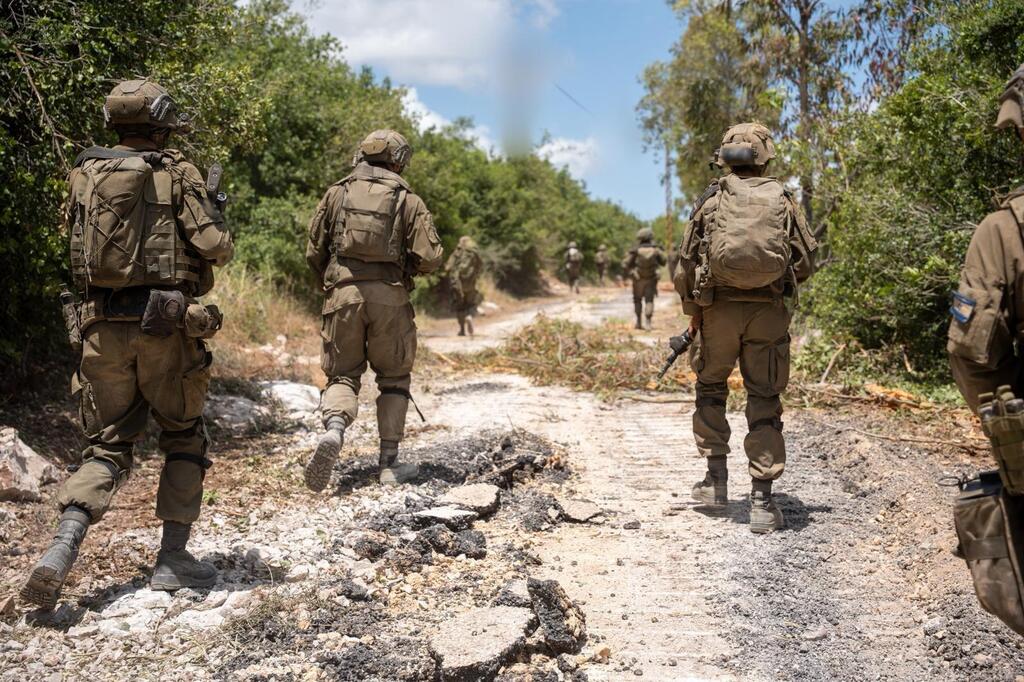
“There will be no situation in which Hezbollah attacks our cities and our citizens, while its terror headquarters in Beirut, in Dahieh, remain off-limits,” Netanyahu said. “We continue to deepen our activity on the ground in southern Lebanon and eliminate Hezbollah strongholds. Hezbollah is on the run. We are determined to restore security to the residents of the north, just as we did for the residents of the south.”
Katz, speaking at a ceremony marking the changeover of the director of Israel’s Defense Ministry security authority, said: “The fate of Dahieh in Beirut is the same as the fate of communities in northern Israel. If there is no quiet in the north, there will be no quiet in Beirut.”
“We will not allow a reality in which our communities and citizens are attacked while quiet is preserved in Beirut,” he said. “At the same time, the IDF continues to operate with fire and maneuver against Hezbollah terrorists and infrastructure in Lebanon, achieving very significant results and crushing the terrorist organization’s capabilities on the ground.”
Iran’s Tasnim news agency said Monday that Tehran’s negotiating team was halting exchanges of messages with the United States through mediators because of the attacks on Lebanon, as diplomatic efforts to end the three-month-old Iran war continue.
The agency said Iran and the Resistance Front, which includes Tehran’s Shiite allies in Yemen, Lebanon and Iraq, had set an agenda to fully block the Strait of Hormuz and activate other fronts, including the Bab el-Mandeb Strait, in order to “punish” Israel and its supporters.
“Violation on one front is a violation of the ceasefire on all fronts. The U.S. and Israel are responsible for the consequences of any violation,” Iranian Foreign Minister Abbas Araqchi wrote on X on Monday, referring to Israeli operations in Lebanon.
“The immediate cessation of the Zionist regime’s aggressive and brutal army operations in Gaza and Lebanon and the necessity of the regime’s complete withdrawal from the occupied areas in Lebanon have been emphasized by Iranian officials and negotiators, and there will be no talks until Iran and the resistance’s views on this matter are met,” Tasnim added.
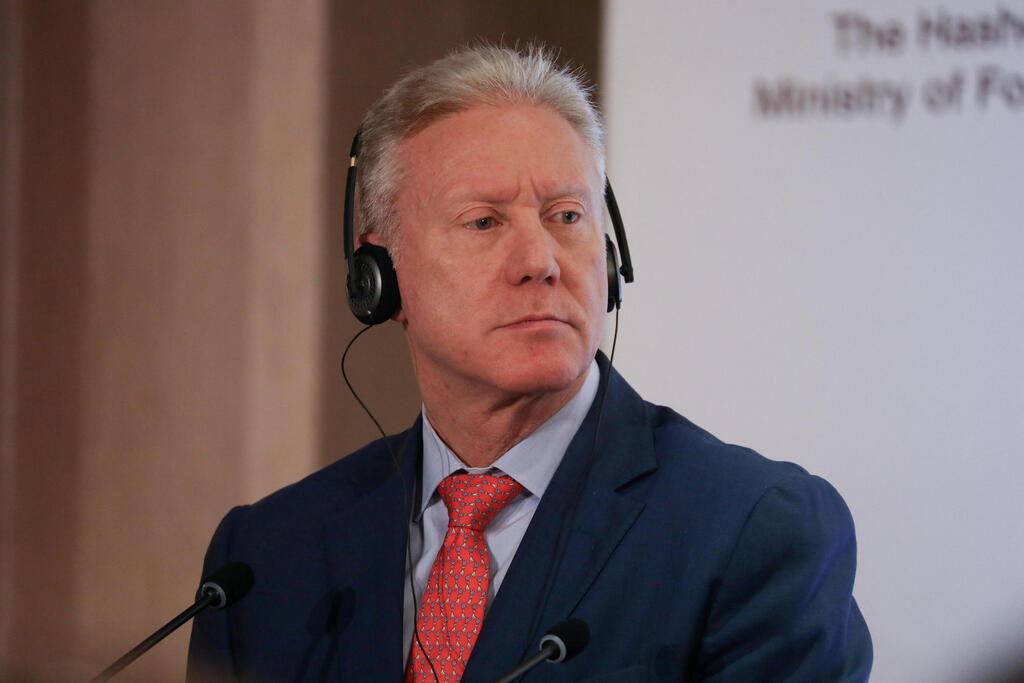
Lebanese Foreign Minister Youssef Rajji
(Photo: REUTERS/Alaa Al Sukhni)
In Lebanon, officials sought to mobilize international pressure to prevent further escalation. A Lebanese Foreign Ministry source told Sky News Arabia that Foreign Minister Youssef Rajji was holding “intensive diplomatic contacts in light of the Israeli escalation.”
France requested an emergency UN Security Council meeting on the escalation in Lebanon later Monday.
Lebanese Information Minister Paul Morcos said Beirut was intensifying efforts with friendly countries “to restore the ceasefire,” adding that shrinking resources required increased international support for Lebanon’s displacement crisis.
The remarks came amid fears of a new wave of displacement after weeks in which hundreds of thousands of people in southern Lebanon and the Bekaa Valley have already been forced to leave their homes because of Israeli strikes and evacuation warnings.
Official Lebanese sources told the Qatari outlet Al-Araby Al-Jadeed that Beirut was increasing efforts to stabilize the ceasefire and was conducting international contacts, especially with the Americans, in light of Israel’s threats. According to the sources, talks expected in Washington on Tuesday were still set to take place, and no decision had been made to postpone them.
The United States has recently held a series of rare meetings between Israeli and Lebanese government representatives, with Beirut participating despite fierce opposition from Hezbollah. However, a Lebanese source familiar with contacts between Beirut and Washington told Reuters that Netanyahu’s announcement of a strike in Dahieh reflected the deterioration of the diplomatic track led by the United States in recent days.
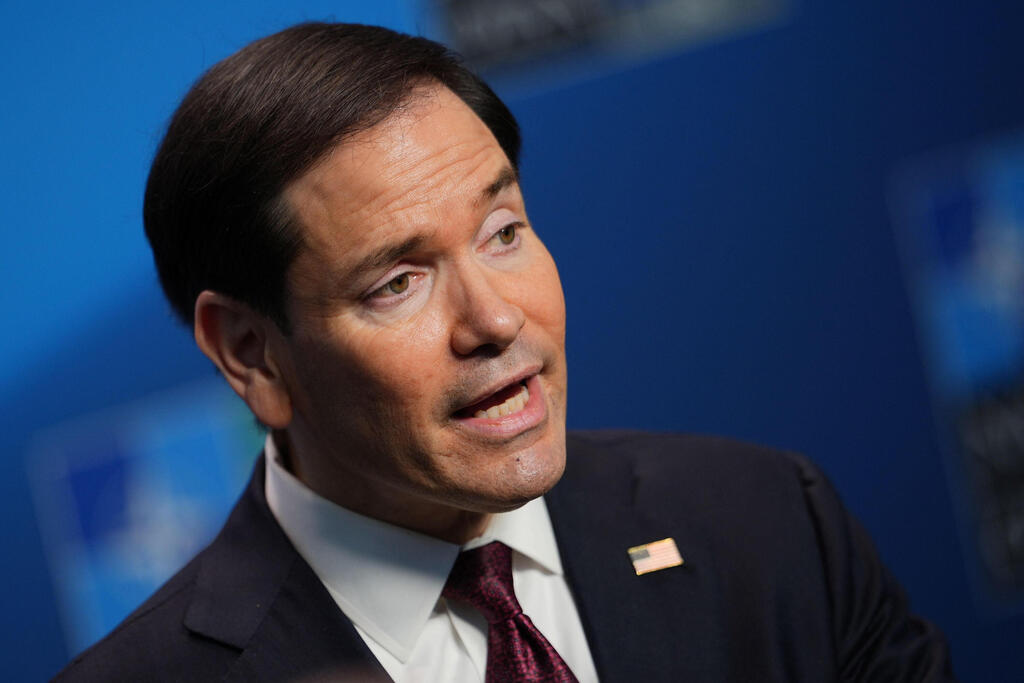
Secretary of State Marco Rubio
(Photo: Julia Demaree Nikhinson / POOL / AFP)
According to a U.S. official who spoke to Axios, Rubio spoke Sunday with Lebanese President Joseph Aoun and Netanyahu about diplomatic contacts between Israel and Lebanon and proposed a framework for “gradual de-escalation.”
Under the first stage of the U.S. proposal, Hezbollah would halt all attacks on Israel, and in return, Israel would refrain from escalation in Beirut. The official said such a step would “create space for gradual de-escalation and an effective cessation of hostilities.”
The American official added that Aoun tried to advance the proposal and secure agreement, but Lebanese Parliament Speaker Nabih Berri, a close Hezbollah ally, placed responsibility on Israel and demanded that it stop “shooting first.”
Berri, who said he could “guarantee” Hezbollah’s commitment to a ceasefire, told Lebanese media: “I guarantee full and immediate commitment to a ceasefire by the resistance, but the question is who will force Israel to stop the aggression?”
First published: 17:33, 06.01.26